Leading Manufacturer of Intelligent Food Packaging Machinery

What fill accuracy should I specify for 250 g and 1 kg coffee bags?
Specify plus or minus 1 g net weight on a 250 g bag, and plus or minus 2 g on a 1 kg bag. As a share of fill that is 0.4% and 0.2%. Anything looser than plus or minus 2% on a 250 g bag is not a coffee specification, it is a rounding error with a retail price attached.
Our linear weighers hold 0.1 to 1.5 g on whole beans. The number you write in the enquiry decides whether you get that or a volumetric cup.
Accuracy as a share of fill, not as a gram figure
| Bag fill | Suggested tolerance | As % of fill | What one extra gram costs per year |
|---|---|---|---|
| 250 g | ±1 g | 0.4% | 500 kg at 500,000 bags a year |
| 500 g | ±1.5 g | 0.3% | 500 kg at 500,000 bags a year |
| 1 kg | ±2 g | 0.2% | 500 kg at 500,000 bags a year |
At US$8 per kg green-equivalent cost, one gram of give-away per bag on half a million bags is about US$4,000 a year. Two grams is US$8,000. That is usually more than the difference between a volumetric filler and a load-cell weigher.
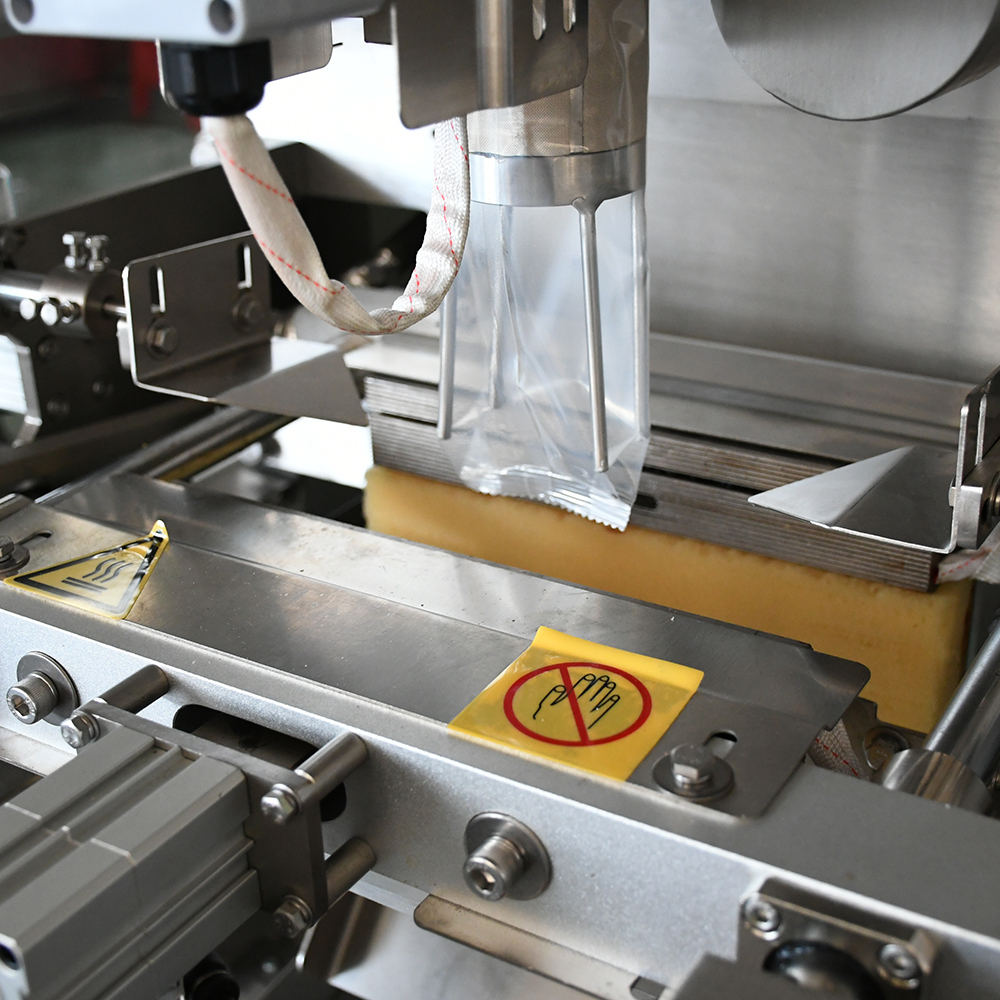
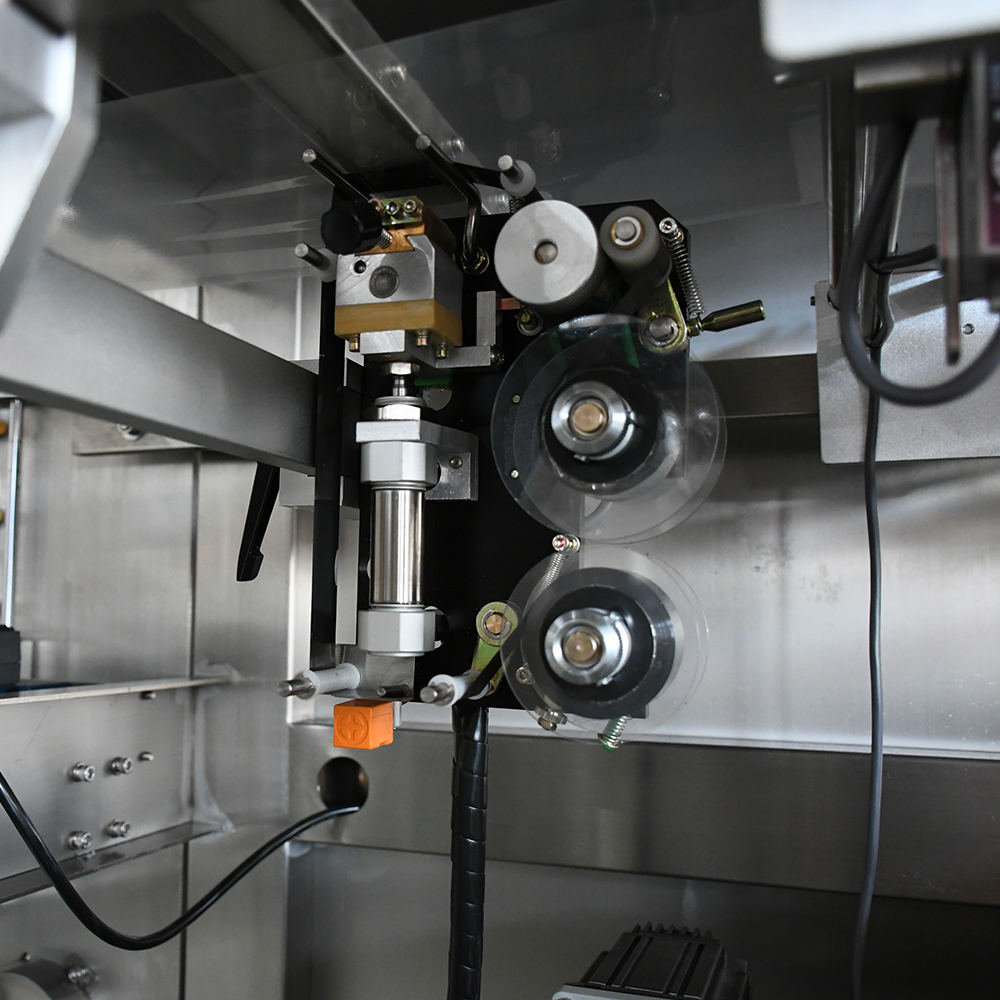
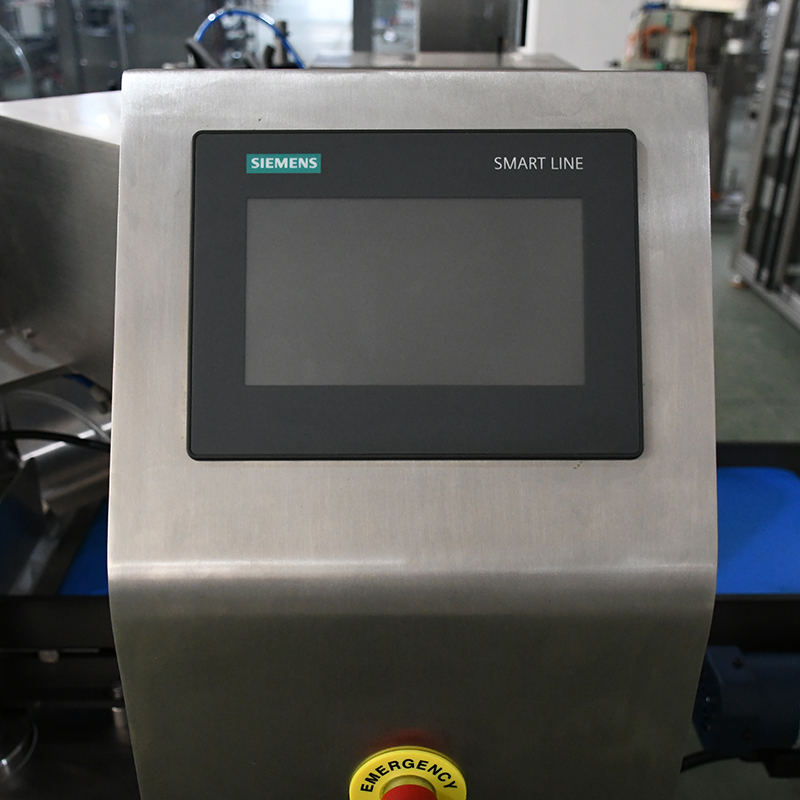
Three things in the specification that decide the result
Why a volumetric cup cannot hold this
A volumetric cup measures volume, and ground coffee density swings with roast level, grind setting and humidity. A cup set at 250 g on Monday can deliver 245 g on Friday after a roast change, and nothing on the machine tells you. A load-cell weigher measures mass directly, which is why the tolerance is stable across a roast profile.
The limitation to state up front: plus or minus 1 g at 30 bags a minute requires the weigher to settle between cycles. Above roughly 40 bags a minute on a small bag, holding 1 g usually needs a different weigher configuration rather than a faster machine. Decide which of the two you need before the quotation stage.
The bean-line weigher that holds 0.1 to 1.5 g is specified on our coffee bean packing machine page. For how beans and ground coffee differ mechanically, see ground coffee versus whole bean packaging.
Compare coffee packaging machines
