Vertical Packaging Machine for Powders and Granules Explained: Efficiency and Automation
As the quest for greater efficiency and precision in manufacturing intensifies, particularly for products like powders and granules, the significance of advanced packaging solutions has never been more critical. Effective and automated packaging transcends merely moving products; it is fundamentally about minimizing waste, guaranteeing consistent quality, and ultimately, enhancing your bottom line.
Today, we embark on a detailed exploration of the world of vertical packaging machines. We will uncover how these innovative systems are revolutionizing the packaging of powders and granules, presenting substantial benefits in both velocity and dependability. Gaining a thorough understanding of these machines can empower businesses of all sizes to attain operational superiority and satisfy the escalating market demand for impeccably packaged goods.
Key Takeaways
| Feature | Benefit | Impact on Your Business |
|---|---|---|
| Automation | Reduces manual labor and human error. | Lowers operational costs, increases production consistency, and allows staff to focus on higher-value tasks. |
| High Speed | Capable of packaging up to 300 bags per minute depending on the model. | Drastically increases production throughput, enabling you to meet high market demand and scale your business efficiently. |
| Precision Filling | Utilizes systems like auger fillers for powders, ensuring accurate dosing per package. | Minimizes product giveaway, reduces material waste, and ensures compliance with weight regulations, protecting your profit margins. |
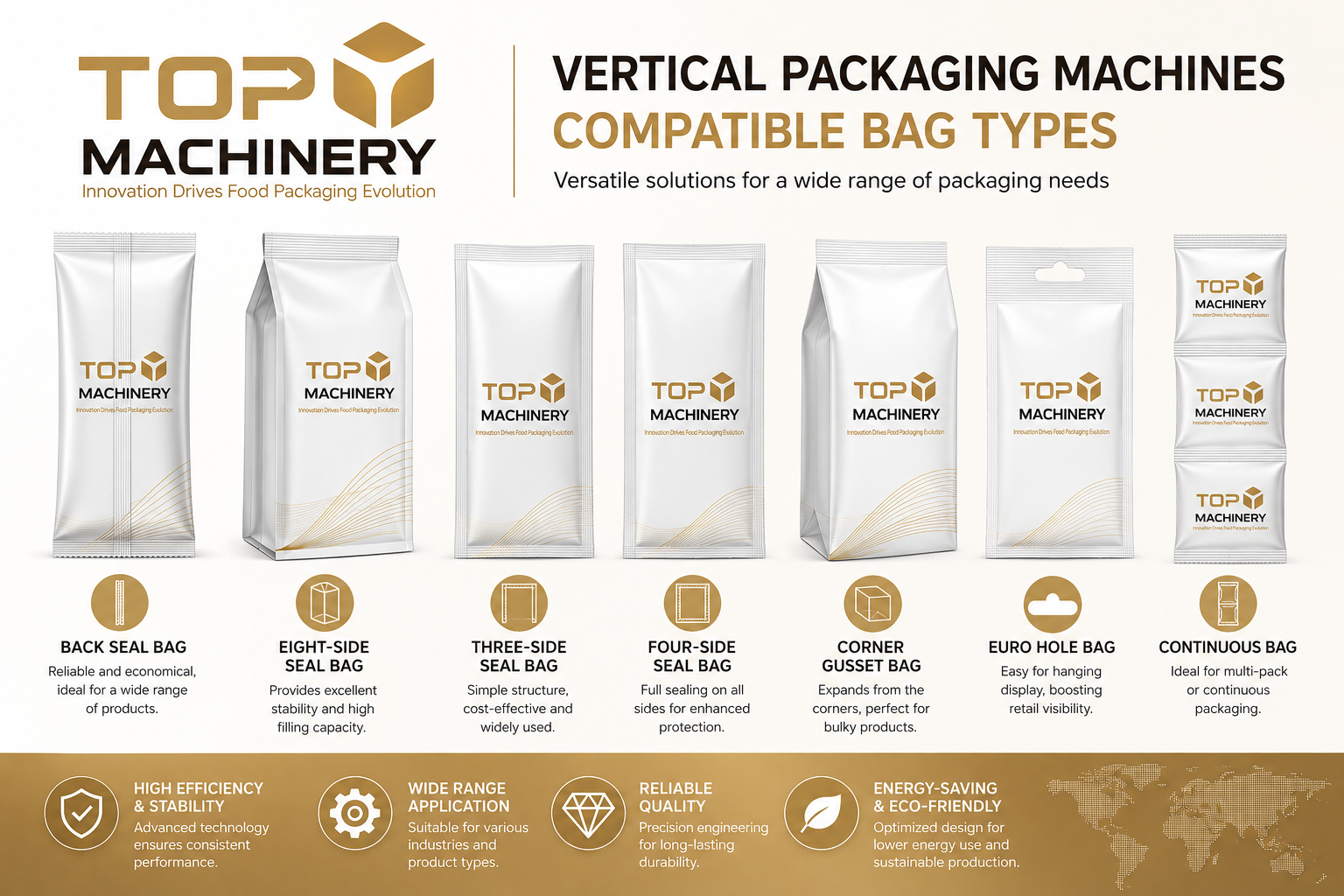
| Versatility | Handles a wide range of products (powders, granules, liquids) and packaging formats (pillow bags, stick packs, gusseted bags). | Offers flexibility to adapt to different product lines and market trends without needing multiple machines, enhancing production line adaptability. |
| Compact Footprint | Vertical orientation saves valuable factory floor space compared to horizontal systems. | Maximizes production capacity within your existing facility, avoiding the costs and complexities of expansion. |
| Improved Hygiene & Shelf Life | Creates airtight, hermetic seals that protect products from contaminants like moisture and oxygen. | Enhances product safety, extends shelf life, and preserves quality, leading to greater consumer trust and reduced spoilage. |
| Sustainability | Optimizes film usage and reduces energy consumption. | Lowers environmental impact and can reduce material costs by up to 30%, aligning with corporate sustainability goals. |
For more detailed data on how our specific machine models can impact your production line, we encourage you to contact us for a customized assessment.
Mastering Efficiency and Versatility with Vertical Packaging Machine for Powders and Granules
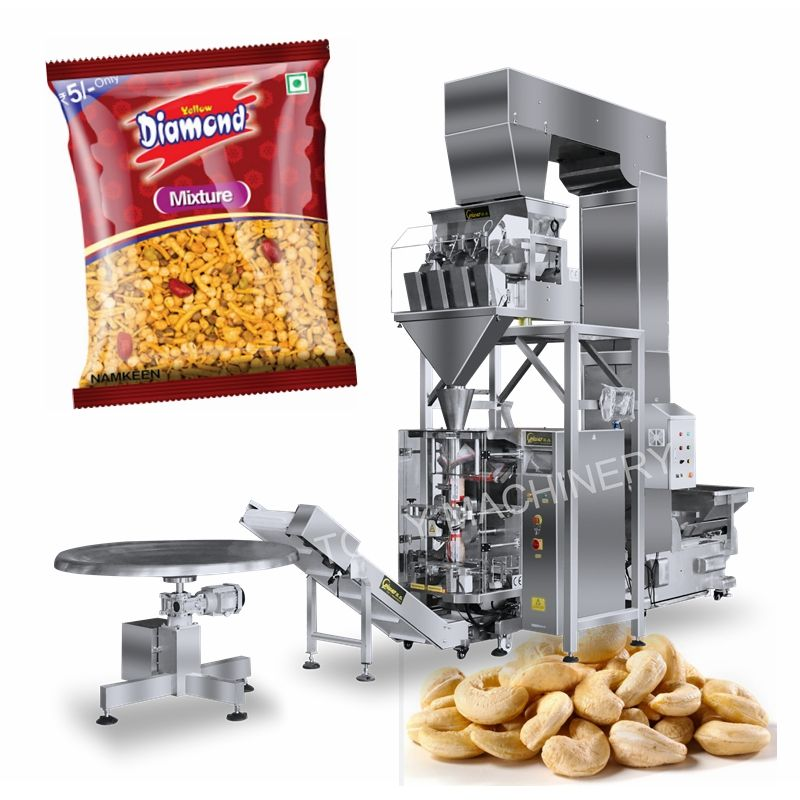
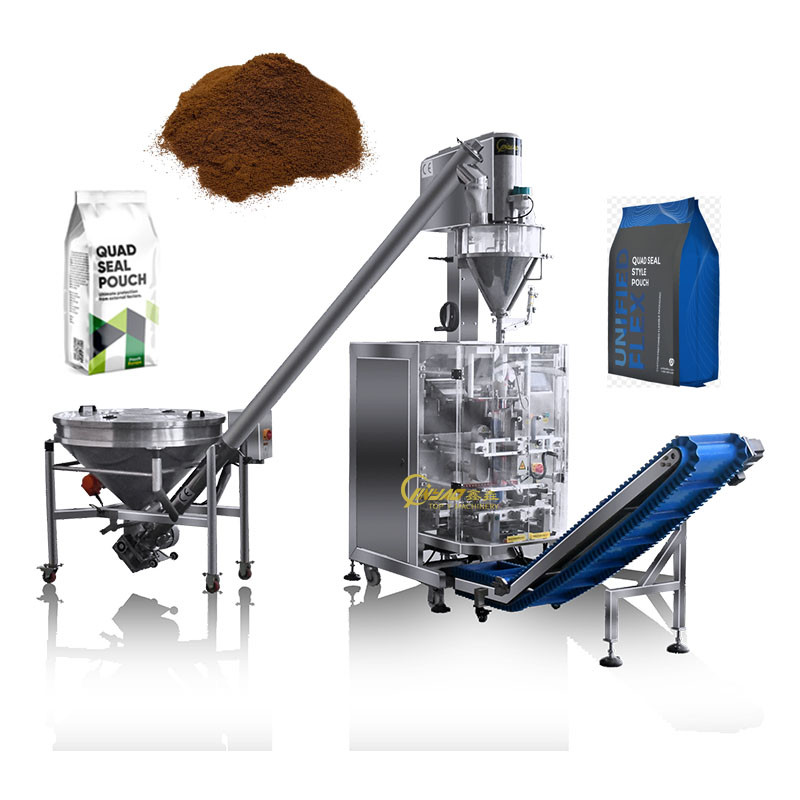
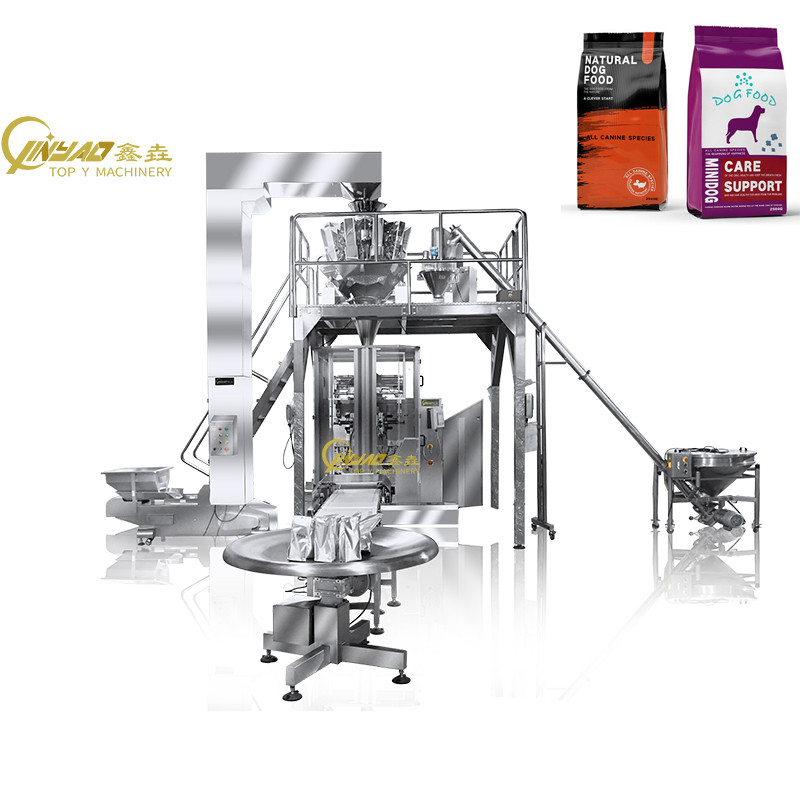
Vertical Form-Fill-Seal (VFFS) machines are a cornerstone of modern packaging, offering an automated solution that forms a package, fills it with a product, and seals it in a continuous vertical motion. This technology is highly valued for its ability to boost productivity and maintain consistent quality, making it an indispensable asset for manufacturers worldwide. The vertical design is a key attribute, utilizing gravity for the filling process and maintaining a compact footprint, which is a significant advantage in facilities where floor space is a premium.
Why Modern Businesses Choose Vertical Packaging for Powders and Granules
Modern businesses are increasingly turning to vertical packaging solutions for their powder and granule products due to a combination of enhanced efficiency, cost reduction, and the ability to meet evolving consumer demands. These automated systems streamline the entire packaging process, from forming and filling to sealing, which significantly cuts down on labor costs and the potential for human error. The resulting consistency in package weight, size, and seal quality not only improves product integrity but also reinforces brand trust.
Boosting Production Throughput and Reducing Operating Costs
The primary advantage of a VFFS Packing Machine For Different Kinds Of Product is its ability to automate and accelerate production. By replacing manual or semi-automated processes, these machines can operate continuously at high speeds, with some models producing hundreds of bags per minute. This massive increase in throughput allows manufacturers to meet higher demand and scale operations efficiently.
Furthermore, automation leads to significant cost savings. Labor costs, which can account for up to 70% of total business expenses, are drastically reduced as fewer operators are needed to manage the packaging line. Automation also minimizes material waste by using film efficiently and ensuring precise product fills, which prevents costly product giveaway. The investment in automation often pays for itself quickly through lower labor expenses, reduced material consumption, and increased production volume.
Understanding How Vertical Packaging Machines Work for Powders and Granules
At its core, a vertical packaging machine is an automated system that performs three main functions in a vertical sequence: forming a bag from a roll of film, filling it with a product, and sealing it securely. This gravity-assisted process is exceptionally efficient for free-flowing items such as powders and granules. The entire operation is typically controlled by a sophisticated PLC system, ensuring all steps are perfectly synchronized for stable, high-precision performance.
From Film Roll to Finished Pouch: The VFFS Process
The Vertical Form-Fill-Seal (VFFS) process is a highly efficient, automated sequence that transforms a flat roll of packaging film into a finished, product-filled pouch. It is the backbone of packaging operations for countless powder and granule products.
The process unfolds in a series of precise, synchronized steps:
- Film Unwinding and Tensioning: The process begins with a large roll of packaging film, known as rollstock, which is loaded onto a spindle at the rear of the machine. As the machine operates, the film is unwound and passes over a 'dancer arm,' which is a weighted, pivoting arm that maintains consistent tension, ensuring the film tracks correctly without wrinkling or wandering.
- Forming the Bag: The flat film is then guided over a forming collar (or forming tube). As it wraps around this component, the film is shaped into a vertical tube. The diameter of the forming tube dictates the width of the final bag.
- Vertical and Bottom Sealing: Once formed into a tube, the overlapping vertical edges of the film are pressed together by a heated sealing bar to create the back seal. Immediately after, a pair of horizontal sealing jaws clamps together to create the top seal of the bag below and, simultaneously, the bottom seal of the next bag to be created.
- Product Filling: While the horizontal sealing jaws are closed, a precise amount of powder or granule product is dispensed from a filler (like an auger or volumetric filler) located above. The product falls by gravity down through the forming tube and into the waiting, partially sealed bag.
- Cutting and Discharge: After the bag is filled, a knife, typically integrated within the horizontal jaw assembly, moves forward to cut the completed bag, separating it from the film tube above it. The jaws then open, and the finished pouch is discharged, usually onto a conveyor belt for secondary packaging. This entire cycle repeats at a high speed, often completing between 30 and 300 cycles per minute.
The Power of Multi-Lane Synchronous Operation
For manufacturers with high-volume production needs, multi-lane vertical packaging machines offer a monumental leap in efficiency. Instead of a single packaging lane, these systems operate with multiple lanes—from two to over ten—in parallel, all from a single, wider roll of film.
The key advantages include:
- Dramatically Increased Throughput: By forming, filling, and sealing multiple bags simultaneously, these machines drastically increase output compared to single-lane systems, making them ideal for mass production of items like sugar sticks or single-dose powders.
- Space Optimization: A single multi-lane machine has a more compact footprint than the equivalent number of single-lane machines, maximizing the output-to-space ratio on the factory floor.
- Enhanced Consistency: Centralized PLC and servo controls ensure that every lane operates in perfect synchronization, resulting in uniform bag dimensions, fill weights, and seal quality across the entire production run.
- Reduced Operational Costs: Higher efficiency translates to a lower cost per bag, and automation minimizes the need for manual labor, reducing associated costs and human error.
Multi-lane machines are the definitive solution when daily output reaches tens or hundreds of thousands of units and consistency is paramount.
Precision Filling Mechanisms: Auger Fillers and More
The accuracy of the filling system is crucial for profitability, as it minimizes product giveaway and ensures product consistency. For powders and granules, two primary types of fillers are integrated with VFFS machines:
| Filler Type | Operating Principle | Best Suited For | Accuracy | Key Advantage |
|---|---|---|---|---|
| Auger Fillers | Uses a rotating helical screw (auger) to dispense a precise amount of product. The number of rotations determines the volume. | Non-free-flowing, fine, or dusty powders like flour, spices, milk powder, and protein powder. | High (typically ±0.3% to 1%). | Excellent at handling difficult, variable-density powders and controlling dust. |
| Volumetric Cup Fillers | Uses pre-measured cups on a rotating plate. Cups are filled with product by gravity and then emptied into the bag. | Free-flowing, consistent-density granules like sugar, salt, rice, and coffee beans. | Moderate (typically ±1% or higher). | Very high speed, simple to operate, and cost-effective for suitable products. |
Choosing the right filler is dependent on the product's characteristics. An auger filler provides the necessary precision and control for non-free-flowing powders that can clump or bridge. For free-flowing granules where speed is a top priority, a volumetric cup filler is often the more efficient and economical choice. For more information on finding the right filling system for your product, contact our experts today.


Applications and Advantages of Vertical Packaging Machine for Powders and Granules in Various Industries
The versatility of vertical packaging machines makes them an essential asset across a multitude of industries. Their ability to handle diverse materials—from fine powders to coarse granules—while ensuring speed, hygiene, and precision has solidified their role in modern production lines. By automating the packaging process, these machines significantly boost productivity, reduce labor costs, and enhance product safety and consistency.
Key Industries Benefiting from Vertical Packaging Machines
Vertical Form-Fill-Seal (VFFS) machines are the workhorses for a wide range of sectors due to their efficiency and adaptability. They are pivotal in operations that require fast, reliable, and hygienic packaging for solids, powders, granules, and even liquids.
Food and Beverage: From Instant Coffee to Nutritional Supplements
The food industry is one of the largest adopters of vertical packaging technology. These machines provide efficient solutions for packaging a vast array of products, including snacks, grains, frozen foods, and powdered goods like a Milk/Coffee Powder VFFS Packing Machine. For products like instant coffee, spices, milk powder, sugar, and flour, VFFS systems integrated with auger fillers ensure precise dosing and minimal dust. The hermetic seals created by these machines are crucial for protecting perishable goods from contamination, maintaining freshness, and extending shelf life. Whether it's potato chips, nuts, rice, or frozen vegetables, vertical packers deliver the speed and portion control necessary for high-volume food production lines.
Pharmaceuticals and Health: Ensuring Precision and Hygiene
In the pharmaceutical and healthcare sectors, precision, hygiene, and reliability are non-negotiable. Vertical packaging machines are instrumental in this industry, packaging products like medical powders, tablets, capsules, and single-dose supplements with unparalleled consistency. The automated and enclosed nature of the VFFS process minimizes human contact, ensuring that products are packaged in a sterile and contamination-free environment that complies with strict regulatory standards like cGMP and FDA requirements. Features like nitrogen flushing can be integrated to protect sensitive drugs from degradation due to oxygen, preserving their potency and efficacy.
Beyond Food: Chemicals, Cosmetics, and OEM Services
The application of vertical packaging extends well into the chemical, cosmetic, and personal care industries. Products like detergents, cleaning powders, lotions, creams, and cosmetic serums are efficiently packaged in bags or sachets to prevent contamination and ensure safe handling. The ability to handle pastes and liquids makes these machines highly versatile for items like shampoo, cooking oil, and ketchup. For businesses offering OEM services, the flexibility to quickly adapt to different product types and packaging formats makes a VFFS machine a strategic investment for meeting diverse client needs.
Our TOP Y Machinery Solutions: Enhancing Your Packaging Line
At TOP Y Machinery, we specialize in delivering robust and reliable vertical packaging solutions engineered to elevate your production capabilities. Our machines are designed with a focus on accuracy, consistency, and operational efficiency, ensuring you receive a superior return on your investment. We understand the challenges of modern manufacturing and provide machinery that serves as the backbone of your packaging operation.
Achieving Accuracy and Consistency with TOP Y Machinery
Inconsistent filling leads to material waste and can damage your brand's reputation. Our vertical packaging machines are equipped with high-precision dosing systems, such as advanced auger fillers for powders and multi-head weighers for granules, to ensure every package meets its target weight with minimal deviation. The integration of servo-driven technology provides precise control over the entire process—from film movement to sealing—guaranteeing that every bag is formed, filled, and sealed to the highest quality standards. This level of consistency reduces product giveaway and ensures your customers receive a uniform, high-quality product every time.
Operational Benefits: Reduced Labor, Space-Saving, and Flexibility
Investing in a TOP Y Machinery solution brings a host of operational advantages that directly impact your bottom line.
- Reduced Labor Costs: Automation significantly reduces the need for manual labor in the packaging process. A single automated line can often replace multiple workers, freeing up your team to focus on higher-value tasks and reducing expenses related to wages, benefits, and training.
- Space-Saving Design: Factory floor space is a valuable commodity. The vertical orientation of our machines offers a compact footprint, allowing you to maximize production capacity without expanding your facility. This efficient use of vertical space is a game-changer for businesses with limited room.
- Flexibility and Adaptability: Our machines are designed for versatility. They can handle a wide variety of packaging materials, including modern recyclable and mono-material films, and can be quickly adjusted for different bag sizes and styles. This flexibility allows you to adapt to new product lines and evolving market demands, future-proofing your investment.
To learn how a customized TOP Y Machinery solution can revolutionize your packaging line, contact us for a consultation.
Choosing the Right Vertical Packaging Machine for Your Powder and Granule Products
Selecting the right packaging machine is a critical investment that directly impacts your production efficiency, product quality, and long-term profitability. The decision requires a thorough evaluation of not just the machine itself, but also your specific product characteristics, production goals, and budget. Making an informed choice ensures you acquire a system that is not just a piece of equipment, but a strategic asset for your business.
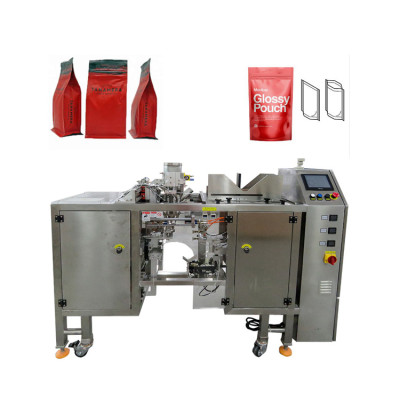
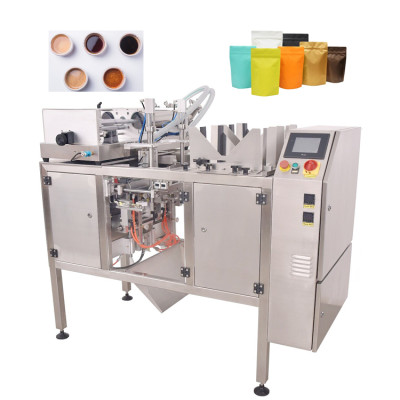
VFFS vs. Premade Pouch Machines: Making the Smart Choice
Two dominant technologies in flexible packaging are Vertical Form-Fill-Seal (VFFS) machines and premade pouch filling machines. While both automate the filling and sealing process, they operate on different principles and offer distinct advantages.
High-Speed Production with VFFS Systems
VFFS machines are the champions of high-speed, high-volume production. They form, fill, and seal bags from a continuous roll of film in one seamless operation, making them incredibly efficient.
- Speed: Modern VFFS systems can achieve speeds of over 100 bags per minute, with some high-performance models reaching up to 300 bpm.
- Cost-Effectiveness: Using rollstock film is significantly cheaper—often 20-50% less expensive—than buying pre-made pouches, leading to a lower cost per package.
- Efficiency: The all-in-one design is ideal for running large, consistent batches of products with standard bag formats like pillow or gusseted bags.
VFFS is the preferred choice for manufacturers prioritizing maximum throughput and cost efficiency, especially for products like snacks, coffee, and a Granule VFFS Packing Machine.
Aesthetic and Flexibility with Premade Pouch Machines
Premade pouch machines work with bags that are already manufactured, focusing on automatically opening, filling, and sealing them. This approach excels in applications where packaging appearance and flexibility are paramount.
- Superior Aesthetics: Premade pouches offer a higher-quality finish and greater structural integrity, resulting in a premium look on retail shelves. They easily accommodate features like zippers, spouts, and custom shapes that enhance consumer convenience and brand differentiation.
- Greater Flexibility: Switching between different pouch sizes and styles is much faster and simpler on a premade pouch machine, often taking only 15-30 minutes. This makes them ideal for companies with diverse product lines or those that require frequent changeovers.
- Reduced Waste during Filling: Many machines have sensors that prevent product from being dispensed if a pouch is not properly opened, minimizing product and pouch waste.
While the initial cost per bag is higher, premade pouch machines offer unmatched versatility and shelf appeal, making them the right choice for high-value products or brands that rely heavily on packaging as a marketing tool.
Key Factors to Consider for Your Vertical Packaging Machine Investment
Making the right investment requires a methodical approach that balances your product needs, production demands, and financial constraints.
Product Characteristics and Packaging Requirements
The first step is to analyze your product. Its physical state—whether it's a fine, dusty powder, a free-flowing granule, or fragile—will determine the type of filling system and handling mechanisms needed. For example:
- Non-free-flowing powders require an auger filler to ensure accurate dispensing.
- Fragile granules may need gentler handling to prevent breakage.
- Corrosive or acidic products necessitate machines built with resistant materials like SS316L stainless steel.
You must also consider the required packaging material and any special features like modified atmosphere packaging (MAP) for extending shelf life.
Production Volume, Speed, and Adaptability
Your production goals are a major factor in machine selection.
- Production Volume: A small startup might start with a semi-automatic machine, while a large-scale operation will need a fully automatic system capable of high-speed, continuous production.
- Speed: Determine your target output in packages per minute (PPM) to ensure the machine can meet your demand without being pushed beyond its limits, which could compromise quality.
- Adaptability: If you anticipate launching new products or package sizes in the future, choose a machine with the flexibility for quick and easy changeovers. Investing in a system that can scale with your business prevents the need for costly replacements down the line.
Cost-Effectiveness and Long-Term Reliability
The best investment is not always the one with the lowest initial price. It is essential to calculate the Total Cost of Ownership (TCO), which includes not just the purchase price but also long-term operational costs.
- Upfront vs. Long-Term Costs: A cheaper machine might have higher maintenance needs, consume more energy, or result in greater material waste, making it more expensive over its lifespan. A high-end machine with greater efficiency and lower labor requirements can deliver a faster return on investment (ROI).
- Reliability and Maintenance: Choose a machine built with high-quality, durable components to ensure minimal downtime. A manufacturer with a strong reputation for reliability and responsive after-sales support can be a valuable partner, providing expert technicians and readily available spare parts to keep your operations running smoothly.
By carefully evaluating these factors, you can select the vertical packaging machine that best aligns with your business goals and ensures a profitable, long-term investment.
Frequently Asked Questions (FAQ)
Q1: What is the primary difference between a vertical packaging machine (VFFS) and a premade pouch machine?
A VFFS machine creates the bag from a flat roll of film, then fills and seals it in one continuous vertical process. It's ideal for high-speed, high-volume production with lower material costs. A premade pouch machine, on the other hand, uses bags that are already formed. The machine simply opens, fills, and seals these pre-made bags. This option offers greater flexibility in bag styles (like zippers and spouts) and superior aesthetic quality, making it perfect for premium products.
Q2: What types of products can be packaged with a vertical packaging machine?
Vertical packaging machines are incredibly versatile and can handle a wide range of products across various industries. This includes powders (flour, coffee, spices), granules (sugar, salt, rice), solids (snacks, candy, frozen vegetables), and even liquids and pastes (sauces, creams, shampoos). The key is to match the machine with the correct filling system, such as an auger filler for powders or a multi-head weigher for granules.
Q3: How much floor space does a vertical packaging machine require?
One of the significant operational benefits of vertical packaging machines is their space-saving design. Because they utilize vertical space, they have a much more compact footprint compared to horizontal packaging systems. This allows businesses, especially those with limited factory space, to maximize their production capacity without needing to expand their facility.
Q4: How fast can a vertical packaging machine operate?
The speed of a vertical packaging machine varies depending on the model, product characteristics, and bag size. Standard intermittent-motion machines typically run between 40 to 100 bags per minute (BPM). High-speed, continuous-motion models, particularly those for snacks or coffee, can achieve speeds of up to 300 BPM, drastically increasing production throughput.
Q5: Are vertical packaging machines difficult to operate and maintain?
Modern vertical packaging machines are designed with user-friendliness in mind. Many feature intuitive touchscreen interfaces and programmable controls that simplify operation and allow for quick changeovers between different products or bag sizes. For maintenance, choosing a machine with a simple, robust design and easy-to-clean components is crucial for long-term usability and minimizing downtime. Always opt for a manufacturer that provides excellent after-sales support and has readily available spare parts.
Q6: Can these machines handle sustainable or recyclable packaging materials?
Yes, modern vertical packaging machines are designed to be compatible with a wide range of packaging films, including sustainable options like recyclable mono-materials and biodegradable films. As sustainability becomes a more significant factor in consumer choice and corporate responsibility, using a machine that can efficiently run these eco-friendly materials is a key advantage.
If you have more technical questions or need help determining the best machine for your specific application, please contact our team of packaging experts.
In summary, vertical packaging machines for powders and granules are indispensable tools for manufacturers looking to optimize their packaging operations. With their ability to deliver high efficiency, precise automation, and flexible solutions, they play a crucial role in meeting consumer demand and maintaining product quality.
Embracing the right vertical packaging technology means investing in your future success, streamlining your processes, and ensuring that your products stand out with perfectly executed packaging. We've explored the diverse applications and core benefits, and we hope this guide helps you understand why these machines are essential for today's competitive market. Ready to take the next step? Contact us to discuss how our solutions can be tailored to your specific needs. We encourage you to share this article with colleagues who may find it useful and to join the conversation with your own insights below.