Vacuum vs MAP: Which Preserves Food Better?
The Short Answer: Vacuum Strips Oxygen, MAP Replaces It — Match the Process to the Food
Short answer: choose MAP when the product is fresh, moist, or easily crushed — fresh meat, poultry, produce, bakery, coffee — because it replaces air with a controlled gas mix that slows spoilage without squeezing the product. Choose vacuum when you want maximum shelf life for dense, dry, or long-stored foods — cheese, cured meat, nuts, dried goods — because it removes nearly all oxygen. In numbers: vacuum holds residual O2 below about 0.5%, MAP typically targets 0.5–5% O2 balanced with CO2 and N2, and both extend shelf life 2–5× versus air — the right pick depends on the food, the look you must keep, and the cost per pack. TOP Y MACHINERY supplies both technologies: TOPY-VFFS roll-film packagers with gas flush and TOPY-MDPL pre-made side-gusset bag machines, so one supplier covers vacuum and MAP lines.
This guide gives you a head-to-head vacuum vs MAP table, shelf-life numbers by food type, a simple decision rule for best food match, and the cost-per-pack figures you can put in a line budget. A practical FAQ closes the guide.
Vacuum vs MAP: The Side-by-Side Comparison Table
Vacuum removes air; MAP removes air and replaces it with a tuned gas blend. That one difference drives everything else — oxygen level, shelf life, appearance, and cost. The table below lines up the two processes on the factors that decide a packaging line:
| Aspect | Vacuum Packaging | MAP (Modified Atmosphere Packaging) |
|---|---|---|
| What it does | Draws air out of the bag, then seals | Flushes air out and backfills a gas mix (CO2, N2, sometimes O2), then seals |
| Residual O2 | Below ~0.5%, typically 0.1–0.3% | Typically 0.5–5% O2; 70–80% O2 only for red meat color |
| How it preserves | Starves aerobic bacteria and mold; stops oxidation | CO2 inhibits bacteria and mold, N2 acts as inert filler, O2 is tuned per food |
| Shelf life vs air | 3–5× for dense, dry foods | 2–5× for fresh, moist foods |
| Texture & appearance | Compresses the product — crushing risk | No compression; keeps shape, color, and bite |
| Gas cost per pack | $0 — no gas | ~$0.02–0.08 depending on volume and mix |
| Total pack cost | ~$0.03–0.15 (film + energy) | ~$0.05–0.20 (film + gas + energy) |
| Best for | Cheese, cured meat, nuts, dried goods, sous vide, coffee | Fresh meat and poultry, produce, bakery, coffee, dried fruit, fresh pasta |
| Main risk | Crushed soft items; no color retention on red meat | Gas mix must match the food; a leak means fast spoilage |
Three numbers summarize the trade-off. (1) Oxygen: vacuum goes below 0.5% O2, while MAP deliberately holds 0.5–5% O2 so the food keeps color and texture. (2) Shelf life: both beat air by 2–5×, but vacuum wins on dense dry goods and MAP wins on fresh moist goods. (3) Cost: MAP adds roughly $0.02–0.08 per pack in gas, which is usually repaid by fewer spoiled packs in the supply chain.
Shelf Life by Food Type: The Numbers That Decide
There is no universal winner — the food decides. Fresh, moist products respond best to MAP; dense, dry products respond best to vacuum. The table below shows typical shelf-life ranges (chilled where noted) for the same food under air, vacuum, and MAP:
| Food Type | Air (typical) | Vacuum | MAP |
|---|---|---|---|
| Fresh red meat (chilled) | 3–5 days | 15–21 days | 5–14 days (70–80% O2 keeps color) |
| Fresh poultry (chilled) | 3–5 days | 10–14 days | 8–12 days (30% CO2 / 70% N2) |
| Fresh fish (chilled) | 2–3 days | 7–10 days | 7–12 days (30–40% CO2 / N2) |
| Sliced cheese & deli (chilled) | 5–7 days | 25–45 days | 20–40 days |
| Fresh pasta | 3–5 days | 15–30 days | 30–60 days |
| Bakery (cakes, bread) | 2–5 days | 7–14 days (crushing risk) | 20–45 days |
| Roasted coffee beans | 2–4 weeks | 3–6 months (degas first) | 6–12 months (N2 flush) |
| Nuts & dried fruits | 3–6 months | 12–18 months | 12–24 months (N2) |
| Dried spices & powders | 6–12 months | 18–36 months | 24–36 months (N2) |
Read the pattern, not just the rows. Moisture and oxygen are the two spoilage drivers: high-moisture products (meat, fish, pasta, bakery) benefit from MAP's CO2 plus low-but-not-zero O2; low-moisture products (nuts, spices, coffee) benefit from vacuum's near-zero O2. Treat these as planning ranges — every food and film combination should be confirmed with a challenge test before you commit a line.
Best Food Match: Six Rules for Choosing Vacuum or MAP
Use six quick rules to route each SKU to the right process, then confirm with the tables above. These rules come from the two physical differences — vacuum compresses, MAP does not; MAP needs a matched gas mix, vacuum does not:
- Soft or fragile → MAP. Fresh bread, cakes, chips, and soft produce keep their shape because MAP never squeezes the pack.
- Red meat where color sells → high-O2 MAP. 70–80% O2 keeps myoglobin bright red; vacuum turns red meat purple-grey.
- Moist, perishable fresh food → MAP. Fresh poultry, fish, pasta, and produce respond to CO2/N2 mixes that slow bacteria without crushing.
- Dense, dry, long-storage → vacuum. Cheese, cured meat, nuts, and dried goods gain the longest life at near-zero O2 and tolerate compression.
- Cooked meals and sous vide → vacuum. Tight contact packaging locks flavor and prevents freezer burn.
- Coffee and oxidation-sensitive products → N2 MAP or degassed vacuum. Roasted coffee is flushed with N2 (or vacuumed after a degassing pause) to protect aroma for 6–12 months.
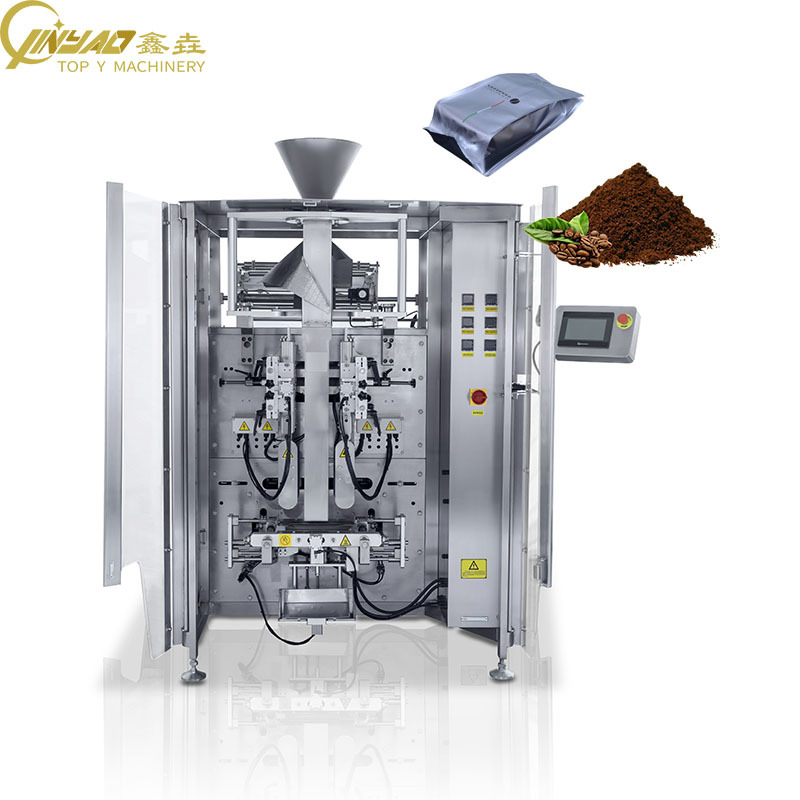
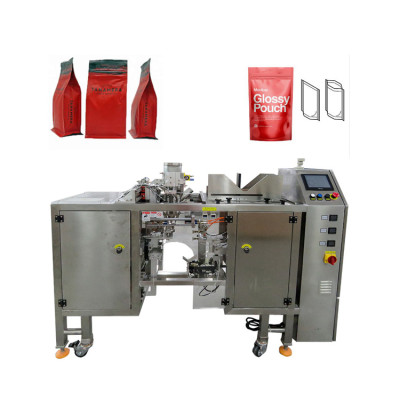
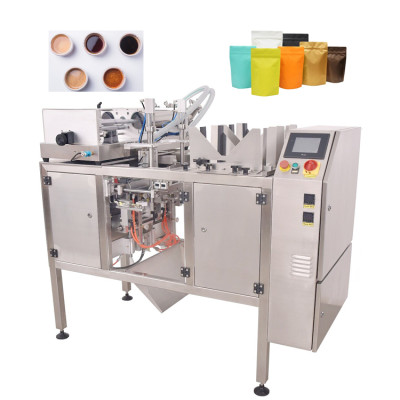
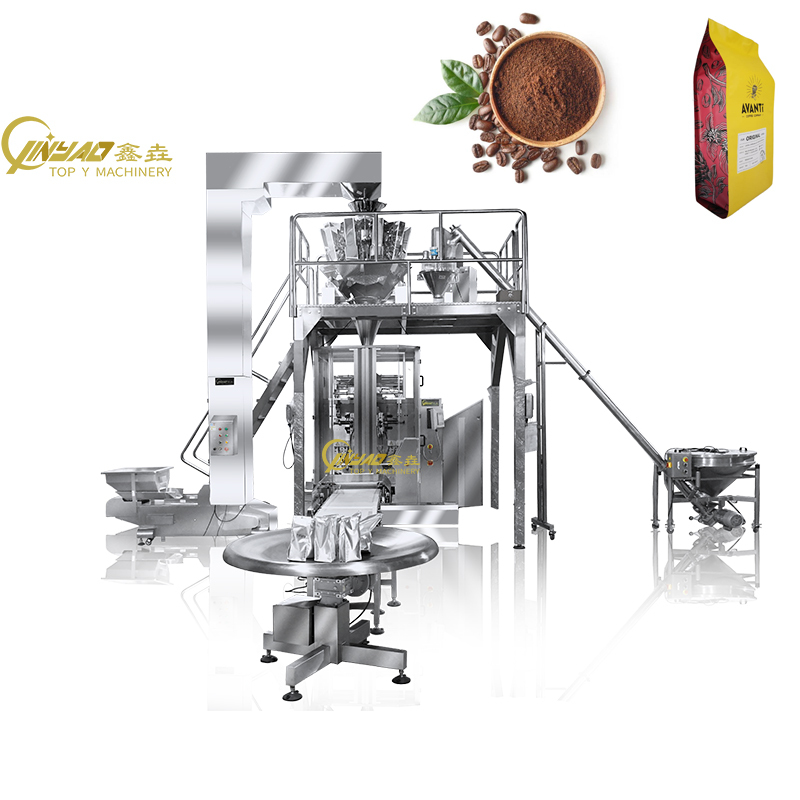
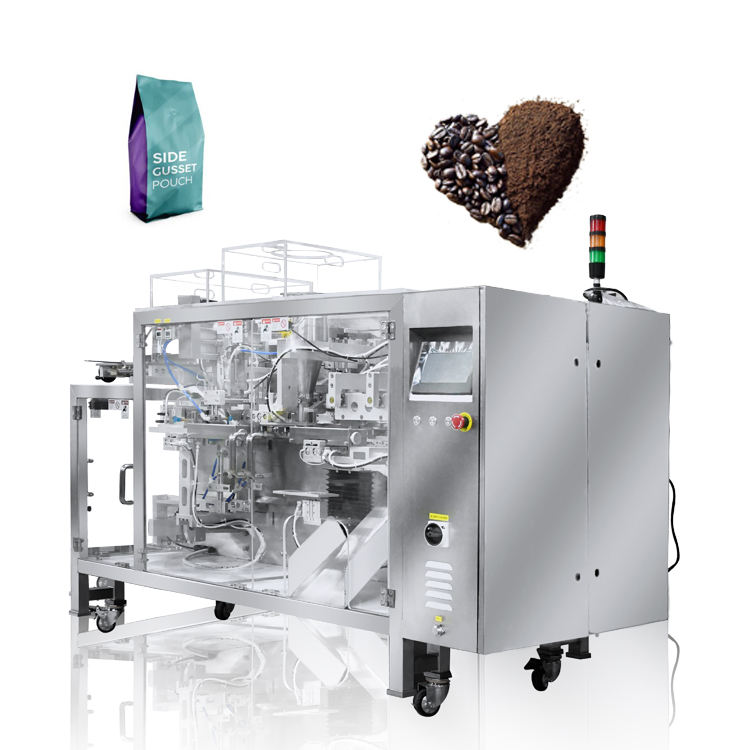
TOP Y MACHINERY covers both routes on one supplier list. The TOPY-VFFS roll-film packager handles MAP pillow and quad-seal bags with gas flush and integrates with vacuum-compatible films; the TOPY-MDPL pre-made bag machine runs side-gusset and doypack pouches with MAP gas flushing for premium retail formats. Both are supplied, tuned, and warranted together — film control, gas flush, sealing, and bag handling from one stop:
TOPY-VFFS Roll-Film Packager
Roll-film VFFS for pillow and quad-seal bags with gas-flush MAP capability, PLC recipe control, and flexible sealing for fresh and dry food packaging lines.
View product details →
TOPY-MDPL Side-Gusset Bag Machine
High-speed pre-made side-gusset and doypack bag packing with MAP gas flush — the format machine for premium stand-up pouches that keep fresh food looking untouched.
View product details →Frequently Asked Questions
What is the difference between vacuum and MAP packaging?
Vacuum removes air from the bag and seals it, leaving residual O2 below about 0.5%. MAP removes air and backfills a controlled gas mix — CO2, N2, and sometimes O2 — leaving 0.5–5% O2 on most foods. Vacuum preserves by oxygen starvation; MAP preserves with CO2's anti-microbial effect while keeping the product's shape and color.
Which preserves food longer: vacuum or MAP?
It depends on the food. For dense, dry foods (cheese, cured meat, nuts, dried goods), vacuum typically wins: 18–36 months versus 12–24 months on some items. For fresh, moist foods (poultry, fish, pasta, bakery), MAP usually wins because CO2 slows spoilage without crushing — for example fresh pasta lasts 30–60 days in MAP versus 15–30 days vacuumed.
Can one machine do both vacuum and MAP?
Yes, at the line level. A TOPY-VFFS roll-film packager runs MAP with a gas-flush unit and can use vacuum-compatible barrier films; external vacuum chambers or vacuum-packaging modules can be integrated in the same line. The TOPY-MDPL pre-made bag machine handles MAP pouches. Most producers run vacuum and MAP as two line configurations sharing one supplier.
How much does MAP gas cost per pack?
Roughly $0.02–0.08 per pack, depending on bag volume, gas mix, and local gas price. A 1L bag of N2/CO2 mix typically lands in the lower half of that range; large pouches with high CO2 content sit at the top. Compare that with $0 for vacuum gas — but the shelf-life gain usually pays back the $0.02–0.08 many times over in reduced spoilage.
What O2 level should I target for my product?
Target below 0.5% residual O2 for vacuum-packed dry goods. For MAP: 70–80% O2 for red meat color; 0.5–5% O2 for most fresh foods with CO2 at 20–40%; near-zero O2 with high N2 for coffee, nuts, and dried fruits. Verify with an O2 headspace analyzer on your actual film, product, and pack size.
Does vacuum packaging crush soft food?
Yes — vacuum compresses the product against the film, which is why fresh bread, cakes, chips, and soft produce route to MAP instead. If a soft product must be vacuum-packed, options include rigid trays, skin-pack formats, or low-vacuum settings that remove only part of the air.
Why choose TOP Y MACHINERY for vacuum and MAP packaging?
TOP Y MACHINERY supplies both technologies from one stop: TOPY-VFFS roll-film packagers with gas flush, TOPY-MDPL pre-made side-gusset bag machines, and integration with vacuum and gas-flush systems — with PLC recipe control, CE-approved SS304 construction, a 2-year warranty, overseas engineer support, and 10–15 day delivery.
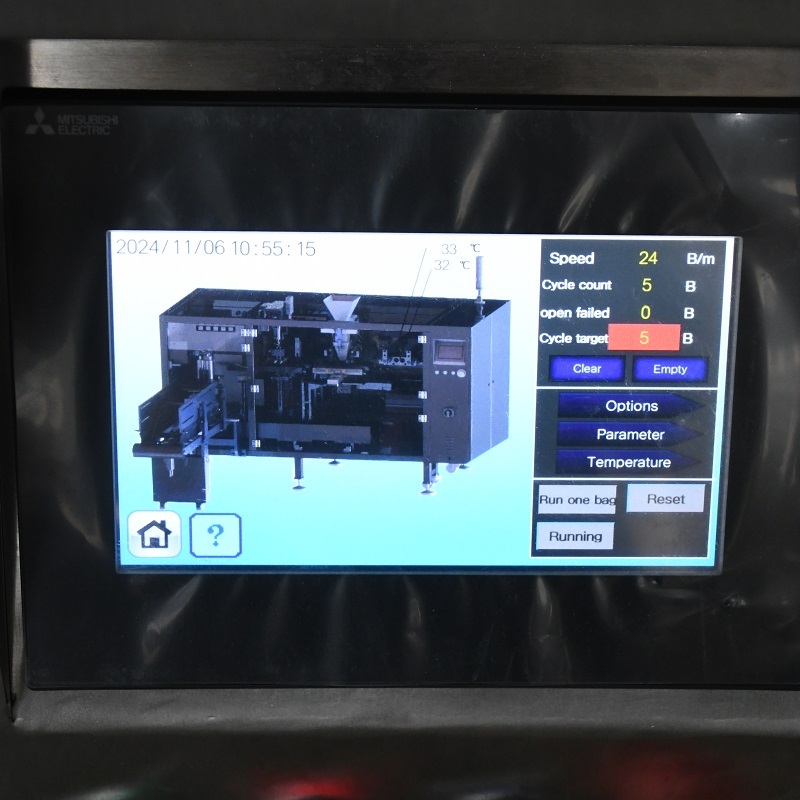
Vacuum and MAP Packaging from One Supplier
TOP Y MACHINERY supplies both sides of the vacuum vs MAP decision: TOPY-VFFS roll-film packagers with gas flush for MAP bags, and TOPY-MDPL pre-made side-gusset machines for doypack and stand-up pouches — with gas costs from $0.02–0.08 per pack and shelf-life gains of 2–5× versus air. Every line is configured to your food type, target O2, film, and pack format.
Ready to spec your vacuum or MAP line? Request a Packaging Line Quotation or compare the full packaging machine range for VFFS, pre-made bag, and gas-flush options.