The Doypack Filling Machine: A Complete Guide to Automated Packaging
As we journey through the modern packaging landscape, the doypack filling machine stands out as a revolutionary solution, transforming how products are brought to market. These remarkable machines efficiently fill and seal stand-up pouches, offering a blend of convenience, visual appeal, and sustainability that traditional packaging often lacks. We'll explore why the Doypack filling machine has become an indispensable asset for businesses aiming to optimize their packaging operations and enhance product presentation.
From liquids and powders to granules and solids, this equipment is engineered to handle a diverse range of products across various industries, including food, pharmaceuticals, and household goods. This guide will provide a comprehensive look into the functionality, types, and significant advantages of integrating a doypack filling and sealing machine into your production line.
Understanding the Doypack Filling Machine: What It Is and How It Works
Embarking on the journey of automated packaging requires a foundational understanding of the core technology. The Doypack filling machine, a cornerstone of modern production lines, is more than just a piece of equipment; it's a comprehensive system designed for precision, speed, and reliability. Let's break down what it is and the intricate process it follows to take an empty pouch and turn it into a shelf-ready product.
What is a Doypack Filling Machine?
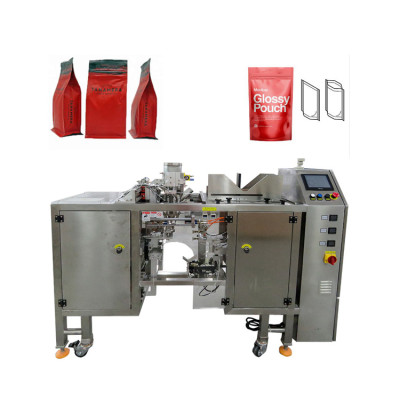
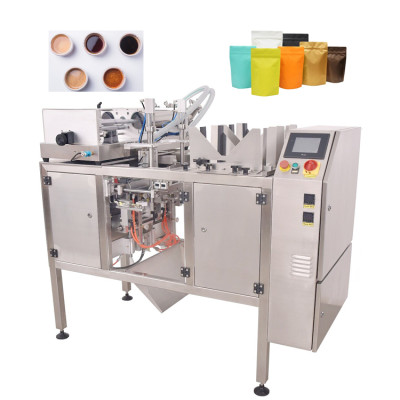
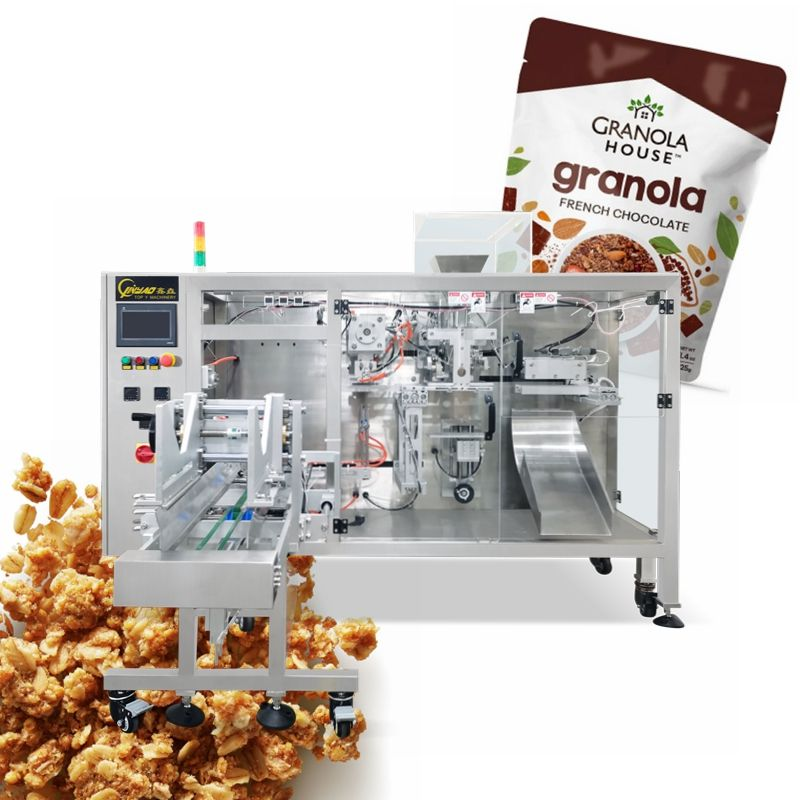
A Doypack filling machine is a specialized piece of automated packaging equipment designed to fill products into pre-made stand-up pouches, also known as Doypacks, and then seal them. These machines have fundamentally improved the packaging process, offering a highly efficient method for handling large quantities in a short amount of time. Their application is vast, spanning industries like food and beverage, pharmaceuticals, personal care, and chemicals. They can handle a wide array of products, including liquids, powders, granules, and solid items, by integrating with different types of filling systems.
The core function is to automate what was once a labor-intensive process, thereby increasing production speed, ensuring consistent quality, and reducing operational costs. Modern machines are often controlled by sophisticated PLC (Programmable Logic Controller) systems, which allow for high accuracy and a wide range of adjustments via a user-friendly touch screen. This technological integration allows businesses to program specific parameters like filling volume, pouch size, and sealing temperature, contributing to smoother operations and minimizing human error.
The Automated Process of a Doypack Filling Machine
The magic of a Doypack sealing machine lies in its systematic, multi-station process. While designs can vary (notably between rotary and inline layouts), the fundamental steps are consistent. A rotary configuration, which moves pouches in a circular path, is particularly popular due to its efficient use of floor space and ergonomic design.
Here’s a step-by-step breakdown of how a typical automated Doypack filling machine operates:
H4: Pouch Loading and Opening
- Pouch Loading: The process begins with an operator manually loading a stack of pre-formed pouches into the machine's bag magazine. From there, a feeding roller or conveyor system transports the pouches one by one into the gripping area.
- Pouch Gripping: A set of grippers, which will hold the pouch securely throughout its journey, grabs a single pouch. A proximity sensor confirms that a pouch has been picked up before transferring it to the first station.
- Pouch Opening: This is a critical step. For pouches with a zipper, a vacuum suction pad typically grips the lower part of the pouch while mechanical opening jaws grab the top side. The jaws then separate to open the bag. Simultaneously, an air blower inflates the pouch to ensure it is fully open and ready for filling. Sensors are used to detect if the bag has been opened correctly; if not, the filling station will be bypassed to prevent spillage and waste.
H4: Precision Filling Mechanisms
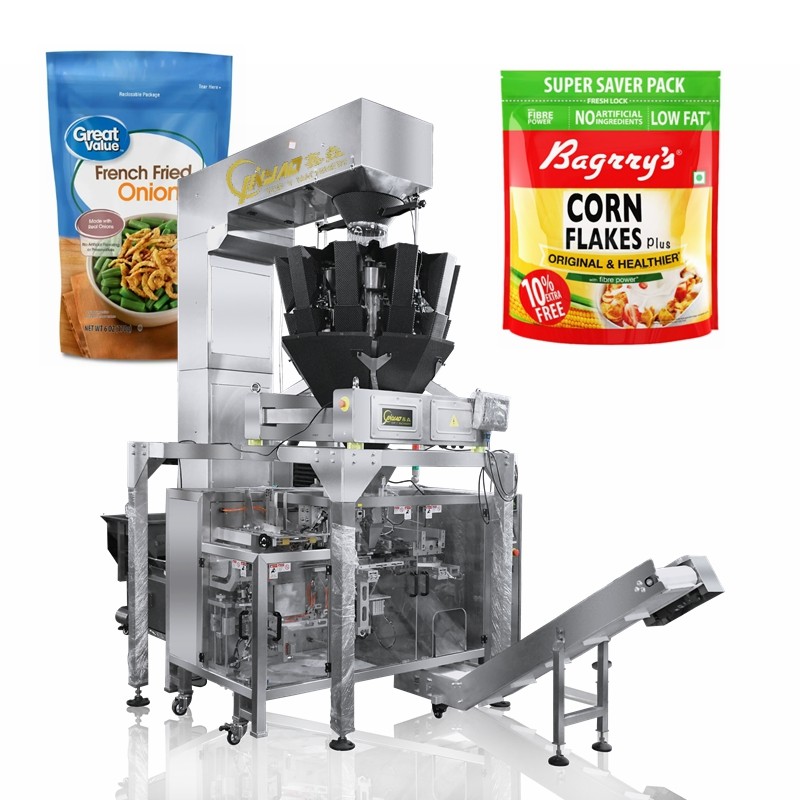
- Product Dosing: Before filling, the product must be accurately measured. This is handled by a separate dosing system that is integrated with the Doypack machine. The type of filler used depends entirely on the product's characteristics.
- For powders and fine granules (e.g., coffee, spices, flour): An auger filler is used, which dispenses a precise volume of product via a rotating screw.
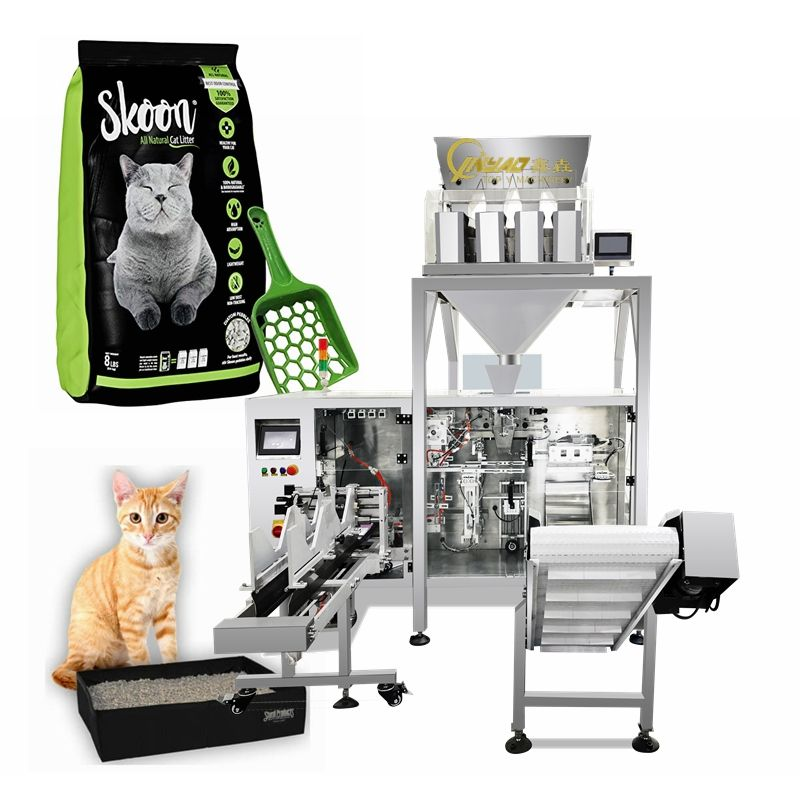
- For solids and irregular items (e.g., nuts, snacks, pet food): A multi-head weigher is the standard. This system uses a series of weighing buckets to combine portions to reach a target weight with extreme accuracy.
- For liquids and pastes (e.g., sauces, juices, lotions): A liquid or piston filler pumps a pre-determined volume of the product into the pouch through a nozzle.
- Filling: The measured product is dispensed from the filler, down a funnel, and into the waiting open pouch. To ensure a clean process, especially with powders, some machines incorporate dust collection systems at this station. For liquid products, nozzles may descend into the pouch to prevent splashing.
- Product Settling (Optional): For bulky or light products, the pouch might be gently shaken or vibrated at this station. This helps the product settle at the bottom, ensuring that it doesn't interfere with the sealing area and allows for a more compact final package.
H4: Sealing and Finishing Touches
- Top Cleaning and Deflation: Before the final seal, a device may clean the inner seal area of any product residue. Following this, deflator plates gently squeeze the pouch to remove any excess air. For products that require an extended shelf life, a gas flush system may be used at this stage to displace oxygen with an inert gas like nitrogen.
- Heat Sealing: The pouch then moves to the sealing station. A pair of heated seal bars clamps down on the top edge of the pouch. The combination of heat, pressure, and time fuses the sealant layers of the pouch material together, creating a strong, hermetic seal. This process is often done in two stages to ensure a perfect, leak-proof seam.
- Cooling and Discharge: Immediately after sealing, a cooling bar may press against the hot seal to strengthen it and give it a flat, clean appearance. The finished pouch is then released from the grippers and discharged from the machine onto a conveyor belt. From there, it can be transported to downstream equipment like checkweighers, X-ray inspection systems, or case packers for final boxing.
This entire automated sequence ensures that each pouch is filled accurately and sealed securely at speeds that can reach up to 200 bags per minute, a feat impossible to achieve with manual labor.
Exploring Types of Doypack Filling Machines
Doypack filling machines are not a one-size-fits-all solution. They come in several distinct configurations, each engineered to meet different production demands, product types, and operational layouts. Understanding the primary classifications—rotary, horizontal, and the fundamental difference between using pre-made pouches versus forming them in-line—is crucial for selecting the right machinery for your business.
Rotary Doypack Filling Machines
Rotary Doypack filling machines are defined by their circular design, where pouches are moved between stations on a rotating carousel. These machines are celebrated for their high speed and efficiency, making them an ideal choice for large-scale production runs.
How They Work: In a rotary system, pouches are gripped and transferred to a series of workstations arranged in a circle. Each station performs a specific task—pouch opening, filling, sealing, cooling—as the carousel makes its intermittent rotations. This continuous, multi-station process allows for multiple pouches to be in different stages of the packaging cycle simultaneously, which is the key to their high throughput.
Key Advantages:
- High Speed: By design, rotary machines can achieve very high production speeds, often packaging up to 50-60 bags per minute on a single lane, and even higher on duplex (dual-lane) models.
- Space Efficiency: Compared to linear models of similar output, the circular layout of a rotary machine typically has a smaller footprint, which is a significant advantage in plants with limited floor space.
- High Automation: These machines often come with advanced features like automatic checking systems that detect bag presence, opening errors, and filling mistakes, reducing waste and the need for constant human oversight.
Best For: Businesses with high-volume production needs, established product lines with long runs, and a focus on maximizing output per square foot. They handle a wide variety of products, from liquids and powders to granular solids.
Horizontal Doypack Filling Machines
Unlike rotary machines, horizontal Doypack filling machines operate on a linear path, moving pouches horizontally through the packaging process. These machines are prized for their versatility and ability to handle a wide range of pouch sizes and styles, including those that might be challenging for rotary systems.
How They Work: Pouches travel in a straight line from one end of the machine to the other. They are picked, opened, filled, and sealed at sequential stations along this conveyor path. The horizontal orientation is particularly advantageous for filling specific types of products, like solids or liquids, as it can minimize the risk of spillage and ensure a clean seal.
Key Advantages:
- Versatility: Horizontal machines are exceptionally adaptable. They can handle a vast array of products, including solids, liquids, powders, and pastes, and are often easier to adjust for different pouch shapes and sizes.
- Flexibility for Delicate Products: The horizontal filling process can be gentler, which is ideal for fragile items like biscuits or products that need to be carefully placed rather than dropped into a pouch.
- Accessibility: The linear layout often provides easier access to machine components for cleaning, maintenance, and changeovers.
Best For: Companies that package a diverse range of products, require frequent changeovers between different pouch sizes, or deal with delicate, solid, or viscous products. They are a go-to solution in the food, pharmaceutical, and cosmetics industries.
Pre-Made Pouch vs. Form-Fill-Seal (FFS) Doypack Filling Machines
Perhaps the most fundamental distinction in pouch packaging is the starting material: do you use pouches that are already made, or do you create the pouches from a roll of film just before filling?
Pre-Made Pouch Filling Machines: These are the machines we've primarily discussed (both rotary and horizontal). They are designed to work with pouches that have been manufactured and pre-formed by a separate supplier.
- Process: The machine's job is to pick, open, fill, and seal these pre-existing bags.
- Pros:
- Superior Aesthetics: Pre-made pouches generally offer the highest quality appearance, with perfect shaping, crisp graphics, and flawless features like zippers and spouts. This is critical for premium brands.
- High Flexibility: They are ideal for runs with many different SKUs, as changing between pouch sizes is relatively quick and easy.
- Reduced Waste: "No bag, no fill" logic prevents product spillage if a bag is not correctly opened, minimizing product and material waste during operation.
- Cons:
- Higher Material Cost: Pre-made pouches cost more per unit than the equivalent amount of rollstock film because the conversion process is done externally.
- Warehousing Needs: You must store inventory of physical pouches, which takes up more space than compact rolls of film.
Form-Fill-Seal (FFS) Machines: FFS machines create the pouch from a continuous roll of flexible film, fill it with product, and seal it, all within a single machine. They can be either vertical (VFFS) or horizontal (HFFS). An HFFS machine is required to create a true Doypack with a stand-up gusset bottom.
- Process: The machine unwinds film, forms it into a pouch shape, seals the sides, fills the product from above (VFFS) or the side (HFFS), and then completes the final seal and cuts the pouch free.
- Pros:
- Lower Material Cost: Buying film in bulk rolls is significantly cheaper, reducing the cost per package by 30-50% in some cases.
- High Speed for Simple Bags: For basic pouch styles, FFS machines can achieve extremely high speeds, sometimes exceeding 100 bags per minute.
- Less Storage Space: Rolls of film are much more compact to store than boxes of pre-made pouches.
- Cons:
- Higher Initial Cost & Complexity: HFFS machines, in particular, are often more expensive and mechanically complex than pre-made pouch fillers.
- Higher Scrap Rate: Waste can be generated during setup, film changes, and alignment adjustments.
- Lower Quality Pouches: While quality from high-end HFFS machines is very good, it can be challenging to achieve the same perfect finish as a specialized pouch converter, especially for complex shapes or features.
Comparison Table: Pre-Made Pouch vs. FFS
| Feature | Pre-Made Pouch Machine | Form-Fill-Seal (FFS) Machine |
|---|---|---|
| Pouch Quality & Aesthetics | Highest quality, ideal for premium branding. | Good to very good; can be harder to achieve perfection. |
| Material Cost (per unit) | Higher. | Lower; uses economical rollstock. |
| Equipment Cost (Initial) | Lower to moderate. | Varies; HFFS for Doypacks can be very high. |
| Flexibility & Changeover | Excellent; ideal for high-mix, low-volume runs. | Less flexible; better for long, stable runs. |
| Production Speed | Good to very high (with duplex models). | Very high, especially for simple bag types. |
| Operational Waste | Very low ("no bag, no fill"). | Higher, due to setup and calibration scrap. |
| Best For | Premium products, co-packers, frequent SKU changes. | High-volume commodities, cost-sensitive products. |
Ultimately, the choice between these machine types depends on a careful evaluation of your production volume, product portfolio, branding requirements, and long-term business strategy.
Key Benefits of Using a Doypack Filling Machine
Integrating a Doypack filling machine into a production line is more than an upgrade; it's a strategic investment that yields substantial returns across efficiency, cost, and brand perception. The shift from manual or semi-automated methods to a fully automated Doypack system unlocks a host of benefits that are critical for competitiveness in today's market.
Enhanced Efficiency and Productivity with a Doypack Filling Machine
The most immediate and impactful benefit of a Doypack filling machine is the dramatic C. By automating the entire process—from pouch pickup and opening to filling, sealing, and discharge—these machines operate at speeds and levels of consistency that are simply unattainable through manual labor.
- High-Speed Operation: Fully automatic Doypack machines can fill and seal pouches at remarkable rates, with some models capable of processing hundreds of units per minute. This high throughput allows businesses to meet growing consumer demand, reduce lead times, and scale production without a proportional increase in labor.
- Continuous, Uninterrupted Workflow: The automated process ensures a steady, continuous flow of production. This eliminates the bottlenecks and inconsistencies associated with manual packaging, leading to a more predictable and reliable output. Many modern machines are built for 24/7 operation, maximizing production capacity.
- Reduced Labor Costs: Automation significantly reduces the need for manual intervention. A single operator can often oversee the entire process, re-stocking pouches and monitoring the system, freeing up valuable human resources to be allocated to other essential business operations.
Cost Savings and Reduced Waste Through Doypack Filling Machines
Beyond labor, the precision and design of Doypack machines lead to significant cost savings in materials and product.
- Minimized Product Waste: Doypack machines are equipped with highly accurate filling systems, such as auger fillers for powders or piston fillers for liquids, which dispense the precise amount of product into each pouch. This precision minimizes overfill and product giveaway, which can add up to substantial savings over time. Furthermore, intelligent sensors that prevent filling or sealing if a pouch is not positioned correctly drastically reduce spillage and wasted product.
- Reduced Packaging Material Waste: Compared to rigid containers like glass jars or metal cans, Doypack pouches use significantly less material—sometimes up to 60% less. This not only lowers the base cost of packaging materials but also reduces the environmental footprint. The machines' "no bag, no fill" functionality also ensures that packaging material isn't wasted on failed fills.
- Lower Shipping and Storage Costs: The lightweight and flexible nature of Doypacks translates directly into lower transportation and warehousing expenses. They take up less space than their rigid counterparts, both when empty and when filled, allowing for more efficient logistics and storage.
Superior Product Presentation and Integrity with a Doypack Filling Machine
In a crowded retail environment, packaging is the first interaction a customer has with a product. Doypack machines excel at producing packaging that is both visually appealing and highly functional.
- Enhanced Shelf Appeal: Doypacks have a premium look and feel. Their ability to stand upright provides an excellent "billboard" on the shelf, maximizing brand visibility. The large, smooth front and back panels are perfect for high-impact graphics and clear product information, which can make a product stand out from the competition. A well-designed pouch can increase the perceived value of a product by up to 30%.
- Improved Product Freshness and Shelf Life: The robust, airtight seals created by Doypack machines are crucial for protecting the product from external contaminants like moisture, oxygen, and light. Many machines can also incorporate Modified Atmosphere Packaging (MAP) options, such as nitrogen flushing, which displaces oxygen to significantly extend the shelf life of food products, preserving their taste, aroma, and quality.
- Consumer Convenience: Doypack packaging is popular with consumers for its convenience. Features like press-to-close zippers, spouts for easy pouring of liquids, and tear notches for easy opening enhance the user experience and can foster brand loyalty.
Versatility and Customization Options for Your Doypack Filling Machine
Modern Doypack filling machines are engineered for flexibility, allowing businesses to adapt to changing market demands and product innovations.
- Wide Range of Product Compatibility: These machines are incredibly versatile and can be configured to handle almost any type of product, including powders, granules, liquids, pastes, and solids. By simply changing the integrated dosing system, the same machine can be used for packaging coffee grounds one day and liquid detergent the next.
- Adaptability to Pouch Types and Sizes: Doypack machines can be adjusted to handle a wide variety of pouch sizes, materials, and styles. This includes flat pouches, stand-up pouches, and pouches with special features like zippers, spouts, or irregular shapes. This adaptability is invaluable for companies that need to package multiple SKUs or plan to launch new products in the future.
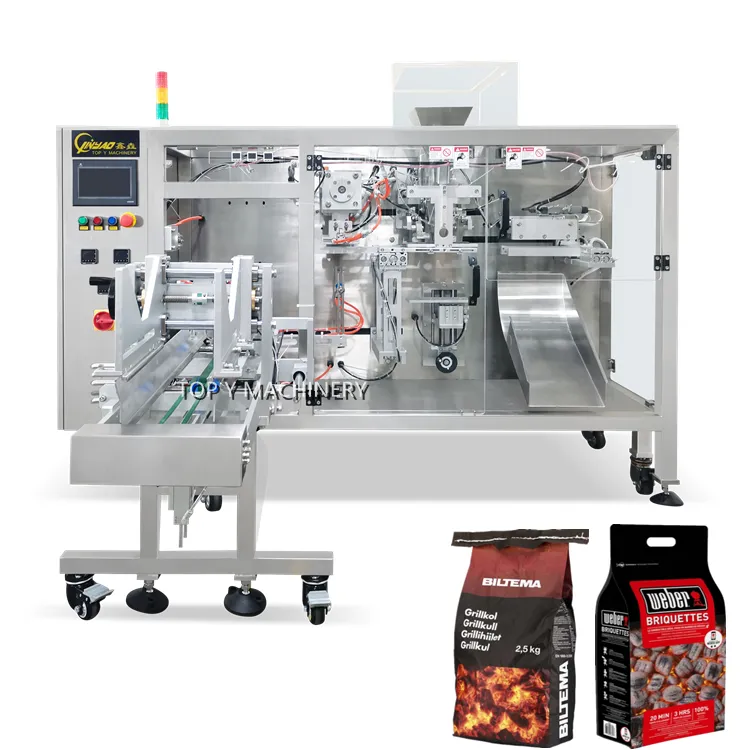
- Integration and Upgradability: They are designed to be easily integrated into a complete packaging line with upstream and downstream equipment, such as multi-head weighers, printers, labelers, checkweighers, and case packers. Reputable manufacturers, such as TOP Y MACHINERY, design equipment that allows businesses to start with a basic setup and add capabilities as their production needs grow.
By leveraging these key benefits, businesses can transform their packaging operations from a cost center into a strategic asset that drives efficiency, reduces expenses, and builds a stronger brand.
Applications and Considerations for Your Doypack Filling Machine
The versatility of the Doypack filling machine has made it a cornerstone technology across a multitude of industries. Its ability to handle diverse products and deliver high-quality, convenient packaging makes it a valuable asset. However, leveraging this technology effectively requires a thorough understanding of its applications and a strategic approach to selecting the right machine for your specific needs.
Widespread Industry Applications for the Doypack Filling Machine
Doypack filling and sealing machines are not confined to a single market; their adaptability has led to widespread adoption in various sectors, each with unique requirements.
Food and Beverage: This is perhaps the largest user of Doypack machines. The applications are vast and varied, including:
- Dry Goods: Coffee (beans and ground), nuts, snacks, granola, dried fruits, candy, and pet food.
- Powders: Spices, flour, protein powder, milk powder, and other seasoning mixes are efficiently packaged.
- Liquids & Sauces: Juices, energy drinks, soups, ketchup, mayonnaise, salad dressings, and baby food are ideal for spouted pouches.
- Fresh and Frozen Foods: The durable, sealed pouches are excellent for packaging fresh produce, ready-to-eat meals, and frozen foods like vegetables and seafood, often utilizing MAP to extend shelf life.
Pharmaceuticals: The pharmaceutical industry relies on Doypack machines for packaging powders, granules, and even single-dose liquid medications. The precision, hygiene, and secure sealing are critical for ensuring product integrity, accurate dosing, and compliance with strict regulatory standards.
Cosmetics and Personal Care: In this sector, presentation is paramount. Doypack machines are used for products like shampoos, conditioners, lotions, shower gels, and face masks. The sleek appearance of the pouches elevates brand perception, and features like spouts enhance user convenience.
Household and Chemicals: Doypack machines also package non-food items such as laundry detergent, fabric softener, cleaning agents, and powdered chemicals. The strong, leak-proof pouches provide a safe and efficient storage solution for these products.
Choosing the Right Doypack Filling Machine for Your Needs
Selecting the optimal Doypack filling machine is a critical investment decision. It requires a careful analysis of your production goals, product characteristics, and budget. Here are the essential factors to consider:
Product Type and Consistency: The nature of your product is the most important factor as it dictates the required filling technology.
- Powders (e.g., flour, spices): Require an auger filler.
- Granules & Solids (e.g., nuts, pet food): Need a multi-head weigher for accuracy.
- Liquids (e.g., juice, detergent): Use a piston, pump, or gravity filler.
- Pastes & Viscous Liquids (e.g., honey, ketchup): Are best handled by a piston or pump filler. Matching the filler to your product is crucial for accuracy, speed, and minimizing waste.
Pouch Specifications: Your choice of pouch will narrow down the machine options.
- Pouch Size and Volume: Ensure the machine can handle your complete range of pouch dimensions. Some machines offer quick, handle-based adjustments for different sizes.
- Pouch Features: Does your pouch have a zipper, spout, tear notch, or hang hole? The machine must have the corresponding modules to handle these features (e.g., a zipper opening device).
- Pouch Material: Confirm the machine can effectively seal your chosen material, whether it be laminated plastic, aluminum foil, or kraft paper composites.
Production Scale and Speed: Your output requirements will determine the necessary level of automation.
- Small-Scale or Startups: A semi-automatic or a compact, entry-level fully automatic machine might be sufficient. These are more affordable and ideal for businesses with lower volume or those who need to frequently change products.
- Medium to Large-Scale Operations: A high-speed rotary or linear automatic machine is necessary to meet high production demands. Evaluating the machine's speed (pouches per minute) against your production targets is essential.
Footprint and Layout: Consider the physical space in your facility. Rotary machines are often more compact for their output, while linear machines require more floor length. You must ensure the machine fits into your existing or planned production line layout.
Budget and Total Cost of Ownership (TCO): Your budget goes beyond the initial purchase price. Consider the TCO, which includes:
- Upfront Cost: The price of the machine itself.
- Operating Costs: Energy consumption, labor, and maintenance.
- Long-Term Costs: Availability and cost of spare parts and potential downtime. A cheaper machine with frequent breakdowns can be more expensive in the long run.
Supplier Reputation and Support: Partner with a reputable manufacturer.
- Experience: Look for suppliers with a proven track record in your industry.
- Support: Does the supplier offer installation, operator training, and responsive technical support?
- Customization: Can they customize the machine to your specific needs?
By carefully evaluating these factors—product, pouch, production volume, space, budget, and supplier—you can confidently select a doypack filling machine that not only meets your current needs but also supports your business's future growth.
Key Takeaways
This guide provides a comprehensive overview of the Doypack filling machine, a cornerstone of modern automated packaging. Here are the essential points to remember:
- Fundamental Function: A Doypack filling machine automates the process of filling products into stand-up pouches and sealing them, significantly boosting efficiency, consistency, and product presentation.
- The Automated Process: The machine operates through a series of precise steps: pouch loading and gripping, opening (often with air blowers and vacuum pads), precision filling (using fillers specific to the product type), and finally, secure sealing (using heat and pressure) and discharging the finished product.
- Key Machine Types:
- Rotary Machines: Use a circular layout for high-speed, high-volume production with a compact footprint.
- Horizontal Machines: Use a linear layout, offering great versatility for various product types and easier changeovers.
- Pre-made vs. FFS: The primary decision is whether to use pre-made pouches for superior quality and flexibility or a Form-Fill-Seal (FFS) machine that creates pouches from rollstock for lower material costs at high volumes.
- Major Benefits:
- Efficiency: Drastically increases production speed and reduces labor costs.
- Cost Savings: Minimizes product and material waste through precision filling and uses lightweight, space-saving pouches.
- Superior Presentation: Creates professional, shelf-ready packaging with strong seals that extend product life and enhance brand appeal.
- Versatility: Adaptable to a wide range of products (liquids, solids, powders), pouch sizes, and features like zippers or spouts.
- Industry Applications: Doypack machines are indispensable in the food and beverage, pharmaceutical, cosmetics, and household chemical industries due to their adaptability and hygienic processing.
- Choosing the Right Machine: The selection process is a strategic decision that must be based on a thorough analysis of:
- Product Consistency: Determines the type of filler needed (auger, weigher, pump).
- Pouch Specifications: Size, material, and special features like zippers.
- Production Volume: Dictates the choice between semi-automatic, low-speed, or high-speed automatic systems.
- Budget and TCO: Includes initial price, operating costs, and maintenance.
- Supplier Reliability: Look for experienced manufacturers like TOP Y MACHINERY who offer robust support and customization.
Investing in the right Doypack filling machine is an investment in your brand's future, enabling you to package your products efficiently, safely, and attractively in a competitive marketplace.
Frequently Asked Questions (FAQ)
1. What types of products are not suitable for a Doypack filling machine?
While incredibly versatile, there are some limitations. Very large, irregularly shaped solid products that cannot fit through the pouch opening or filling funnel would be unsuitable. Similarly, highly reactive or corrosive chemicals might require specialized materials for all contact parts beyond standard stainless steel. It is always best to consult with a machine manufacturer and conduct product tests.
2. How much does a Doypack filling machine cost?
The cost varies dramatically based on several factors. A simple, semi-automatic machine for a startup could be in the range of $8,000 - $15,000. A fully automatic, entry-level linear machine might range from $30,000 to $70,000. High-speed, complex rotary machines with multiple features can easily exceed $100,000 and reach $250,000 or more, especially when integrated with high-end weighers or other upstream/downstream equipment.
3. How difficult is it to operate and maintain a Doypack filling machine?
Modern Doypack machines are designed with user-friendliness in mind, often featuring intuitive touchscreen PLC controls. An operator can typically be trained to manage daily operations, including startups, shutdowns, and pouch replenishment, within a few days. Maintenance involves regular cleaning (especially of the filling system), inspection and replacement of wear parts like gripper pads and seal bars, and periodic lubrication. Most manufacturers provide a recommended maintenance schedule. While daily maintenance is straightforward, more complex mechanical or electrical issues may require a trained technician.
4. Can one machine handle multiple pouch sizes?
Yes, most modern Doypack filling machines are designed for flexibility. Adjusting for different pouch widths is often automated or done via a simple hand crank, and changing pouch length is a matter of adjusting parameters on the control screen. However, significant size changes might require swapping out the pouch grippers or other format parts. The time required for a changeover can range from 15 minutes to over an hour, depending on the machine's design and the complexity of the change.
5. What is the difference between a Doypack filling machine and a sachet machine?
The primary difference is the type of packaging they produce. A Doypack machine is specifically for creating stand-up pouches with a bottom gusset. A sachet machine, on the other hand, produces small, flat, four-sided or three-sided sealed packets, commonly used for single-servings of sugar, ketchup, or shampoo. While both are types of form-fill-seal or fill-seal machinery, they are engineered for very different final package formats.
6. How does nitrogen flushing work on a Doypack machine?
Nitrogen flushing is a form of Modified Atmosphere Packaging (MAP) used to extend shelf life. At a station just before sealing, a nozzle injects a puff of inert nitrogen gas into the filled pouch. This displaces the oxygen inside the bag. The pouch is then immediately sealed, trapping the nitrogen atmosphere within. By removing oxygen, this process slows down oxidation and the growth of aerobic microorganisms, preserving the product's flavor, color, and freshness for a longer period.
7. Is it better to buy a pre-made pouch machine or an FFS machine?
This is a critical strategic decision.
- Choose a pre-made pouch machine if: Your priority is premium pouch appearance, you have many different products or pouch designs (high-mix, low-volume), you cannot tolerate waste of expensive product, and you have limited technical staff.
- Choose a Form-Fill-Seal (FFS) machine if: Your primary goal is the lowest possible cost per bag, you have long production runs of the same product (high-volume, low-mix), and you have the capital for a higher initial investment and skilled operators to manage its complexity.
In conclusion, the doypack filling machine represents a pivotal advancement in automated packaging, offering unparalleled benefits in terms of efficiency, cost-effectiveness, and product appeal. Its versatility allows it to cater to a vast array of products and industries, making it a valuable investment for businesses of all sizes.
As we've seen, whether you're a small to medium-sized enterprise or a large-scale operation, a doypack filling machine can streamline your packaging process, reduce waste, and ultimately enhance your brand's presence in a competitive market. By embracing this innovative technology, you can ensure your products are not only packaged efficiently but also presented in a way that truly captures consumer attention. We encourage you to share this guide with colleagues who may find it useful and to explore how automated pouch packaging can elevate your business.