How to Package Coffee with Degassing Valves: Machine Guide for Roasters
Short answer: Package fresh-roasted coffee in one-way valve bags — bags fitted with a small degassing valve that lets carbon dioxide (CO₂) escape while blocking oxygen from entering. Roasters do this by either (1) resting beans 4–24 hours after roasting, then sealing them in valve bags, or (2) packing immediately after cooling and letting the valve vent pressure during the first days. On a production scale, a packaging machine with an inline valve applicator heat-seals the valve onto the film automatically, then fills and seals the bag. The result: no swollen or bursting bags, and whole-bean shelf life extending from about 3 weeks in a non-valve bag to up to 12 months in a properly flushed valve bag. This guide explains the CO₂ degassing science every roaster should know, how one-way valves work, valve vs. non-valve bag comparison, and exactly which machine features — including TOP Y MACHINERY's 20 years of packaging experience and valve applicator integration — make a degassing valve line run smoothly. Roasting traps carbon dioxide inside the bean. During roasting, the bean's cellular structure expands and locks in up to 10–12 times its own volume of CO₂ — roughly 1.5–2.5 liters of gas for every 250 g batch. After roasting, that gas slowly releases in a process called degassing (or outgassing): Measured impact (EEAT-referenced): Industry testing consistently shows that whole-bean coffee in a foil-lined, nitrogen-flushed valve bag retains cupping quality for 12 months, while the same coffee in a non-valve bag degrades noticeably within 3 weeks. For ground coffee — which outgasses faster and oxidizes faster — valve bags with nitrogen flush extend acceptable freshness from roughly 3–4 weeks to 6–9 months. This is the difference between a product that survives ocean freight and retail shelf life, and one that does not. A degassing valve is a small plastic or woven membrane insert. Inside, a silicone disc or diaphragm acts as a one-way gate: when internal pressure exceeds the valve's opening threshold, CO₂ pushes the membrane open and escapes; when pressure drops, the membrane reseals against outside air. If you buy pre-made valve bags from a film supplier, the valve is already applied — your machine just fills and seals. If you buy plain film, an inline valve applicator on your packaging machine applies the valve during production, which is more economical at scale and gives you control over valve placement per bag format. Not every coffee needs a valve. The decision depends on roast level, grind size, packaging format, and how long the coffee must stay fresh. This comparison summarizes the practical trade-offs: Practical rule: If your coffee travels, sits on a shelf, or is sold as a branded retail product, use valve bags. If you sell directly to cafés that consume within days, non-valve bags and a proper resting protocol save cost without hurting quality. On an automated line, the valve is handled in one of two ways. The machine-side option — an inline valve applicator — is the workflow most roasters scale up to. TOP Y MACHINERY has integrated degassing valve applicators into coffee packaging lines for over 20 years, and the setup follows a repeatable sequence: Two machine platforms cover most roaster needs. The TOPY-MDPL horizontal packing machine runs premade zipper pouch bags — ideal for retail stand-up pouches where the valve is supplied by the bag maker or applied by an inline applicator. The TOPY VFFS machine with quad-seal capability forms bags from rollstock film on one line, giving roasters full control of film, valve, and nitrogen flushing at the highest throughput. Both integrate valve applicators, nitrogen flush, checkweighing, and metal detection. A complete production run, from roasted batch to sealed pallet, follows these seven steps: Confirm roast level and grind. Darker roasts and fine grinds outgas faster and may need a short rest even with valves. Load the laminate, check the valve magazine, and verify applicator position matches the bag layout. Set fill weight on the weigher or auger filler; verify ±2 g accuracy on the checkweigher. Fill beans, inject nitrogen for ground coffee, and index to the sealing station. Seal at tuned temperature/pressure. Verify the valve is outside the seal zone on first samples. Spot-test valve function and seal strength; check for leakers on a water-bath or vacuum tester. Store bags flat (not stacked on the valve side) so pressure distributes evenly and valves stay clean. Within 24–48 hours of sealing, bags should be flat — the valve has vented the peak CO₂. If bags remain puffed, check valve function and reverse leakage first. Yes for any coffee that will sit on a shelf, ship, or be sold retail. Fresh roasted coffee releases up to 12 times its volume in CO₂; without a valve the bag balloons or bursts, and fully degassing before sealing exposes the coffee to oxygen that stales it within weeks. A one-way valve solves both problems at a material cost of roughly $0.02–0.06 per bag. Whole-bean coffee in a foil-lined valve bag with nitrogen flush holds cupping quality for up to 12 months. Ground coffee typically reaches 6–9 months with flush. Without a valve, expect noticeable staling after about 3 weeks for whole beans opened to air, or within 3–4 weeks for ground coffee. Yes. The valve vents the peak CO₂ release during the first 1–3 days, keeping bags flat. Just cool the beans to 30–40°C before filling so the heat does not distort the film or the valve. Many roasters still prefer a 4–24 hour bulk rest for even outgassing, but it is no longer mandatory with a valve. The applicator indexes plain rollstock film, picks a patch valve from a magazine, positions it clear of the seal lanes, and heat-seals it onto the film before the film enters the bag-forming section. It runs at line speed, which means valve application no longer adds a separate manual step. Premade zipper pouches and stand-up pouches accept patch valves from the bag supplier, and VFFS machines can form pillow, gusseted, or quad-seal bags from valve-applied rollstock. TOP Y MACHINERY covers both routes — the TOPY-MDPL premade pouch machine and the TOPY VFFS quad-seal platform. Yes. With 20 years of experience in coffee and food packaging, TOP Y MACHINERY integrates inline valve applicators, nitrogen flushing, checkweighing, and metal detection into coffee bean and powder lines — and the engineering team specifies valve placement and sealing parameters for your film laminate. The decision comes down to three questions: which bag format your retail strategy demands, whether you pack beans or ground coffee (nitrogen flush), and whether you want the valve supplied on the bag or applied inline on your own line. TOP Y MACHINERY builds both routes — premade pouch machines and VFFS quad-seal machines with valve applicator integration — backed by two decades of coffee packaging experience. Premade pouch packing for coffee beans with zipper options. PLC touchscreen control, integrates valve-applied pouches, nitrogen flush, and downstream checkweighing. Rollstock-fed VFFS for coffee beans and powder with quad-seal and gusset options. Configurable with inline valve applicator and nitrogen flushing for degassing valve packaging. Talk through your roast volume, bag size, and target shelf life with a TOP Y engineer, and the line will be configured with the correct valve applicator, flush ratio, and QC stations. Browse the cofee packaging machines or contact TOP Y MACHINERY for a free coffee packaging line consultation.How to Package Coffee with Degassing Valves
Why Fresh Roasted Coffee Needs a Degassing Valve: The CO₂ Science
How One-Way Degassing Valves Work: A Practical Valve Guide
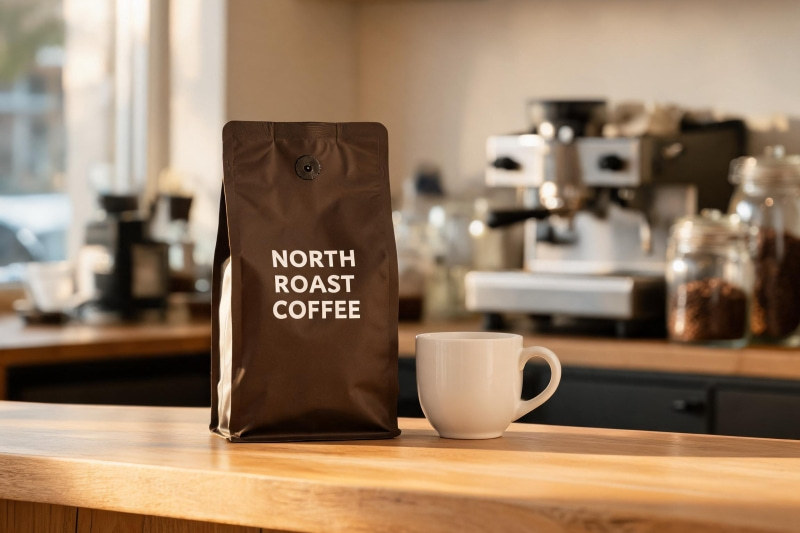
Valve Bags vs Non-Valve Bags: Which Should Roasters Choose?
Factor
Degassing Valve Bag
Non-Valve Bag
CO₂ pressure relief
Automatic one-way release; bags stay flat
Pressure builds — risk of ballooning or burst bags
Oxygen protection
Valve reseals, blocking outside air
No barrier once opened or if degassed prior
Whole-bean shelf life
Up to 12 months (with foil lining + N₂ flush)
Approximately 3 weeks to 3 months
Ground coffee shelf life
6–9 months with nitrogen flush
3–4 weeks
Bag appearance
Flat, stable palletizing
Puffed bags, unstable stacking
Cost per bag
+$0.02–0.06 per valve + applicator investment
Lower material cost
Pack immediately after roast?
Yes — valve vents CO₂ during first days
No — must rest 12–72 hours before sealing
Best suited for
Specialty roasters, export, retail, subscriptions
Same-day consumption, cafés, wholesale bulk
Packaging Machine Guide: Valve Applicator Integration and Line Setup
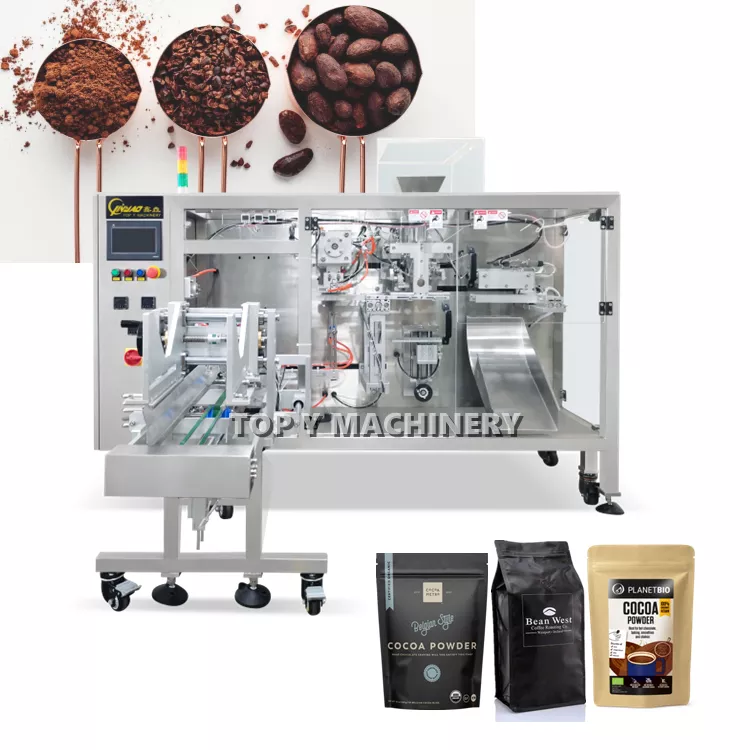
Step-by-Step: Running a Coffee Degassing Valve Packaging Line
1. Batch planning
2. Film and valve setup
3. Dosing
4. Filling and flushing
5. Sealing
6. Valve and seal QC
7. Flat storage
Frequently Asked Questions
Do I really need a degassing valve for coffee bags?
How long does coffee stay fresh in a one-way valve bag?
Can I pack coffee immediately after roasting when using valve bags?
How does an inline valve applicator work on a packaging machine?
Which bag formats work with degassing valve packaging machines?
Does TOP Y MACHINERY integrate degassing valve systems into coffee lines?
Choosing the Right Coffee Packaging Machine for Valve Bags
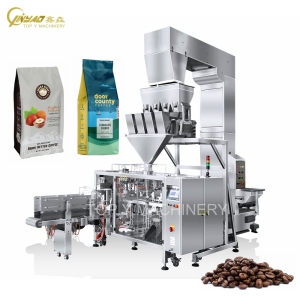
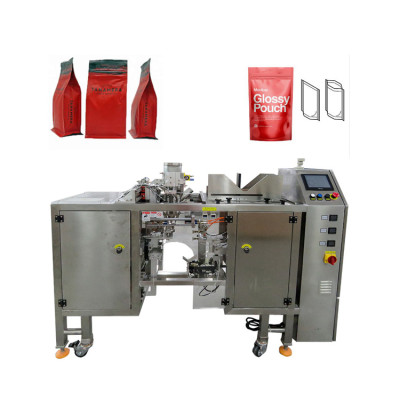
TOPY-MDPL Horizontal Packing Machine (Coffee Beans, Premade Zipper Pouch)
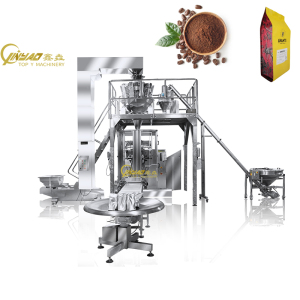
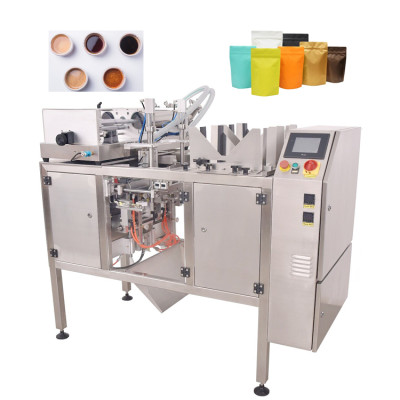
TOPY VFFS Automatic Packing Machine (Coffee Bean & Powder, Quad Seal)