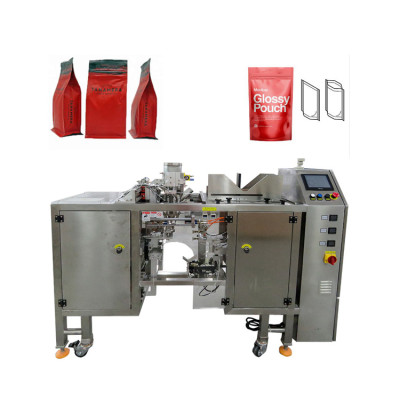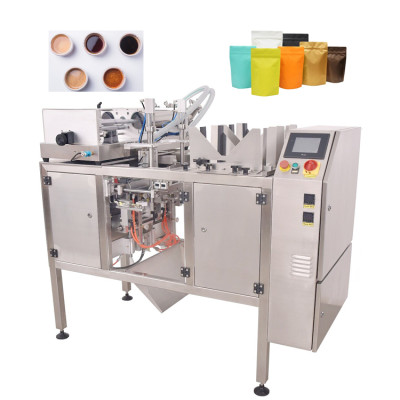
A Guide to Understanding Premade Pouch Packing Machines for Modern Production
In the dynamic world of manufacturing and packaging, innovation is the cornerstone of progress, driving us to seek out solutions that enhance both efficiency and the final quality of our products. For many businesses, traditional packaging methods are proving insufficient to meet the high-speed, high-demand nature of modern production, creating a clear need for more advanced and automated technologies.
Today, we delve into one of the most versatile and impactful of these innovations: the premade pouch packing machine. This comprehensive guide is designed to illuminate the intricacies of this technology, showcasing how it can fundamentally streamline your operations, elevate product presentation, and provide a significant competitive advantage. Join us as we explore the vital role these machines play across a multitude of industries, empowering businesses like yours to achieve unwavering quality, reduce operational friction, and unlock substantial cost savings.
Key Takeaways
- Definition and Function: A premade pouch packing machine is an automated system that fills and seals pre-formed bags (pouches), offering higher quality control and aesthetic appeal compared to form-fill-seal (FFS) systems. Its workflow involves automated pouch feeding, opening, filling, and sealing.
- Core Advantages: Integrating these machines brings transformative benefits, including a dramatic increase in operational efficiency, superior product protection that extends shelf life, exceptional flexibility to handle various pouch types and products, and long-term cost-effectiveness.
- Wide-Ranging Applications: This technology is not limited to a single sector. It is making a significant impact in the food and beverage industry (for snacks, coffee, liquids), pharmaceuticals (for sterile and precise dosing), and a vast array of non-food products like pet food, detergents, and cosmetics.
- Critical Selection Criteria: Choosing the right machine requires a thorough evaluation of several factors. Businesses must match the machine's capabilities to their specific product characteristics (liquid, solid, powder), assess their production volume and speed requirements, ensure the machine meets stringent hygiene and compliance standards (like FDA or 3-A), and consider the total cost of ownership (TCO) for a scalable, long-term investment.
- Technological Sophistication: Modern premade pouch machines, like those developed by TOP Y Machinery, incorporate intelligent systems for precise filling, date coding, and quality control. Detection systems ensure no pouch goes unfilled and no product is wasted, guaranteeing a smooth and reliable packaging process.
Understanding What a Premade Pouch Packing Machine Is and Its Core Function
To fully appreciate the impact of this technology, we must first establish a clear understanding of what a premade pouch packing machine is and how it operates. Unlike other packaging systems that create the bag from a roll of film, these machines work with pouches that are already fabricated. This fundamental difference is the key to many of its advantages, from aesthetic appeal to material versatility.
Defining the Premade Pouch Packing Machine: Beyond Traditional Packaging
In simple terms, a premade pouch packing machine is a fully automated system designed to work with pre-formed bags or pouches. Unlike Vertical Form-Fill-Seal (VFFS) or Horizontal Form-Fill-Seal (HFFS) machines, which create the package from a large roll of film before filling it, this equipment starts with bags that are already made. This distinction is crucial because it allows for more complex, high-quality packaging with features that are difficult or impossible to create in-line, such as stand-up bottoms, zippers, spouts, custom shapes, and high-resolution graphics.
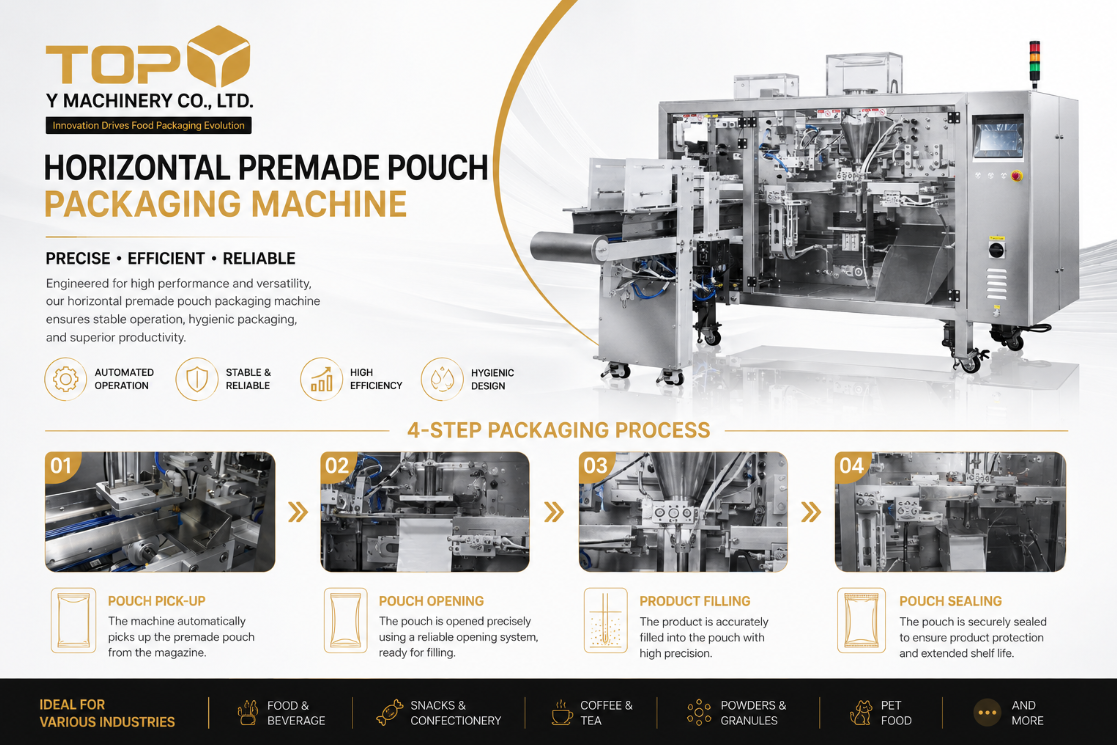
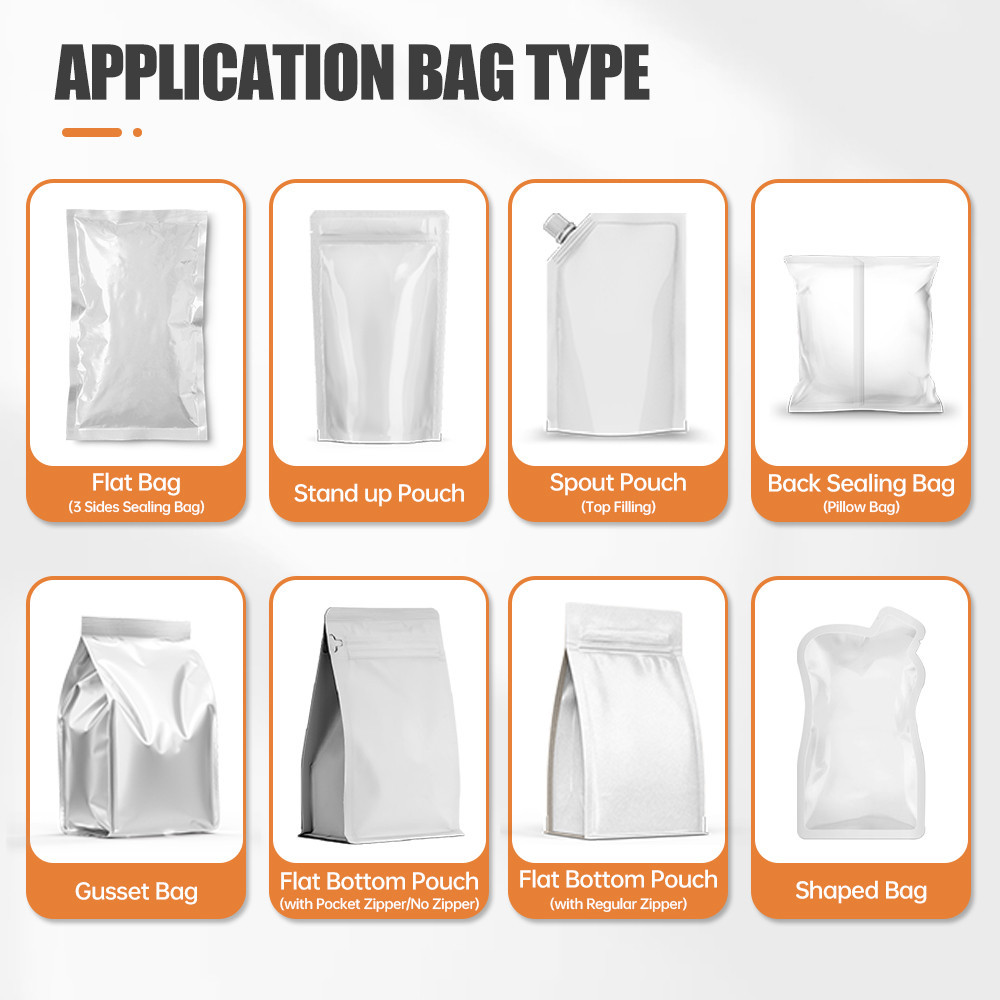
These machines are prized for their ability to handle a wide variety of pouch types, including popular stand-up pouches, three or four-side seal bags, gusseted bags, and retort pouches. The primary function is to automate the process of picking a pouch from a magazine, opening it, precisely filling it with a product (be it solid, powder, granule, or liquid), and then securely sealing it. This automated process not only increases production speed but also significantly reduces labor costs and the potential for human error.
There are two primary configurations for these machines:
- Rotary (Carousel) Machines: These systems feature a circular design where pouches are moved through various stations (e.g., loading, opening, filling, sealing) on a rotating turret. Rotary machines are known for their high speed and compact footprint, making them ideal for high-volume production where floor space is a consideration. The continuous motion of a rotary machine often leads to smoother handling and more consistent seals.
- Inline (Horizontal) Machines: In this configuration, pouches travel in a straight line from one station to the next. While they may require more floor length, inline machines are often praised for their simple structure, ease of access for maintenance and cleaning, and straightforward operation.
The choice between a rotary and an inline model often depends on specific production needs, such as required output speed, available factory space, and the types of pouches being used. For instance, certain specialized pouches, like those with a center spout, are better handled by a rotary system.
The Automated Workflow: How a Premade Pouch Packing Machine Works Step-by-Step
The elegance of a premade pouch packing machine lies in its seamless and precise automation. The workflow is a marvel of engineering, designed to be both efficient and gentle on the product and packaging. While specifics can vary between manufacturers like TOP Y Machinery and machine types (rotary vs. inline), the core process follows a logical and consistent sequence.
From Bag Loading to Precision Sealing
The journey from an empty pouch to a retail-ready product is a beautifully orchestrated sequence. It typically involves between six to ten "stations," with each one performing a specific task. An eight-station rotary machine is a very popular configuration that balances speed and functionality.
Here's a typical step-by-step breakdown of the process:
- Pouch Loading: An operator manually loads a stack of hundreds of empty, premade pouches into a bag magazine. The machine then automatically feeds them one by one into the gripping system. Advanced systems may even use robotics for this loading process, further reducing manual input.
- Pouch Gripping: A proximity sensor detects the first pouch, and a vacuum loader or mechanical arm picks it up and transfers it to a set of grippers. These grippers hold the pouch securely as it travels through the subsequent stations.
- Printing/Date Coding (Optional): If required, the pouch moves to a station equipped with an inkjet or thermal transfer printer. This is where essential information like expiration dates, lot numbers, and barcodes are printed directly onto the pouch surface.
- Pouch Opening and Detection: This is a critical stage. For pouches with a zipper, a vacuum suction pad gently pulls the front of the pouch away from the back, while mechanical opening jaws grip the top to pull it open. An air blower then inflates the pouch to ensure it is fully open and ready for filling. Crucially, sensors detect that a pouch is present and correctly opened.
- Product Filling: The open pouch is positioned directly under the filling apparatus. Depending on the product, this could be:
- Multi-head Weigher: For solids and granular products like snacks, candy, or nuts.
- Auger Filler: For fine and non-free-flowing powders such as flour, spices, or drink mixes.
- Liquid/Paste Filler: A piston or pump filler for liquids, sauces, gels, and creams. The filler dispenses a precise, pre-measured amount of product into the pouch.
- Product Settling / Gas Flush (Optional): In some cases, the pouch may be gently shaken to allow the product to settle at the bottom. For extending shelf life, a Modified Atmosphere Packaging (MAP) process may occur here, where oxygen is displaced with a flush of nitrogen or other inert gas just before sealing.
- Pouch Sealing: Before sealing, deflator components may squeeze excess air out of the bag. A pair of heated seal bars then press together on the top edge of the pouch with controlled pressure and temperature for a specific dwell time. This melts the sealant layers of the pouch film, creating a strong, hermetic, and aesthetically pleasing seal.
- Cooling and Discharge: The newly sealed area is passed through cooling bars to set the seal quickly and increase its strength. The finished, filled, and sealed pouch is then released from the grippers and discharged onto a conveyor belt for secondary packaging, such as cartoning or case packing.
The Role of Intelligent Detection Systems in a Premade Pouch Packing Machine
Modern premade pouch packing machines are not just mechanical wonders; they are intelligent systems integrated with a sophisticated network of sensors and software to ensure quality and efficiency. These detection systems are the brain of the operation, providing real-time feedback and control to minimize waste and maximize uptime.
Key detection and quality control systems include:
- "No Pouch, No Fill" Detection: Sensors at the opening and filling stations verify the presence of a pouch. If a bag is not picked up from the magazine or is not opened correctly, the machine's logic will prevent the filling and sealing stations from activating for that cycle. This simple but crucial feature prevents product spillage and wasted materials.
- Seal Integrity Inspection: This is one of the most critical quality control checks. Advanced systems use technologies like:
- Airborne Ultrasound: This non-destructive method, compliant with standards like ASTM F3004, sends ultrasonic waves through the seal area. Any inconsistencies like wrinkles, foreign material (product in the seal area), or microscopic gaps will change the signal, allowing the system to identify and reject a defective seal instantly.
- Vision Systems: AI-powered, high-resolution cameras can visually inspect seals for defects like bubbles, wrinkles, or misalignment. These AI systems can be trained to distinguish between acceptable cosmetic variations and true defects that compromise package integrity.
- Process Monitoring: Beyond just detecting a single bad package, intelligent software continuously monitors the sealing process itself. By analyzing data from sensors on the sealing jaws, the system can detect "drift" in machine performance caused by factors like dirt accumulation or wear and tear, alerting operators to perform preventative maintenance before a major issue occurs.
- Metal Detection & Checkweighing: Though often integrated downstream from the pouch packer, these systems are a vital part of the overall quality process. A metal detector scans finished pouches for any ferrous or non-ferrous metal contaminants, while a checkweigher verifies that each pouch's final weight is within the specified tolerance, rejecting any that are over or under-filled.
These intelligent systems work in concert to create a closed-loop feedback system. They not only reject faulty packages but also provide valuable data that helps operators optimize machine performance, reduce the overall cost of ownership, and ensure that every product leaving the facility meets the highest standards of quality and safety.
The Transformative Advantages of Integrating a Premade Pouch Packing Machine into Your Operations
Making the switch to an automated premade pouch packing solution is more than just an equipment upgrade; it's a strategic business decision that yields profound benefits across the entire production ecosystem. From the factory floor to the retail shelf, the advantages are tangible, impacting efficiency, product quality, brand perception, and the bottom line. Companies that embrace this technology often find themselves better equipped to handle the demands of a competitive marketplace.
Achieving Unparalleled Operational Efficiency with a Premade Pouch Packing Machine
One of the most compelling reasons businesses invest in premade pouch packing machines is the dramatic improvement in operational efficiency. By automating repetitive, labor-intensive tasks, these machines operate at a speed and consistency that manual or semi-automated processes simply cannot match. This shift directly translates into higher throughput, reduced labor costs, and a more streamlined workflow from start to finish.
Consider the numbers: while manual packaging is slow and variable, a premade pouch packing machine can process anywhere from 30 to over 150 pouches per minute, depending on the model and application. High-end models can produce between 3,600 and 9,000+ pouches per hour. This high-speed capability allows companies to meet growing consumer demand, handle peak production periods without bottlenecks, and get products to market faster.
The efficiency gains extend beyond mere speed. Automation drastically reduces the reliance on manual labor for repetitive tasks, which can lower associated costs by an average of 20-30% in the first year of implementation. This allows businesses to reallocate their valuable human workforce to more complex roles, such as quality assurance, machine maintenance, or logistics management. Furthermore, the automated process ensures uniformity in every package, eliminating the inconsistencies and errors common in manual handling. This leads to less product giveaway from overfilling and less material waste, directly contributing to a healthier bottom line.
Ensuring Superior Product Protection and Extended Shelf Life Through a Premade Pouch Packing Machine
In today's market, product integrity is paramount. A premade pouch packing machine is instrumental in safeguarding products from contamination and degradation, ensuring they reach the consumer in perfect condition. This is achieved through the use of high-quality, pre-formed pouches combined with superior sealing technology.
The pouches themselves are often constructed from multi-layer laminated films that provide excellent barrier properties against external elements. These high-barrier films are engineered to protect the contents from oxygen, moisture, UV light, and aroma loss, all of which can degrade product quality and shorten shelf life. For instance, materials like aluminum foil offer a robust barrier ideal for light- and oxygen-sensitive products, while various polymers like polyethylene (PE) and polypropylene (PP) provide moisture protection and durability.
The crucial final step is the seal. A modern pouch packing machine creates a hermetic seal, which is an airtight and completely impermeable barrier. This prevents the ingress of air, water vapor, and microorganisms, which are the primary culprits behind spoilage, staling, and bacterial growth. The precision control over heat, pressure, and dwell time in the sealing station ensures that this seal is strong, consistent, and reliable across every single package. This robust protection is what gives consumers confidence that the product has not been tampered with and is safe to consume.
For particularly sensitive products, these machines can incorporate Modified Atmosphere Packaging (MAP). This advanced technique involves actively altering the internal atmosphere of the pouch before sealing. Typically, ambient air (which is about 21% oxygen) is flushed out and replaced with a specific mixture of gases, often including nitrogen (N₂) and carbon dioxide (CO₂).
- Nitrogen (N₂): As an inert gas, nitrogen displaces oxygen, which slows down oxidation—the process that causes staleness in snacks and rancidity in fats. It also acts as a "buffer" gas, providing a slight cushion to protect delicate products like chips from being crushed.
- Carbon Dioxide (CO₂): This gas has microbial inhibitory properties, meaning it actively slows the growth of common spoilage organisms like mold and bacteria.
By engineering the perfect internal environment, MAP can extend a product's shelf life dramatically—in some cases by 200% to 400%—without the need for chemical preservatives. This allows manufacturers to expand their distribution range, reduce food waste, and deliver a fresher, longer-lasting product to the consumer.
Flexibility and Customization: Adapting to Diverse Packaging Needs with a Premade Pouch Packing Machine
One of the standout advantages of premade pouch packing machines is their remarkable flexibility. In a market where consumer preferences and product lines are constantly evolving, the ability to adapt quickly and efficiently is a significant competitive edge. This technology is engineered to handle an astonishing variety of products, pouch styles, and sizes on a single platform.
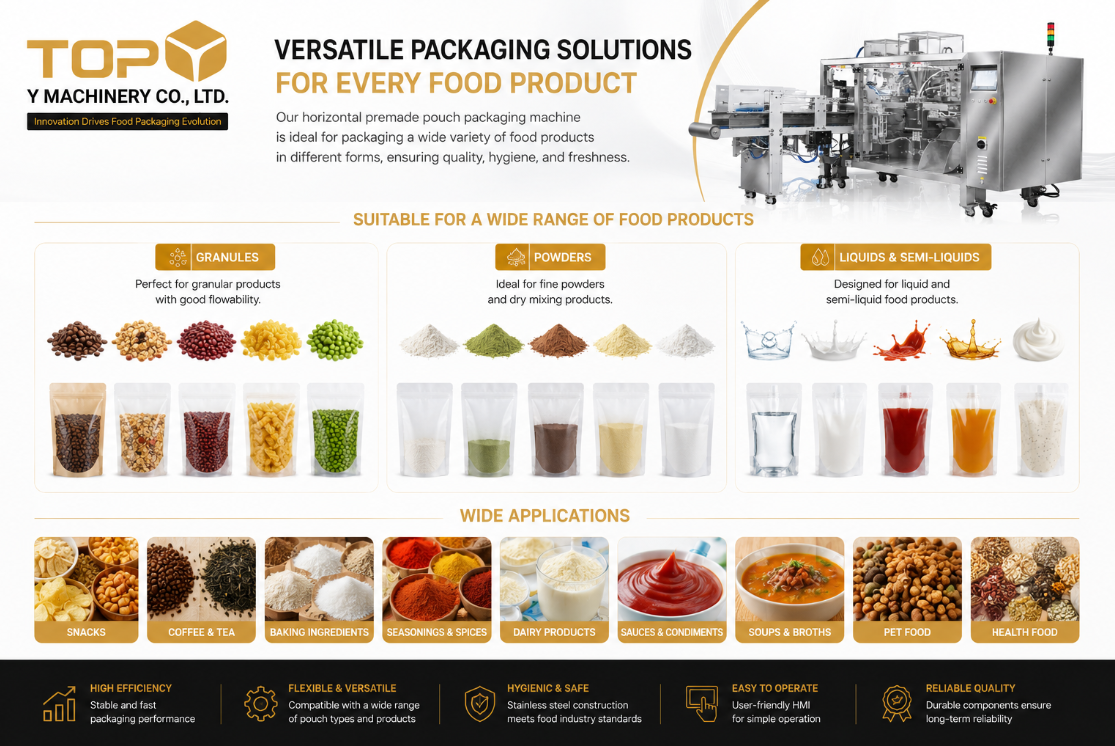
Product Versatility: Whether your product is a solid, liquid, powder, or granule, there is a compatible filling system that can be integrated with a premade pouch machine. This includes:
- Dry Products: Coffee grounds, nuts, trail mix, pet food, snacks, and candies.
- Powders: Protein powders, spices, flour, and chemical powders.
- Liquids & Pastes: Sauces, soups, juices, oils, shampoos, lotions, and gels.
- Fresh & Frozen: Fresh-cut produce, frozen vegetables, and ready-to-eat meals.
Pouch Format Diversity: These machines are not locked into a single bag type. They are designed to accommodate the most popular and consumer-friendly pouch formats available today, such as:
- Stand-up Pouches (Doypacks): Excellent for retail shelf presence.
- Flat & Pillow Pouches: Cost-effective options for single-servings or flat items.
- Gusseted Pouches: Offer increased volume for bulkier products like coffee or granola.
- Spouted Pouches: Ideal for liquids and purées, providing easy, mess-free dispensing.
- Zipper Pouches: Offer reusability, which is highly valued by consumers.
- Shaped Pouches: Custom, die-cut shapes that can make a brand instantly recognizable.
Rapid Changeovers: Perhaps the most significant aspect of this flexibility is the speed and ease of changeovers. For businesses that run multiple SKUs, seasonal items, or frequent promotional campaigns, minimizing downtime is critical. Modern premade pouch machines are designed for quick and often tool-free adjustments. An operator can change from one pouch size to another in a matter of minutes, not hours. By simply adjusting settings on the HMI (Human-Machine Interface) and making minor mechanical adjustments to the bag magazine and grippers, the machine is ready for a new production run. This agility allows companies to perform short, profitable runs and respond to market demands with unparalleled speed.
The Cost-Effectiveness and Sustainability Promise of a Premade Pouch Packing Machine
While the initial capital expenditure for automated machinery is a significant consideration, a premade pouch packing machine delivers compelling long-term cost-effectiveness and a strong return on investment (ROI). The financial benefits accumulate through reduced operational costs, minimized waste, and enhanced productivity. At the same time, the shift toward flexible pouch packaging aligns with growing consumer and regulatory demands for greater sustainability.
Financial Cost-Effectiveness: The ROI for a premade pouch packing machine is driven by several key factors:
- Reduced Labor Costs: Automation drastically cuts down on the need for manual labor, reducing payroll and associated overhead costs. For example, replacing a manual operation producing 5 pouches per minute with a mid-range machine at 45 PPM can lead to annual labor savings of over $100,000.
- Decreased Material Waste: The "no pouch, no fill" and other intelligent detection systems ensure that product and pouches are not wasted due to machine errors. This contrasts with Form-Fill-Seal systems, where film can be wasted during setup and changeovers.
- Lower Product Giveaway: Precise filling systems, such as auger fillers and multi-head weighers, ensure that each pouch contains the exact amount of product, minimizing overfill (product giveaway) that can erode profits over time.
- Increased Throughput: By packaging more products in less time, the machine increases overall output, allowing businesses to meet higher demand and generate more revenue without a proportional increase in costs. A fully automatic system can achieve a positive ROI within 18 to 36 months for high-volume operations.
Sustainability Advantages: Flexible pouch packaging offers significant environmental benefits compared to traditional rigid packaging like glass jars, plastic tubs, or metal cans.
- Source Reduction: Pouches use significantly less material to begin with—up to 60-70% less plastic than rigid containers for the same product volume. This fundamental reduction in material is a core tenet of sustainability.
- Lower Carbon Footprint: The lightweight nature of pouches dramatically reduces transportation costs and associated carbon emissions. It requires far less energy to produce and transport flexible pouches. One truckload of empty pouches can be equivalent to as many as 26 truckloads of empty rigid bottles, leading to massive reductions in fossil fuel consumption.
- Growing Recyclability: The packaging industry is making great strides in pouch sustainability. Many manufacturers are moving from complex multi-layer laminates to mono-material structures (e.g., all-polyethylene) that are designed for recycling in store drop-off programs. Other options include pouches made with post-consumer recycled (PCR) content and compostable films derived from renewable resources like plant-based polymers (PLA).
By investing in a premade pouch packing machine, companies are not only optimizing their financial performance but also taking a strategic step toward a more sustainable and circular packaging model, which resonates strongly with environmentally conscious consumers and reinforces positive brand values.
Cross-Industry Applications: Where a Premade Pouch Packing Machine Makes a Difference
The versatility of the premade pouch packing machine makes it a transformative technology across a vast spectrum of industries. Its ability to handle diverse product types, coupled with the premium presentation of pouch packaging, has made it an indispensable asset for brands looking to innovate and capture consumer attention. From the grocery aisle to the pharmacy shelf, its impact is reshaping packaging standards.
Enhancing Packaging in the Food and Beverage Sector with a Premade Pouch Packing Machine
The food and beverage sector is arguably the largest and most dynamic user of premade pouch packing technology. The shift from rigid containers like cans and jars to flexible pouches has been driven by consumer demand for convenience, portability, and fresh-feeling products. Premade pouch machines are at the heart of this transition, providing solutions for a massive array of food items.
- Snacks and Dry Goods: The snack aisle is a testament to the success of pouch packaging. Products like nuts, chips, dried fruits, granola, and jerky benefit immensely from stand-up pouches with resealable zippers. These features maintain freshness after opening and cater to on-the-go lifestyles. A doypack packing machine is specifically designed for these popular stand-up formats.
- Coffee and Tea: Whole bean and ground coffee are frequently packaged in gusseted or flat-bottom pouches. These often feature one-way degassing valves, a sophisticated option easily incorporated into premade pouches. The valve allows CO₂ released from freshly roasted beans to escape without allowing oxygen to enter, preserving the coffee's aromatic profile.
- Liquids and Semi-Liquids: Spouted pouches have revolutionized the packaging of liquids and purées. They provide a lightweight, shatterproof, and efficient alternative to bottles and jars for products like fruit juices, energy drinks, baby food, yogurts, sauces, and condiments. The spouts allow for controlled, mess-free dispensing and can be fitted with tamper-evident caps, ensuring product safety.
- Frozen and Fresh Foods: The durability and barrier properties of premade pouches make them suitable for frozen vegetables, fruits, and ready-to-eat meals. They can withstand freezing temperatures while protecting the food's taste and texture.
For brands in this competitive space, the high-quality graphics and diverse shapes possible with premade pouches offer a powerful tool for differentiation on crowded store shelves.
Revolutionizing Pharmaceutical and Medical Packaging with a Premade Pouch Packing Machine
The pharmaceutical and medical industries operate under some of the most stringent regulatory environments in the world. Packaging is not just a container; it is a critical component of product safety, stability, and efficacy. Premade pouch packing machines have become essential in this sector due to their precision, hygiene, and ability to meet strict compliance standards like Good Manufacturing Practices (GMP).
- Sterility and Contamination Control: The highest priority in medical and pharma packaging is preventing contamination. Machines used in this sector are often built in cleanroom-ready configurations, using materials like stainless steel 316L for all contact parts, which are resistant to corrosion and easy to sterilize. The automated, closed-loop process minimizes human contact with the product, a critical factor in maintaining a sterile environment. Premade pouches can also be designed to withstand secondary sterilization processes like gamma irradiation, which is common for medical devices.
- Precision Dosing and Accuracy: Whether packaging single-dose powders, capsules, liquids, or gels, accuracy is non-negotiable. Pouch packing machines integrated with high-precision fillers (like servo-driven auger fillers or piston pumps) ensure that each pouch contains the exact dosage required, preventing under- or over-dosing. This level of accuracy is critical for patient safety and regulatory approval.
- Medical Devices and Diagnostics: Beyond medications, these machines are ideal for packaging a wide range of single-use medical products. This includes sterile items like surgical tapes, wound dressings, catheters, test swabs, and components for diagnostic kits. The hermetic seals created by the machine protect these devices from environmental contaminants until the moment of use.
- Regulatory Compliance and Validation: Pharmaceutical-grade packaging machinery must be designed for easy validation (IQ/OQ/PQ) and often needs to comply with regulations like FDA 21 CFR Part 11, which governs electronic records and signatures. This includes features like secure, role-based user access and tamper-evident audit trails that log every operator action. Choosing machinery from an experienced supplier who understands these requirements is paramount for gaining and maintaining regulatory approval.
Versatile Uses of a Premade Pouch Packing Machine for Non-Food and Specialized Products
The utility of premade pouch machines extends far beyond edible goods. Many non-food and specialized industries have adopted this technology to leverage its benefits in product protection, consumer convenience, and branding. The ability to package everything from powders to liquids in durable, attractive pouches makes it a go-to solution for a diverse range of CPG (Consumer Packaged Goods) sectors.
- Pet Food and Treats: The pet food industry has seen a massive shift towards flexible pouch packaging. Premade pouch machines are perfect for handling everything from dry kibble and jerky treats in large, resealable stand-up pouches to wet pet food in single-serving retort or flat pouches. The high-barrier materials protect the nutritional value and flavor, while durable structures and strong seals prevent punctures and messes. Resealable zippers are particularly valued by pet owners for maintaining freshness and convenience.
- Cosmetics and Personal Care: The cosmetics industry uses pouches for a wide array of products, capitalizing on their modern aesthetic and functionality. Single-use face masks are often packaged in flat, three-side seal pouches. Refill pouches with spouts are becoming increasingly popular for liquids like shampoo, shower gel, lotions, and soaps, offering an eco-friendly alternative to rigid bottles. The excellent print quality on pouches allows for vibrant branding, which is crucial in this visually-driven market.
- Household Chemicals and Detergents: Many household products are now sold in flexible pouches. Spouted pouches are ideal for liquid detergents, fabric softeners, and other cleaning agents, offering easy, controlled pouring. These pouches are not only lighter and less prone to breakage than traditional plastic jugs, but they also significantly reduce plastic usage and transportation costs, appealing to sustainability-focused consumers and brands.
- Lawn, Garden, and Agricultural Products: Granular products like fertilizers, pesticides, and seeds are also well-suited for pouch packaging. The durable, puncture-resistant materials and secure seals protect the contents from moisture and prevent potentially hazardous spills, ensuring product integrity and user safety from the store to the point of application.
In each of these industries, the premade pouch packing machine provides the automated efficiency and versatility needed to package specialized products safely, securely, and attractively.
Critical Factors for Choosing the Right Premade Pouch Packing Machine for Your Business
Selecting the right premade pouch packing machine is a vital long-term investment that directly impacts your production capacity, product quality, and profitability. While the benefits are clear, making the optimal choice requires a strategic and thorough evaluation of your company's unique needs. It isn't a one-size-fits-all decision. By carefully analyzing the following critical factors, you can ensure a successful integration that supports your business goals now and in the future.
Matching the Premade Pouch Packing Machine to Your Product Type and Characteristics
The very first step—before you even look at machine catalogs—is to deeply analyze the product you intend to package. The physical properties of your product will dictate the most critical component of the machine: the filler. The wrong filler will lead to inaccurate weights, product damage, and operational headaches.
Consider these product categories and their corresponding filler requirements:
| Product Category | Characteristics | Recommended Filler Type | Application Examples |
|---|---|---|---|
| Powders | Free-flowing (e.g., granulated sugar) or non-free-flowing (e.g., flour, whey protein). Prone to dust. | Auger Filler: Uses a rotating screw to dispense a precise volume of powder. Often equipped with dust shrouds to maintain a clean environment. | Spices, coffee grounds, milk powder, protein mixes, baking flour. |
| Granules & Solids | Discrete, uniform, or irregular pieces. Can be fragile. | Multi-Head Weigher (Combination Scale): Uses multiple vibrating weigh buckets to combine portions to reach an exact target weight. Very accurate and gentle on products. | Nuts, candies, snack foods, pet kibble, coffee beans, frozen vegetables, granola. |
| Liquids | Varying viscosities, from thin (watery) to thick (syrupy). | Liquid or Piston Filler: Uses a pump or piston to dispense a precise volume. Piston fillers are excellent for thicker, more viscous products like pastes and creams. | Sauces, juices, oils, soups, dressings, shampoos, lotions, gels. |
| Fragile Items | Easily broken or crushed. | Multi-Head Weigher or specialized gentle-handling systems. The machine must have a smooth transfer process to avoid dropping items from a great height. | Potato chips, cookies, crackers, some electronics. |
Beyond the filler, other product characteristics are important. For instance, oily or sticky products might require special non-stick coatings on machine parts to prevent buildup. Abrasive products like salt or sugar may require more durable, wear-resistant components. A thorough analysis of your product is the foundation for selecting a machine that will perform reliably.
Assessing Production Volume and Desired Speed for Your Premade Pouch Packing Machine Investment
After matching the machine to your product, the next step is to conduct a realistic assessment of your production volume needs. This involves not only your current output but also your projected growth. Investing in a machine that meets today's demand but becomes a bottleneck tomorrow is a costly mistake.
Machine speed is typically measured in pouches per minute (PPM) or bags per hour (BPH). When evaluating specifications, you need to calculate your required throughput. For example, if you need to package 3,000 pounds of product per shift (8 hours) into 1-pound pouches, your required continuous speed would be:
3,000 pouches / 8 hours = 375 pouches per hour (BPH) 375 BPH / 60 minutes = 6.25 pouches per minute (PPM)
In this scenario, a machine rated for 10-40 PPM would seem adequate. However, experts recommend choosing a machine with a top speed that is 1.5 to 2 times greater than your immediate need. This buffer accounts for several real-world factors:
- Efficiency Degradation: Like any mechanical equipment, performance can degrade over time. Having a speed cushion ensures you can maintain target output even as the machine ages.
- Downtime: You must account for scheduled downtime for cleaning, maintenance, and product changeovers. A faster machine can make up for this lost time.
- Scalability: Most importantly, a higher-speed machine provides room for growth. As your business expands and demand increases, you won't need to immediately invest in a second machine or a complete replacement. A scalable, modular machine can adapt to your needs, protecting your initial investment.
Premade pouch packing machines are available in a wide range of speed capabilities to match different operational scales:
- Entry-Level (10-40 PPM): Suited for startups, small businesses, or R&D, producing roughly 600-2,400 pouches per hour.
- Mid-Range (40-70 PPM): Ideal for growing businesses with multiple SKUs, delivering 2,400-4,200 pouches per hour.
- High-End (70-150+ PPM): Designed for large-scale, high-volume manufacturing, capable of 4,200 to over 9,000 pouches per hour.
Balancing your current budget with a realistic forecast for future production is key to selecting a machine that will be a long-term asset rather than a short-term solution.
Prioritizing Hygiene, Sanitation, and Compliance with Your Premade Pouch Packing Machine
For industries like food, beverage, and pharmaceuticals, hygiene is not optional—it is a mandatory and foundational requirement. A failure in sanitation can lead to product contamination, recalls, and severe damage to brand reputation. Therefore, selecting a pouch packing machine that is designed for hygiene and meets regulatory compliance is of paramount importance.
Key considerations in this area include:
- Hygienic Design Principles: Look for machines built with hygienic design in mind. This means minimizing flat surfaces where water can pool, eliminating crevices or "dead zones" where product can get trapped, and using smooth, polished surfaces that are easy to clean. Well-designed machines feature open frames and angled surfaces to promote drainage and prevent particle accumulation.
- Material of Construction: The materials used for product-contact parts are critical. The industry standard for food and pharmaceutical applications is 304 or 316L stainless steel. This material is corrosion-resistant, non-toxic, non-absorbent, and can withstand harsh cleaning and sanitation chemicals without degrading.
- Ease of Cleaning (CIP/SIP): The machine should be designed for easy and verifiable cleaning. This often means tool-less removal of key components like fillers, funnels, and grippers, allowing for thorough offline cleaning (Clean-Out-of-Place). For liquid systems, Clean-In-Place (CIP) or Sterilize-In-Place (SIP) capabilities, which allow the machine to be sanitized without disassembly, are highly desirable. Fast bag size changeovers and easy-to-clean designs save valuable time and reduce the risk of cross-contamination between production runs.
- Regulatory Compliance: The machine must comply with the relevant standards for your industry and target market. This can include:
- FDA (U.S. Food and Drug Administration): For food and drug packaging, requires the use of food-contact-safe materials.
- GMP (Good Manufacturing Practices): A global standard requiring controlled, documented, and hygienic manufacturing processes.
- 3-A and EHEDG Sanitary Standards: Specific, rigorous guidelines for the hygienic design of equipment used in food, beverage, and dairy processing.
Investing in a machine from a reputable manufacturer like TOP Y Machinery, who understands these standards and can provide the necessary documentation and support for validation, is crucial for ensuring product safety and building long-term consumer trust.
Considering Total Cost of Ownership and Scalability for a Long-Term Premade Pouch Packing Machine Solution
A savvy business leader looks beyond the initial price tag to evaluate the Total Cost of Ownership (TCO). TCO is a comprehensive financial metric that includes all direct and indirect costs associated with a piece of equipment over its entire lifecycle. Making a decision based on TCO rather than just the upfront purchase price ensures you are making a financially sound, long-term investment.
Calculating the TCO for a premade pouch packing machine involves several components:
| TCO Cost Category | Description & Key Factors |
|---|---|
| 1. Capital Costs (Initial Investment) | These are the upfront, one-time expenses. - Equipment Purchase Price: The base cost of the machine. - Shipping and Installation: Costs to transport, install, and commission the machine. - Training: Initial training for operators and maintenance staff. |
| 2. Operational Costs | These are the ongoing, recurring expenses required to run the machine. - Labor: Wages for operators needed per shift. Automation significantly reduces this compared to manual lines. - Utilities: Energy consumption (electricity) and compressed air usage. - Consumables: The cost of the premade pouches themselves. |
| 3. Maintenance & Support Costs | These are costs associated with keeping the machine in optimal working order. - Spare & Wear Parts: Budget for replacing parts that wear out over time, like sealing bars or grippers. - Preventive Maintenance: Costs for scheduled service to prevent unexpected breakdowns. - Downtime: This is a crucial hidden cost. Every hour the machine is not running represents lost production and revenue. A reliable, well-maintained machine minimizes unplanned downtime. |
A higher initial investment in a quality machine often leads to a lower TCO over time due to greater reliability, lower maintenance needs, and higher efficiency.
Equally important is scalability. The business landscape is dynamic; your production needs will likely change. A machine that can grow with your business is a far more valuable asset. This is where modular design comes in. A modular packaging machine is built from separate, interchangeable components or "modules." This architecture provides significant advantages:
- Flexibility: You can easily add, remove, or upgrade modules to accommodate new products, pouch sizes, or features (like a zipper applicator or gas flush system) without replacing the entire machine.
- Scalability: As production demands increase, you can expand the system's functionality. This approach allows you to start with a basic configuration and invest in additional capabilities as your business grows.
- Reduced Downtime: Maintenance is simplified because individual modules can be serviced or swapped out without taking the entire line offline for an extended period.
Choosing a scalable, modular solution from a forward-thinking provider like TOP Y Machinery ensures that your packaging line is not just a solution for today, but a flexible platform for future growth.
Frequently Asked Questions (FAQ)
1. What is the fundamental difference between a premade pouch packing machine and a Form-Fill-Seal (FFS) machine?
The primary difference lies in how the bag is handled. A premade pouch packing machine works with bags that are already manufactured and pre-formed. The machine's job is to automatically pick, open, fill, and seal these existing pouches. In contrast, an FFS machine (either vertical or horizontal) creates the pouch from a continuous roll of flat film as part of the packaging process before filling and sealing it. This makes premade pouch machines ideal for more complex, high-end packaging with features like zippers and spouts, while FFS machines are often faster and more cost-effective for high-volume runs of simpler bag styles.
2. How quickly can I change between different pouch sizes on a premade pouch machine?
Modern premade pouch packing machines are designed for rapid changeovers, which is one of their key advantages. For adjustments between similarly styled pouches of different sizes, a trained operator can typically complete the changeover in under 15 minutes, with some advanced models achieving it in as little as 5 minutes. The process usually involves simple, tool-less adjustments to the pouch magazine guides and gripper positions, often managed through a user-friendly HMI screen where parameters for different bag sizes can be saved and recalled.
3. What types of safety features are standard on these machines?
Operator safety is a top priority. Standard safety features include emergency stop buttons that are easily accessible, physical guards with interlocking sensors that halt the machine if a door is opened during operation, and clear warning labels. The design also prevents operator access to moving parts during the cycle. Furthermore, intelligent detection systems like "no pouch, no fill" prevent spills that could create slip hazards, contributing to a safer and cleaner work environment.
4. Can a single machine handle both powders and liquids?
Yes, but it requires a change or adaptation of the filling system. The base of the premade pouch machine (the pouch handling and sealing system) is versatile, but the filler is product-specific. A single machine platform can be configured to use interchangeable fillers. For example, you could use an auger filler for a run of protein powder, then swap it out for a liquid piston filler to package a sauce. This modular approach provides excellent flexibility for companies with diverse product lines.
5. How much space do I need for a premade pouch packing machine?
The footprint varies depending on the machine's configuration. Rotary premade pouch machines are generally more compact than their inline counterparts for a similar output. A typical single-lane rotary machine might occupy a footprint of roughly 2-3 meters in length by 1.5-2 meters in width. However, you must also account for the space required for the integrated filler (which may sit above the machine), inflow and outflow conveyors, and sufficient clearance for operators and maintenance access. It is always best to consult the manufacturer's specification sheet for exact dimensions.
In conclusion, premade pouch packing machines represent a monumental leap forward in packaging automation. Their proven ability to deliver exceptional efficiency, uncompromising product protection, and remarkable flexibility makes them an indispensable asset for any modern production line that aims to not just survive but thrive in a competitive landscape. For a closer look at the specifications of these advanced systems, you can Download a catalog.
By thoroughly evaluating your specific operational needs, product characteristics, and long-term business goals against the critical factors outlined in this guide, you can confidently invest in the right machine. A strategic investment of this nature will do more than just enhance product quality and reduce waste; it will significantly sharpen your competitive edge and boost profitability.
We firmly believe that by embracing this sophisticated automation, businesses can unlock new echelons of success. This technology empowers you to adapt dynamically to evolving market trends and consumer demands, securing a more efficient, profitable, and brighter future for your packaging operations. If you have further questions or wish to discuss how a premade pouch packing machine could be integrated into your line, we encourage you to Contact us. Our experts at TOP Y Machinery are ready to help you find the perfect solution.