Leading Manufacturer of Intelligent Food Packaging Machinery

- TOP Y MACHINERY
- Horizontal Packing Machine
Horizontal Packing Machine
Flat, stand-up and spout pouches filled and sealed along a horizontal line.
- Filling Machines
Filling Machines
Stand-alone weighing and filling heads for granules, powders, liquids and pastes.
- Doypack Machine
Doypack Machine
Premade doypack pouches, from compact models to high-output rotary lines.
- Vertical Bagger
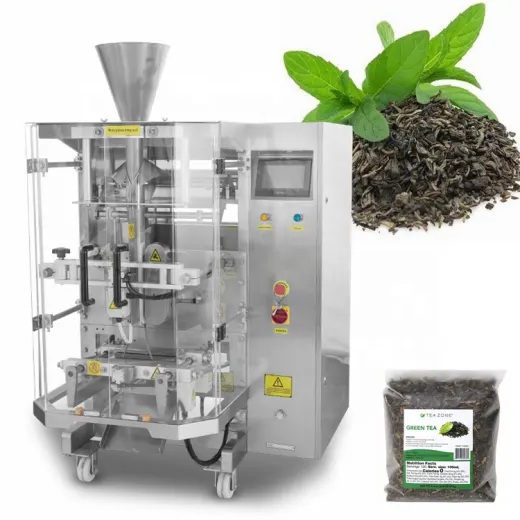
Vertical Bagger
Form-fill-seal bags for granules, powders, liquids and pastes.
- Rotary Packing Machine
Rotary Packing Machine
Carousel lines for premade pouches with multi-station filling and sealing.
- Packing Conveyor System
Packing Conveyor System
Modular conveyors that link filling, sealing and cartoning stations.
- Auxiliary Equipment
Auxiliary Equipment
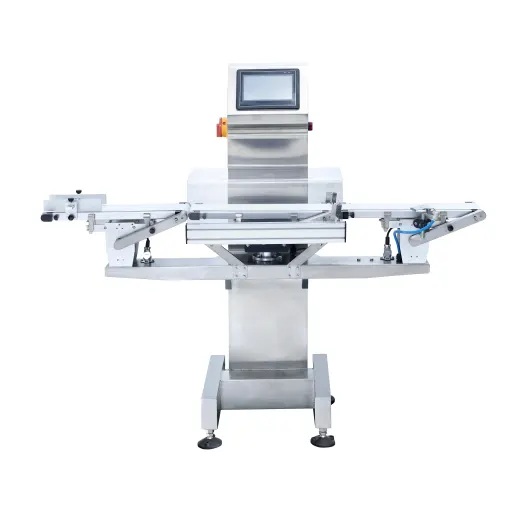
Weighers, fillers, checkers and end-of-line handling around the main machine.
Horizontal Packing Machine
Filling Machines
Doypack Machine
Vertical Bagger
Rotary Packing Machine
Packing Conveyor System
- Horizontal Packing Machine
- TOP Y MACHINERYBY PRODUCT FORM
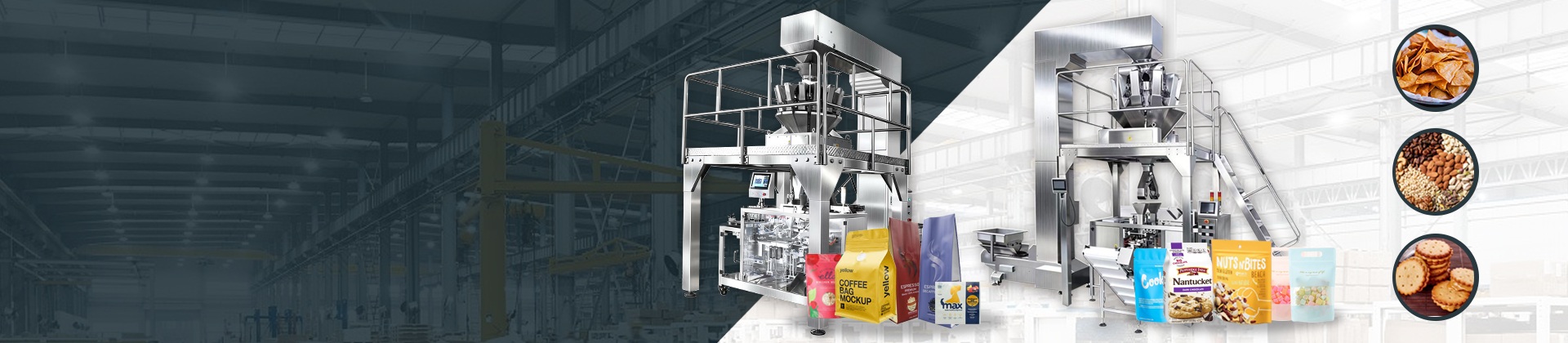
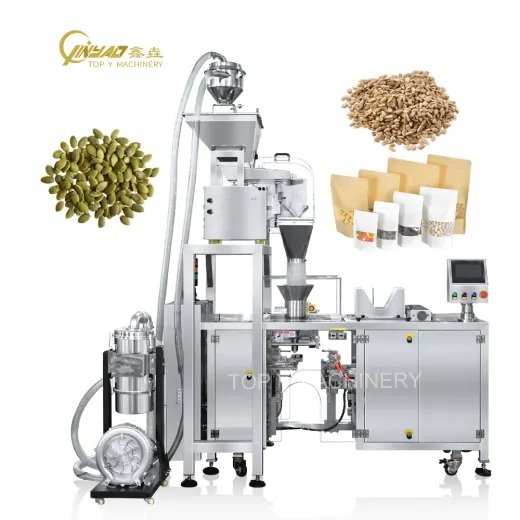
Granular Food Packaging
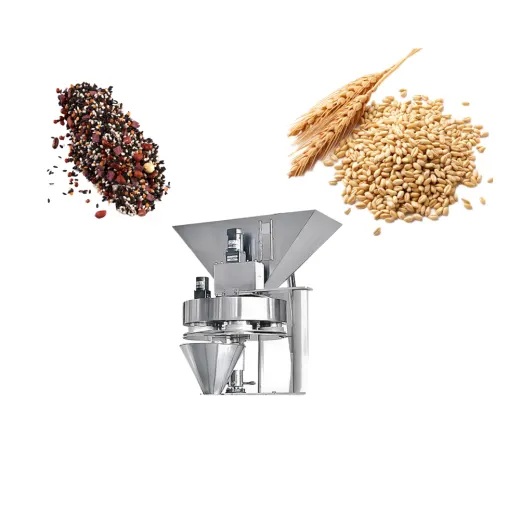
Weighing, filling and sealing for rice, nuts, frozen goods and granules.
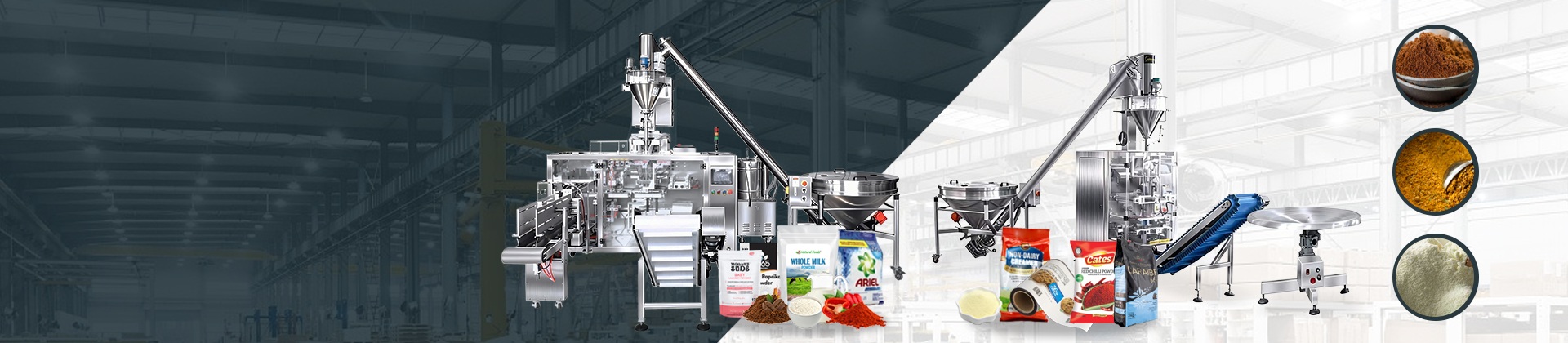
Powder Food Packaging
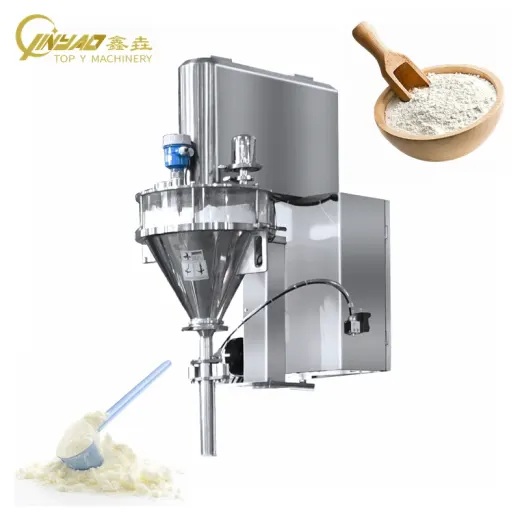
Dust-controlled auger dosing for flour, milk powder and spices.
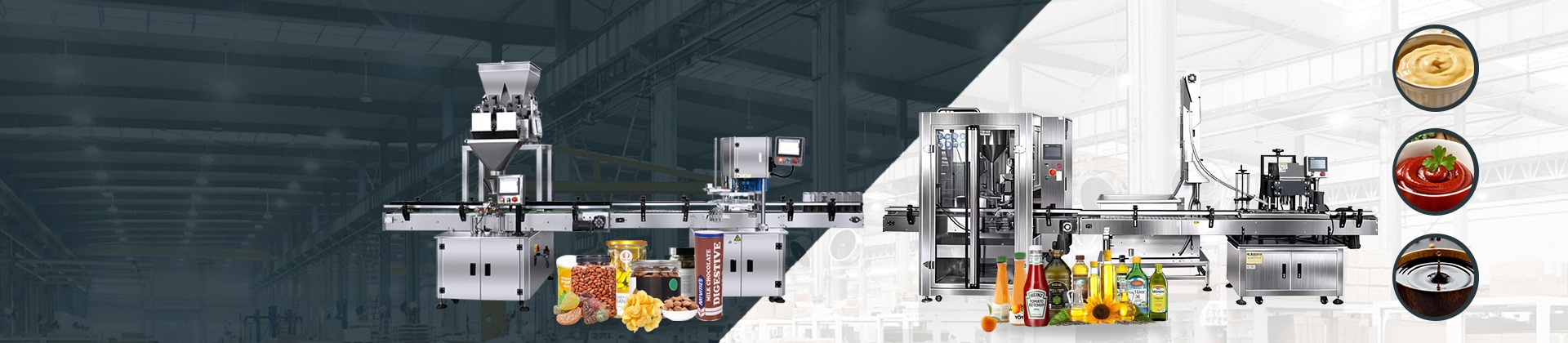
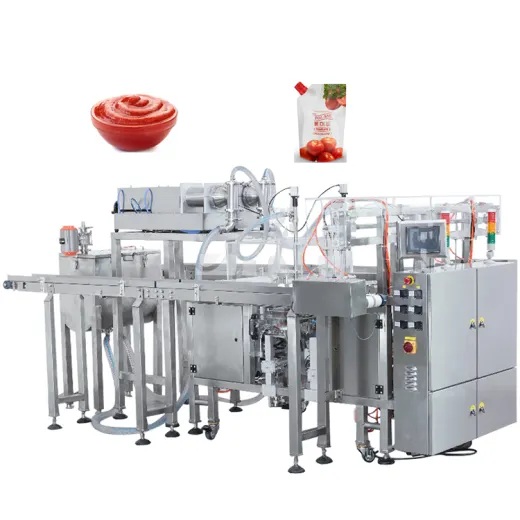
Liquid & Sauce Packaging
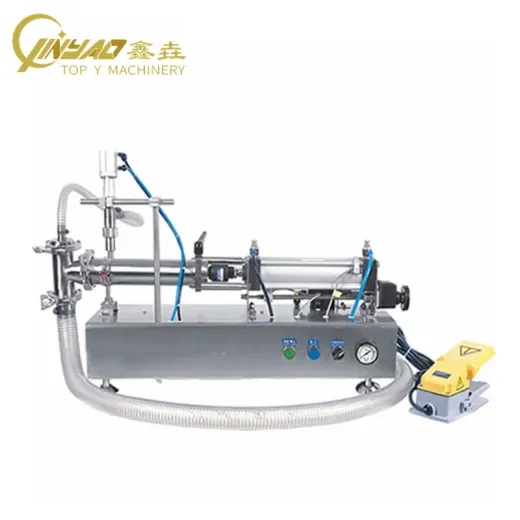
Piston and flow-meter filling for sauces, juices and pastes.
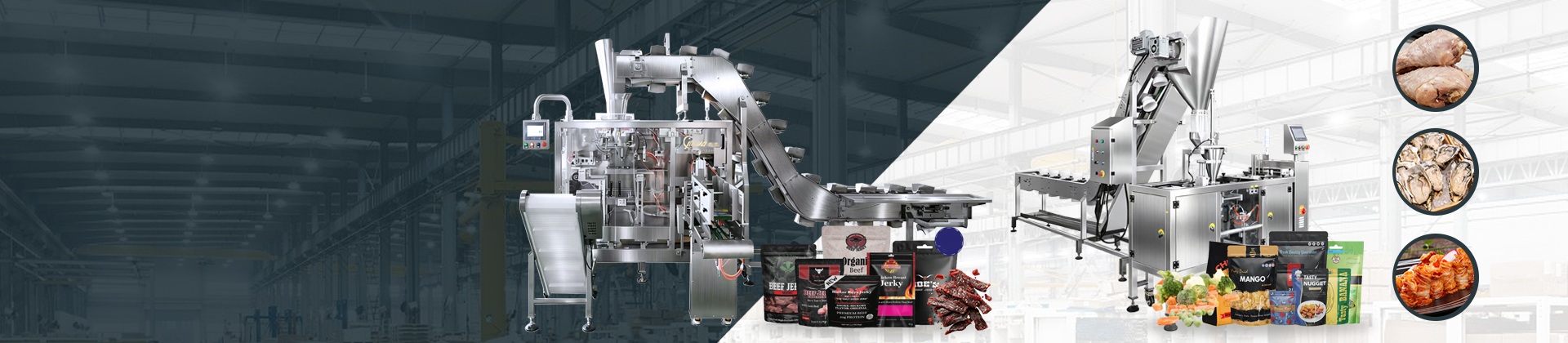
Block & Solid Packaging
Heavy-duty pouch and carton lines for blocks, bars and solid pieces.
- TOP Y MACHINERYBY APPLICATION
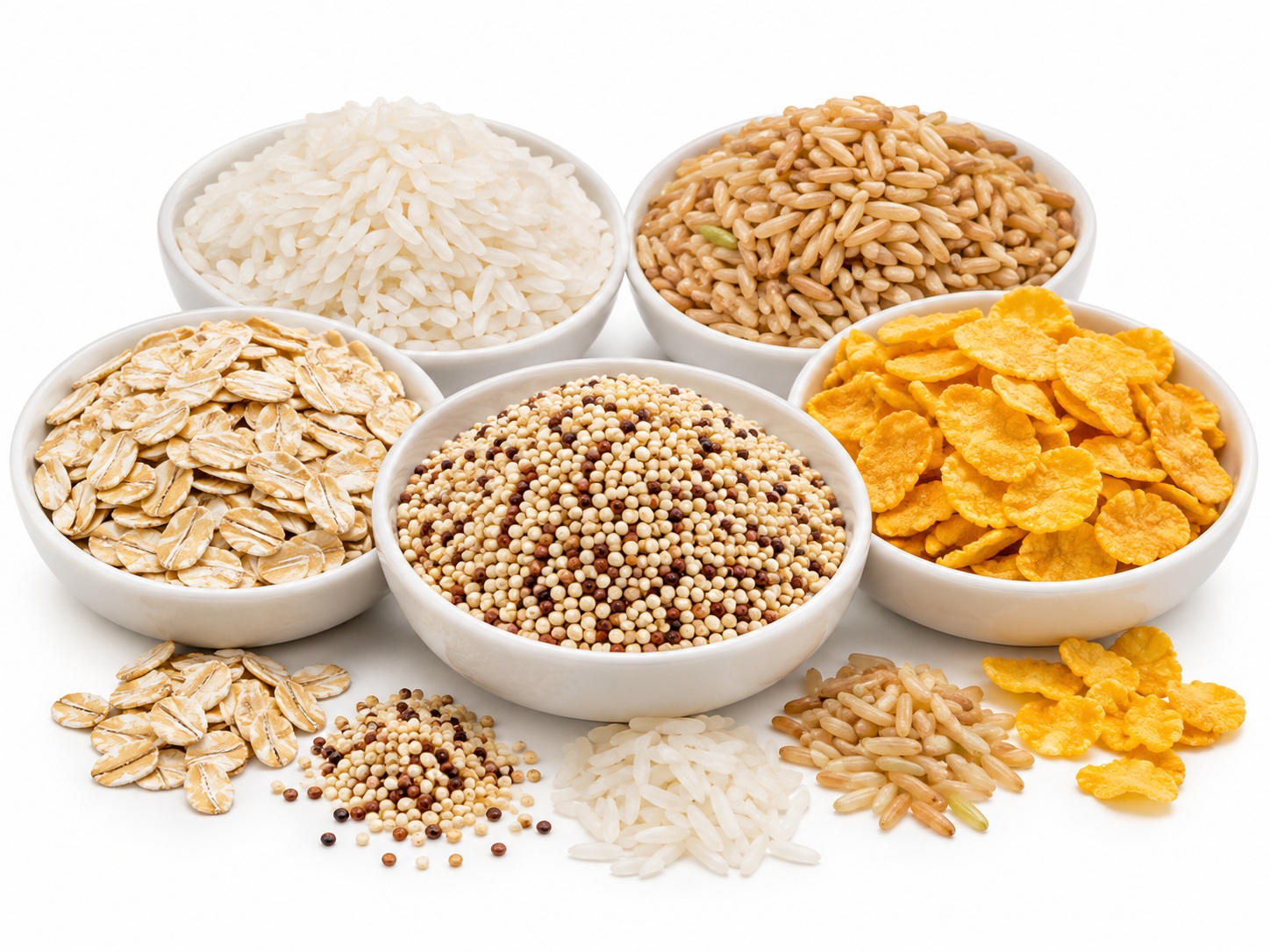
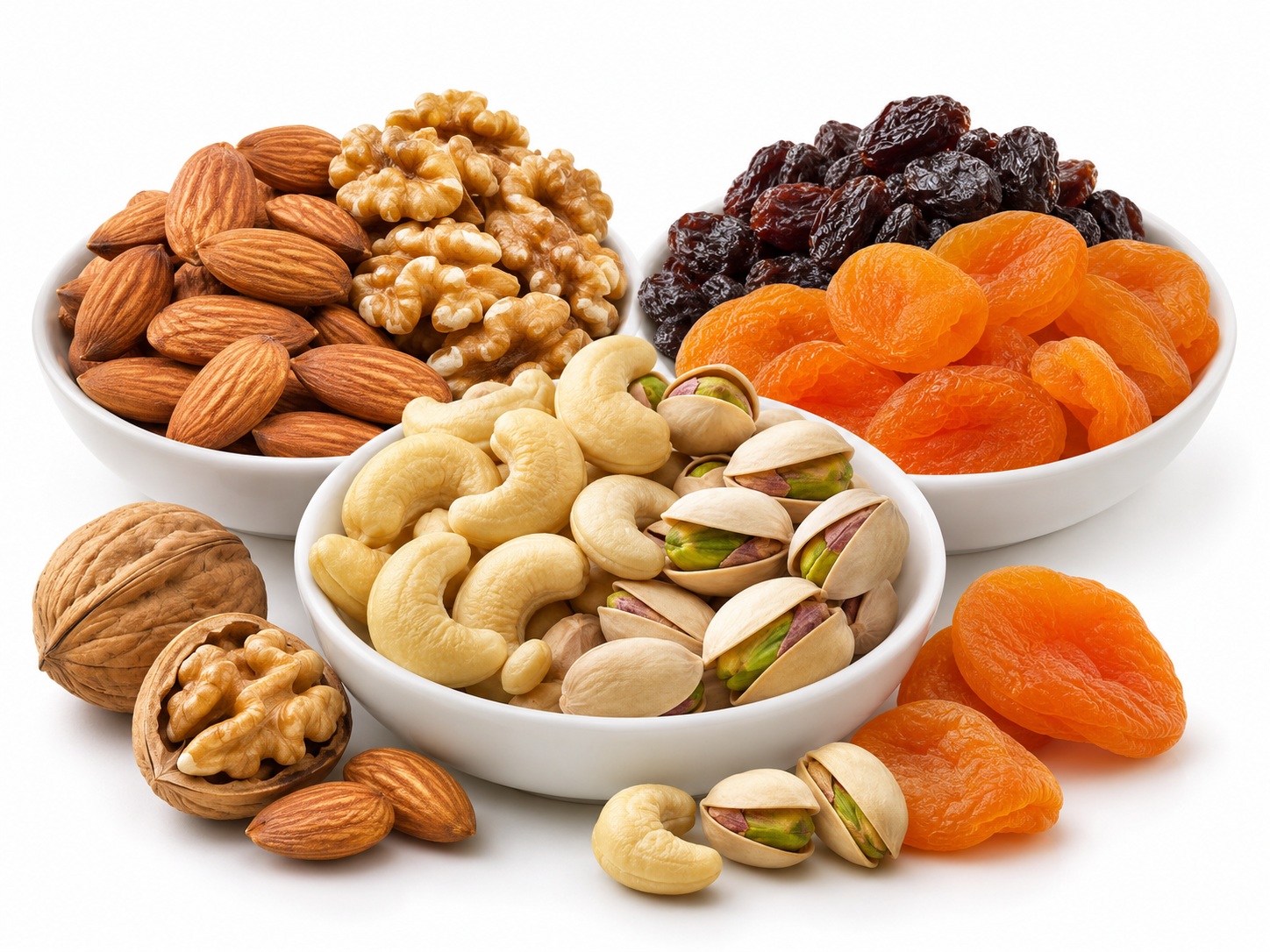
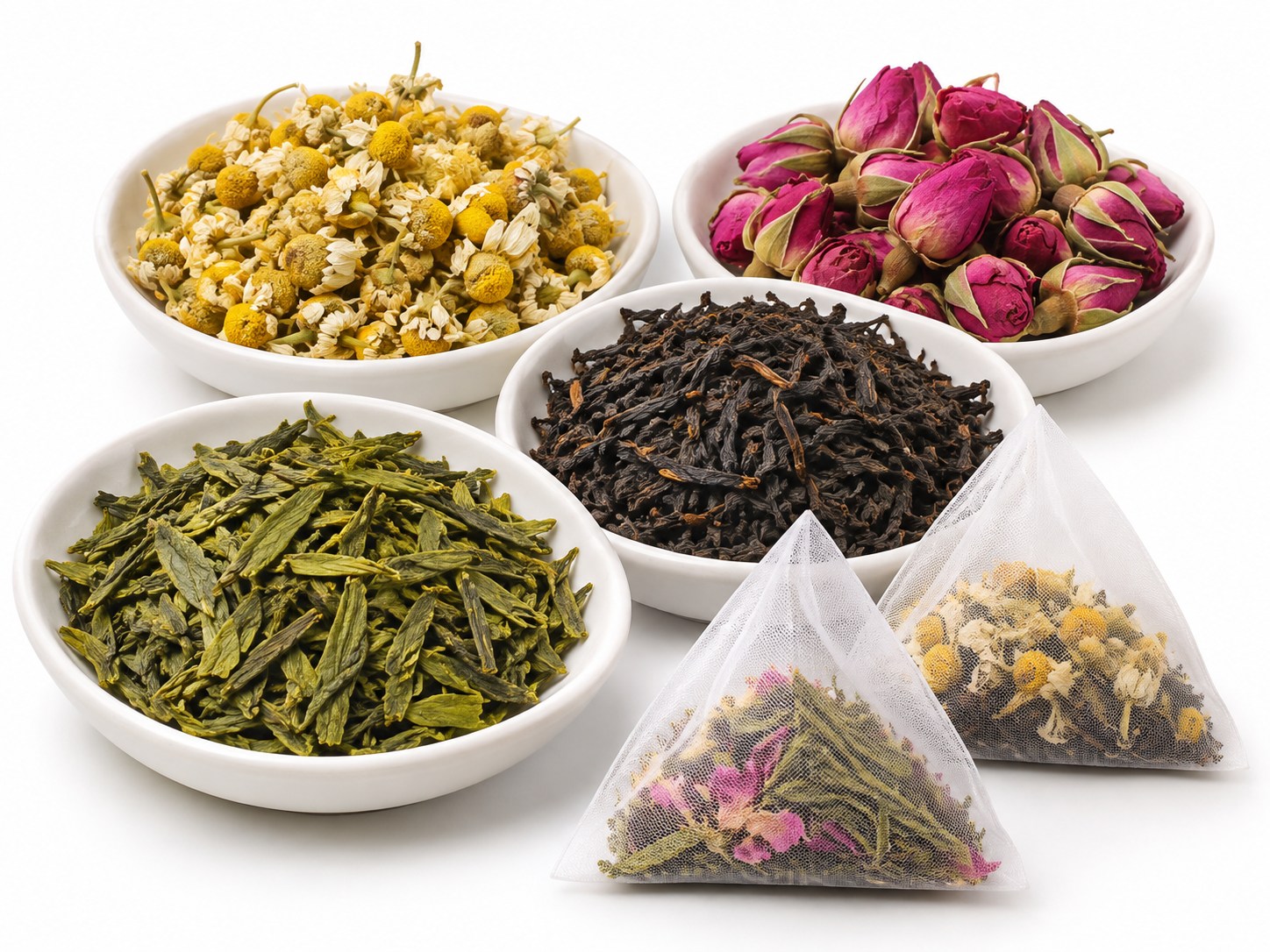
Rice, grains, spices, nuts and tea — dry products weighed and sealed in pouches or bags.
Sauces, dairy powders, protein and confectionery — wet, sticky and heat-sensitive products.
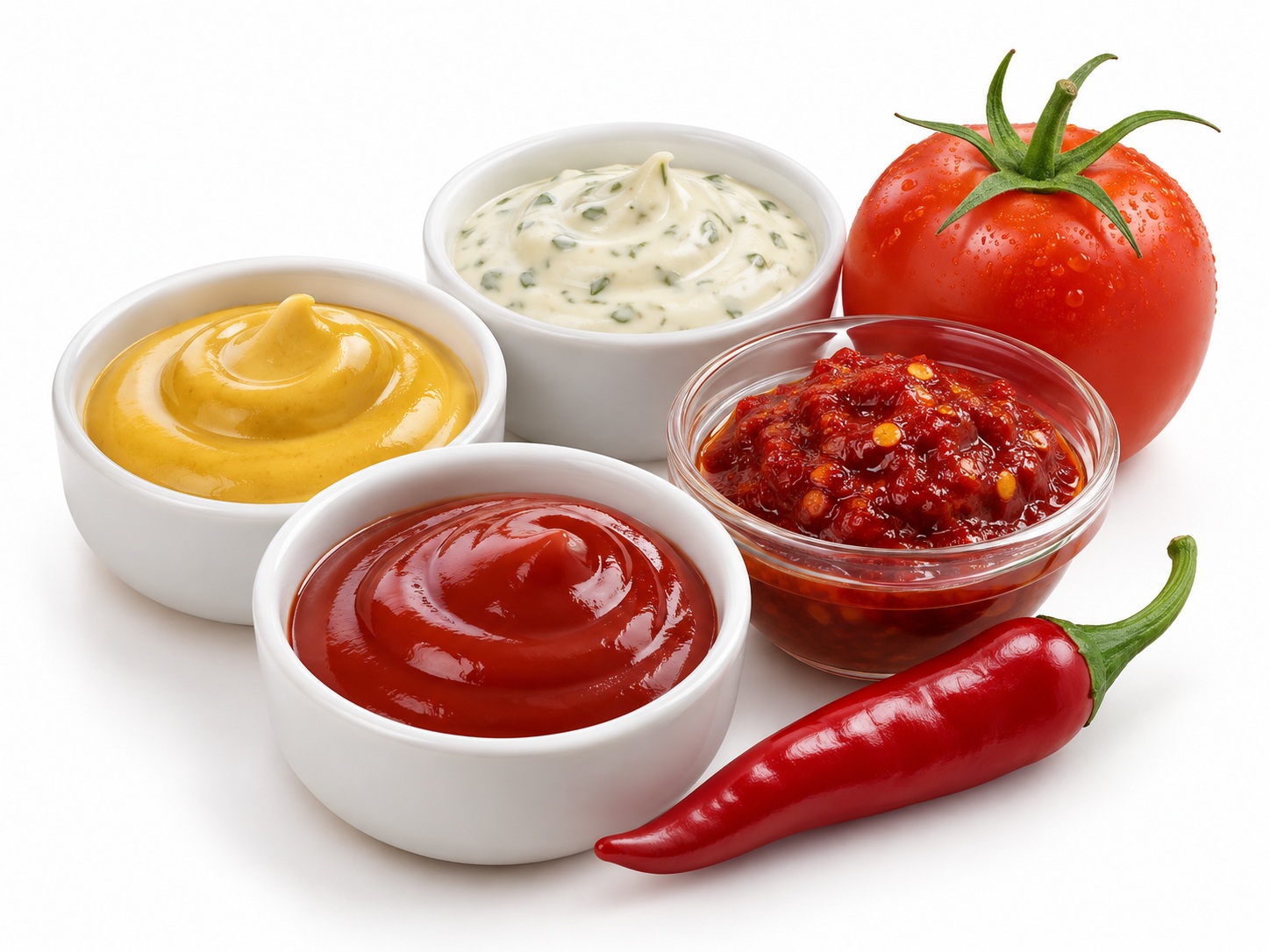
Sauces & Condiments
Sachet and pouch filling for ketchup, dressings and pastes.
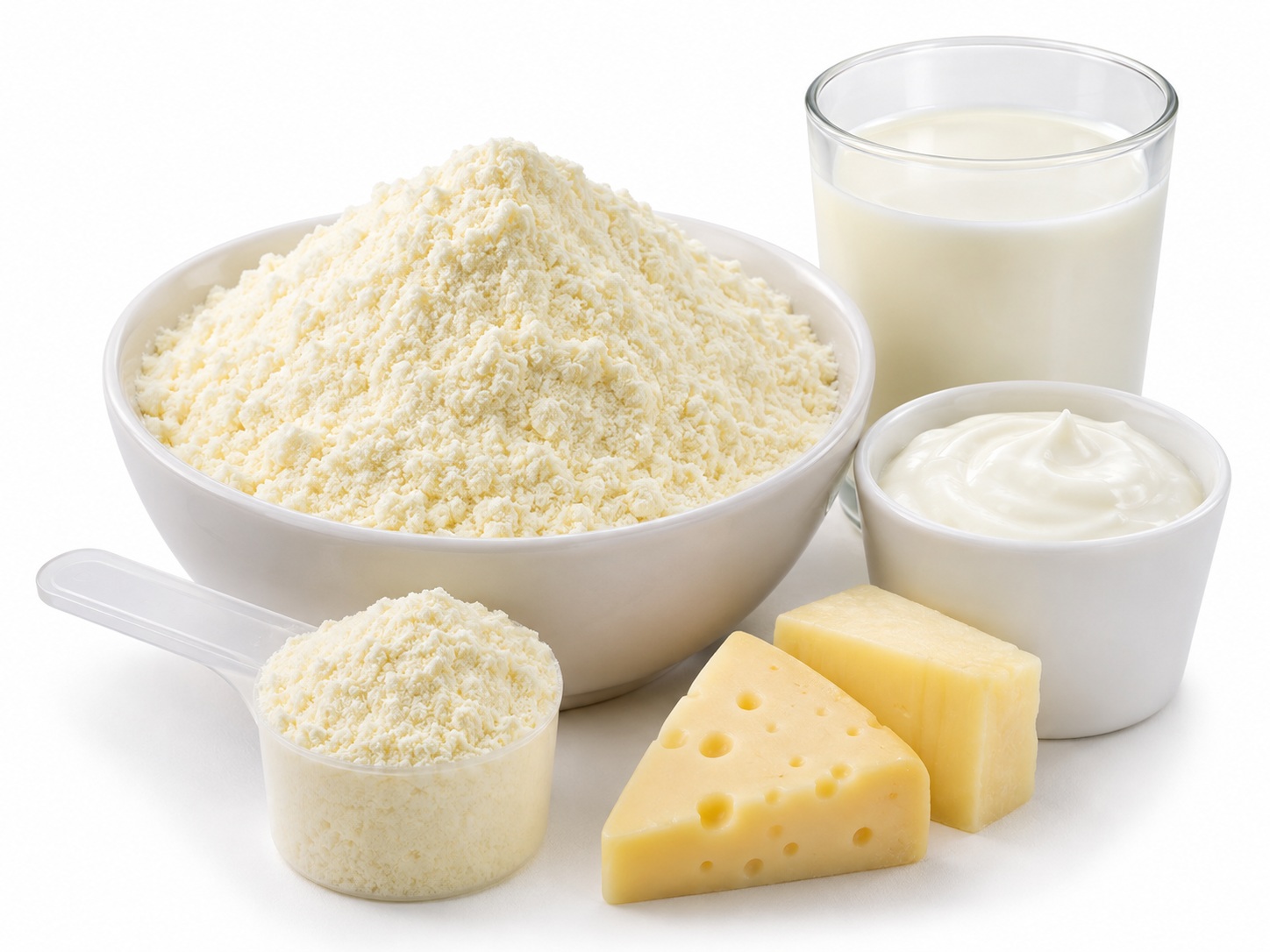
Milk Powder & Dairy
Nitrogen-flushed filling for dairy powders and desserts.
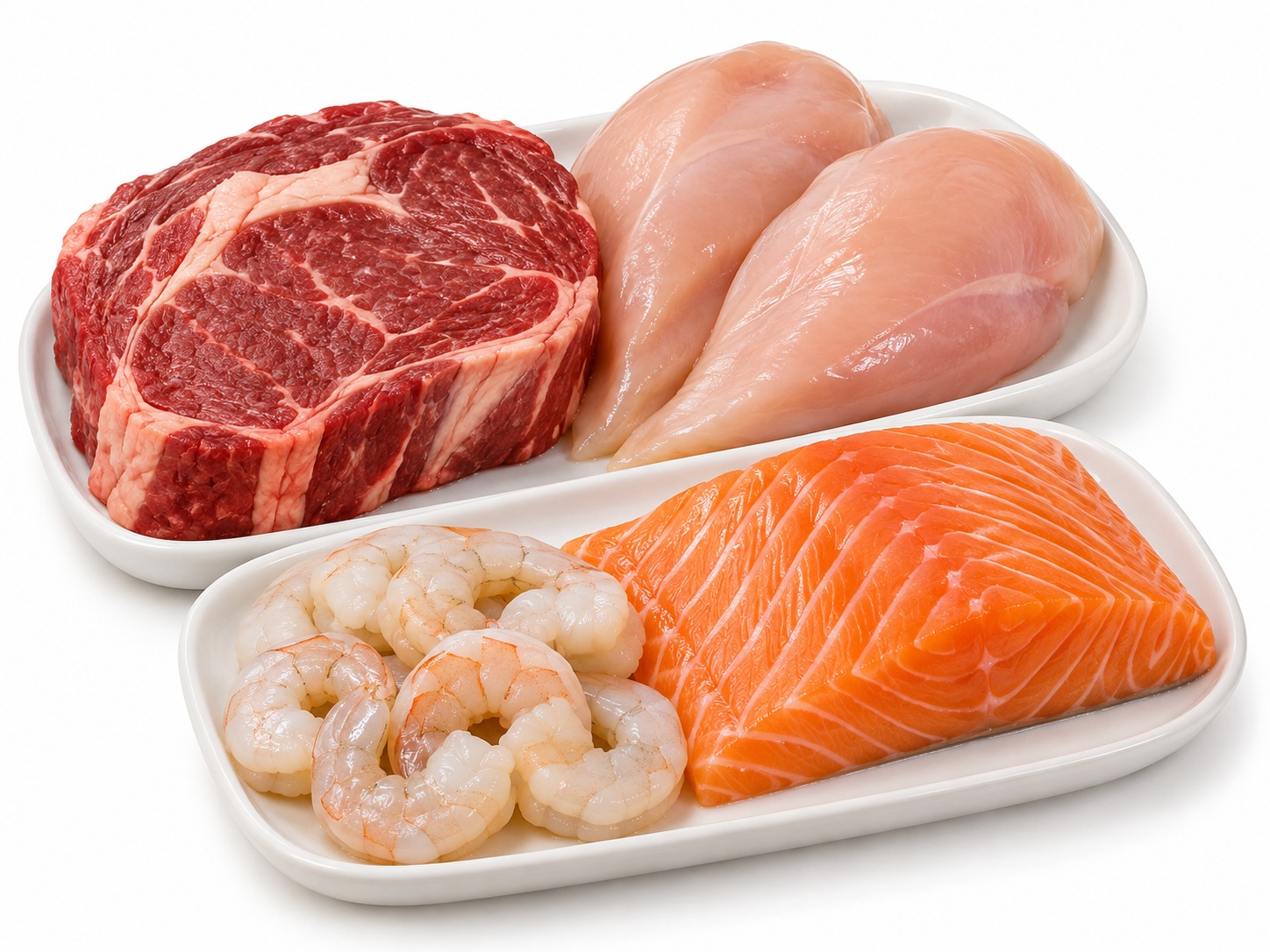
Meat, Poultry & Seafood
Vacuum and retort-ready packaging for chilled and frozen protein.

Candy & Chocolate
High-speed wrapping and bagging for confectionery.
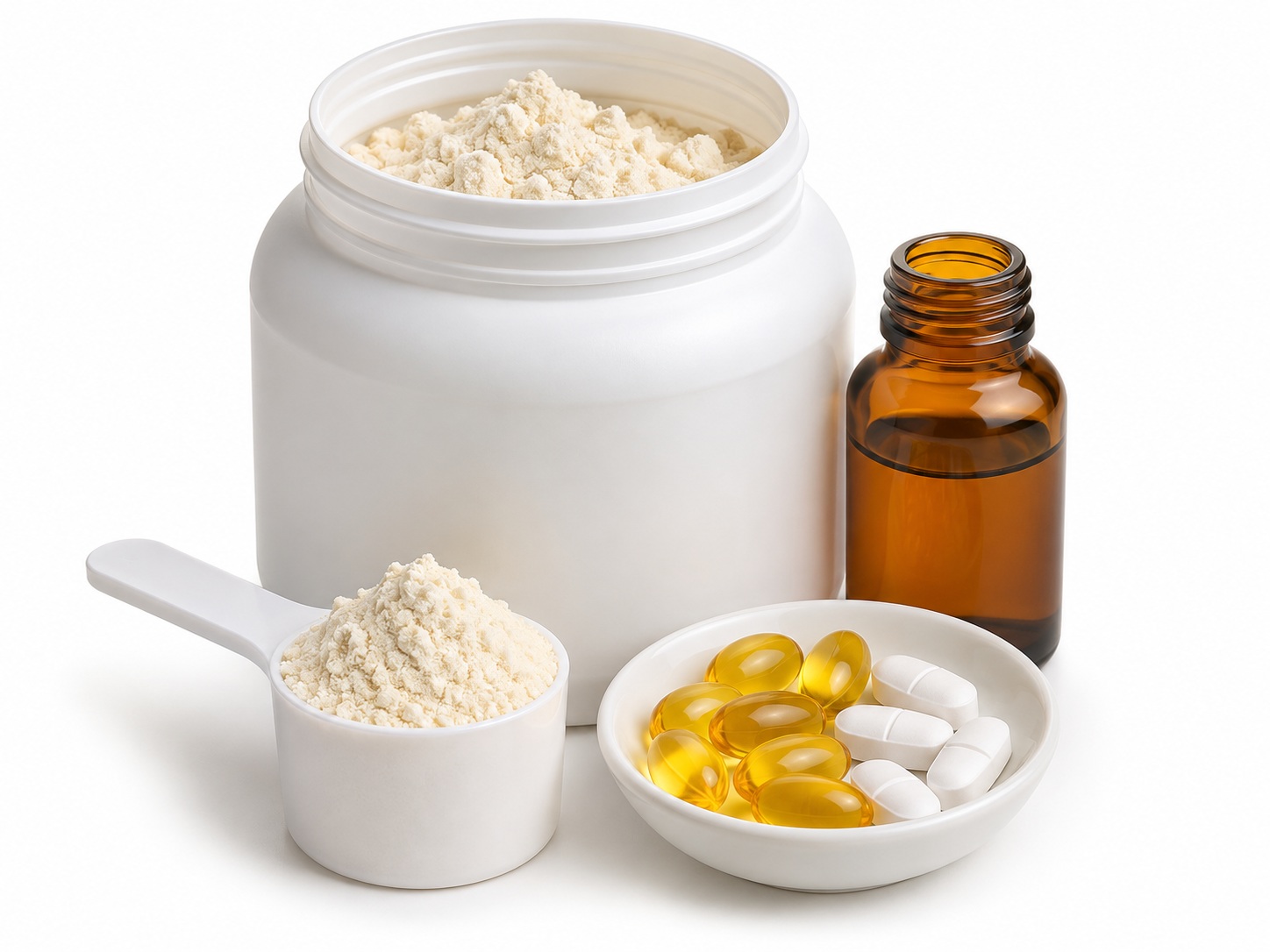
Supplements, cosmetics and household chemicals — powders, gels and liquids with compliance needs.
Grains, Spices & Dry Foods
Beverages, Snacks & Sweets
Health, Personal & Home Care
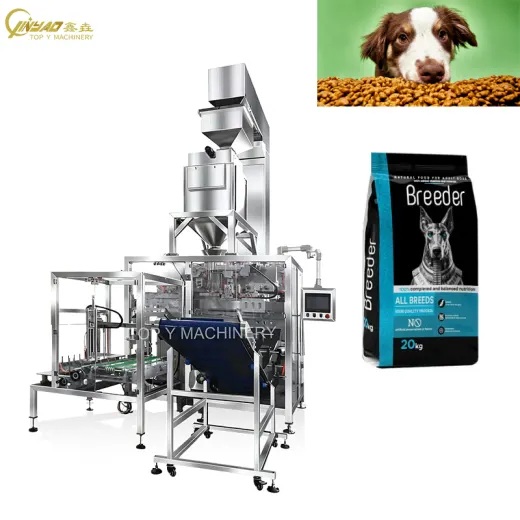
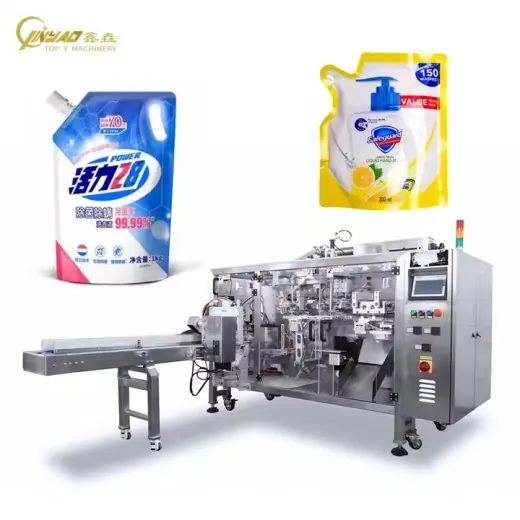
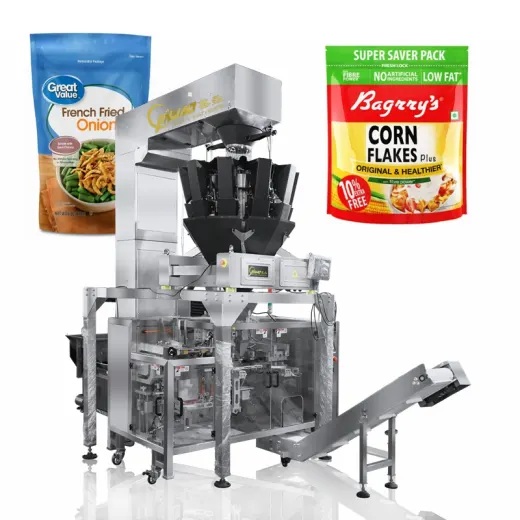




US Hemp Flower Packaging: A Custom Cannabis Packaging Machine for 1 kg Shaped, Vacuum-Sealed Pouches
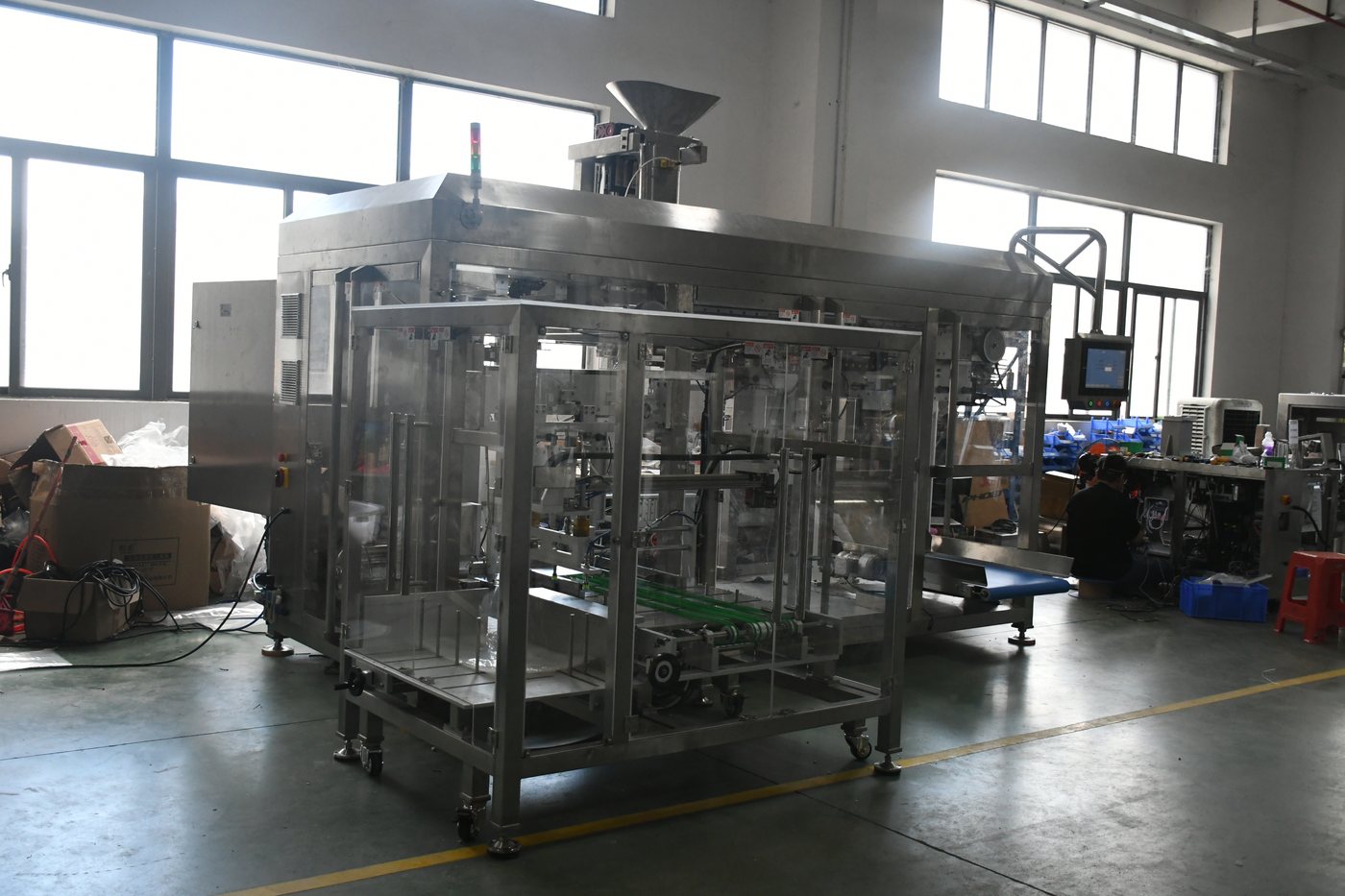
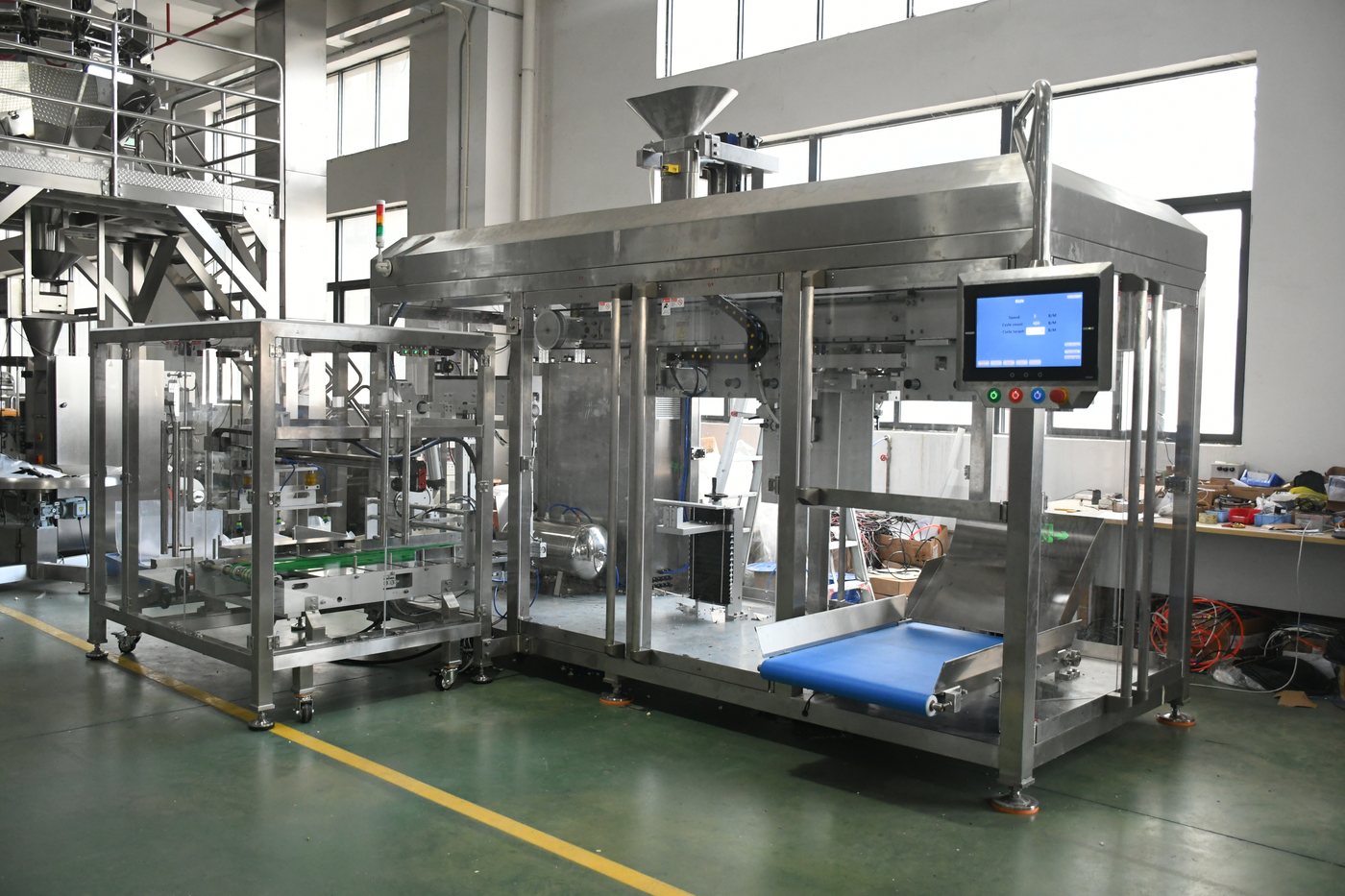
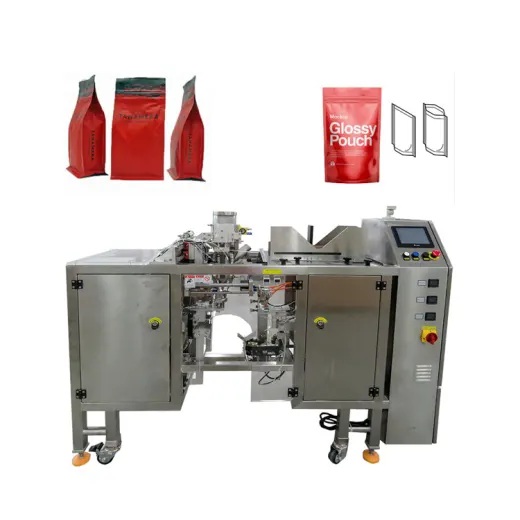
Hemp flower (cannabis flower, in the wording most of the trade uses) is a shelf-product business: the trimmed, dried buds of industrially grown hemp, sold to end customers in resealable pouches and to wholesalers in larger bags — and on the shelf, the pouch itself is part of the brand. The company behind this project is a US hemp flower brand doing exactly that. Every pack left its bench the same way: filled by hand, pressed into shape, then vacuum-sealed one pouch at a time. Two steps — shaping and vacuum — fought each other on the same bench, batch after batch, and the order book had grown past what that rhythm could ship. They came to us with a blunt requirement: large premade pouches, shaped and vacuum-sealed in one automatic cycle, running at 5–8 bags per minute. The project record states the customer's pain point and target: large-bag packaging combined with shaping and vacuum extraction was hard to achieve together, and the required speed was 5–8 bags/min. What follows is our engineering reading of that brief, not additional claims made by the customer. Two lines in the brief carried the engineering. First, the pack was a large premade pouch at 1 kg of hemp flower per bag — the wholesale-facing size, big enough that every extra second in the cycle costs real throughput. Second, the hard part was never just filling: the pouch had to be shaped and have the air drawn out before sealing, because a loosely filled 1 kg bag looks cheap, seals poorly and stacks worse. Filling a big pouch is a solved problem; filling it, compacting it and vacuum-sealing it in one continuous automatic cycle is what made this a customized build. The bag decided the first half of the selection. The pack is a premade pouch, so a vertical form-fill-seal machine was ruled out at the start — it cannot handle a pouch that already exists. A premade bag packing machine was the match, and specifically the MDPL platform: a horizontal premade bag machine that picks each pouch from the magazine, opens it, fills it from the side and seals it while the bag lies flat. Horizontal side-filling keeps the sealing area clean — on a 1 kg pouch, where the seal carries the whole bag's weight, that matters more than it sounds. On a cannabis packaging machine working at this pack size, the same seal is the difference between a pouch that holds its vacuum and one that quietly leaks it somewhere in transit. The product decided the second half. Dried flower buds behave like a chunky, fragile granule — the same handling logic as any granule packaging machine line — so gentle transfer and low-drop filling were part of the layout. What turned the standard platform into a customized build was the acceptance criterion most machines skip: a shaping-and-vacuum station integrated between filling and sealing, so the pouch is compacted, the air is drawn out, and the seal closes on a settled, de-aerated bag. That station is the difference between a machine that fills big bags and a machine that ships shelf-ready ones. Steps 4 and 5 are described as one integrated station in the project record; the exact internal sequence shown here is our engineering reading of how the requirement maps onto the platform. The customized MDPL line in motion Equipment footage from our official channel: the horizontal premade-bag cycle — pick, open, fill, shape, vacuum, seal — running continuously. Source: TOP Y MACHINERY official YouTube channel. Equipment footage, not an on-site recording of this installation. Customization on this project was not a bigger motor or a longer conveyor. It was three specific engineering decisions. One: moving shaping and vacuum inside the automatic cycle, so the two manual bench steps the customer had lived with simply stopped existing. Two: tuning the speed profile around the 1 kg mass — a heavier pack changes the fill time, the settling time and the vacuum dwell, and pretending otherwise is how lines end up slower than promised. Three: keeping the seal on a settled, de-aerated pouch, which protects both the seal integrity and the flat, shelf-ready bag shape the brand sells on. Each decision is visible in the video above; none of them appears on a standard datasheet. Every figure below comes from the project record and the commissioning result. Where a figure is not in the record, the cell says so instead of borrowing one. What we deliberately do not claim: pouch dimensions, vacuum level, weighing tolerance, headcount saved, or a payback period — none of these were in the record. One figure deserves its own sentence: 7 bags/min looks slow next to the MDPL's published 15–30 bags/min range, and that gap is the point, not a shortfall — the published range is the platform's envelope for lighter packs without vacuum dwell, and the customer's own 5–8 target already priced in what shaping and vacuum cost a 1 kg cycle. The customer's feedback came back short and unhesitating. Quoted here in English as a faithful paraphrase of their original words — not polished into marketing copy. “As always” is the word worth keeping. It means this was a repeat relationship, and the trust had been built on earlier machines behaving the way earlier promises said they would. An “impossible” task that ships at target speed is how that kind of trust compounds. First, put the hard combination in the acceptance criteria, not the wish list. Shaping and vacuum were the customer's two manual pain steps; writing them into the machine's required cycle — with a target speed attached — is what made them disappear. Second, size the speed expectation to the cycle, not the datasheet: vacuum dwell and 1 kg dosing consume real seconds, and a 5–8 target validated at 7 beats a headline number the line can never hold. Third, fragile premium products punish rough handling twice — once in the bag and once on the shelf — so low-drop filling and horizontal pouch handling are not luxuries on a hemp flower packaging line; they are the product's own quality control. Typical fit: dried flower buds and other chunky, free-flowing products packed at 50 g–1 kg into premade pouches that must hold a shaped, de-aerated, resealable form, at cycle rates in the 5–8 bags/min class once vacuum is part of the cycle. The same platform logic covers adjacent large-pouch work — rice, seeds and other bulk-sized dry goods in 1 kg-plus bags — though it is not the answer for fine powders that need auger dosing (see our Germany case) or irregular leaf tea (see our Taiwan case). Vacuum-and-shape is a customization, so we confirm what it costs your cycle with a sample trial before quoting a number. Send us your pouch, your product and your target speed, and our engineers will lay out a cannabis packaging machine line against the same logic.01When the pouch has to look as good as the flower inside
02What the brief actually contained
03The brief, written as acceptance criteria
04Why a horizontal premade-bag platform — and why customized
05Inside the line
06What “customized” actually bought
07The measured result
Measure
Before
After
Basis
Cycle rate
Manual shaping + vacuum at bench — rate not recorded
7 bags/min on 1 kg packs, shaped and vacuum-sealed
Commissioning record
Customer target
5–8 bags/min requirement
Met — inside the target band
Project record
Shaping + vacuum
Two manual steps per pouch
One automatic cycle
Project record
Pack format
Large premade pouches, hand-filled
1 kg hemp flower per premade pouch
Project record
08How the customer put it
“As always, we trust TOP Y MACHINERY to deliver what sounds impossible — the machine is excellent, and we love it.”— Customer feedback after commissioning, paraphrased and translated from the original message. US hemp flower brand.
09Three things this project teaches
10Where this configuration fits — and the next step