Leading Manufacturer of Intelligent Food Packaging Machinery
Tea Packaging Line, Taiwan, China: How One Machine Took Over Every Bag Size
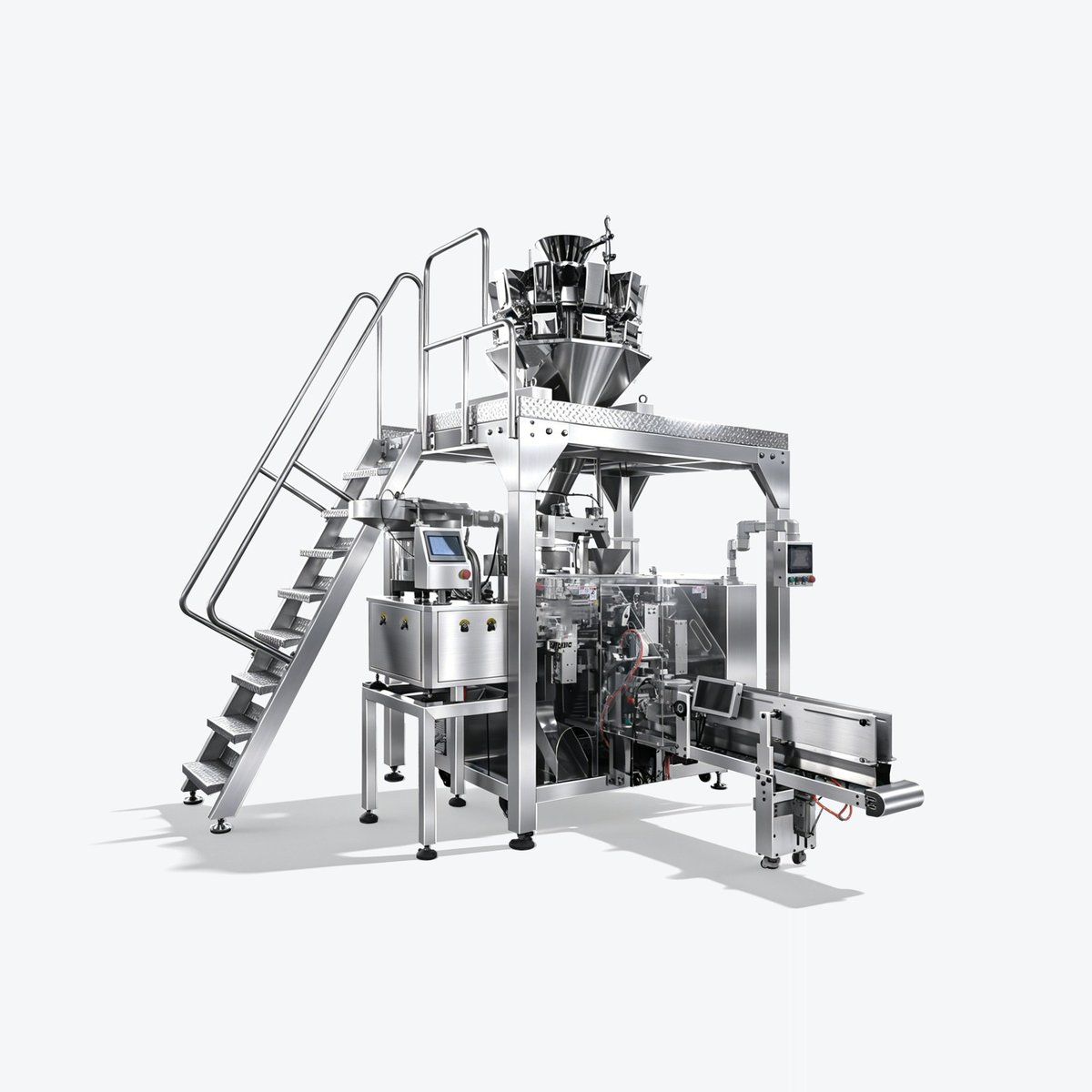
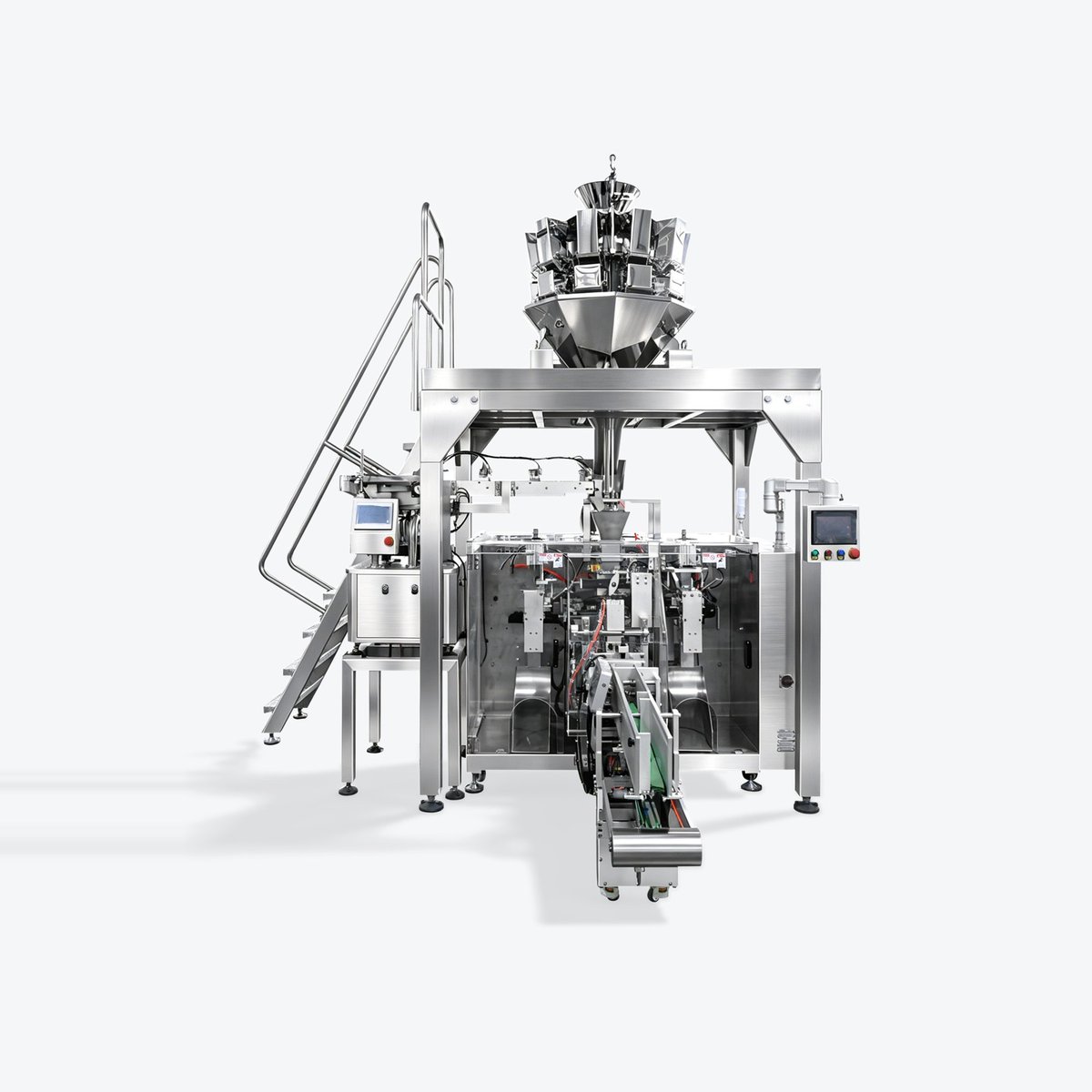
A tea plant rarely sells its leaf in one pack. Shelf pouches, larger home packs, seasonal gift formats — the same tea has to reach the shelf in a whole range of premade bag packaging machine sizes. That product range is exactly where this producer — a food factory in Taiwan, China — got stuck. The old packaging machine could not handle every bag size the plant needed, so whatever the machine could not run, people packed by hand. The customer recorded one pain point: the old machine could not accommodate multiple bag sizes, which pushed packing back onto workers. What follows is our engineering reading of that pain point, not a statement made by the customer. A machine built around one bag format treats every other format as a changeover problem: mechanical adjustment, trial runs, downtime. For a plant with many SKUs, those changeovers never stop arriving — so the small and seasonal runs drift to manual packing. Leaf tea makes manual packing especially unattractive: it is light, bulky and irregular, so filling by hand is slow and labour-hungry. The result is a two-tier operation — machine for the formats it likes, people for everything else — and the people side keeps growing with the catalogue. That is the specification the line was designed against. Leaf tea is a granule product with a catch: the pieces are irregular and the bulk density is low, so the dosing method matters more than the filling speed. A multihead combination weigher answers that: ten weigh heads each hold a partial dose, and the controller selects the best combination of buckets to hit the target weight — fast, and accurate enough for a product that cannot be levelled off with a scoop. In a granule packaging machine, that is the standard answer for piece-wise irregular products. The bagging side is the horizontal premade bag packing machine — the MDPLG packing machine. A horizontal premade-bag machine takes ready-made bags, and the format is a machine setting rather than a fixed datum: different bag sizes run on the same frame. That is the property the old machine lacked, and it is the reason the new line could take over the whole catalogue instead of the easy half of it. The line is short by design — one operator, one weigher, one bagger — running one continuous cycle: See the tea packing cycle in motion The film shows the same machine family running a tea doypack cycle: bag pick-up, filling from the weigher above, and sealing — the sequence described in Step 2–3 above. Equipment footage from the TOP Y MACHINERY channel (Tea bag doypack packing machine within vacuum function). It shows the machine type and the packing cycle, not the customer's plant, and is not a measurement of output. The two-tier operation is gone. Every bag size in the catalogue now runs on the same line — the formats the old machine could handle and the ones it could not. The manual packing that grew up around the old machine's limits has been retired, and with it the labour cost that came with packing light, bulky tea by hand, shift after shift. The number the plant records for that change is concrete: about USD 60,000 a year in labour cost saved. Commissioning was carried out by our engineers on site, and the plant's own account of it was that the new line runs steadily and the installation went smoothly. The headline figure comes from the project record, not from a projection: labour cost down by about USD 60,000 per year. No cycle rate was logged for this line, so none is quoted here. What we deliberately do not claim: packing speed, the number of workers redeployed, weighing tolerance or a payback period. Those require records this project does not contain. A like-for-like labour figure is only meaningful against the plant's own wage structure. First, a multi-SKU plant buys flexibility, not peak speed — one format-agnostic bagger beat the two-machine arrangement it replaced, because the bottleneck was never dosing, it was coverage. Second, irregular products like leaf tea are a weigher problem before they are a bagger problem; the 10-head combination weigher is what makes an automatic granule packaging machine cycle honest at low bulk density. Third, labour savings can carry a case study on their own when the plant actually records them — USD 60,000 a year is a number the sales team can stand behind. That is the difference between shopping for food packaging machinery by nameplate and commissioning a line against your own cost structure. Typical fit: plants running many premade bag sizes of light, irregular granule products — tea, herbs, dried flowers and similar leaf goods. On dedicated tea packaging machinery like this MDPLG line, the achievable rate depends on the bag format range, the leaf grade and the target weights, so we confirm it with a sample trial rather than a brochure figure. Send us your tea sample, your bag size list and your target output, and our engineers will map a line — and tell you honestly how much of your catalogue one machine can cover.01The moment a new bag size broke the line
02What "incompatible" actually meant
03The brief, written as acceptance criteria
04Why a 10-head combination weigher — and one bagger for all sizes
05Inside the line
06What changed for the plant
07Results, and what the record actually supports
Measure
Before
After
Basis
Bag-size coverage
Old machine locked to its sizes; the rest packed manually
One line runs every bag size sold
Project brief
Annual labour cost
Manual packing carried the formats the machine could not run
Reduced by ≈ USD 60,000 / year
Project brief
Dosing method
—
10-head combination weigher, matched to irregular leaf
Brief + equipment photos
Cycle rate
Not recorded
Not quoted — deliberately
Evidence discipline
08How the customer described it
Feedback from the plant was matter-of-fact: the new line runs steadily, and the engineers' on-site installation and commissioning went through without a hitch.— Customer feedback, project brief
09Three things this project teaches
10Where this configuration fits — and the next step