Leading Manufacturer of Intelligent Food Packaging Machinery

Sunflower Seed Packaging Line, UK: From 3 Bags a Minute by Hand to 20 by Machine
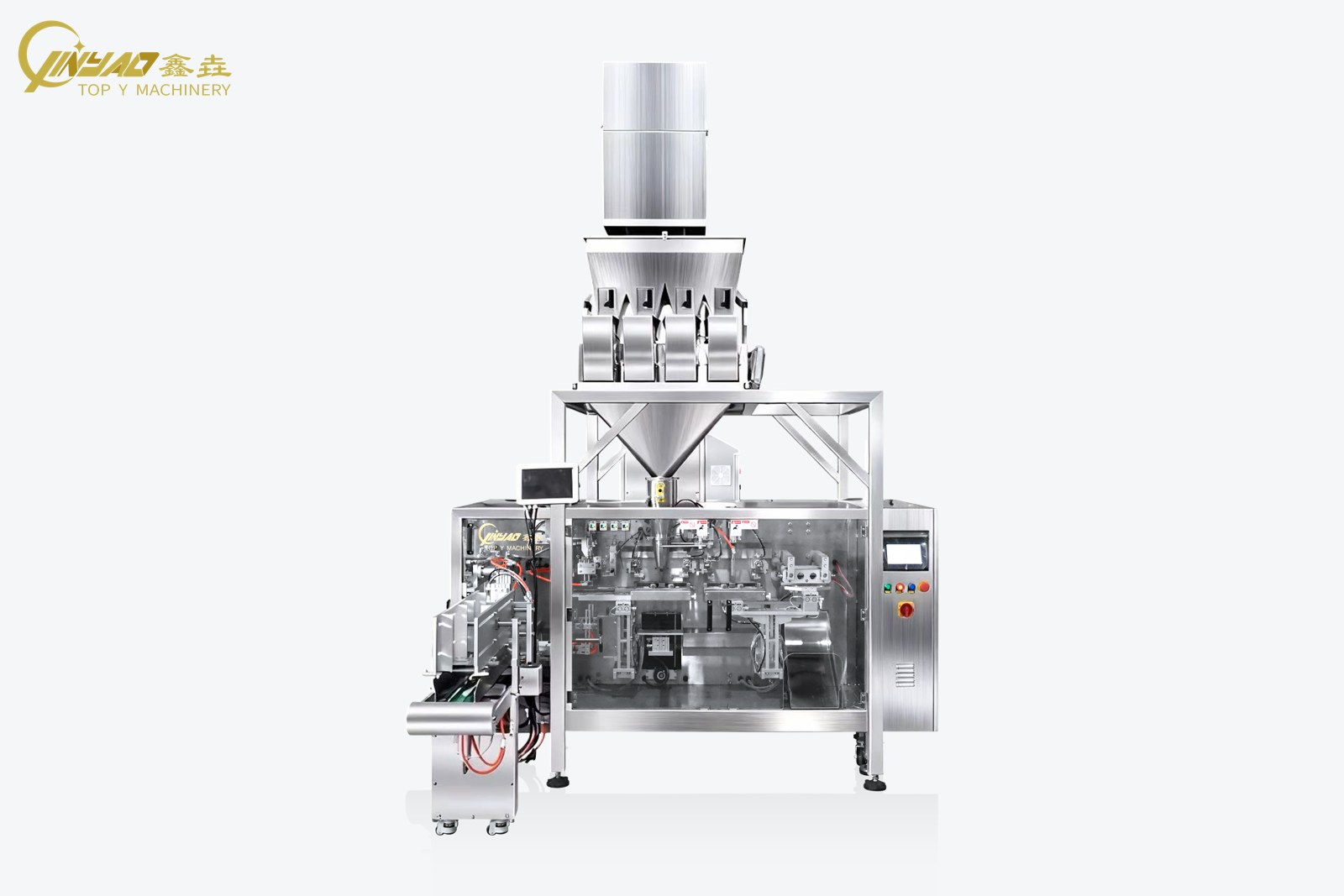
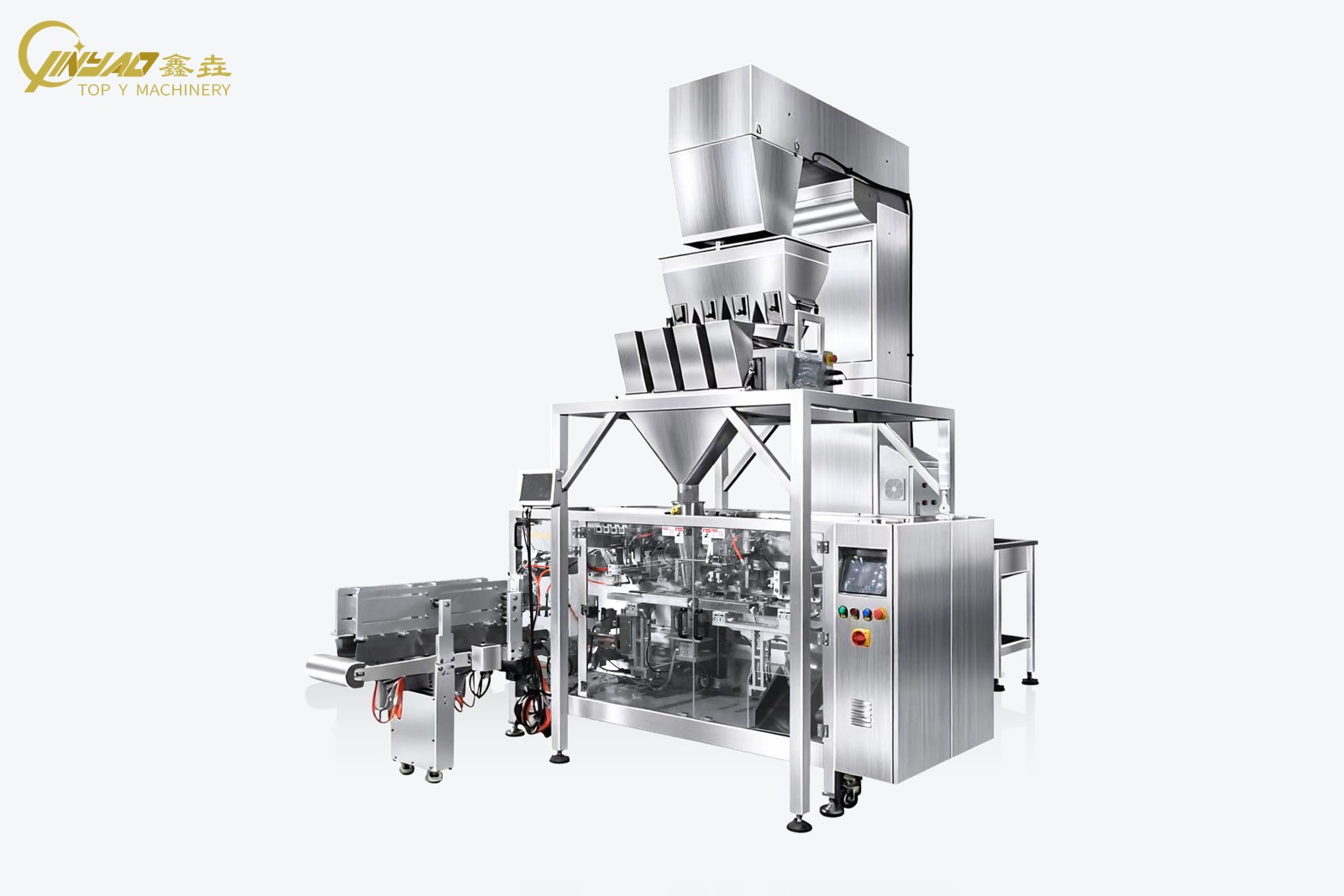
On a manual sunflower seed packaging line, the ceiling is not demand — it is hands. A worker weighs a portion, funnels it into a bag, seals it, reaches for the next one: three finished bags a minute, every minute bought at UK wage rates. For a food factory in the United Kingdom selling sunflower seeds in snack packs, that arithmetic stopped working. The brief we received said it plainly: weighing, bagging and sealing by hand was too slow, and labour was expensive. The customer recorded one pain point: manual weighing, bagging and sealing could not keep up, and labour cost was high. What follows is our engineering reading of that pain point, not a statement made by the customer. A manual pack is a serial cycle: three stations — weigh, fill, seal — each waiting for the previous pair of hands, repeated thousands of times a day. No amount of effort changes the structure; output is capped by how fast a person can move 3 bags a minute, shift after shift. And unlike a machine, the cost of those hands rises every year. The plant did not need a faster worker. It needed the whole cycle taken out of human hands. That is the specification the line was designed against. Sunflower seeds are the friendly case for a granule packaging machine: free-flowing, uniform, dry. For a single-SKU plant at this pack size, a 4-head linear weigher doses accurately at the required rate without the cost of a larger multihead system — the right weigher is the one matched to the product and the target rate, not the biggest one on the stand. Upstream, a Z-type bucket elevator carries the seeds gently up to the weigher hopper, so the weigh heads never wait for product. The bagging side is the MDPL packing machine — a horizontal premade bag packing machine that picks each premade bag, opens it, receives the weighed dose and seals it in one automatic cycle. Because the bags are premade, the pouch on the shelf is the pouch the brand designed. Three pieces of equipment, one timed sequence, from hopper to sealed pouch: See the 250 g cycle in motion Sunflower seeds on camera: weighing, filling into a premade bag and sealing as one cycle — the sequence in Step 2–4 above, at the pack size referenced in the film's title. Equipment footage from the TOP Y MACHINERY channel (250g sunflower seed packing machine). It shows the machine type and pack size, not the customer's plant, and is not a measurement of output. The three-station manual relay is one supervised job. Seeds go into the elevator hopper; weighing, filling and sealing run as a machine rhythm; finished pouches come off the discharge. The people who used to stand at the table are no longer the throughput limit — the cycle now runs at the speed the line was built for, and it does not rise with the wage bill. The project record is unusually concrete on both ends of the comparison: the manual line ran at 3 bags per minute; the commissioned MDPL line runs at 20 bags per minute. That is roughly 6.7 times the output, by calculation from the two recorded rates. What we deliberately do not claim: weighing tolerance, reject rate, labour headcount before or after, or a payback period. At 250 g per bag the line moves about 300 kg per hour by calculation — but the pack weight comes from the equipment film's title, not the project brief, so we flag it rather than build on it. First, when manual output is the ceiling, the fix is a line, not a faster worker — weigh, elevate, fill and seal only pay off as one synchronised sequence. Second, match the weigher to the product and the target rate: the 4-head linear weigher was the economical answer here, while our Taiwan tea case needed a 10-head combination weigher because leaf tea is irregular where seeds are uniform. Third, food packaging machinery purchases are won on the arithmetic the plant can already see — 3 bags a minute by hand against 20 by machine is a business case that writes itself. Typical fit: free-flowing granules — seeds, nuts, grains — in premade pouches at small-to-mid pack sizes, where the current ceiling is a manual packing table. Achievable rate depends on the pack weight, the bag format and the product's flow behaviour, so we confirm it with a sample trial before quoting a number. Send us your product, bag specification and target output, and our engineers will lay out a sunflower seed packaging line against the same logic.01Three bags a minute, priced in British labour
02What "too slow" actually meant
03The brief, written as acceptance criteria
04Why a linear weigher — and gravity feeding upstream
05Inside the line
06What the operator's shift looks like now
07Results, and what the record actually supports
Measure
Before
After
Basis
Cycle rate
3 bags/min — manual weigh, fill, seal
20 bags/min on the MDPL line
Project brief
Relative output
—
≈ 6.7× (calculated from recorded rates)
Calculated
People on the packing cycle
Manual multi-station
Supervised automation
Project brief
Pack weight
—
250 g per the equipment film title — to be confirmed
Video title (TBC)
08How the customer described it
Asked about the result, the plant kept it short: the line has effectively solved the capacity problem.— Customer feedback, project brief
09Three things this project teaches
10Where this configuration fits — and the next step