Leading Manufacturer of Intelligent Food Packaging Machinery

- TOP Y MACHINERY
- Horizontal Packing Machine
Horizontal Packing Machine
Flat, stand-up and spout pouches filled and sealed along a horizontal line.
- Filling Machines
Filling Machines
Stand-alone weighing and filling heads for granules, powders, liquids and pastes.
- Doypack Machine
Doypack Machine
Premade doypack pouches, from compact models to high-output rotary lines.
- Vertical Bagger
Vertical Bagger
Form-fill-seal bags for granules, powders, liquids and pastes.
- Rotary Packing Machine
Rotary Packing Machine
Carousel lines for premade pouches with multi-station filling and sealing.
- Packing Conveyor System
Packing Conveyor System
Modular conveyors that link filling, sealing and cartoning stations.
- Auxiliary Equipment
Auxiliary Equipment
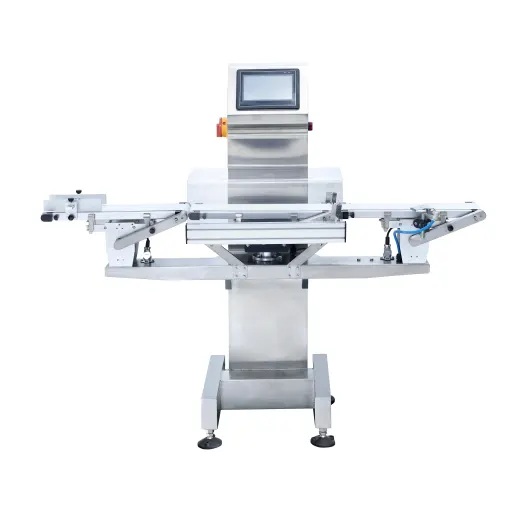
Weighers, fillers, checkers and end-of-line handling around the main machine.
Horizontal Packing Machine
Filling Machines
Doypack Machine
Vertical Bagger
Rotary Packing Machine
Packing Conveyor System
- Horizontal Packing Machine
- TOP Y MACHINERYBY PRODUCT FORM
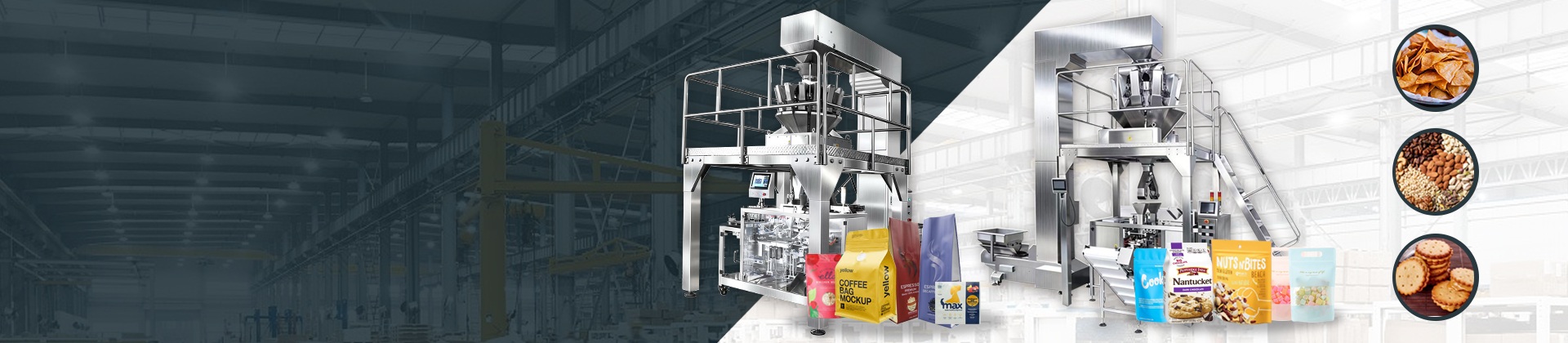
Granular Food Packaging
Weighing, filling and sealing for rice, nuts, frozen goods and granules.
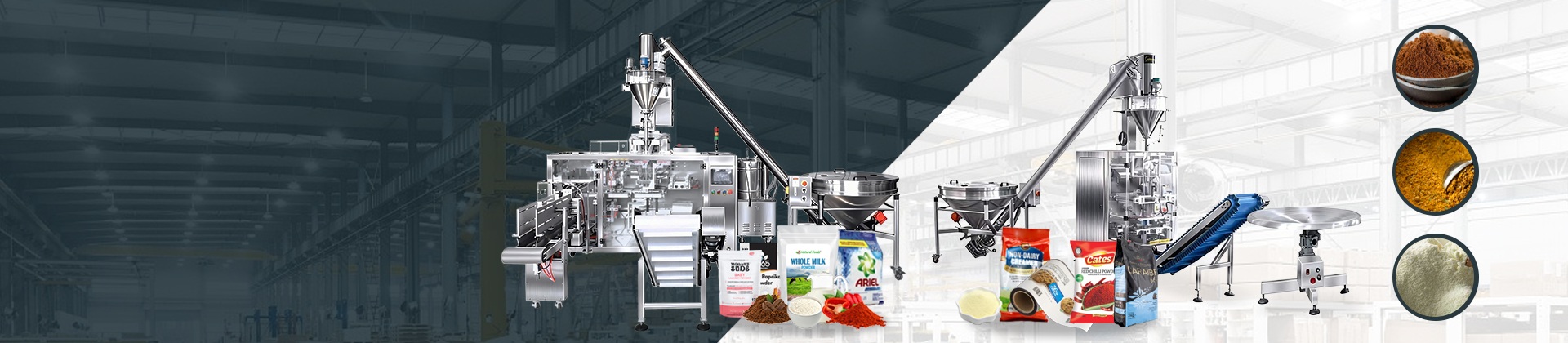
Powder Food Packaging
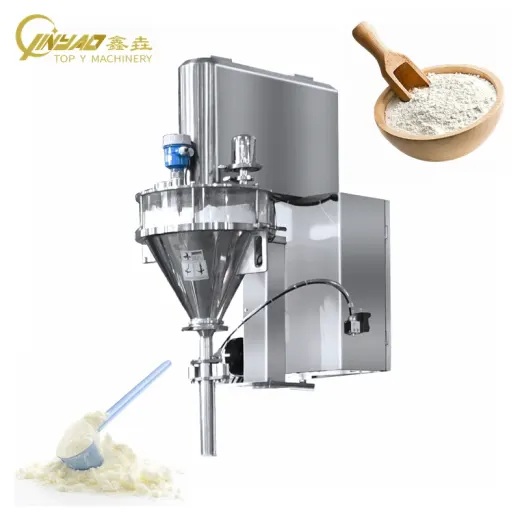
Dust-controlled auger dosing for flour, milk powder and spices.
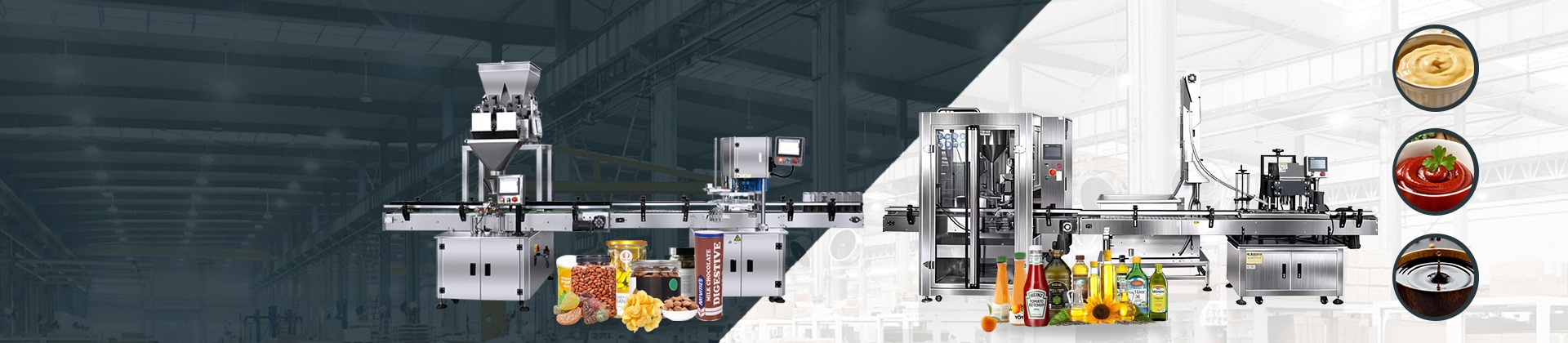
Liquid & Sauce Packaging
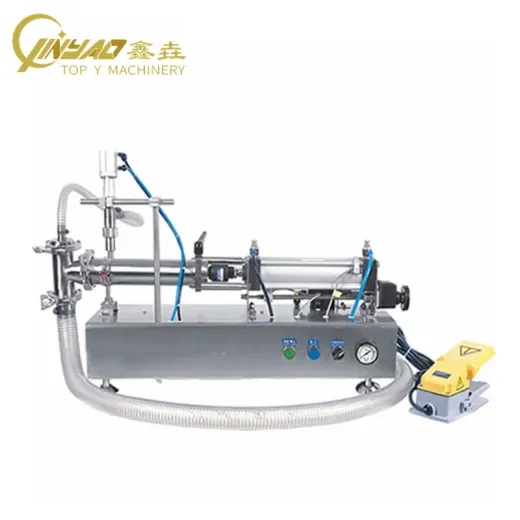
Piston and flow-meter filling for sauces, juices and pastes.
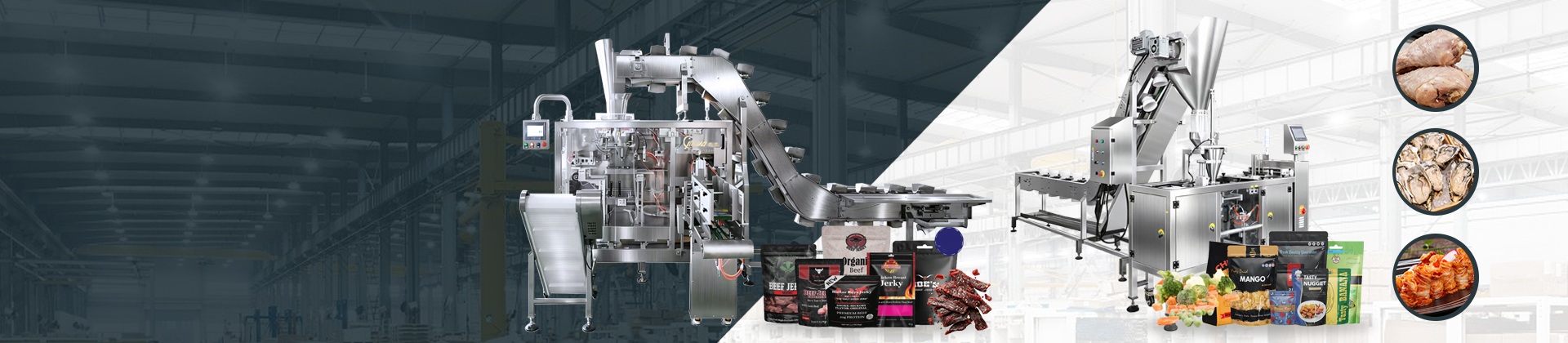
Block & Solid Packaging
Heavy-duty pouch and carton lines for blocks, bars and solid pieces.
- TOP Y MACHINERYBY APPLICATION
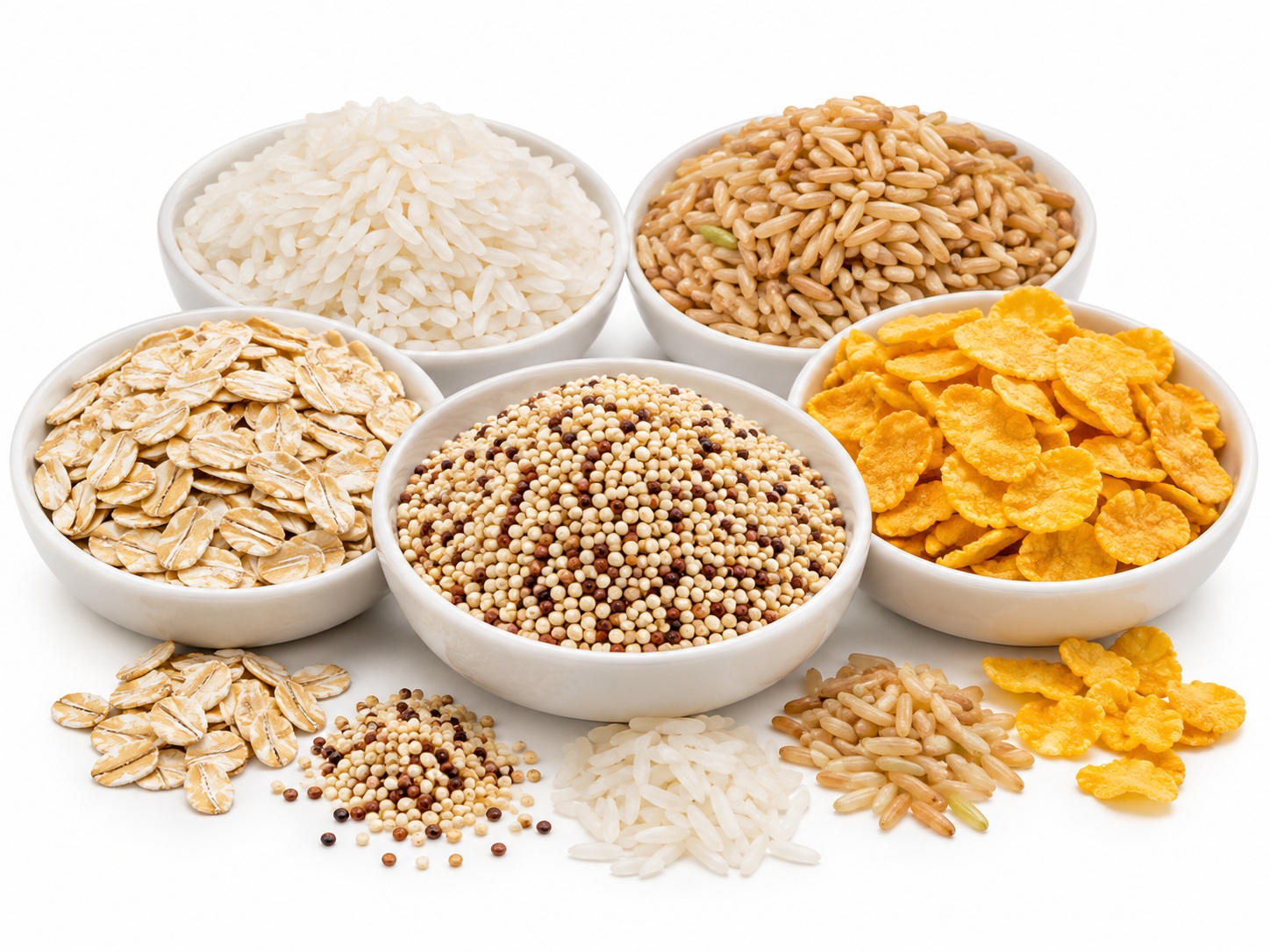
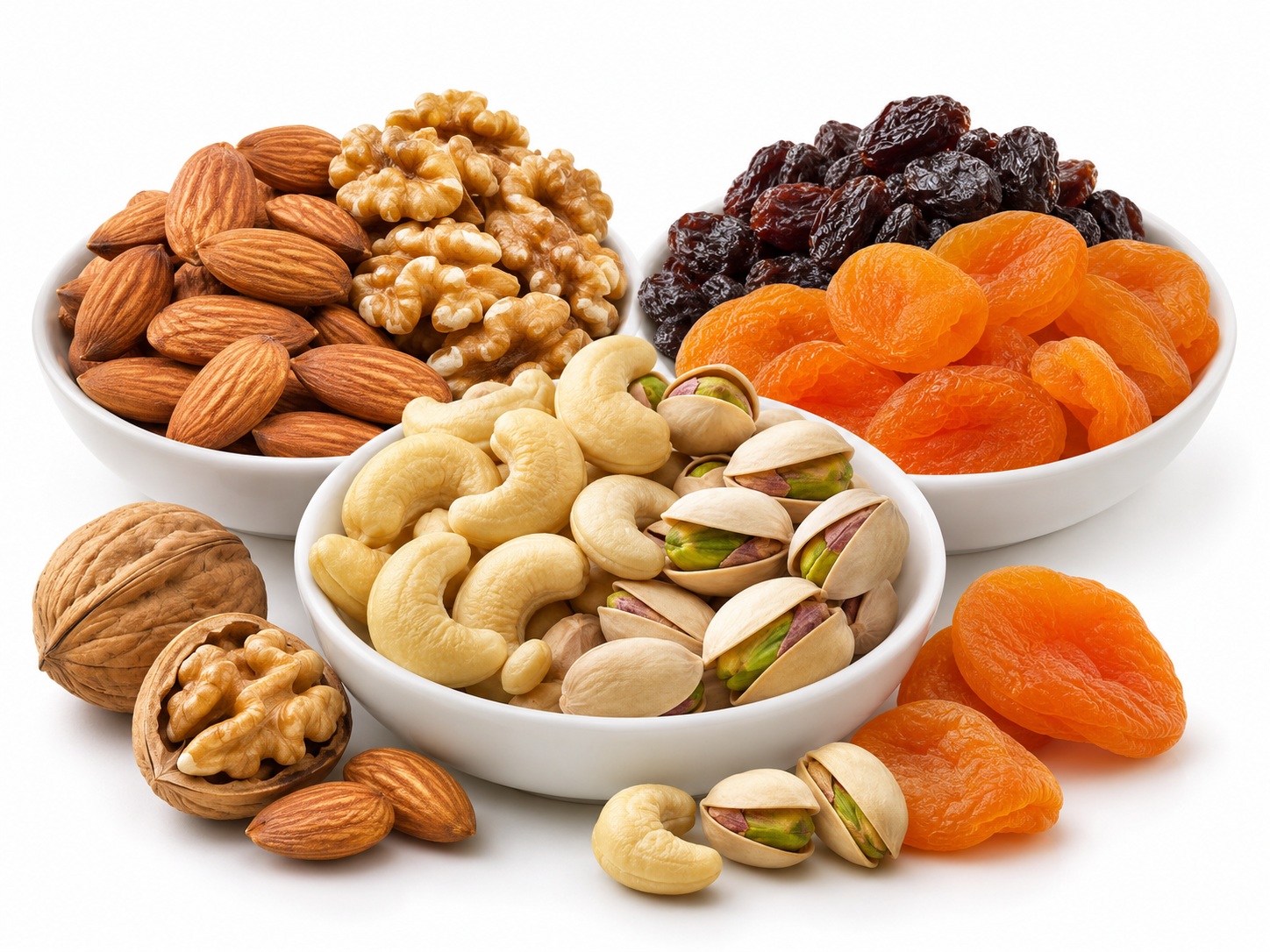
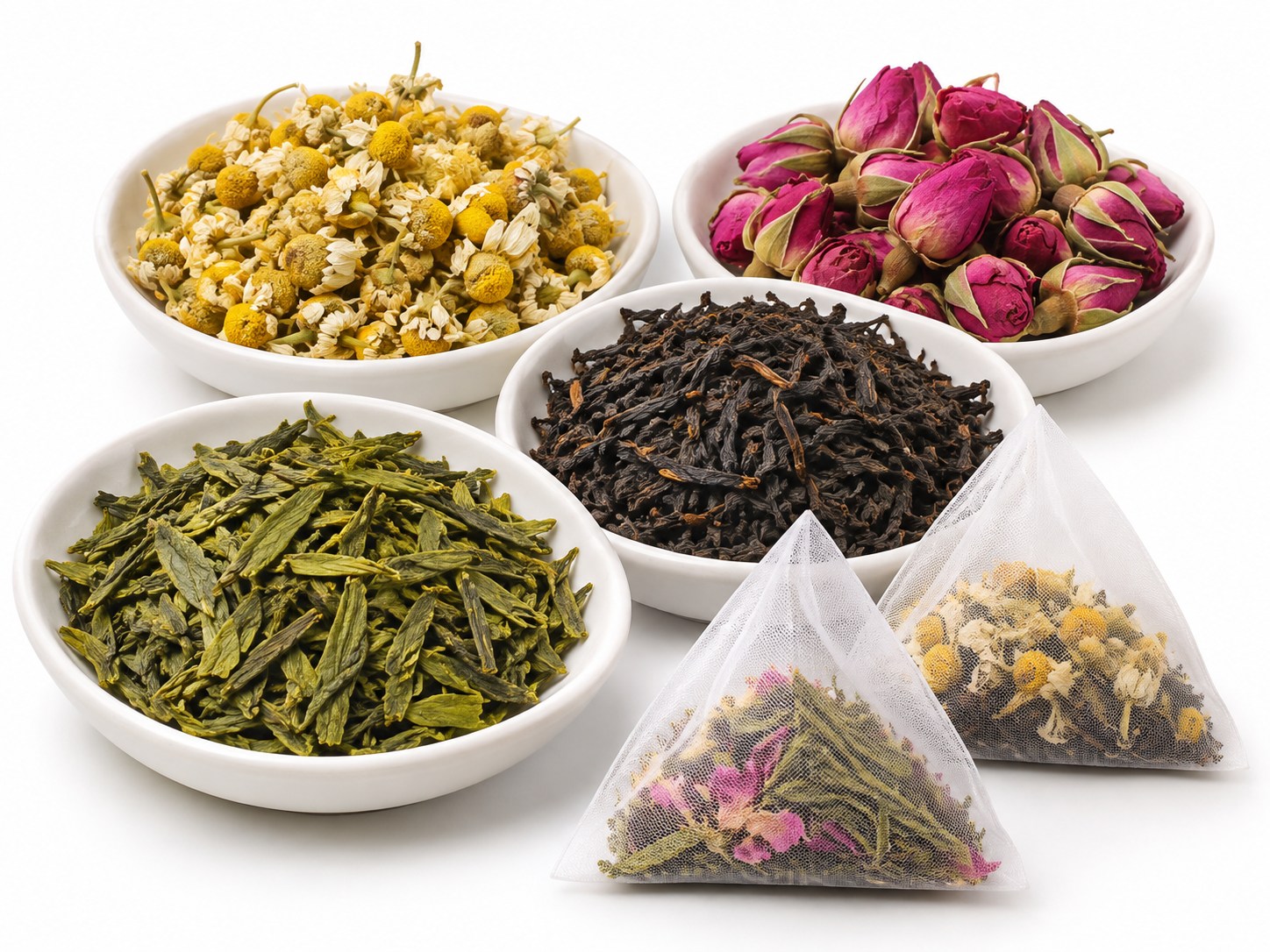
Rice, grains, spices, nuts and tea — dry products weighed and sealed in pouches or bags.
Sauces, dairy powders, protein and confectionery — wet, sticky and heat-sensitive products.
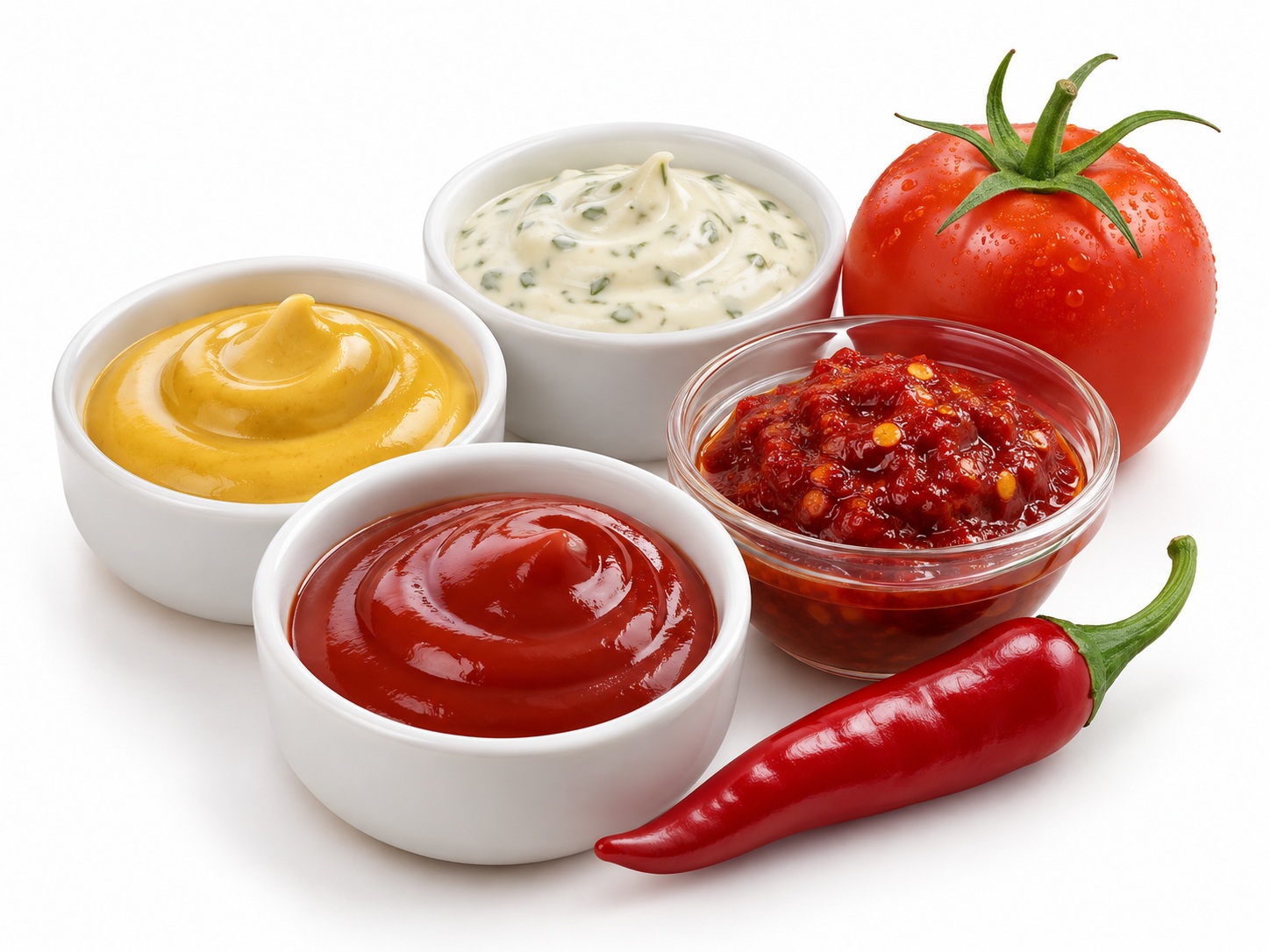
Sauces & Condiments
Sachet and pouch filling for ketchup, dressings and pastes.
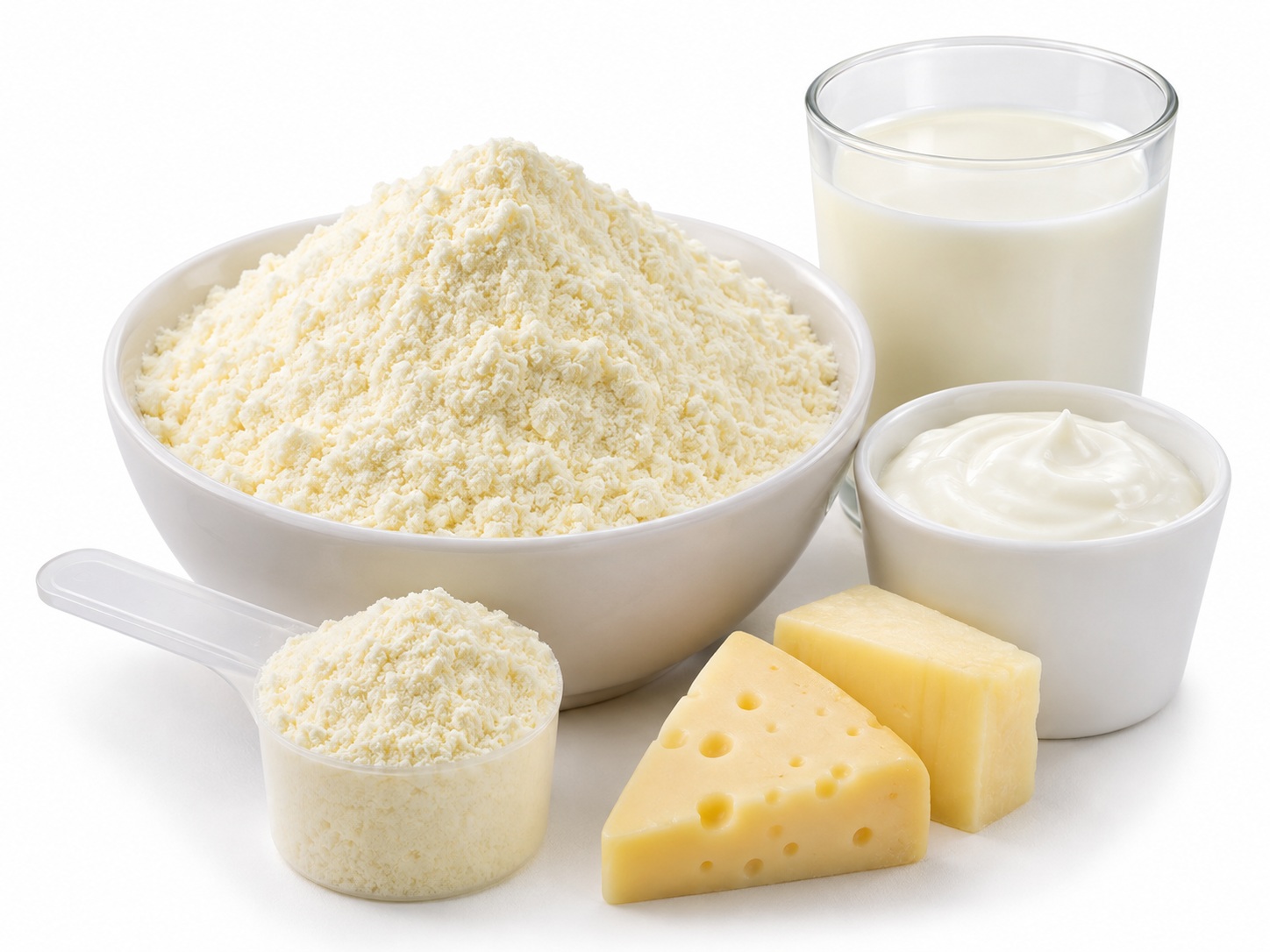
Milk Powder & Dairy
Nitrogen-flushed filling for dairy powders and desserts.
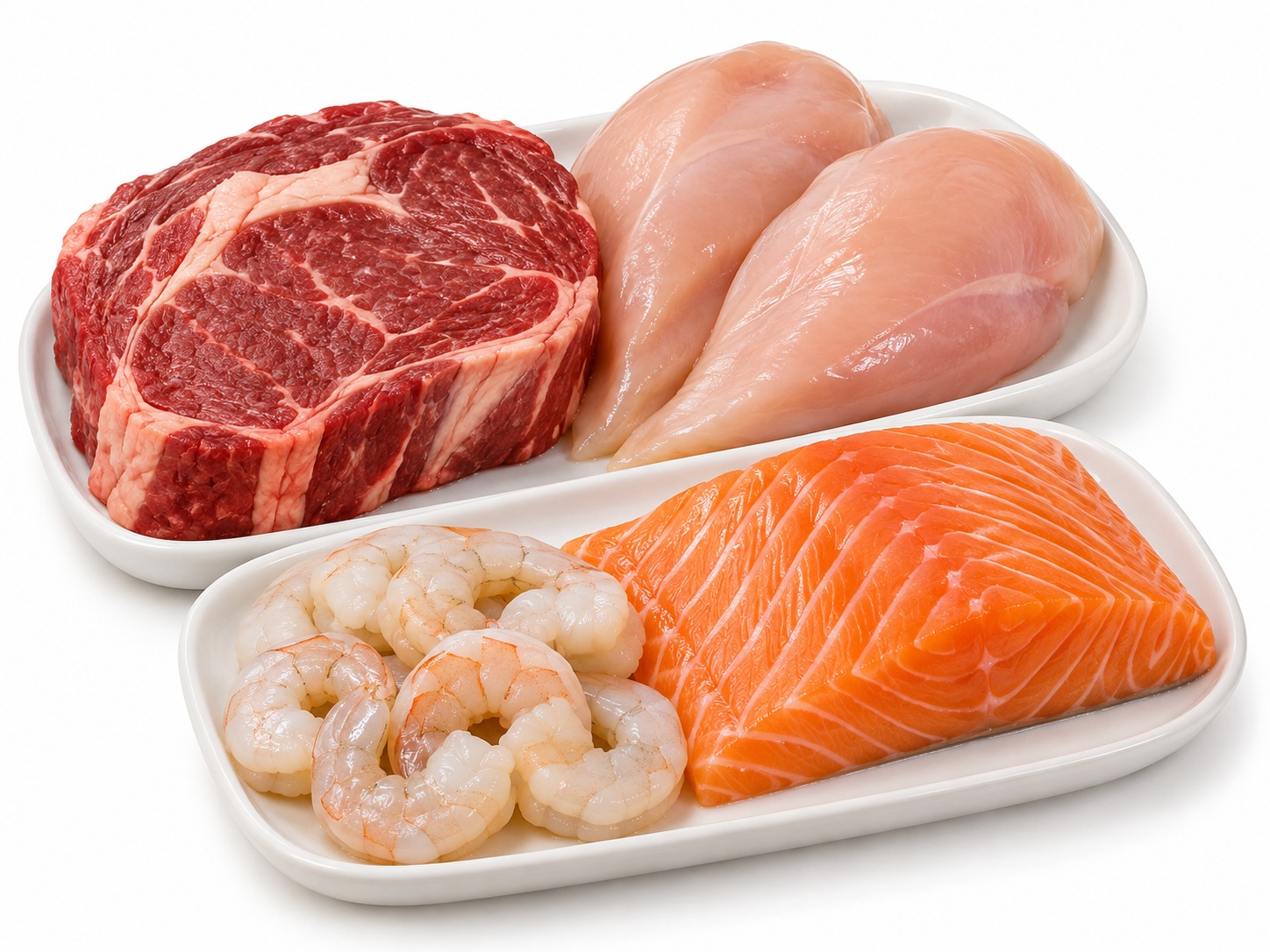
Meat, Poultry & Seafood
Vacuum and retort-ready packaging for chilled and frozen protein.

Candy & Chocolate
High-speed wrapping and bagging for confectionery.
Supplements, cosmetics and household chemicals — powders, gels and liquids with compliance needs.
Grains, Spices & Dry Foods
Beverages, Snacks & Sweets
Health, Personal & Home Care
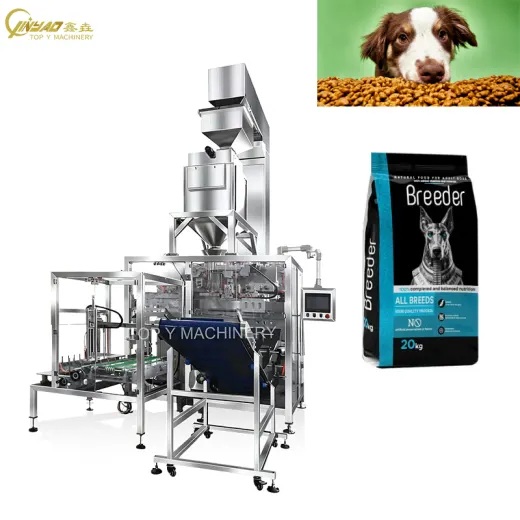
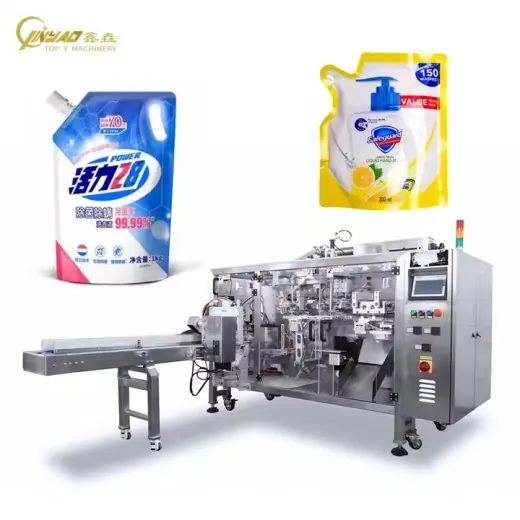
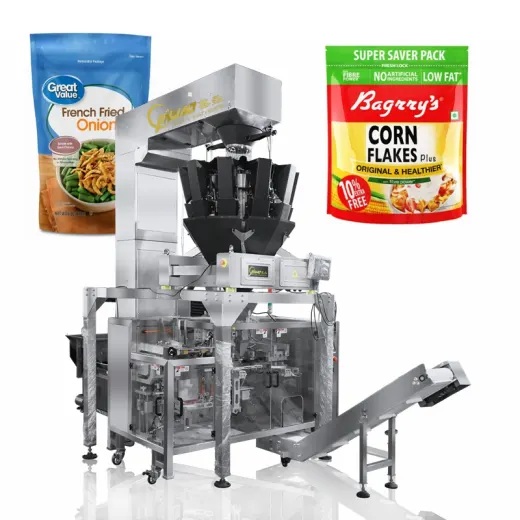
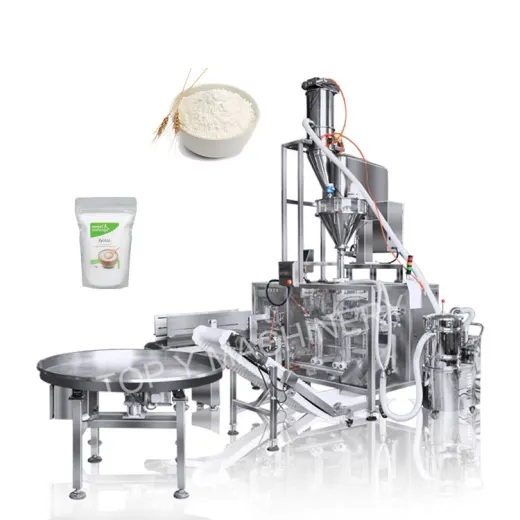
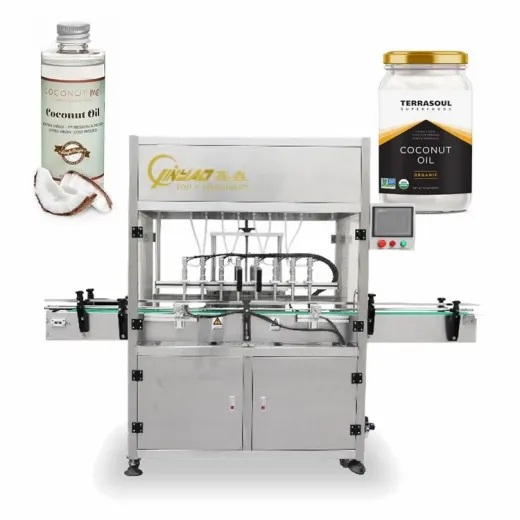
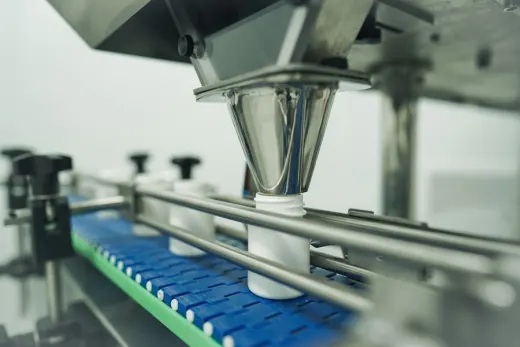
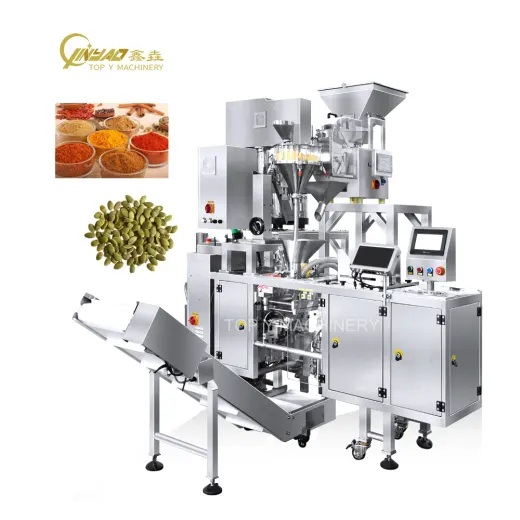
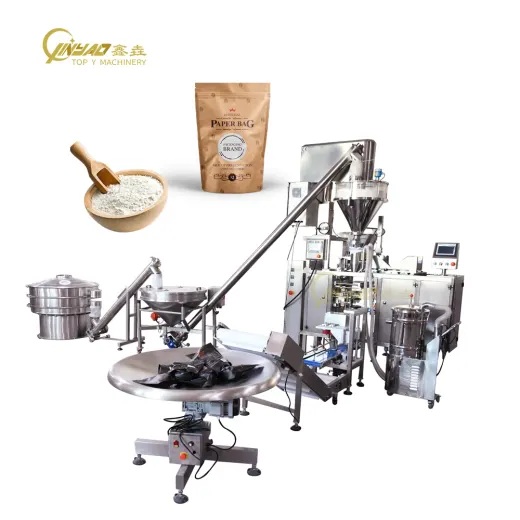
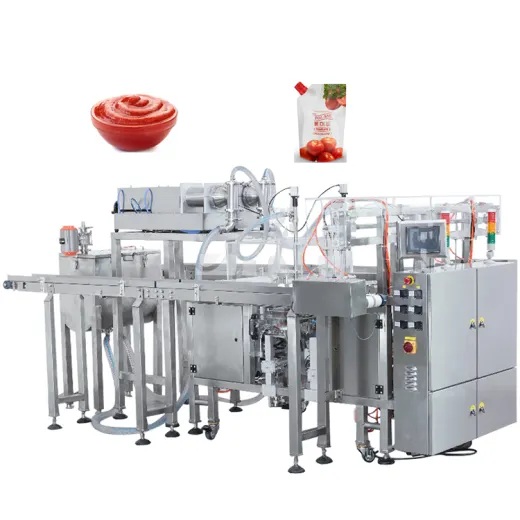
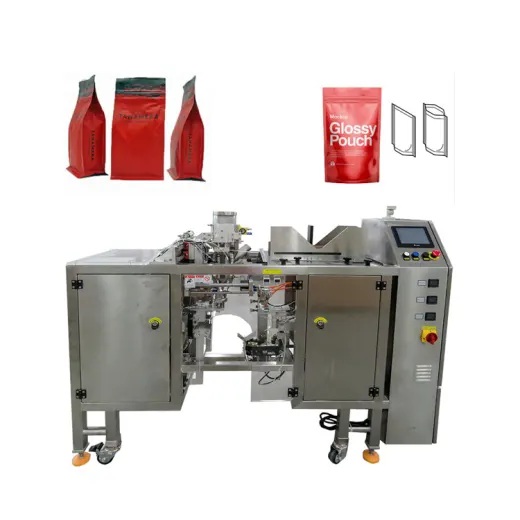
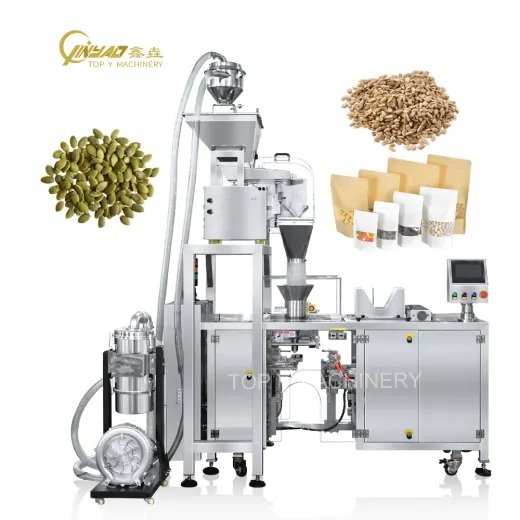
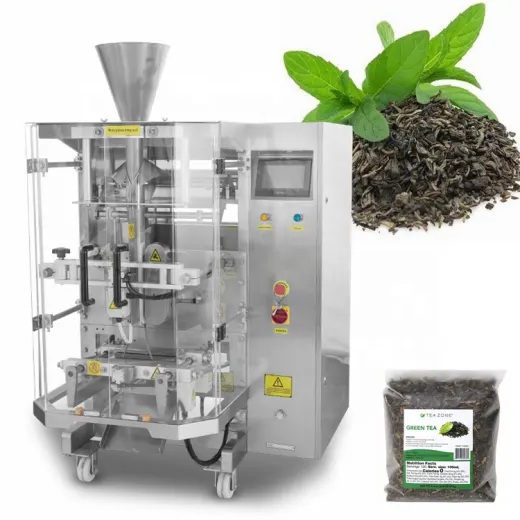
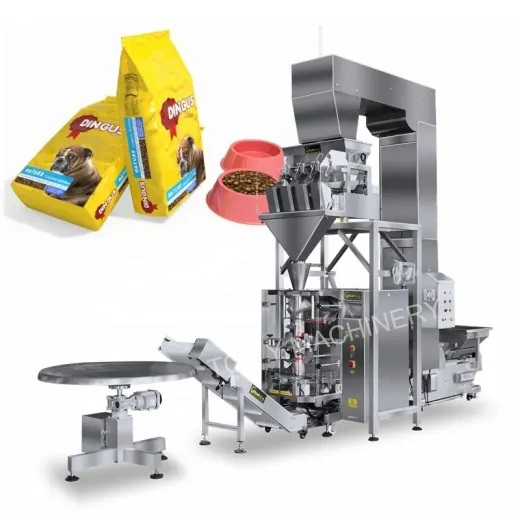
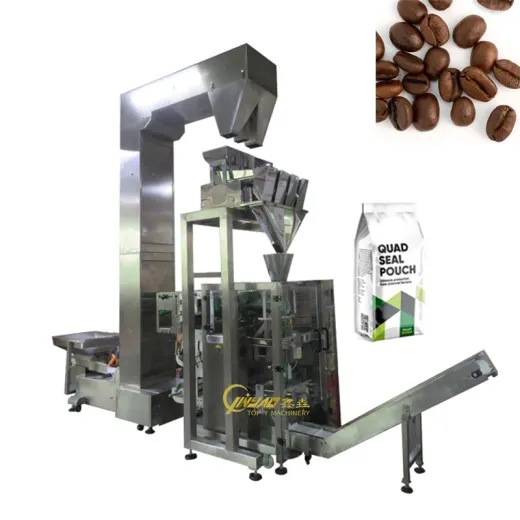
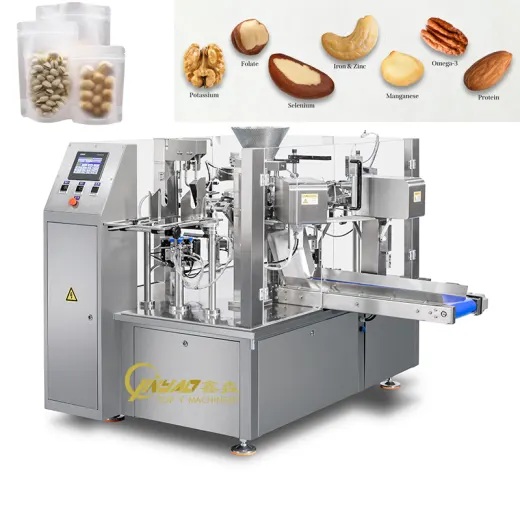
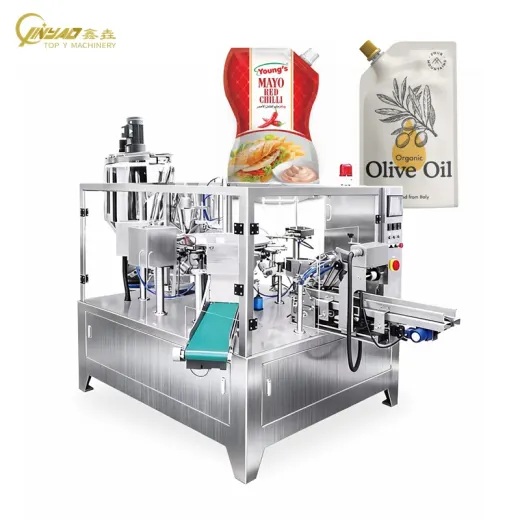
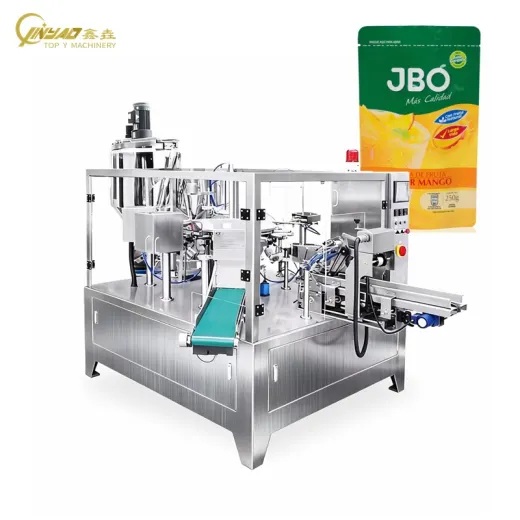
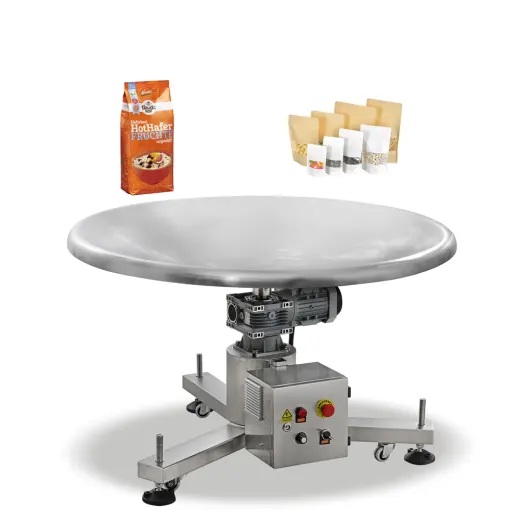
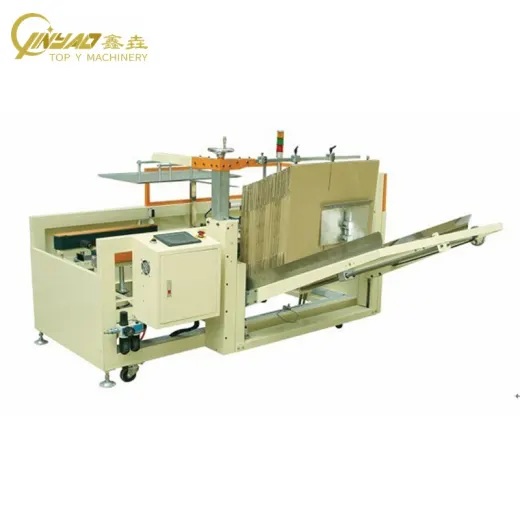
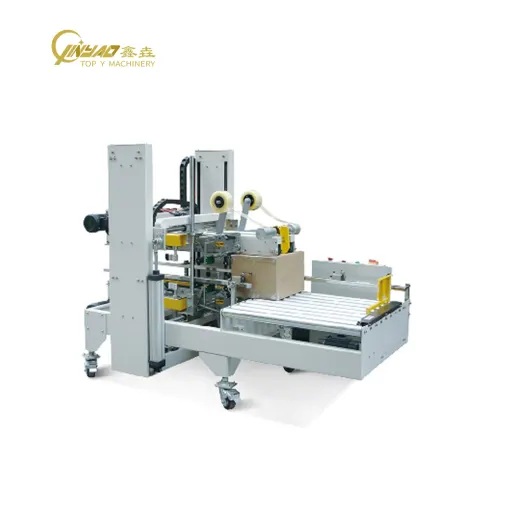
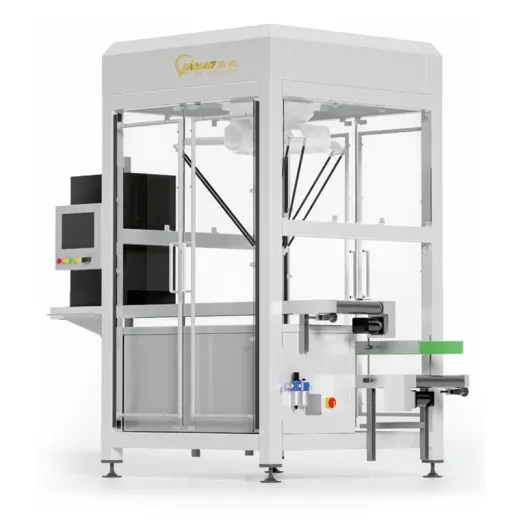



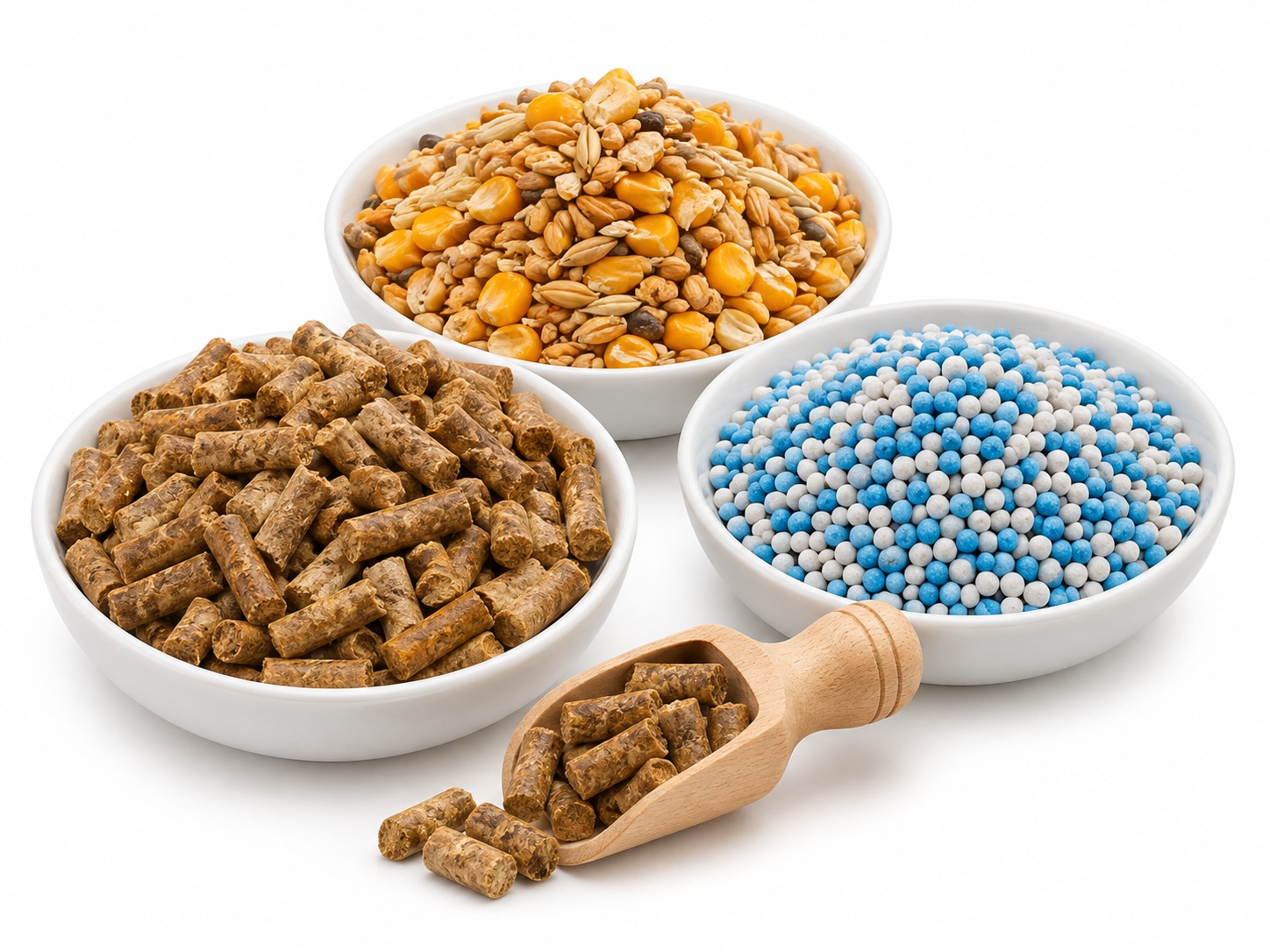
Pistachio Packaging Machine Case: 50–700 g Zipper Pouches on One MDP Line in Spain

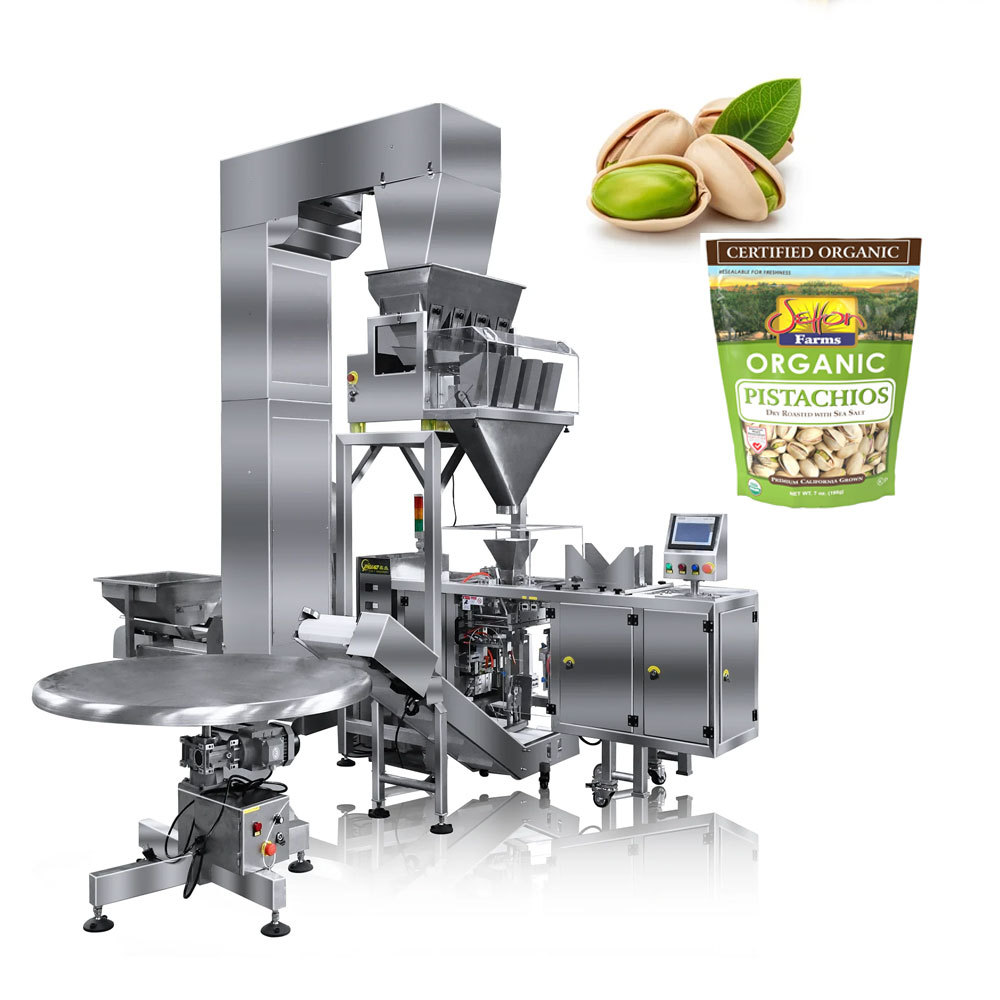
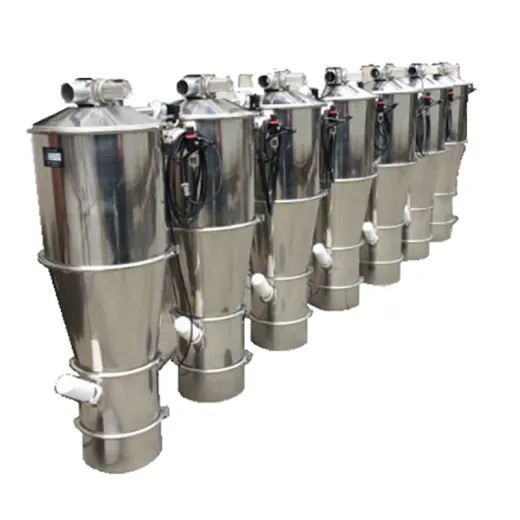
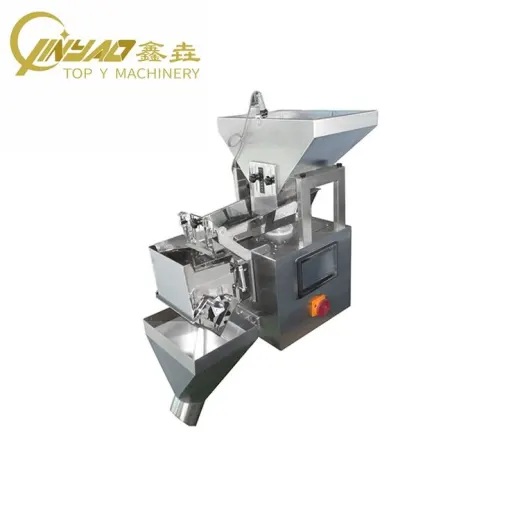
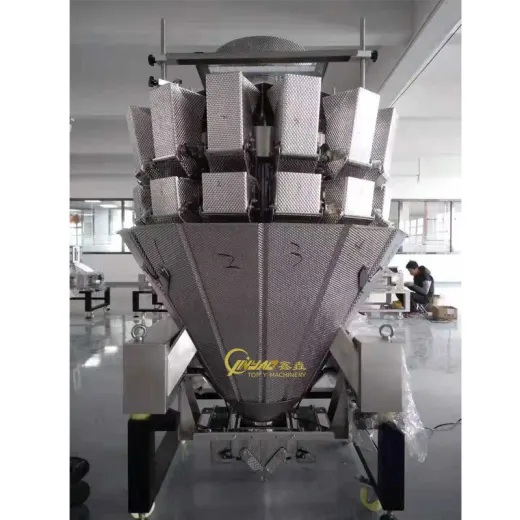
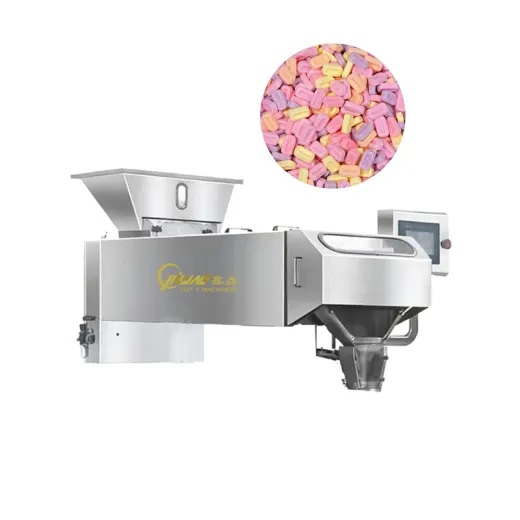
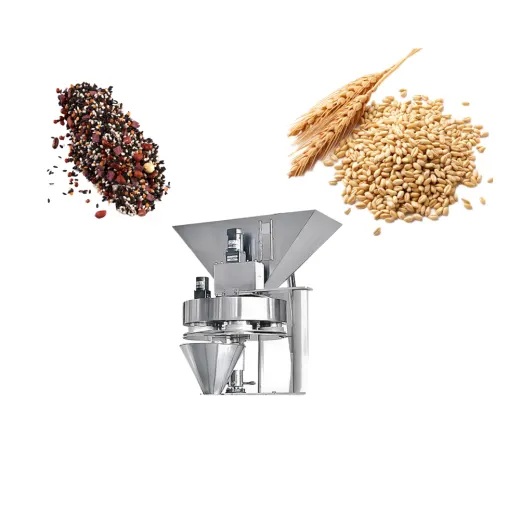
On a pistachio processing line in Spain, growth arrives as a problem before it arrives as a profit. The plant behind this project is a dedicated pistachio factory supplying local merchants — retail pouches and bulk bags leaving the same door — and every bag was still being weighed, filled and sealed by hand. Manual packaging was too slow for a growing order book, local labour was expensive, and delivery deadlines to the plant's own customers were no longer negotiable. The request that reached us was blunt: they needed machine assistance, and they needed it soon. The project record states two customer pain points: order volume has increased and production and delivery times are tight; traditional manual packaging is slow and local labour costs are high. What follows is our engineering reading of that brief, not additional claims made by the customer. Two facts in the brief shaped the engineering more than the word "urgent" did. First, the pack was a premade stand-up pouch with a zipper, 133 × 220 mm — the bag already carries its brand, shape and resealable closure, so the machine had to respect it, not make a new bag from film. Second, the line had to cover pack weights from 50 g to 700 g: the small pouches local merchants shelf and the bulk bags they refill from share one machine. A single high-speed filler for one SKU was not the assignment; a flexible granule packaging machine line for many SKUs was. Two selection decisions carried this project. The first was the bagger. Because the pouch is a premade zipper bag, a vertical form-fill-seal machine — which forms its own bag from a film roll — was ruled out at the start; it cannot apply a factory zipper. A premade bag packaging machine was the match, and in zipper-pouch terms the same hardware is our standard zipper pouch packing machine: the MDP doypack packing machine picks each pouch from the magazine, opens it, fills it and seals it in one automatic cycle, with the model family's standard configuration already covering dried nuts and snacks. The second decision was the weigher. Pistachios are a uniform, free-flowing granule — friendly to weighing hardware. At the target rate of 8–10 bags per minute, a 4-head linear weigher holds accuracy across the 50–700 g range without paying for a 10- or 14-head combination weigher whose extra speed this line cannot use. Matching the weigher to the product and the real target rate — rather than buying the most impressive number on a datasheet — kept the budget on the machine instead of the scale. The MDP packing machine at work Equipment footage from our official channel: the MDP configuration picking up, opening, filling and sealing premade bags in one continuous cycle. Source: TOP Y MACHINERY official YouTube channel. Equipment footage, not an on-site recording of this installation. A 50 g merchant pouch and a 700 g bulk pouch do not differ only in grams: the bag geometry, the fill weight and the sealing parameters all move. On this line, bag width and length are adjusted by rotating handles on the magazine — no tools, no re-threading — which is what makes several pack sizes practical on one changeover-friendly machine. For a plant feeding many local merchants with different pack formats, this matters more week to week than the peak rate does. Every figure below comes from the project specification sheet or the delivery record; where the old case page disagreed with itself, we used the specification block and flagged the disagreement rather than averaging it away. What we deliberately do not claim: weighing tolerance, reject rate, headcount before or after, or a payback period. One flag for the record: the published case page's meta description mentions 7–15 bags/min while its specification block says 8–10 — we build on the specification block and mark the 7–15 figure as to-be-confirmed with sales. This time the record includes the customer's own words, quoted exactly as written — not paraphrased, not polished. Short reviews are normal in food processing — plants buy results, not prose. But a five-star rating on both service and punctuality, followed by an open invitation to visit the factory, is the kind of after-sale signal that cannot be manufactured. We reproduce the quotes in the customer's own spelling rather than rewrite them into marketing copy. First, match the weigher to the product and the rate: a uniform free-flowing granule at 8–10 bags/min is a job for a linear weigher, while our Taiwan tea case needed a 10-head combination weigher because leaf tea is irregular where pistachios are uniform — same discipline, different answer. Second, when pack weights span a 14× range, changeover is a specification item, not an afterthought; the handle-adjusted magazine is what keeps several SKUs on one machine in practice. Third, standard platform configurations are what make fast delivery real: 3 days of design and 25 days of build happened because nothing here needed to be invented — and a satisfied customer is the cheapest sales channel a nut packaging machine builder can have. Typical fit: free-flowing granules — pistachios, nuts, seeds, beans — packed in premade zipper pouches from roughly 50 g to 700 g at rates in the 8–10 bags/min class, replacing a manual packing table. It is not the answer for irregular products such as leaf tea (see our Taiwan case) or fine powders that need auger dosing (see our Germany case). Achievable rate depends on the pack weight, the bag format and the product's flow behaviour, so we confirm it with a sample trial before quoting a number. Send us your pistachios, your pouch specification and your target output, and our engineers will lay out a pistachio packaging machine line against the same logic.01When order growth outruns the packing table
02What the brief actually contained
03The brief, written as acceptance criteria
04Why a premade bag packaging machine, and why a 4-head linear weigher
05Inside the line
06Changeover, designed in from the start
07The measured result
Measure
Before
After
Basis
Cycle rate
Manual packing — rate not recorded
8–10 bags/min on the project spec
Project spec sheet
Pack weight
—
50–700 g on one line
Project spec sheet
Bag format
Manual pouch handling
133 × 220 mm premade zipper pouch
Project spec sheet
People on the packing cycle
Manual weigh, fill, seal
Supervised automation
Project brief
Delivery
—
Design 3 days + production and testing 25 days
Delivery record
08How the customer put it — verbatim
“Calidad: all ok”— Buyer review left on the order. The customer rated supplier service 5/5 and on-time delivery 5/5. Spain, marketplace order review.
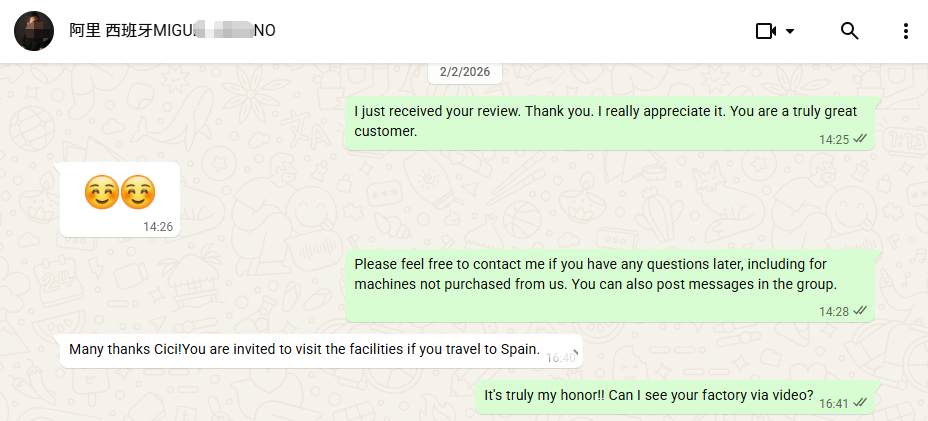
“Many thanks Cici! You are invited to visit the facilities if you travel to Spain.”— Customer message to our sales engineer after delivery, February 2026.
09Three things this project teaches
10Where this configuration fits — and the next step