Leading Manufacturer of Intelligent Food Packaging Machinery

- TOP Y MACHINERY
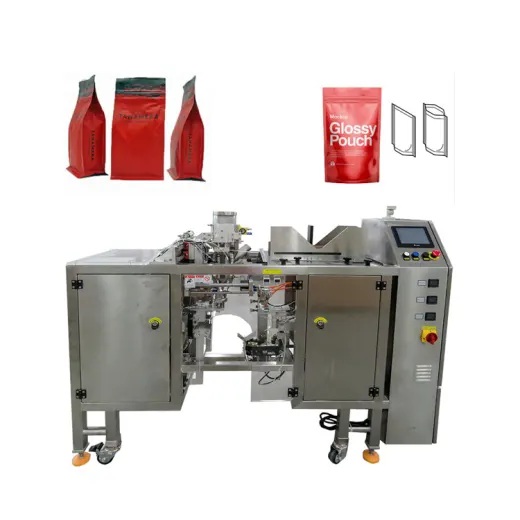
- Horizontal Packing Machine
Horizontal Packing Machine
Flat, stand-up and spout pouches filled and sealed along a horizontal line.
- Filling Machines
Filling Machines
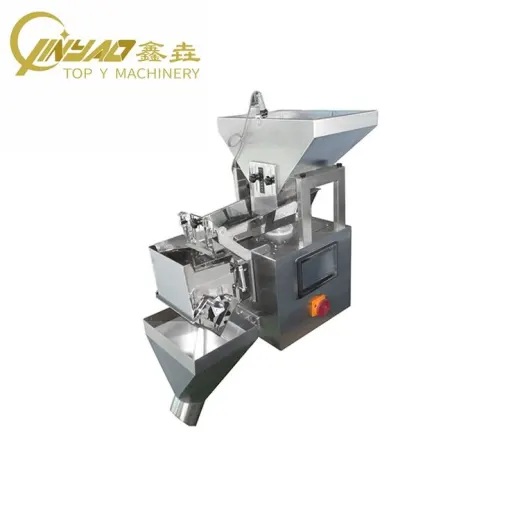
Stand-alone weighing and filling heads for granules, powders, liquids and pastes.
- Doypack Machine
Doypack Machine
Premade doypack pouches, from compact models to high-output rotary lines.
- Vertical Bagger
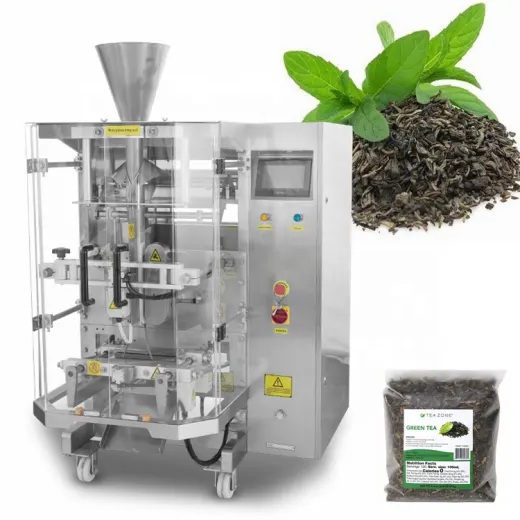
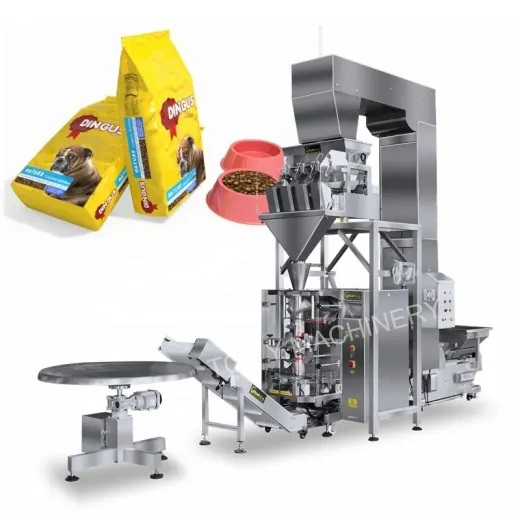
Vertical Bagger
Form-fill-seal bags for granules, powders, liquids and pastes.
- Rotary Packing Machine
Rotary Packing Machine
Carousel lines for premade pouches with multi-station filling and sealing.
- Packing Conveyor System
Packing Conveyor System
Modular conveyors that link filling, sealing and cartoning stations.
- Auxiliary Equipment
Auxiliary Equipment
Weighers, fillers, checkers and end-of-line handling around the main machine.
Horizontal Packing Machine
Filling Machines
Doypack Machine
Vertical Bagger
Rotary Packing Machine
Packing Conveyor System
- Horizontal Packing Machine
- TOP Y MACHINERYBY PRODUCT FORM
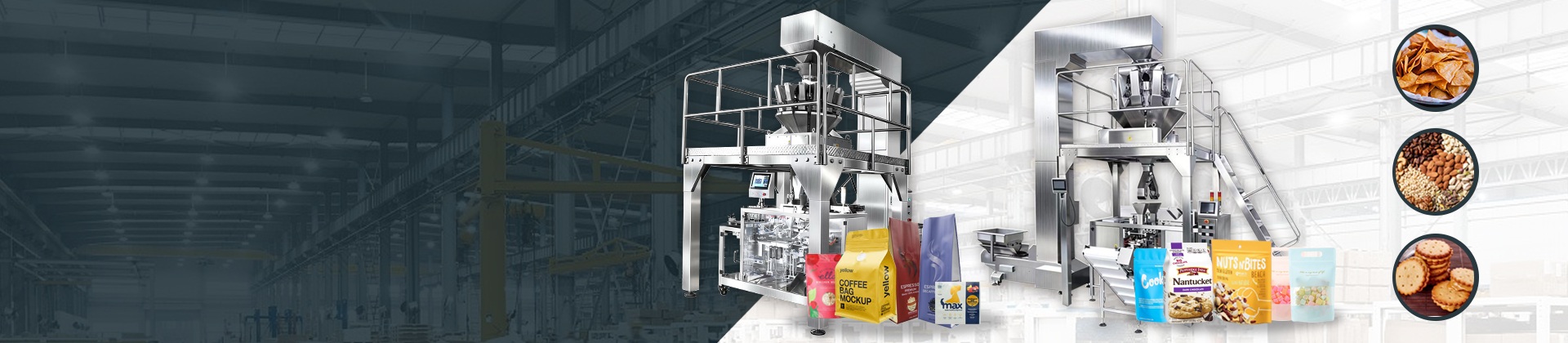
Granular Food Packaging
Weighing, filling and sealing for rice, nuts, frozen goods and granules.
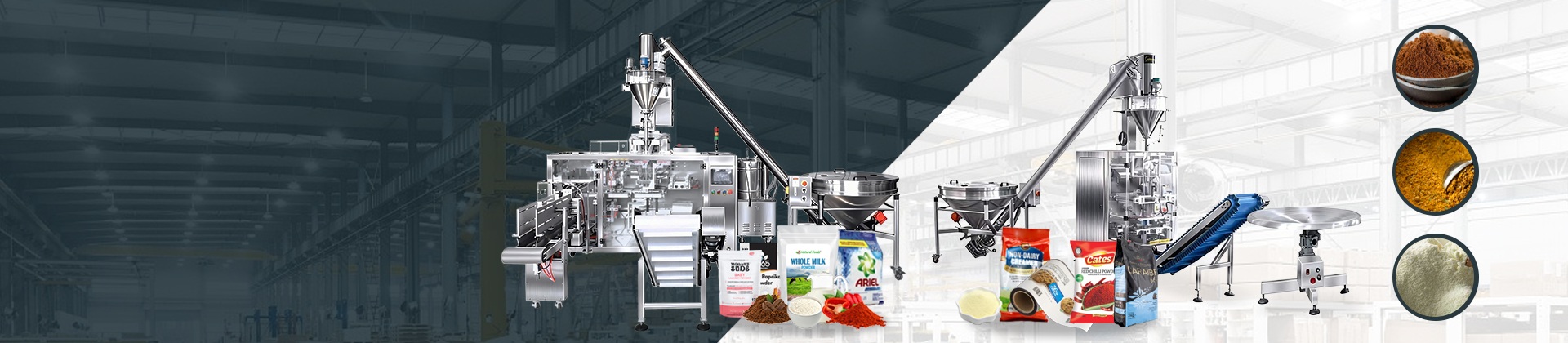
Powder Food Packaging
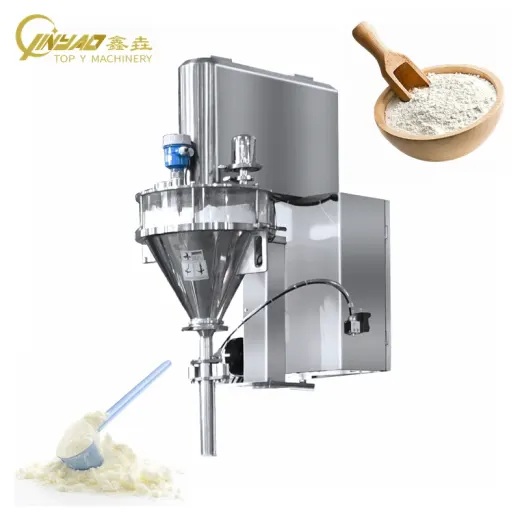
Dust-controlled auger dosing for flour, milk powder and spices.
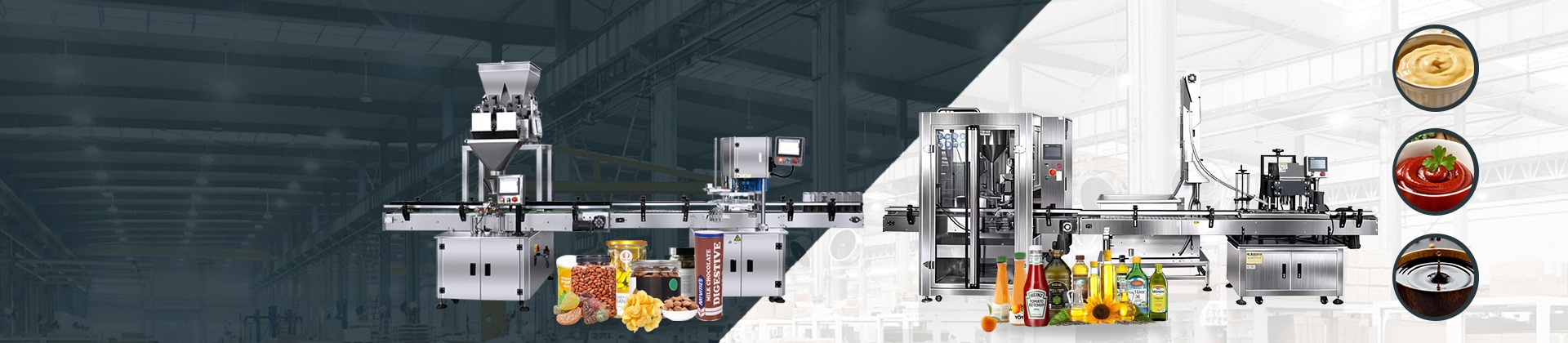
Liquid & Sauce Packaging
Piston and flow-meter filling for sauces, juices and pastes.
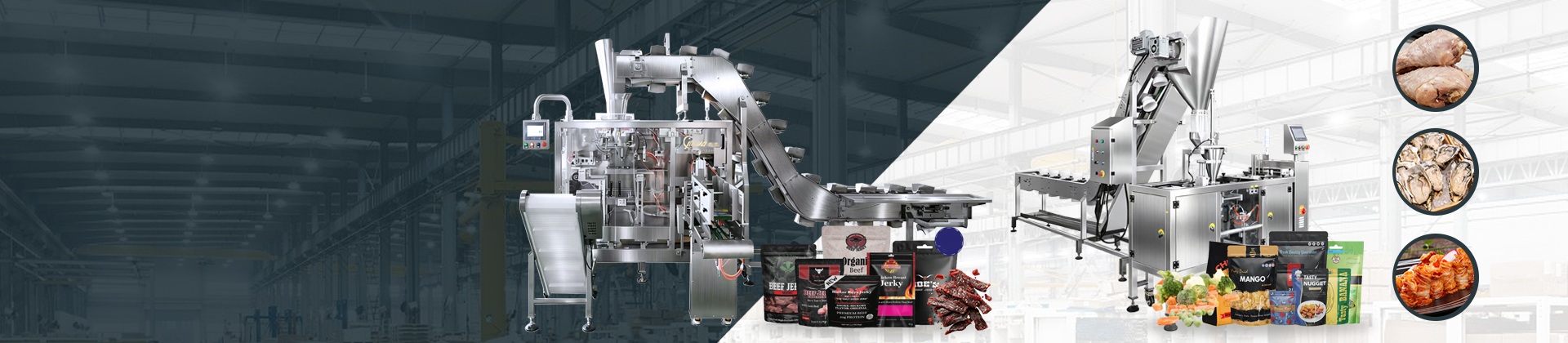
Block & Solid Packaging
Heavy-duty pouch and carton lines for blocks, bars and solid pieces.
- TOP Y MACHINERYBY APPLICATION
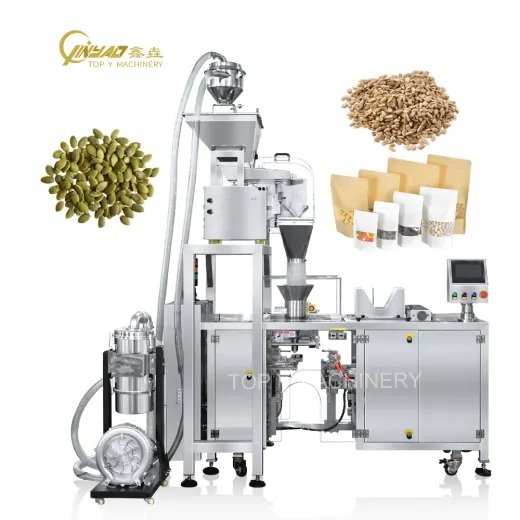
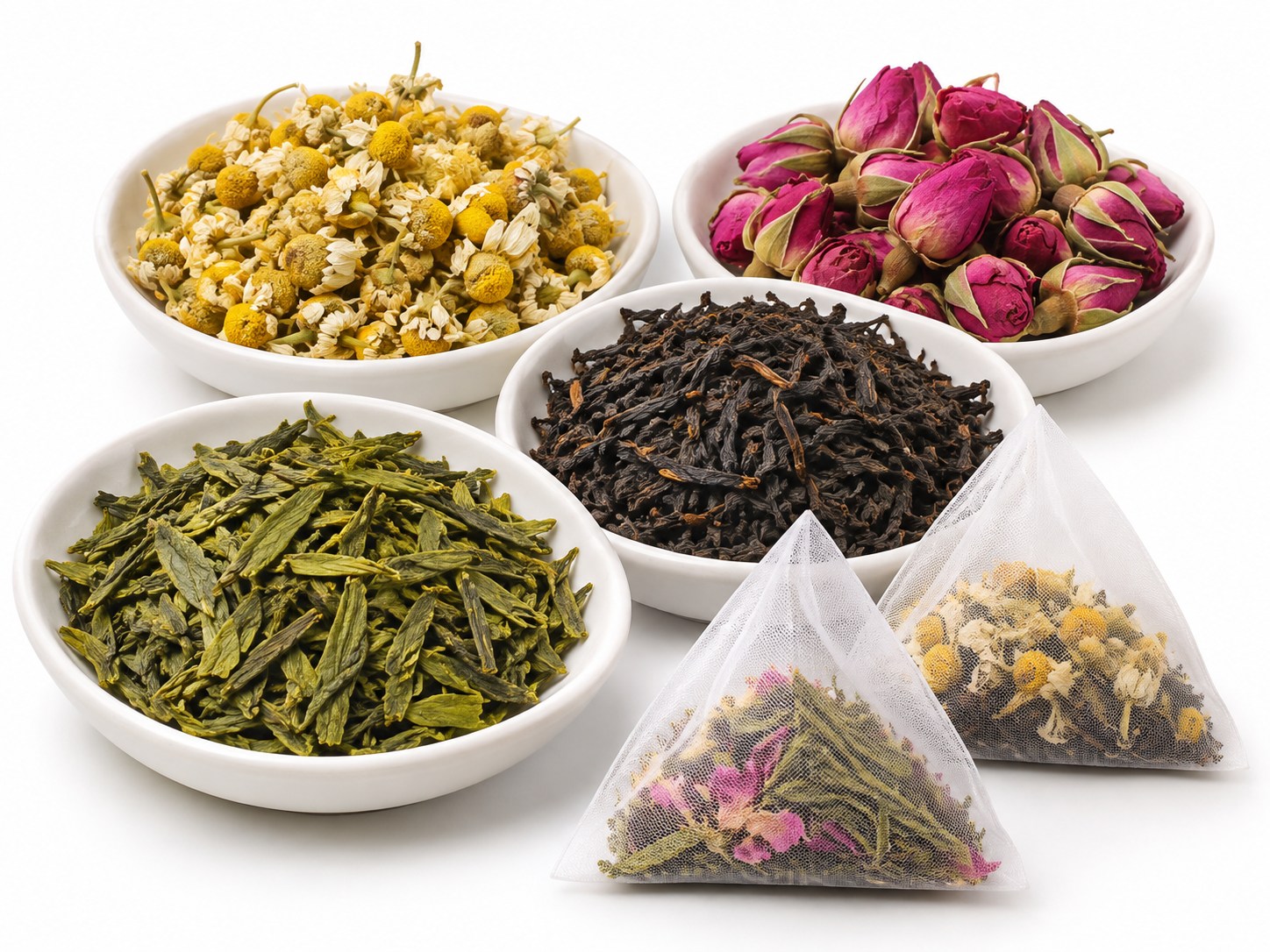
Rice, grains, spices, nuts and tea — dry products weighed and sealed in pouches or bags.
Sauces, dairy powders, protein and confectionery — wet, sticky and heat-sensitive products.

Sauces & Condiments
Sachet and pouch filling for ketchup, dressings and pastes.
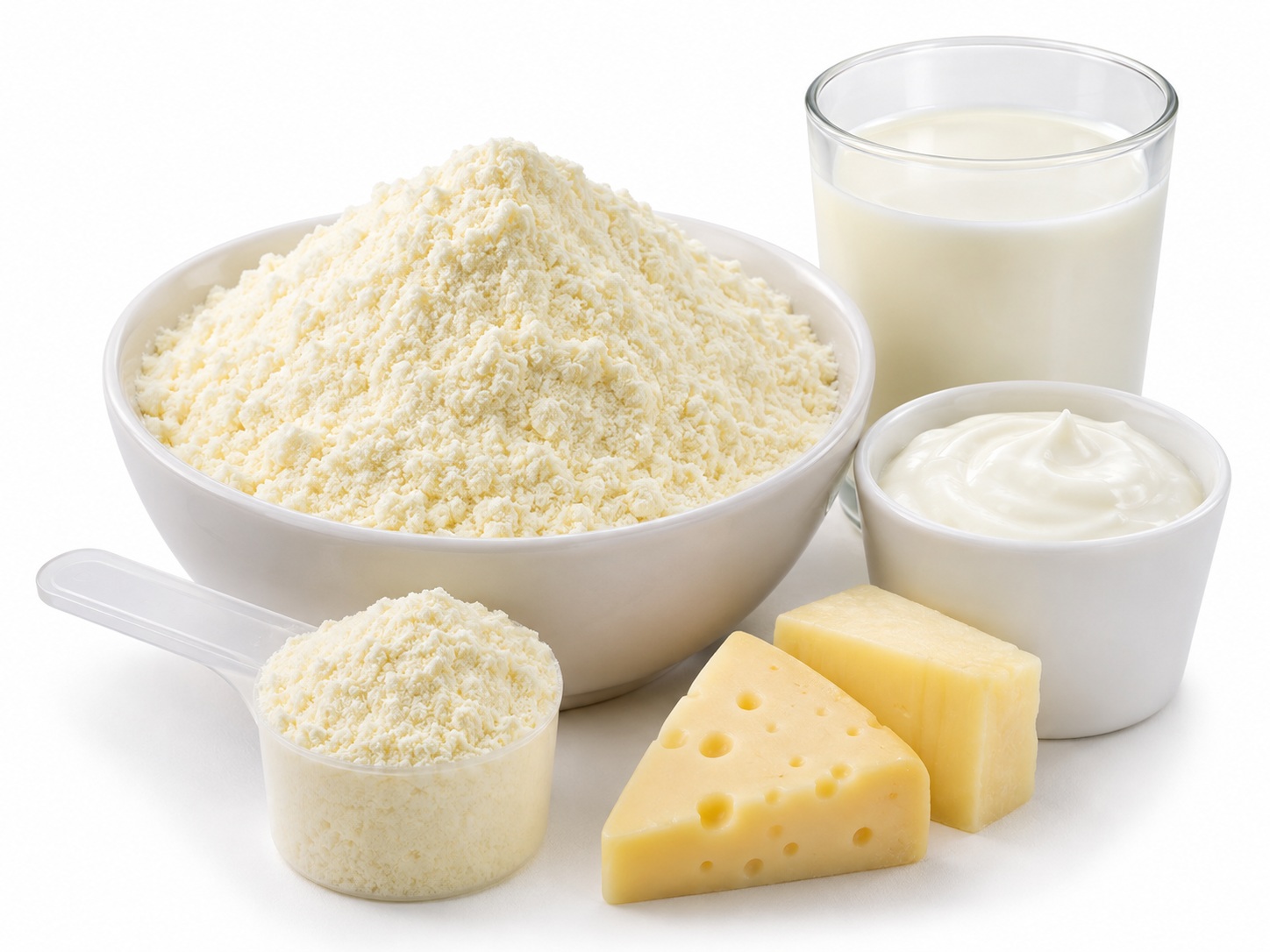
Milk Powder & Dairy
Nitrogen-flushed filling for dairy powders and desserts.
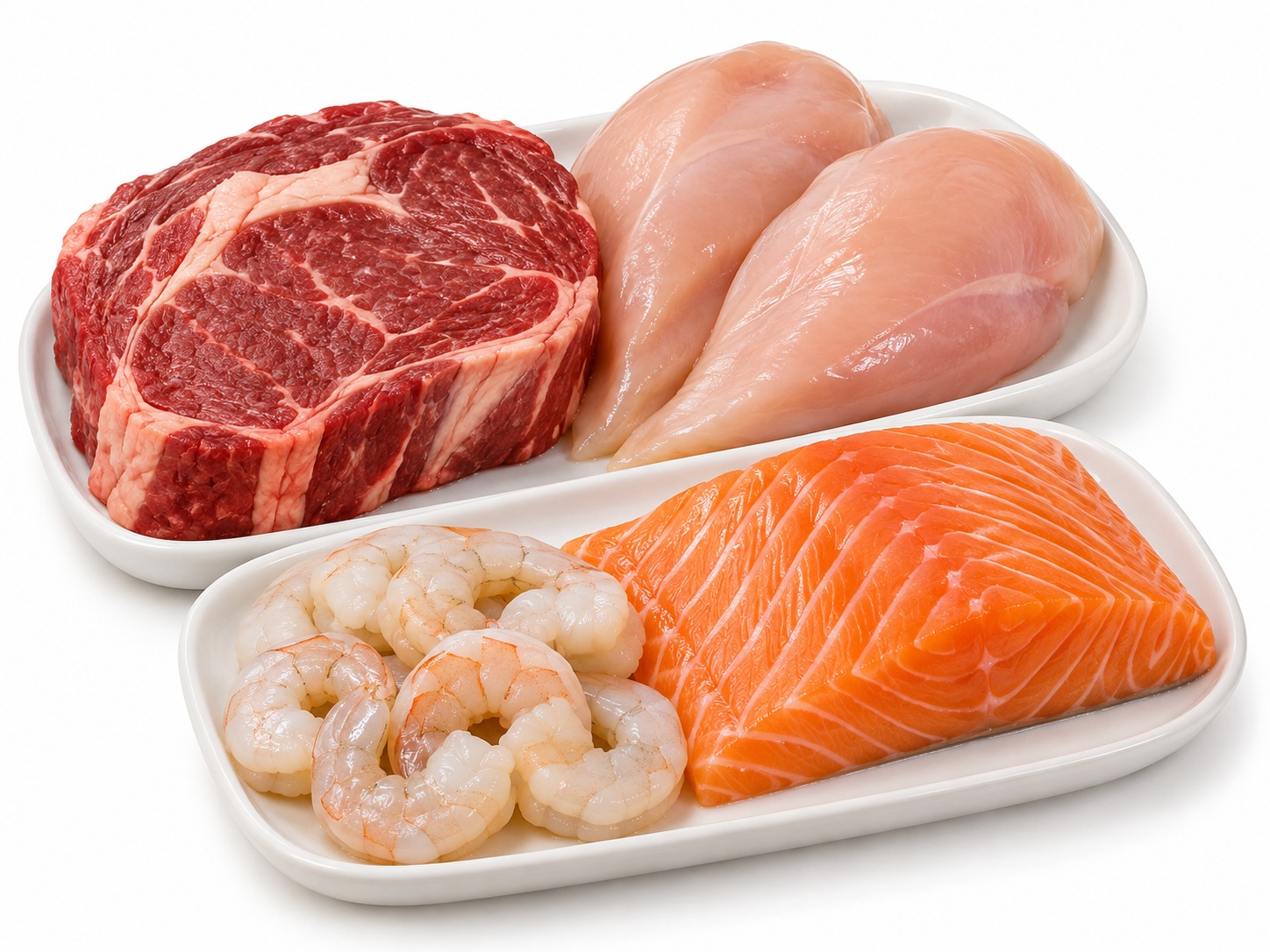
Meat, Poultry & Seafood
Vacuum and retort-ready packaging for chilled and frozen protein.

Candy & Chocolate
High-speed wrapping and bagging for confectionery.
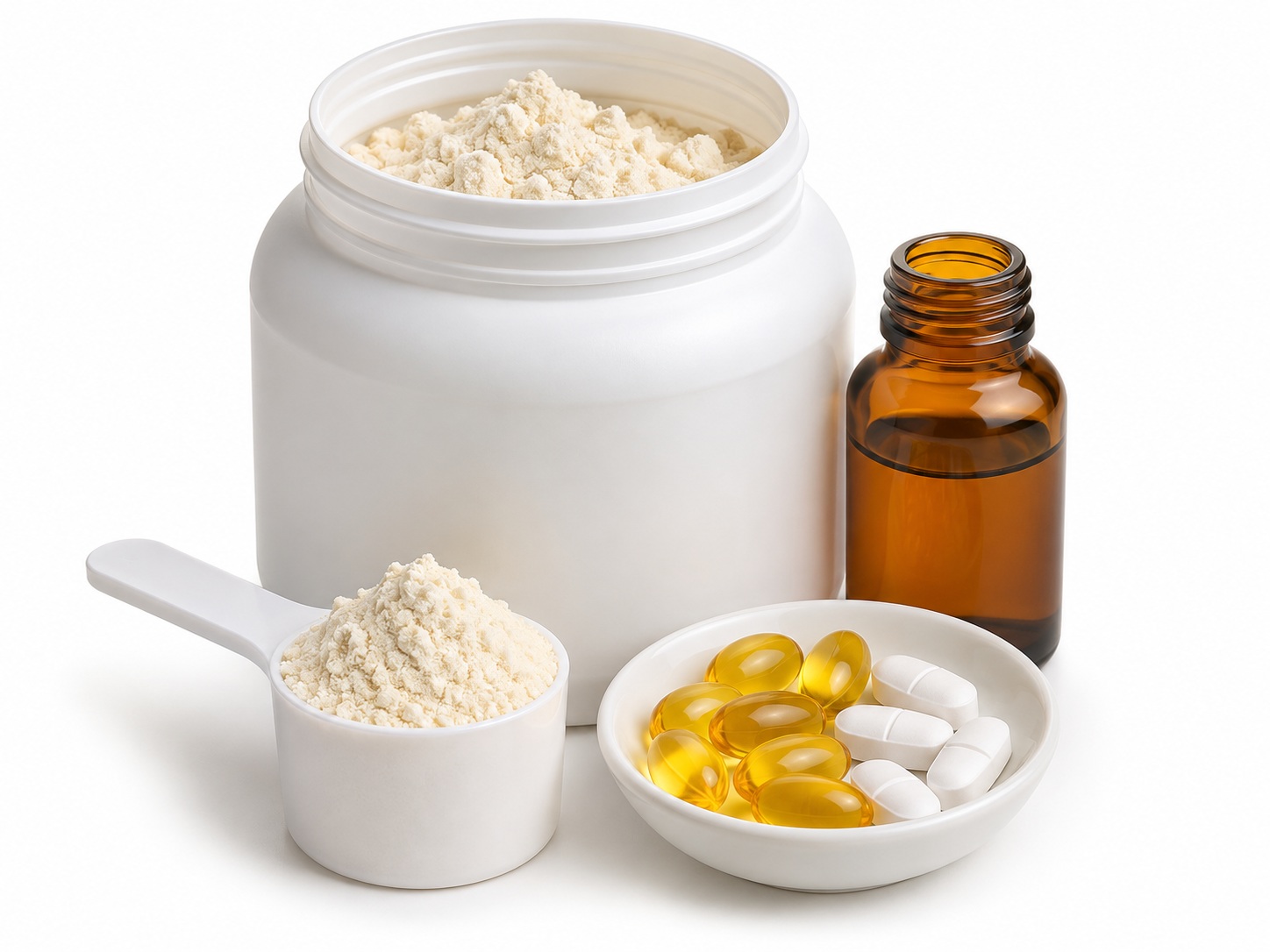
Supplements, cosmetics and household chemicals — powders, gels and liquids with compliance needs.
Grains, Spices & Dry Foods
Beverages, Snacks & Sweets
Health, Personal & Home Care





Laundry Detergent Spout Pouch Packaging: A Complete 2 kg Liquid Packaging Machine Line in El Salvador
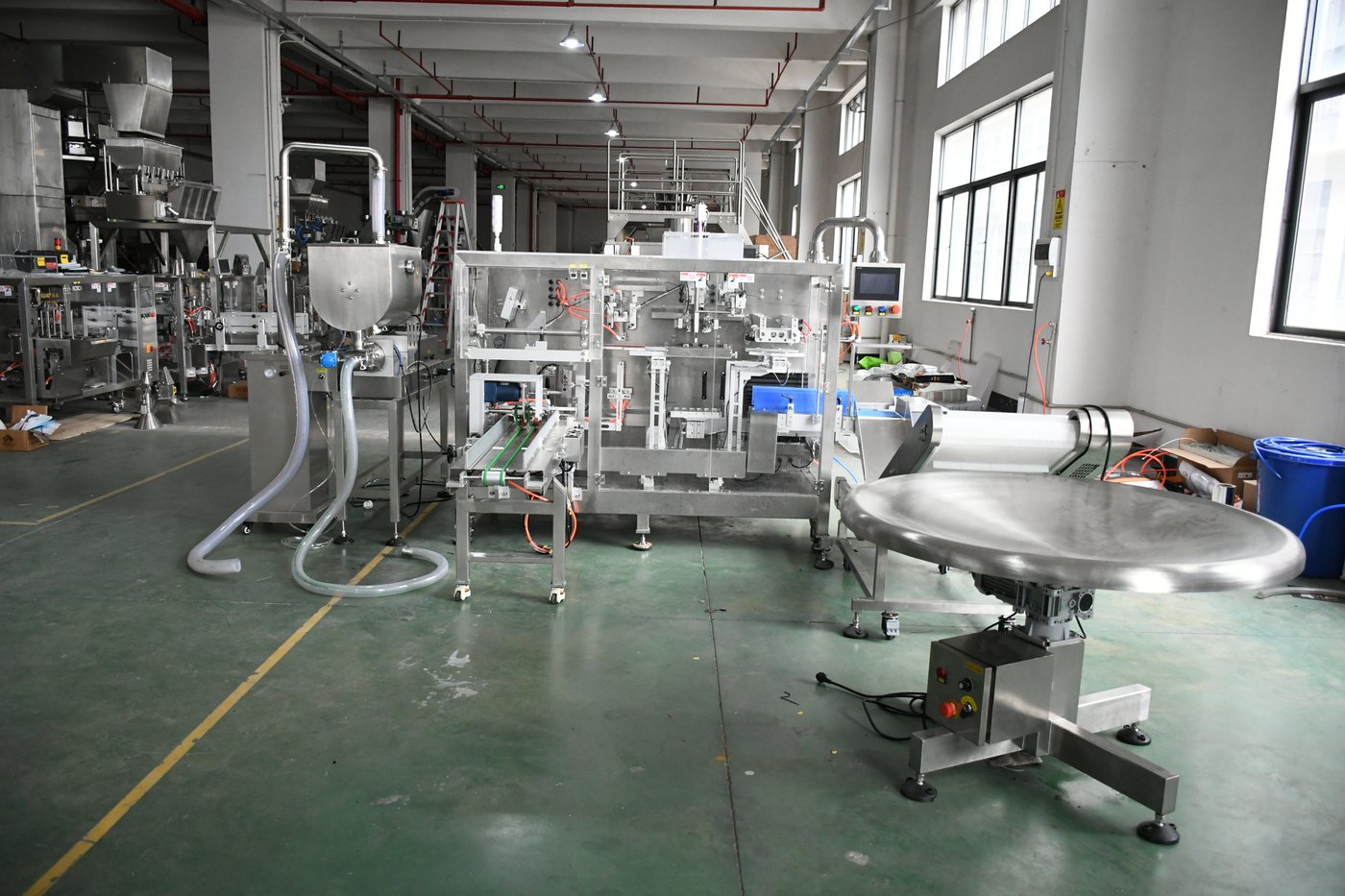
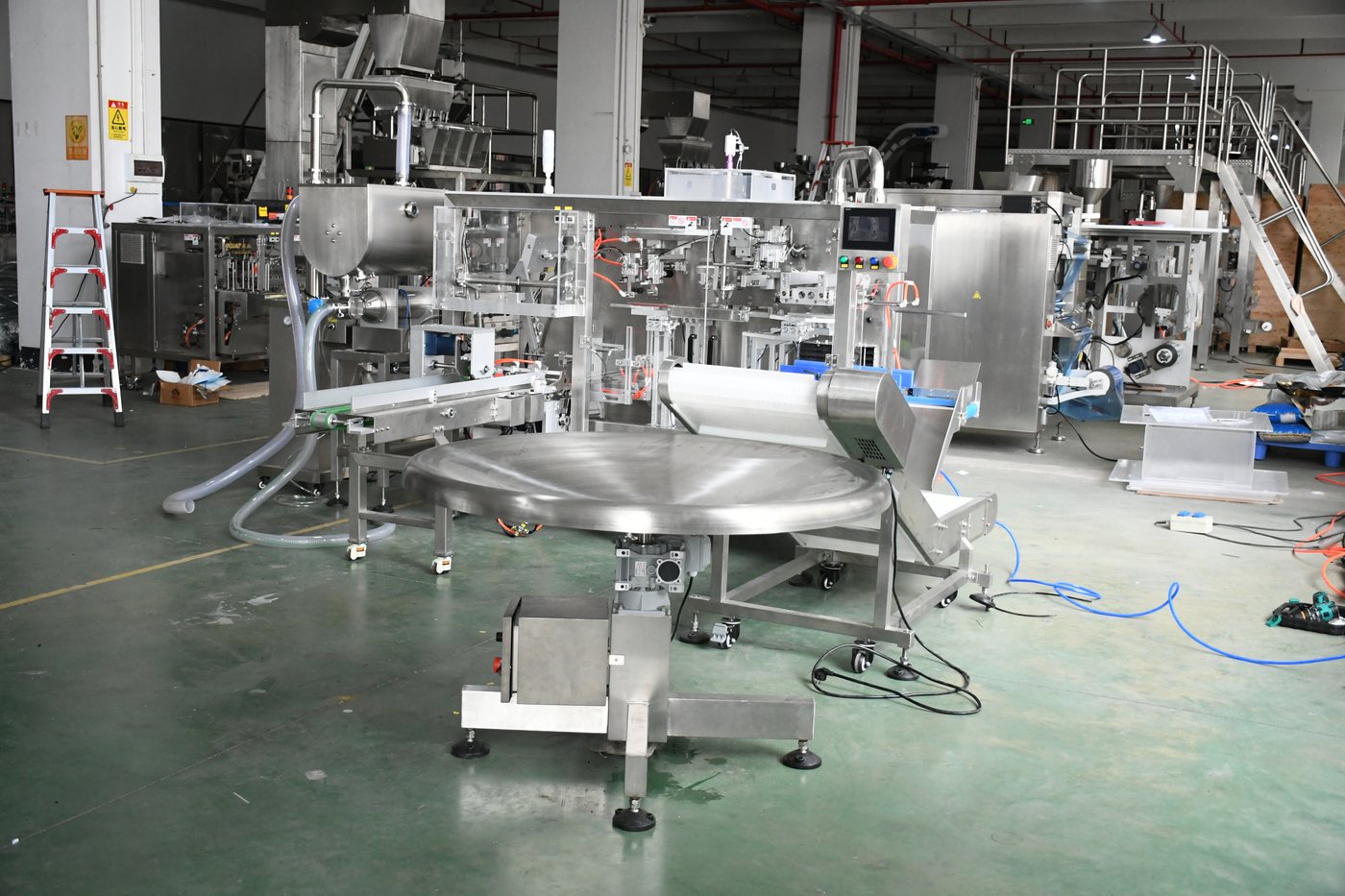
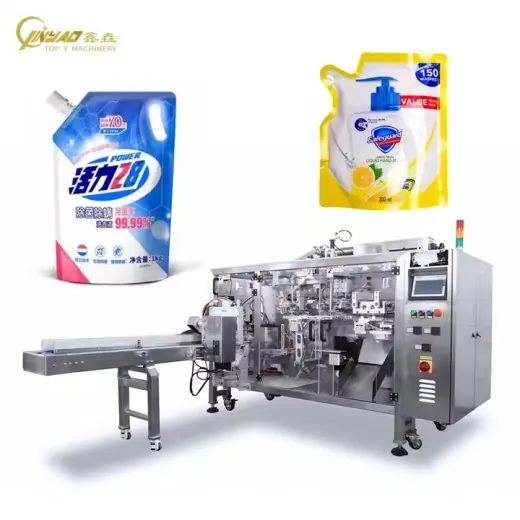
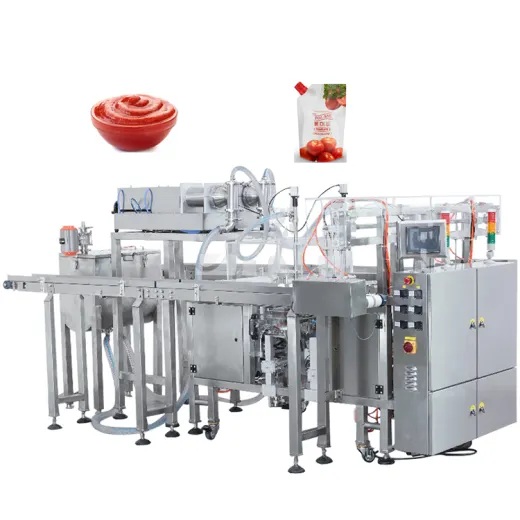
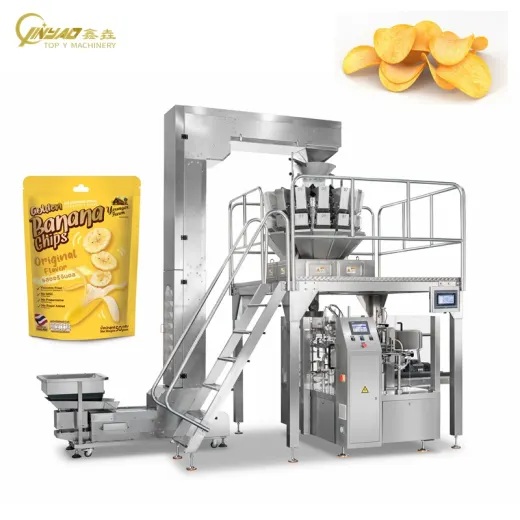
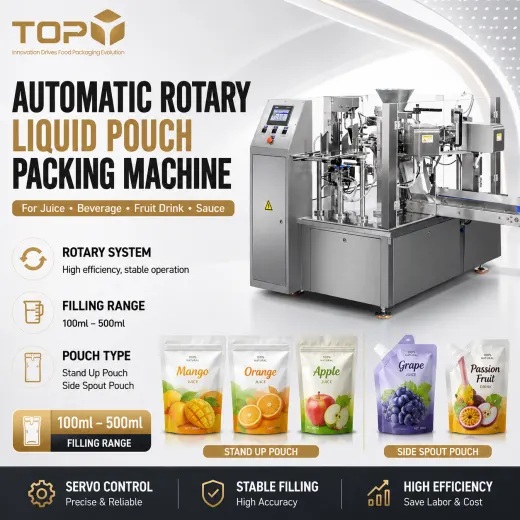
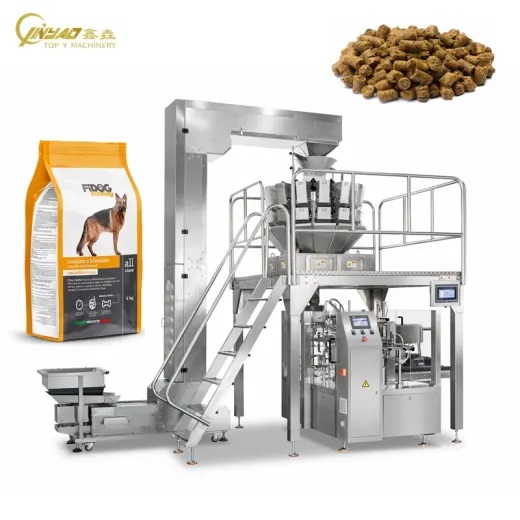
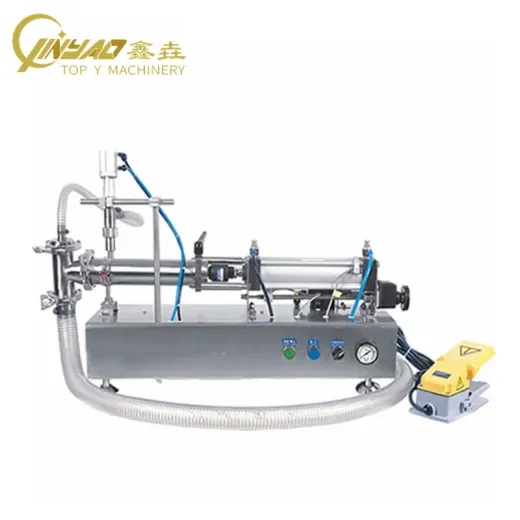
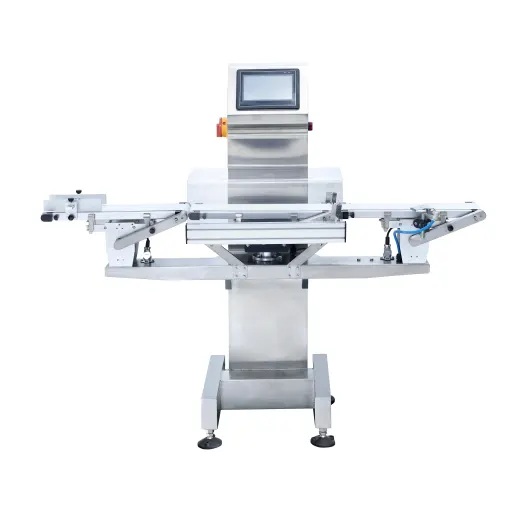
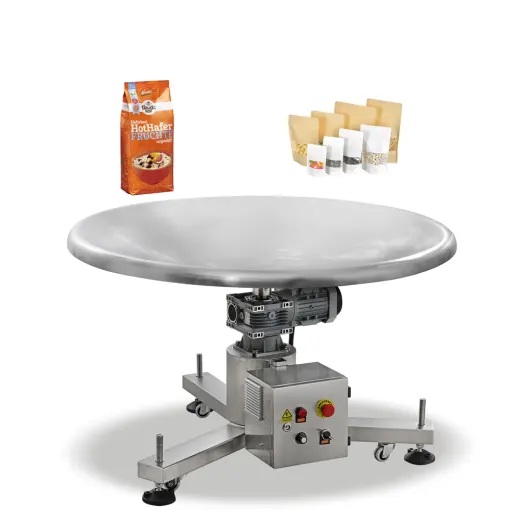
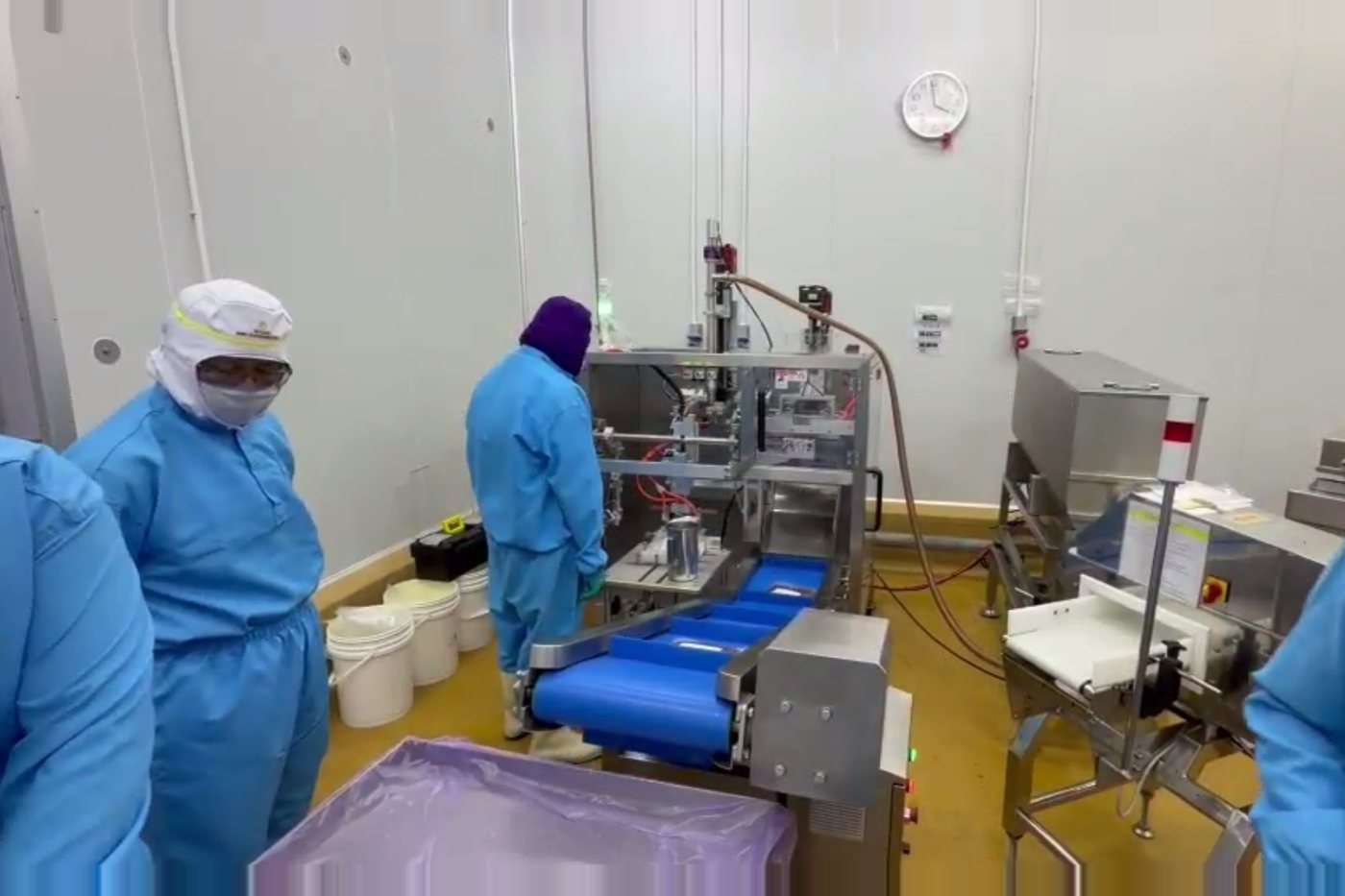
On the retail shelf, laundry detergent has quietly moved into flexible pouches — and the format customers reach for is the spout pouch: a stand-up bag with a moulded spout and cap that pours without glugging and reseals without a funnel. The company behind this project is a detergent retailer in El Salvador packing its own 2 kg retail pouches. The bags were already printed, already spouted, already shelf-ready — but the packing process behind them was not. Spout pouch after spout pouch came off the line inconsistent, and "unstable" was the word the customer used. For a retailer whose customers judge the product by the pouch, that word was costing sales every week. The project record states one pain point: unstable spout pouch packaging. What "unstable" concretely meant on the customer's floor — fill variation, splashing, seal contamination or rate fluctuation — is not itemised in the record; the interpretation below is our engineering reading, not additional claims made by the customer. One line in the brief shaped everything: the packing of spout pouches was unstable, and it had to stop being so. The pack itself was fixed by the customer's market: a 2 kg premade spout pouch of laundry detergent — a heavy, free-flowing liquid in a bag that already carries its own spout and cap. Stability, not raw speed, was the assignment. A machine that fills fast but leaks, splashes or seals wrinkled pouches just moves the instability downstream to the shelf. The format made the first decision. A spout pouch is a premade pouch — the spout and cap are already welded in — so a vertical form-fill-seal machine was ruled out at the start. A spout pouch packaging machine on a horizontal premade-bag platform was the match: the MDPL premade bag packing machine picks each pouch from the magazine, opens it, fills it from the side and seals it while the bag lies flat, so the spout and cap never have to survive a drop or a tumbling cycle. The product made the second decision. Laundry detergent is a free-flowing liquid, and dosing 2 kg of it into an open pouch is a piston pump dosing job: the pump meters each portion positively instead of letting gravity guess, which is what turns "unstable" into "repeatable". Together, bagger and pump form the core of a liquid packaging machine line for household liquids — and the stability the customer asked for is built in exactly two places: the pump that meters the same 2 kg every cycle, and the horizontal fill-and-seal geometry that keeps splash off the sealing area. The delivered configuration had five moving parts around the bagger itself — a complete laundry detergent packaging line, not a single machine dropped into a corner: Steps 1 and 4 are our engineering reading of the delivered five-part configuration (bagger, liquid pump, liquid transfer unit, finished-goods conveyor, rotary disc unscrambler); the record lists the components without a step-by-step sequence. The MDPL spout pouch line in motion Equipment footage from our official channel: pick, open, spout pouch filling, settle and seal on the horizontal premade-bag line. Source: TOP Y MACHINERY official YouTube channel. Equipment footage, not an on-site recording of this installation. "Unstable" is a system symptom, not a machine fault, and the cure was distributed across the line. The rotary disc unscrambler stops the first instability — pouches arriving at the magazine crooked, which makes pick and open unreliable. The piston pump stops the second — dose variation — by metering instead of pouring. The horizontal fill-and-seal geometry stops the third — splash and dribble contaminating the seal area — because the pouch lies flat and the fill happens below the seal path. And the finished-goods conveyor stops the fourth: sealed pouches handled roughly at discharge, which wrinkles the just-sealed seam. Each component in the five-part configuration answers one specific way the process used to wobble. Every figure below comes from the project record and the customer's confirmation after commissioning. Where the record is silent, the cell says so. What we deliberately do not claim: fill tolerance, reject rate, spillage rate, headcount saved, or a payback period — none were recorded. One figure deserves context: 10–15 bags/min sits below the MDPL's published 15–30 range, and that is the honest number for a 2 kg liquid dose — pumping two kilograms of detergent and letting it settle costs real seconds that a light dry pack never spends. The customer's feedback came back warm and specific. Quoted in English as a faithful paraphrase of their original words — not polished into marketing copy. Notice what a retailer praises: looks (the pouch is their storefront), stability (the reason they called), spare parts and after-sales speed (the reason they can keep calling). None of it is a datasheet number, and all of it is the product. First, when the complaint is "unstable", scope the cure across the whole line, not just the bagger — here, five components each removed one specific wobble, and the bagger alone would not have done it. Second, dose liquids by positive displacement: a piston pump metering the same 2 kg every cycle is the difference between pouches that match and pouches that don't, whatever the speed dial says. Third, quote the honest rate: a 2 kg pouch of liquid at 10–15 bags/min is a better promise than a headline number the product's own physics will not honour. Typical fit: free-flowing household liquids — laundry detergent, dish wash, fabric softener, shampoo refills — packed at 500 g–2 kg into premade spout pouches or stand-up pouches, at 10–15 bags/min on a single line. It is not the answer for thick pastes that need heated or pressure-fed dosing, or for powder products that need auger filling (see our Germany case). Spout geometry, viscosity and dose size all move the achievable rate, so we confirm it with a sample trial before quoting a number. Send us your pouch, your detergent and your target output, and our engineers will lay out a laundry detergent packaging line against the same logic — the same way we built this laundry detergent packaging machine line for a retailer whose customers judge the product by the pouch.01When the pouch with the spout will not behave
02What the brief actually contained
03The brief, written as acceptance criteria
04Why a horizontal premade-bag platform with piston-pump dosing
05Inside the line
06Where the stability actually comes from
07The measured result
Measure
Before
After
Basis
Packing stability
Spout pouch packing "unstable" — details not recorded
"Perfectly solved the customer's requirement" — stable, repeatable cycles
Project record
Cycle rate
—
10–15 bags/min on 2 kg spout pouches
Project record
Pack format
Printed spout pouches, unstable packing
2 kg laundry detergent per spout pouch
Project record
Configuration
—
MDPL bagger + liquid pump + liquid transfer + finished conveyor + rotary disc unscrambler
Delivery record
08How the customer put it
“The machine looks great and runs stably. They even supplied spare parts, and after-sales response was quick — very good.”— Customer feedback after delivery, paraphrased and translated from the original message. El Salvador detergent retailer.
09Three things this project teaches
10Where this configuration fits — and the next step