What to Look for When Choosing a Salt Packing Machine for Precision Packaging
As someone involved in salt production, I understand how crucial it is to get packaging right. Choosing the perfect Salt packing machine for precision packaging isn't just about speed; it's about maintaining quality, ensuring hygiene, and meeting important regulations. Let me guide you through the key aspects to consider when making this important decision for your business.
Key Takeaways
Choosing the right salt packing machine is a critical investment that directly impacts product quality, operational efficiency, and profitability. The primary decision revolves around selecting the appropriate machine type, such as Vertical Form Fill Seal (VFFS) for high-speed pouching or automatic weighers for ultimate precision with pre-made containers. Modern machines offer immense benefits, including enhanced accuracy to reduce product giveaway, superior hygiene through stainless steel construction, and the versatility to handle various salt types and packaging formats. Sealing technology is another crucial aspect, with options like ultrasonic and heat sealing offering different advantages in terms of seal strength and material compatibility. Ultimately, a thorough evaluation of your salt's characteristics, production volume, facility layout, and the total cost of ownership will guide you to the optimal solution that ensures both product integrity and a strong return on investment.
Navigating the Types of Salt Packing Machines
In the food and chemical industries, salt is a fundamental product that requires careful and precise packaging to preserve its quality and ensure safety. An automatic salt packaging machine is a system designed specifically to fill, seal, and pack different forms of salt into various containers or pouches, ensuring accurate dosing and minimal waste. The selection of a machine largely depends on production requirements, the style of packaging, and the specific type of salt being handled. Leading manufacturers like TOP Y MACHINERY offer a range of solutions to meet these diverse needs. Let's explore the most common types.
Vertical Form Fill Seal (VFFS) Salt Packing Machines
Vertical Form Fill Seal (VFFS) machines are a cornerstone of high-speed packaging operations, especially for products like salt. These automated systems are highly efficient, performing three tasks in one fluid vertical motion: they form a pouch from a flat roll of film, fill it with a precise amount of salt, and then seal it securely. This integrated process makes VFFS machines ideal for producing a high volume of pillow bags, sachets, and pouches.
The process begins as the machine transports the packaging film, shaping it into a tube over a forming collar. This tube is then sealed vertically along its length. Next, a horizontal sealing jaw creates the bottom seal of the first bag while also forming the top seal of the previously filled bag. A dosing system, such as a volumetric cup filler or an auger filler, dispenses the exact quantity of salt into the formed pouch. Finally, the horizontal jaw seals the top of the filled bag and cuts it free, completing the cycle. These machines can be intermittent, where the film stops for sealing, or continuous motion for even higher speeds, reaching up to 180 bags per minute.
Automatic Weighing and Filling Salt Packing Machines
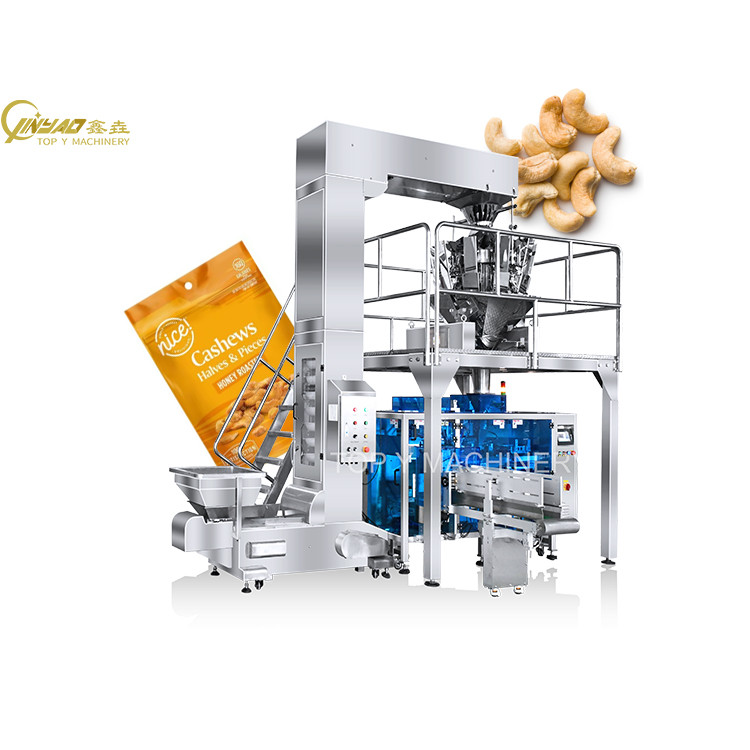
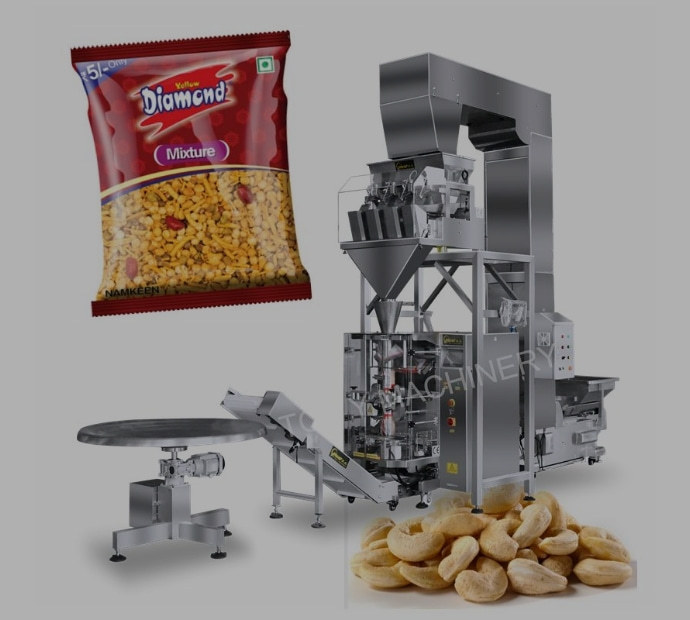
When absolute precision in weight is the top priority, automatic weighing and filling machines are the preferred choice. Unlike VFFS machines that often rely on volumetric dosing (filling by volume), these systems use advanced weighing technology, such as load cells or multi-head weighers, to measure the exact weight of the salt before it is dispensed. This method is crucial for retail products where net weight compliance is mandatory and for minimizing costly product giveaway.
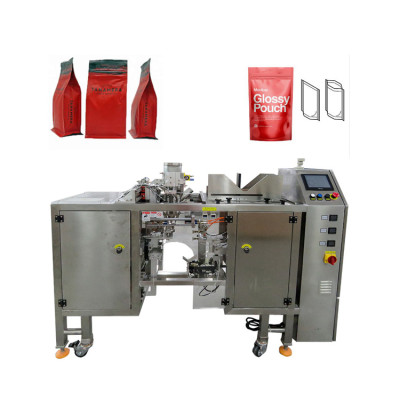
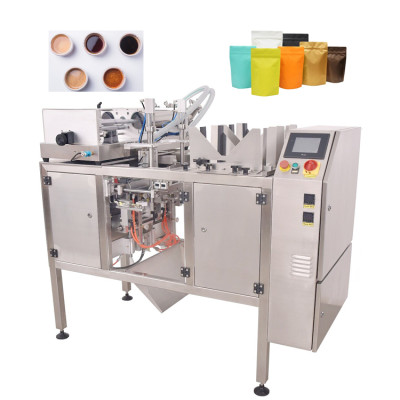
These machines are incredibly versatile and can be configured for a wide range of packaging types, including pre-made bags, stand-up pouches, rigid containers like jars and bottles, and large-format bulk bags.
There are several types of automatic weighing and filling systems:
- Linear Weighers: These are suitable for granular, free-flowing products like salt. The product is vibrated along a feed pan into a weigh bucket. Once the target weight is reached, the bucket discharges the salt into the container.
- Multi-Head Weighers: For ultimate accuracy and speed, multi-head weighers are unparalleled. They use a combination of multiple weigh heads; a computer algorithm calculates the combination of buckets that comes closest to the target weight without being under. This ensures extremely tight tolerances.
- Auger Fillers: While often used for powders, auger fillers can also handle granular salt. They use a rotating screw to dispense a measured amount of product. However, for free-flowing salt, a volumetric cup filler is often recommended as a more suitable and simpler mechanism.
These systems are essential for packing everything from small spice jars to large 50kg industrial bags, providing the accuracy needed for a variety of applications.
Key Benefits of a Modern Salt Packing Machine
Investing in a modern Salt packing machine is more than just an operational upgrade; it's a strategic move that delivers substantial benefits across the board. From enhancing product quality to boosting your bottom line, these automated systems are game-changers for producers of all sizes.
Precision, Efficiency, and Consistency
At the core of modern packaging automation is the ability to deliver unparalleled precision and efficiency. Automated systems use advanced weighing and filling mechanisms to ensure that each package contains the exact specified amount of salt. This high level of accuracy, often within ±0.1% to ±0.5%, significantly reduces product giveaway, which can lead to substantial cost savings over time. Furthermore, automation dramatically increases packaging speed, allowing machines to process hundreds or even thousands of packages per hour—far exceeding manual capabilities. This high throughput not only streamlines the entire production line but also ensures a consistent and professional appearance for every package, reinforcing brand quality and customer trust.
Upholding Hygiene and Safety Standards
Salt is highly hygroscopic, meaning it readily absorbs moisture from the air, which can lead to clumping and spoilage. Modern packing machines operate in closed environments that protect the salt from atmospheric contamination. More importantly, in the food industry, hygiene is non-negotiable. To combat the corrosive nature of salt, high-quality machines are constructed from corrosion-resistant materials, with 316 stainless steel being the preferred choice for all components that come into direct contact with the product. This material is not only durable but also easy to clean and sanitize, preventing residue buildup and bacterial growth. By automating the process, human intervention is minimized, which further reduces the risk of cross-contamination and helps businesses comply with stringent food safety standards like FDA regulations and HACCP.
Versatility for Diverse Salts and Packaging
The salt market is incredibly diverse, ranging from fine table salt and coarse sea salt to specialty gourmet and industrial salts. A key benefit of modern packing machinery is its versatility. These systems can be adapted to handle different salt characteristics, including particle size, flow properties, and moisture content. Moreover, they support a wide array of packaging formats, from small single-serve sachets and stick packs to pillow pouches, stand-up bags with zippers, gusseted bags, and rigid containers like jars and bottles. This flexibility allows a single machine to cater to various product lines and market demands, whether for retail, food service, or industrial applications.
Driving Cost-Effectiveness and ROI
While the initial investment in an automated packaging line can seem significant, the long-term return on investment (ROI) is compelling. Automation leads to a dramatic reduction in manual labor costs, in some cases allowing businesses to save between $25,000 and $35,000 annually. Beyond labor, cost savings are realized through reduced material waste, as machines use precise amounts of film and product for each package. The increased speed and efficiency boost overall productivity and allow businesses to scale their operations to meet higher demand. Many companies that invest in salt packaging automation report seeing a full return on their investment in as little as 24 months, making it a financially sound decision for long-term growth and competitiveness.