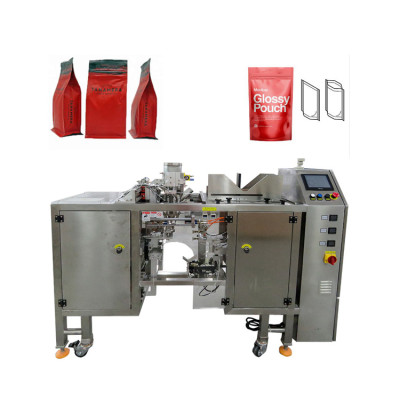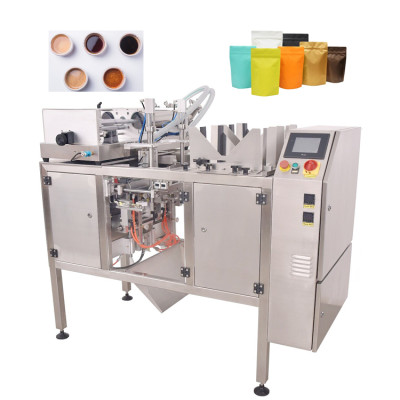
What Are Powder VFFS Packing Machines and How Does TOP Y MACHINERY Elevate Packaging?
In today's competitive manufacturing landscape, we constantly encounter pressing challenges such as production bottlenecks, inconsistent fill weights, and the ongoing struggle with labor shortages. We recognize that these issues can significantly impact both profitability and our ability to meet timely order deliveries.
Effective packaging is far more than just a final step; it's a critical foundational element that ensures efficiency and product consistency. We are here to explore a key solution that addresses these challenges head-on: the innovative Powder VFFS Packing Machine.
Key Takeaways
- Core Function: Powder VFFS machines are automated systems that form a bag from a film roll, fill it with a precise amount of powder, and then seal it in a continuous vertical process.
- Operational Efficiency: They dramatically increase output by automating tasks, achieving speeds of up to 300 bags per minute and significantly reducing labor costs.
- Precision and Integrity: Specialized dosing systems, like auger fillers, ensure accurate fill weights, minimizing product waste. The machine creates airtight seals that protect product quality and extend shelf life.
- Versatility: These machines can handle various powder types and produce a wide array of bag styles, including pillow, gusseted, and flat-bottom bags, from different film materials.
- Strategic Investment: Beyond the initial purchase, the ROI is realized through reduced labor, minimized waste, and increased throughput. Partnering with a manufacturer like TOP Y MACHINERY ensures custom engineering, compliance, and long-term support, maximizing the total cost of ownership.
Understanding the Powder VFFS Packing Machine: Its Core Function and Process
To appreciate the transformative impact of this technology, we must first understand what it is and how it meticulously handles the unique challenges of packaging powders. This foundational knowledge is key to recognizing how it can revolutionize a production line.
What Exactly is a Powder VFFS Packing Machine?
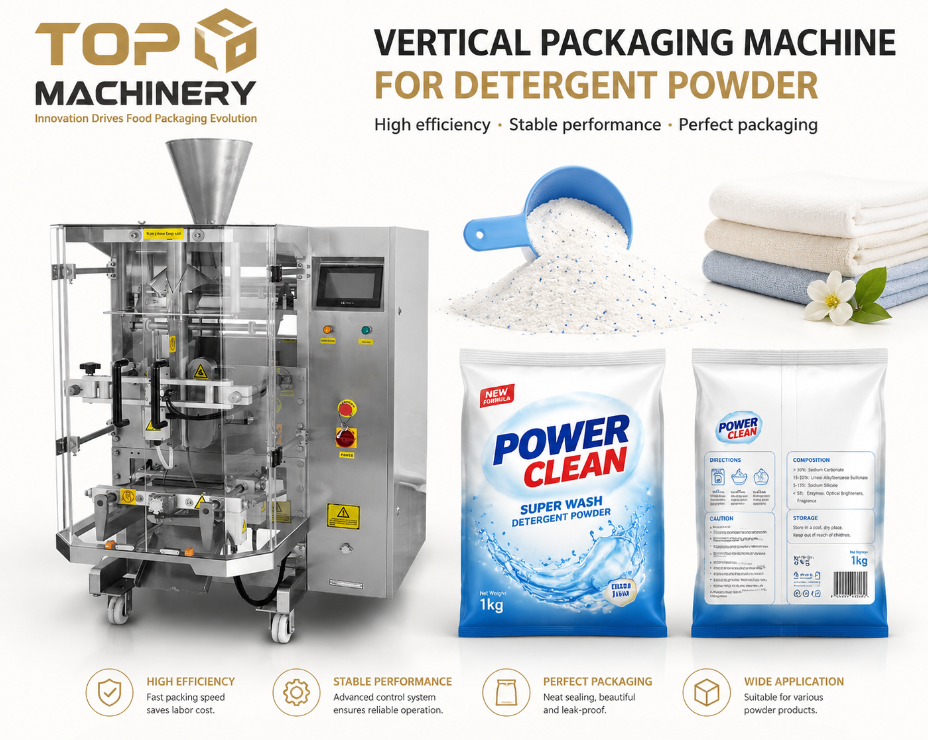
A Vertical Form Fill Seal (VFFS) machine is an automated packaging system that, as its name suggests, performs three core actions in a vertical sequence: it forms a bag, fills it with a product, and seals it. The process begins with a large, flat roll of packaging film which is then shaped into a bag, filled, and sealed, all within a single, integrated machine. A Powder VFFS Packing Machine is a specialized variant of this technology, engineered specifically to handle the complexities of powders—from fine and dusty products like flour and spices to granular ones like protein powders and drink mixes.
The key distinction lies in the integration of a powder-specific dosing system, most commonly an auger filler. This component is crucial for dispensing powders accurately and consistently, which is a significant challenge for standard packaging systems due to issues like dust generation and inconsistent density. These machines are the backbone of packaging operations in the food, pharmaceutical, and chemical industries.
How a Powder VFFS Packing Machine Operates for Optimal Powder Handling
The operation of a VFFS Packing Machine is a masterclass in automated efficiency. The entire process, from a flat roll of film to a finished, sealed bag, can be broken down into a series of seamless steps:
- Film Unwinding and Guiding: The process starts with a single roll of packaging film loaded at the back of the machine. A system of rollers and tensioners, often called the film transport system, unwinds the film and guides it toward the forming area, ensuring it remains taut and perfectly aligned.
- Bag Forming: The flat film is directed towards a "forming collar" or "forming tube." As the film passes over the shoulder of this collar, it is folded around the tube to create a cylinder with the outer edges overlapping.
- Vertical Sealing: As the film is pulled downwards, a vertical sealing bar presses against the overlapped edges, using heat and pressure to fuse them together. This creates a continuous vertical seam, transforming the flat film into a long tube of packaging material.
- Dosing and Filling: This is where the specialized powder handling comes into play. An auger filler, synchronized with the bagger, dispenses a precise volume of powder down through the center of the forming tube and into the waiting bag. The auger screw's revolutions are precisely controlled to ensure each bag receives the exact same amount of product, minimizing waste and ensuring consistency.
- Horizontal Sealing and Cutting: Once the powder is dispensed, a pair of horizontal sealing jaws comes together. These jaws perform three actions simultaneously: they create the top seal of the filled bag, the bottom seal of the next bag, and a cutting blade between the jaws separates the finished bag from the film tube.
- Finished Product Discharge: The completed, sealed bag then drops onto a conveyor or into a collection bin, ready for the next stage of the production line, such as case packing or palletizing.
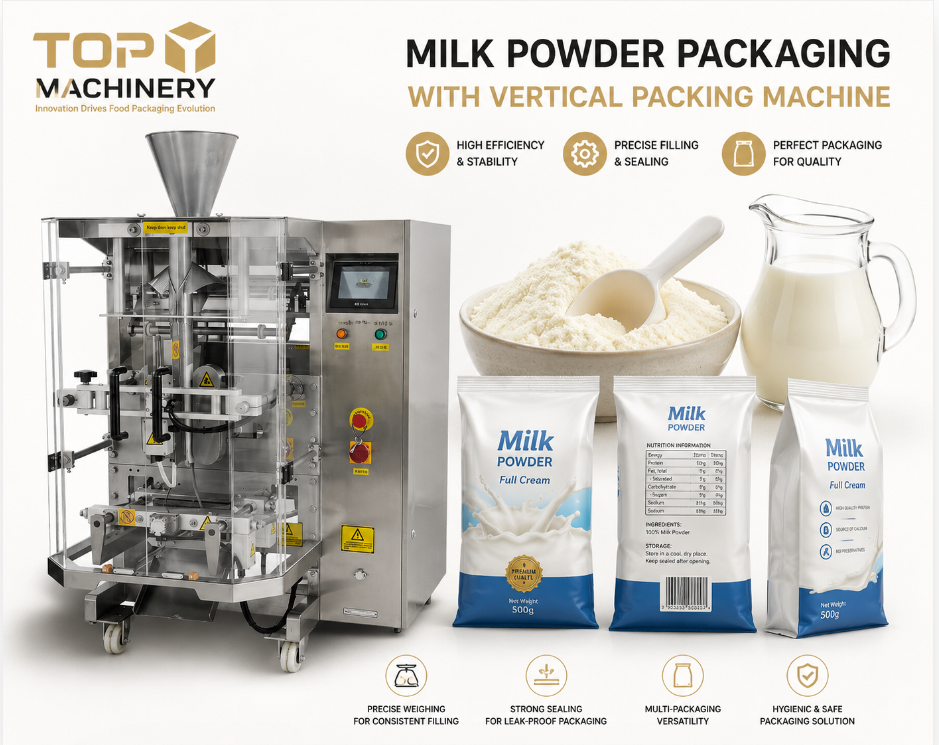
This entire cycle repeats continuously at high speeds, allowing for the packaging of hundreds of units per minute with minimal operator intervention.
The Strategic Advantages of Investing in a Powder VFFS Packing Machine
Switching from manual or semi-automated processes to a fully automated Powder VFFS Packing Machine is a strategic decision that yields substantial benefits. These advantages go beyond simple speed, impacting efficiency, product quality, and the bottom line.
Boosting Efficiency and Productivity with Your Powder VFFS Packing Machine
The most immediate and dramatic advantage of a VFFS machine is the leap in production throughput. By automating the entire process of bag forming, filling, and sealing, these machines operate at speeds that are impossible to match manually. Modern machines can produce anywhere from 30 to over 100 packages per minute, significantly increasing output without the need for a larger workforce.
This continuous, high-speed operation minimizes downtime between packages and eliminates the bottlenecks common in manual processes. The result is a more streamlined, predictable, and highly productive packaging line that can easily scale to meet growing demand. A single operator can often oversee multiple machines, reallocating valuable human resources to more complex tasks like quality control and logistics.
Ensuring Product Integrity and Shelf Life with a Powder VFFS Packing Machine
For powder products, exposure to oxygen, moisture, and contaminants can quickly lead to degradation, clumping, and spoilage. A Powder VFFS Packing Machine is engineered to create a secure, protective barrier around the product. The machine's sealing jaws use precise temperature and pressure controls to create strong, hermetic seals that prevent leaks and lock out external elements. This is crucial for extending shelf life and ensuring the product reaches the consumer in perfect condition.
A common issue in powder packaging is the contamination of the seal area by airborne particles, which can create microscopic channels for air and moisture to enter. Advanced VFFS machines address this with features like dust extraction systems that remove powder from the sealing zone before the jaws close, ensuring a clean, strong seal every time. By maintaining the integrity of the packaging, businesses can reduce spoilage-related losses and uphold brand reputation for quality.
Realizing Cost Savings and Return on Investment (ROI) with a Powder VFFS Packing Machine
While the initial investment in a VFFS machine can be significant, the return on investment (ROI) is realized through multiple avenues of cost savings. The reduction in manual labor is one of the most prominent benefits, as automation dramatically lowers a company's reliance on a large packaging workforce and the associated costs.
Furthermore, the precision of VFFS machines leads to significant material and product savings. Accurate film control reduces scrap, while precise dosing from auger fillers minimizes product giveaway, ensuring you aren't putting more product in the bag than necessary. Over time, these incremental savings add up to a substantial reduction in operational costs.
Here is a breakdown of the key areas for cost savings:
| Cost Savings Category | Description of Benefit |
|---|---|
| Reduced Labor Costs | Automation replaces repetitive manual tasks, allowing for a smaller, more efficient workforce. A single operator can manage multiple machines, drastically cutting wage expenses. |
| Minimized Product Waste | High-precision auger fillers ensure consistent and accurate fill weights, preventing overfilling and reducing costly product giveaway. |
| Lower Material Consumption | By forming bags from a roll of film instead of using more expensive pre-made pouches, material costs are significantly lowered. Precise film handling also minimizes scrap. |
| Increased Throughput | Higher packaging speeds mean more product can be shipped in less time, increasing overall revenue potential without expanding the facility footprint. |
| Improved Product Quality | Secure seals reduce product spoilage and customer returns, protecting revenue and brand reputation. |
Ultimately, a Powder VFFS Packing Machine is not just a piece of equipment but a strategic investment that drives efficiency, quality, and profitability, offering a compelling ROI for any growing business.
Key Engineering Innovations in Modern Powder VFFS Packing Machines
The modern Powder VFFS Packing Machine is a marvel of engineering, incorporating numerous innovations designed to tackle the specific challenges of powder packaging. These advancements focus on precision, versatility, and hygiene to deliver a superior packaging solution.
Achieving Unparalleled Precision with a Powder VFFS Packing Machine's Dosing Systems
The heart of any powder packing machine's accuracy is its dosing system. For powders, the undisputed champion is the auger filler. This system uses a precisely machined, vertically oriented screw that rotates within a hopper to dispense product. Modern auger fillers are a far cry from their predecessors, thanks to several key innovations:
- Servo-Motor Driven Screws: Instead of simple motors, high-end machines use servo motors. These allow for exact control over the auger's rotation—down to a fraction of a turn. This precision means the volume of powder dispensed can be controlled with incredible accuracy, often within +/- 1%, which minimizes product giveaway and ensures consistency across all packages.
- Agitator Systems: Many hoppers now include a separate, slow-moving agitator. This blade stirs the powder to prevent bridging or compacting and maintains a consistent bulk density as it feeds into the auger flights, further improving dosing accuracy.
- Closed and Dust-Free Design: Auger fillers are inherently enclosed systems, which significantly reduces the amount of airborne dust generated during filling. This not only creates a cleaner, safer work environment but also prevents product loss.
While auger fillers are the most common solution for powders, other dosing systems like multihead weighers can be used for more granular, free-flowing products, offering flexibility within the packaging line.
Versatile Pouch Formats and Advanced Film Handling in Powder VFFS Packing Machines
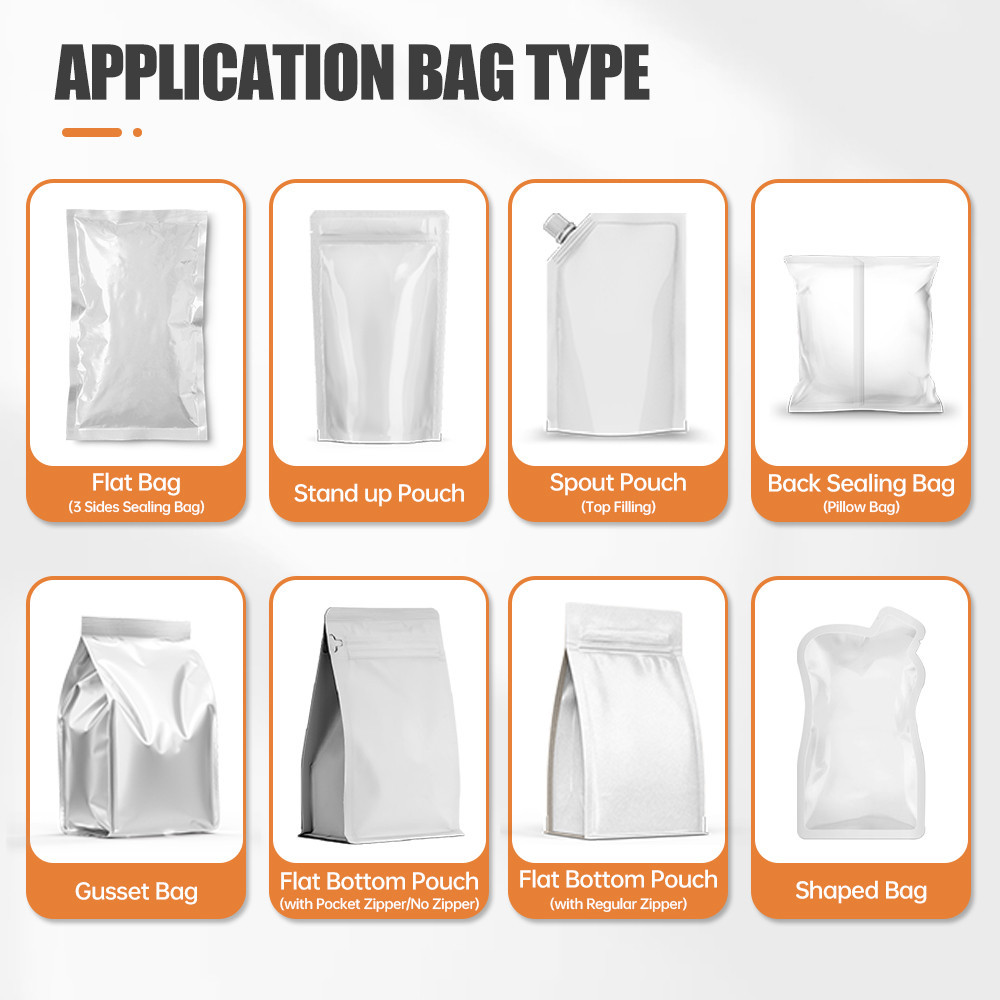
Consumer demands and retail shelf requirements have driven innovation in bag styles. Modern VFFS machines are no longer limited to simple pillow bags. With quick-change forming assemblies, a single machine can be adapted to produce a variety of pouch formats to suit different products and marketing strategies.
Common bag styles include:
- Pillow Bag: The most basic and economical style, perfect for a wide range of products.
- Gusseted Bag: Pillow bags with side gussets that allow them to hold more volume and take on a more squared shape when filled.
- Quad Seal Bag: These bags have four vertical corner seals, creating a distinct, box-like appearance that stands up well and offers excellent shelf presence.
- Flat-Bottom Bag: Also known as a block-bottom bag, this premium style combines a flat base with four corner seals, offering exceptional stability and five printable panels for branding.
This versatility is supported by advanced film handling systems. Features like automatic film tracking and tension control ensure the packaging material—whether it's polyethylene, laminates, or biodegradable films—runs smoothly and remains perfectly aligned, preventing wrinkles and ensuring high-quality seals.
Maintaining Hygiene and Strong Seal Integrity with Your Powder VFFS Packing Machine
In the food and pharmaceutical industries, hygiene is non-negotiable. Modern Powder VFFS Packing Machines are designed with sanitation in mind. Innovations in this area include:
- Stainless Steel Construction: Frames and product-contact parts are typically made from high-grade stainless steel (like SS304 or SS316) that is resistant to corrosion and easy to clean.
- Hygienic Design: Machines are built to minimize horizontal surfaces where product or water can collect. Welded frames are often preferred over bolted ones to eliminate crevices where bacteria can grow.
- Easy-to-Clean Components: Parts that come into contact with the product, such as the forming tube and auger filler, are often designed for tool-free removal to allow for quick and thorough cleaning and changeovers.
Equally important is seal integrity. A weak or incomplete seal can compromise the product. Fine powder particles are a primary cause of seal failure. To combat this, advanced machines employ:
- Intelligent Temperature Control: Maintaining a stable and precise sealing temperature is crucial for consistent seals.
- Dust Suction Devices: A vacuum system can be used to actively pull airborne powder away from the sealing area just before the jaws close.
- Advanced Sealing Jaws: Designs that apply uniform pressure across the entire seal, and even ultrasonic sealing technology, can create strong bonds even through minor product contamination.
These engineering innovations work in concert to create a packaging system that is not only fast and efficient but also precise, flexible, and safe.
Navigating the Selection Process for Your Ideal Powder VFFS Packing Machine
Selecting the right Powder VFFS Packing Machine is a critical decision that will impact your operational efficiency and product quality for years to come. A thoughtful selection process involves evaluating key performance metrics, operational and material compatibility, and integration capabilities.
Critical Performance Metrics for a Powder VFFS Packing Machine: Accuracy and Throughput
Two of the most important performance metrics to evaluate are accuracy and throughput.
Throughput (Speed): Measured in bags per minute (BPM), throughput indicates the machine's raw output capacity. Intermittent motion machines typically operate at speeds of 60-80 BPM, while continuous motion models can exceed 180 BPM. Your choice depends on your production demands. A high-speed machine is essential for large-scale operations, but it's important to ensure that speed doesn't come at the cost of seal quality or fill accuracy.
Accuracy: For powder products, filling accuracy is paramount. It refers to the machine's ability to dispense the correct amount of product into each bag consistently. Modern VFFS machines paired with high-quality auger fillers can achieve remarkable accuracy, often within a tolerance of ±0.5% to ±1%. This precision minimizes product giveaway, which is especially critical when packaging high-value powders, and ensures regulatory compliance for labeled weights.
There is often a trade-off between speed and accuracy. Running a machine at its absolute maximum speed may slightly widen the weight variance. Therefore, it's crucial to test the machine with your specific product at your desired operational speed to find the optimal balance that meets your business needs.
Operator Accessibility and Film Compatibility for Your Powder VFFS Packing Machine
A machine is only as effective as its operator's ability to use it efficiently. Operator accessibility is a key factor in minimizing downtime and ensuring smooth operation. Look for machines with:
- User-Friendly HMI (Human-Machine Interface): A modern, intuitive touchscreen interface allows operators to easily set parameters, store product recipes, adjust settings, and diagnose issues without needing deep technical expertise.
- Tool-less Changeovers: The ability to switch between different bag sizes or products without requiring special tools can dramatically reduce changeover time. Components like forming tubes and sealing jaws should be designed for quick release and replacement.
- Ease of Cleaning and Maintenance: Accessibility for cleaning and routine maintenance is crucial for uptime and hygiene. Open-frame designs and pivoting control boxes provide 360-degree access to all parts of the machine.
Film compatibility is another vital consideration. The machine must be able to effectively handle your chosen packaging material. Factors to consider include:
- Material Type: Common films include polyethylene (PE), polypropylene (PP), and multi-layer laminates (e.g., PET/AL/PE), each with different sealing properties and barrier characteristics. Newer, sustainable options like recyclable and compostable films are also becoming more prevalent.
- Film Thickness: Machines are rated to handle a specific range of film thicknesses, typically between 40-120 microns. Using a film outside this range can cause tracking or sealing issues.
- Heat Sealability: The machine's sealing system must be compatible with the film's sealing layer. Laminated films often provide a wider and more forgiving sealing window than single-layer plastics.
Seamless Integration with Quality Assurance Tools for Your Powder VFFS Packing Machine Line
A Powder VFFS Packing Machine rarely operates in isolation. It is the central component of a larger packaging line. Its ability to seamlessly integrate with upstream and downstream equipment is essential for building a fully automated and efficient system. Key integrations include:
- Upstream Equipment: The VFFS machine must connect with feeding systems like screw conveyors or pneumatic conveyors that transport powder to the hopper.
- Downstream Quality Assurance (QA) Tools: To ensure every package meets quality standards, VFFS lines are almost always integrated with:
- Metal Detectors: Often placed between the weigher and bagger, throat-style metal detectors inspect the product just before it enters the bag. This placement is ideal for applications using metalized film, as it inspects the product before the packaging can interfere with detection.
- Checkweighers: Positioned immediately after the VFFS machine, a checkweigher weighs every single package. It rejects any bags that are over or under the specified weight tolerance and can provide closed-loop feedback to the auger filler to automatically adjust fill amounts, further enhancing accuracy.
A manufacturer that can provide a fully integrated line, ensuring all components communicate effectively, is invaluable. This holistic approach prevents bottlenecks and guarantees that the entire line operates as a single, cohesive unit.
Beyond the Powder VFFS Packing Machine: How Leading Manufacturers Elevate Your Packaging Program
Purchasing a Powder VFFS Packing Machine is only the first step. The true value comes from partnering with a manufacturer that acts as a strategic partner, elevating your entire packaging program through expertise, compliance, and long-term support. A leading manufacturer like TOP Y MACHINERY offers solutions that go far beyond the standard equipment.
The Critical Role of Custom Engineering and Material Compatibility for Powder Packaging Challenges
No two powders are exactly alike. One might be free-flowing, while another is sticky, abrasive, or extremely dusty. A one-size-fits-all approach to packaging machinery rarely succeeds. This is where custom engineering becomes critical. Expert manufacturers work closely with clients to understand the unique properties of their products and design tailored solutions.
This can involve:
- Customized Dosing Systems: Modifying auger screw designs to handle non-free-flowing powders or incorporating vacuum technology to compact dusty products and ensure a cleaner fill.
- Specialized Material Handling: Developing solutions for abrasive materials that could cause premature wear on standard components.
- Material Compatibility Testing: Ensuring the chosen packaging film has the right barrier properties and will not react chemically with the product, a process known as compatibility studies.
By providing custom-engineered solutions, a manufacturer ensures the machine is perfectly optimized for the product, leading to higher efficiency, less downtime, and better overall performance.
The Importance of Industry Certifications and Compliance in Industrial Packaging
Operating in a global market requires adherence to a complex web of safety and quality standards. Partnering with a manufacturer that designs and builds machines to meet these standards is non-negotiable, especially in the food, pharmaceutical, and chemical industries.
Key certifications and compliance standards include:
- CE Marking: A mandatory conformity marking for products sold within the European Economic Area (EEA), the CE mark indicates that the machinery meets the EU's high safety, health, and environmental protection requirements.
- GMP (Good Manufacturing Practice): While GMP is a system enforced through inspection rather than a direct certificate for a machine, equipment designed for pharmaceutical or food environments must follow GMP principles. This includes hygienic design with easy-to-clean surfaces (like SS304/316 stainless steel), no dead zones where product can accumulate, and the use of food-grade materials to prevent contamination.
- ISO Certification: An ISO 9001 certification for the manufacturer demonstrates that they have a robust quality management system in place for the design, production, and service of their equipment, ensuring consistency and reliability.
A manufacturer that invests in these certifications provides assurance that their equipment is safe, reliable, and ready for deployment in highly regulated industries.
Strategic Partnerships and Total Cost of Ownership for Your Packaging Machines
The relationship with your machine provider should not end after the sale. A true strategic partnership focuses on providing value throughout the equipment's entire lifecycle and optimizing its Total Cost of Ownership (TCO). TCO goes beyond the initial purchase price to include all long-term expenses.
A manufacturer committed to a low TCO for their clients will offer:
- Comprehensive Installation and Training: On-site technicians ensure the machine is installed correctly and that your operators and maintenance staff are thoroughly trained to maximize performance and handle routine tasks.
- Responsive Technical Support: Access to knowledgeable technicians via phone, virtual support, or quick on-site dispatch is crucial for troubleshooting issues and minimizing costly downtime.
- Preventive Maintenance Programs: Structured maintenance plans help identify and address potential issues before they become major problems, extending the life of the machine and ensuring consistent operation.
- Readily Available Spare Parts: A strong supplier maintains a stock of critical spare parts and can ship them quickly, ensuring that a minor part failure doesn't halt your production for an extended period.
By viewing the purchase as the beginning of a long-term relationship, manufacturers can provide ongoing support that lowers the total cost of ownership and ensures the packaging line remains a productive asset for years to come.
Frequently Asked Questions (FAQs)
1. What types of powders are compatible with a Powder VFFS Packing Machine? These machines are incredibly versatile and can be engineered to handle a wide spectrum of powders. This includes free-flowing powders (like granulated sugar and salt), non-free-flowing powders (like flour, protein powder, and cocoa), and fine or dusty products (such as spices and powdered milk). Customizations to the auger filler and dust control systems ensure optimal performance for your specific product.
2. What is the typical production speed of a Powder VFFS Packing Machine? Production speed, or throughput, varies depending on the machine model, bag size, film type, and powder characteristics. Standard intermittent motion machines typically run between 40 to 80 bags per minute (BPM). For higher volume needs, continuous motion machines can achieve speeds of 100 to 180 BPM or even more in certain applications.
3. How complex is it to switch between different bag sizes or powder products? Modern VFFS machines are designed for efficiency and user-friendliness. Many feature "tool-less" changeovers, allowing operators to swap out key components like the forming tube and film roll quickly. Product recipes, including fill weights and sealing temperatures, can be saved in the HMI, allowing for fast recall. A simple changeover, like adjusting bag length, can take just a few minutes, while a more complex change involving a new bag width might take 15 to 60 minutes.
4. What maintenance is required for a Powder VFFS Packing Machine? Regular maintenance is crucial for ensuring longevity and optimal performance. Daily tasks typically include cleaning product contact areas and inspecting for any visible issues. Weekly maintenance may involve lubricating moving parts and checking wear items like sealing jaw tape and cutting blades. A robust preventive maintenance program, often provided by the manufacturer, will schedule periodic inspections and replacement of wear parts to prevent unexpected downtime.
5. How does a Powder VFFS Machine integrate with other equipment like checkweighers? Seamless integration is a key feature. A VFFS machine is the heart of the line and is designed to communicate with other systems. Typically, a conveyor will carry finished bags from the VFFS machine to a checkweigher, which verifies the weight of each package. The checkweigher can then provide feedback to the VFFS machine's auger filler, automatically adjusting the fill amount to maintain accuracy. This creates a closed-loop system that ensures quality control with minimal manual intervention.
Ultimately, we believe that investing in the right Powder VFFS Packing Machine and partnering with a supportive manufacturer is a strategic decision that consistently delivers through enhanced efficiency, reduced operational costs, and unwavering product quality. By prioritizing precision engineering, comprehensive integration capabilities, and robust long-term support, we are confident that businesses can truly transform and elevate their packaging operations, meeting today's demands and preparing for future growth with confidence. If this deep dive has sparked your interest in optimizing your packaging line, we encourage you to share this article with your team and start a conversation about the future of your production.