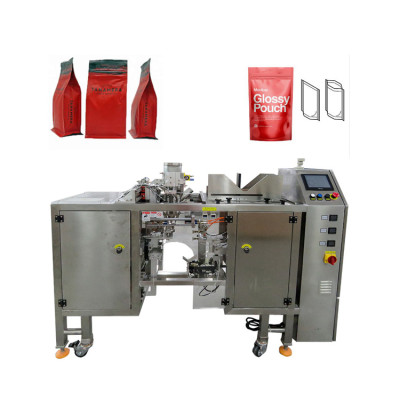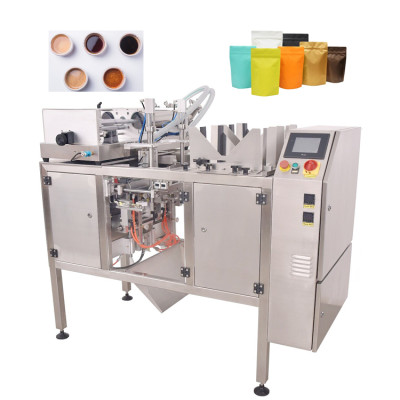
What Are Dried Fruit Packing Machines and How Do They Boost Healthy Food Production?
As we embrace healthier lifestyles, dried fruits have become a popular snack choice, valued for their convenience and nutritional benefits. But have you ever wondered how these delicious bites maintain their quality and freshness from the farm to your pantry? It's all thanks to the unsung heroes of the food industry: dried fruit packing machines.
From raisins to mango slices, the global demand for dried fruits is booming. This growth hinges not only on their taste but also on advanced packaging techniques that ensure food safety and extend shelf life.
Join me as we explore how specialized dried fruit packing machines are revolutionizing healthy food production, making nutritious snacks more accessible and enjoyable for everyone.
Understanding the Role of Dried Fruit Packing Machines
The journey of a dried fruit from orchard to snack pouch is a delicate one. The final step in this process, packaging, is arguably one of the most critical. It’s here that the fruit’s longevity, safety, and quality are sealed in. This isn't just about putting fruit in a bag; it's a science dedicated to preservation.
What Exactly Are Dried Fruit Packing Machines?
At its core, a food packaging machine is designed to package food products for storage and distribution. For dried fruits, these machines are specialized systems that automate the process of weighing, filling, and sealing products into various types of containers like bags, pouches, or jars. These machines range from semi-automated to fully automated systems that handle everything from forming the package to printing dates and quality control checks. They are crucial for any large-scale production, providing efficiency and consistency that manual labor simply cannot match.
Beyond Basic Packaging: Keeping Dried Fruits Fresh and Safe
The primary role of dried fruit packaging is much more than simple containment; it is to protect and preserve. These machines create a protective barrier against external elements that threaten to spoil the product. A well-packaged dried fruit is shielded from moisture, oxygen, light, and contaminants, all of which can degrade its texture, flavor, nutritional value, and safety. Without this crucial step, the extended shelf life that makes dried fruit so convenient would be impossible to achieve.
Why Dried Fruits Need Specialized Packaging
Dried fruits are more vulnerable than they appear. While the dehydration process removes most of the water, making them less susceptible to spoilage than fresh fruit, they face a unique set of challenges that specialized packaging is designed to address.
The Vulnerability of Dried Fruits to Moisture and Spoilage
After the drying process reduces their water content significantly (from 80-95% down to 10-20%), dried fruits become hygroscopic, meaning they are like sponges, ready to absorb moisture from the surrounding air. This reabsorption of moisture can lead to a host of problems. It can cause the fruit to become soggy or tough, and more critically, it creates an environment where molds, yeasts, and bacteria can thrive, leading to spoilage. An effective package acts as a fortress, maintaining the low moisture content achieved during drying.
Protecting Nutritional Value and Flavor
The enemies of freshness for dried fruit are oxygen, light, and heat. Exposure to these elements can trigger a cascade of undesirable chemical reactions.
- Oxidation: Oxygen in the air reacts with fats and other compounds in the dried fruit, leading to rancidity, off-flavors, and a loss of nutritional value. Vitamins A and C are particularly susceptible to this oxidative damage.
- Light: Exposure to sunlight can bleach the colors of dried fruits and further contribute to nutrient degradation, particularly affecting vitamins A and C.
- Heat: High storage temperatures accelerate all of these degradation processes, roughly doubling the rate of quality deterioration for every 10°F increase.
Specialized packaging, therefore, aims to create a stable, controlled environment that minimizes exposure to these degrading factors, locking in the flavor, aroma, and essential nutrients for the consumer to enjoy.
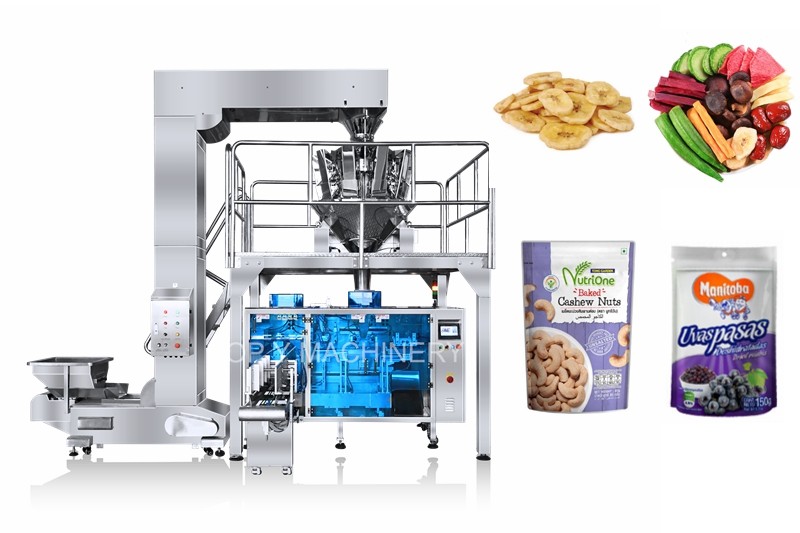
How Dried Fruit Packing Machines Preserve Quality and Extend Shelf Life
The true marvel of modern Dry fruit packing machine systems lies in their ability to actively combat the factors that cause spoilage. Through a combination of robust sealing and advanced atmospheric technologies, these machines significantly extend the freshness and safety of healthy snacks.
Sealing Power: Creating a Protective Barrier
The first and most fundamental function of a packing machine is to create a secure, airtight seal. This seal acts as the primary defense against the infiltration of moisture and oxygen from the outside environment. Whether it’s a heat seal on a plastic pouch or a tightly screwed lid on a jar, the integrity of this barrier is non-negotiable for preserving the product within. A compromised seal can quickly lead to moisture reabsorption, rendering the product susceptible to mold and textural changes. Modern machines use techniques like heat sealing with precise temperature controls to ensure a durable, tamper-proof closure that maintains product integrity from the factory to the consumer's pantry.
Advanced Technologies: Controlled Atmosphere and Vacuum Sealing
Beyond just sealing out the external environment, advanced packing machines can actively modify the internal one. This is where technologies like Controlled Atmosphere Packaging (CAP), vacuum sealing, and nitrogen flushing come into play, each offering a unique way to combat spoilage from within the package.
Controlled Atmosphere Packaging (CAP) with Dried Fruit Packing Machines
Controlled Atmosphere Packaging (CAP), often used interchangeably with Modified Atmosphere Packaging (MAP), is a sophisticated technique where the air inside the package is replaced with a carefully controlled mixture of gases. Typically, this involves reducing oxygen levels and increasing carbon dioxide or nitrogen. By dramatically lowering the oxygen content, CAP technology inhibits the growth of aerobic microorganisms and slows down the oxidative processes that cause rancidity and nutrient loss. This "stalls" the ripening and decay processes, effectively extending the product's shelf life while maintaining its quality.
Vacuum Sealing for Ultimate Freshness with Dried Fruit Packing Machines
Vacuum sealing is a more direct approach to the oxygen problem: it removes the air from the package almost entirely before sealing. By creating a vacuum, these machines eliminate the oxygen required for most molds and bacteria to grow. This method is highly effective for extending shelf life and is particularly suited for dense dried fruits that won't be crushed by the pressure. The result is a tightly packed product that is well-protected against oxidative spoilage.
Nitrogen Flushing: Reducing Oxidation in Dried Fruit Packing Machines
Nitrogen flushing is a common technique used within the MAP/CAP framework. In this process, after the air is removed from the package, it is "flushed" with inert nitrogen gas before the final seal. Nitrogen displaces the oxygen without creating the hard vacuum that might crush delicate products. Since nitrogen is an inert gas, it doesn't react with the food product, but it effectively removes the oxygen, preventing oxidation and the growth of aerobic microbes. This method is excellent for maintaining the crispness and flavor of dried fruits.
Protecting Against Physical Damage During Transit
A product's journey doesn't end on the production line. Packaging must also be robust enough to protect the dried fruit from the physical rigors of shipping and handling. Packing machines are designed to work with durable materials and package formats that can withstand impacts, prevent crushing, and maintain their seals during transit. This ensures that the product arrives on the retail shelf—and ultimately in the consumer's home—in the same pristine condition as when it was packed.
Efficiency and Consistency: The Automation Advantage of Dried Fruit Packing Machines
In the competitive landscape of food production, efficiency is king. Automating the packaging process with specialized machines provides a significant edge, moving beyond preservation to offer massive benefits in operations, cost-control, and safety.
Streamlined Operations and Reduced Labor Costs
The shift from manual to automated packaging marks a transformative leap in production capacity. Automated packing lines operate at a speed and consistency that human labor simply cannot replicate, filling, weighing, and sealing thousands of packages per hour. This dramatic increase in output directly addresses the ever-growing consumer demand.
Furthermore, automation provides a crucial solution to labor challenges in the agricultural and food processing industries. By automating repetitive tasks, companies can reduce their dependence on manual labor, which can be both costly and subject to shortages. A single operator can often oversee a system that does the work of many, leading to a significant reduction in labor costs and an increase in overall productivity.
Precision Weighing and Filling: Minimizing Waste
One of the most critical functions of an automated packing line is precision weighing. Modern machines are often equipped with multi-head weighers that can dispense the perfect amount of product into each package with incredible accuracy. This process is vital for two main reasons:
- Consumer Trust: It ensures that every package meets the net weight stated on the label, which is a legal requirement and a cornerstone of consumer trust.
- Cost Control: It drastically reduces "product giveaway"—the costly practice of overfilling packages to ensure they meet the minimum weight. Over time, even a few extra grams per bag can add up to thousands of pounds of lost product.
By guaranteeing precise fills, these machines minimize waste and maximize profitability.
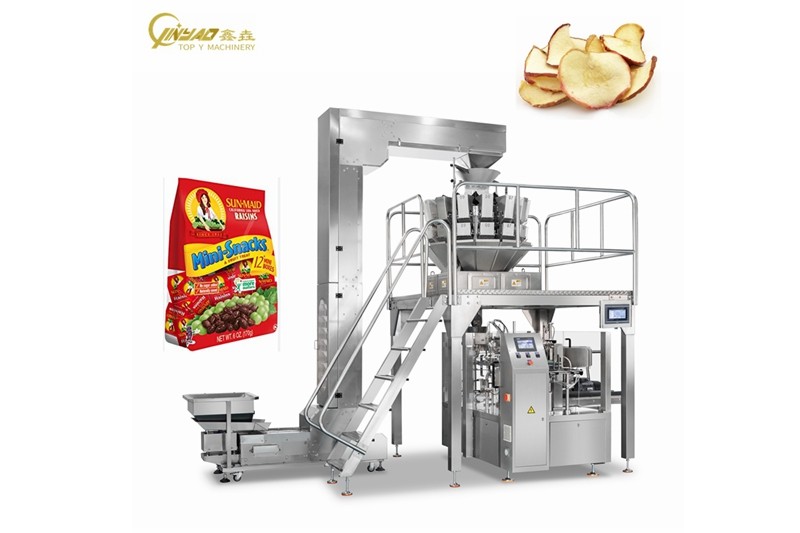
Ensuring Food Safety and Hygiene Standards
In food production, hygiene is non-negotiable. Automated packing machines are designed with food safety as a top priority. They are typically constructed from food-grade materials like stainless steel, which are corrosion-resistant and easy to clean and sanitize.
The enclosed nature of automated systems also dramatically reduces the risk of contamination. By minimizing human contact with the product, the chances of introducing microbes or other contaminants are significantly lowered. Many machines can also be integrated with quality control systems like metal detectors or checkweighers, which automatically reject any package that doesn't meet safety or quality standards, ensuring compliance with international regulations like HACCP and FDA standards. This creates a more hygienic, controlled process from start to finish.
Diverse Packaging Options Enabled by Dried Fruit Packing Machines
The modern consumer expects choice, not just in product, but in packaging format. Dried fruit packing machines are incredibly versatile, capable of handling a wide array of packaging types that cater to different market needs, from bulk wholesale to convenient on-the-go snacks.
Flexible Solutions: Pouches, Bags, and Sachets
Flexible packaging is a dominant force in the snack aisle, prized for its light weight, durability, and excellent branding real estate. Machines are adept at creating various forms of flexible packaging.
Stand-up Pouches and Gusseted Bags for Dried Fruits
Stand-up pouches and gusseted bags are a popular choice for dried fruits. Their ability to stand upright on shelves makes for great product presentation. Gusseted bags feature expandable sides, allowing them to hold a larger volume of product, making them ideal for family-size packs. These formats are typically made from multi-layer films that provide excellent barrier properties against moisture and oxygen, and they are often equipped with resealable zippers to maintain freshness after opening.
Single-Serving Sachets for Convenience
At the other end of the spectrum, packing machines can produce small, single-serving sachets or pillow bags. These are perfect for portion control, on-the-go consumption, and inclusion in lunchboxes or subscription snack boxes. This format caters directly to consumer demand for convenience and healthy, pre-portioned options.
Rigid Containers: Jars, Cans, and Boxes for Dried Fruits
While flexible packaging is common, rigid containers still hold a significant place, especially for premium or bulk products. Machine lines can be configured to fill and seal:
- Jars: Glass or plastic jars are often used for premium dried fruit mixes. They offer excellent product visibility, a high-end feel, and are inherently resealable, preserving the crunch and flavor over multiple servings.
- Cans: Metallic cans provide a superior barrier against light, oxygen, and moisture, making them one of the most protective forms of packaging. They are highly durable and are often used by well-known manufacturers for ensuring the highest level of product safety and longevity.
- Boxes: While less common as a primary container, automated systems can fill products into bags which are then placed in boxes (bag-in-box), or they can palletize finished packages into larger cartons for shipping and distribution.
Resealable Packaging: Maintaining Freshness After Opening
Perhaps one of the most consumer-friendly innovations in packaging is the resealable feature. The reality is that few consumers eat an entire bag of dried fruit in one sitting. Packing machines can seamlessly integrate zipper locks, press-to-close seals, or adhesive tabs into flexible pouches. This simple feature adds immense value by allowing consumers to securely reclose the package, protecting the remaining product from air and humidity, extending its freshness, and improving the overall user experience.
Key Takeaways
- Preservation is Key: Dried fruit packing machines are essential for preserving the quality, flavor, and nutritional value of snacks by creating a barrier against moisture, oxygen, and light.
- Advanced Technology: Modern machines use technologies like vacuum sealing, Controlled Atmosphere Packaging (CAP), and nitrogen flushing to actively extend shelf life by modifying the atmosphere inside the package.
- Efficiency and Automation: Automation streamlines operations, increases production speed, reduces labor costs, and minimizes product waste through precision weighing.
- Safety First: These machines are designed for hygiene, using food-grade materials and minimizing human contact to reduce contamination risks and ensure compliance with safety standards.
- Versatile Formats: From single-serving sachets to large resealable pouches and rigid jars, packing machines enable a wide variety of packaging options to meet diverse consumer needs.
Frequently Asked Questions (FAQ)
1. What is the main difference between vacuum sealing and Controlled Atmosphere Packaging (CAP)? Vacuum sealing physically removes air from the package to eliminate oxygen. CAP, or Modified Atmosphere Packaging (MAP), replaces the air with a specific mixture of gases (like nitrogen and carbon dioxide) to create an inert environment that slows spoilage. Vacuum sealing is very effective but can crush delicate items, while CAP offers protection without the pressure.
2. How do packing machines handle sticky dried fruits like dates or figs? Specialized packing machines for sticky products often use anti-stick surfaces, such as Teflon-coated weighers and funnels, to ensure a smooth product flow. They may also use vibration or specific timings in the weighing and dropping process to prevent clumping and ensure accurate fills.
3. Can these machines also handle nuts and seeds? Yes, absolutely. The same machines used for dried fruit are often used for packing nuts, seeds, trail mixes, granola, and other granular snack products. The key is ensuring the machine's weigher and filler are calibrated for the specific density and flow characteristics of the product being packaged.
4. How much can a packing machine extend the shelf life of dried fruit? Proper packaging can dramatically extend shelf life, from 6 months up to a year or even longer, depending on the fruit and storage conditions. By controlling exposure to air, moisture, and light, these machines can slow deterioration significantly compared to improperly stored products. For example, storing dried fruit at 60°F can result in a one-year shelf life, whereas at 80°F, that could be cut in half.
Conclusion
Dried fruit packing machines are far more than just a final step in the production line; they are vital players in the healthy food industry. They don't just package snacks; they are sophisticated custodians of quality, working to safeguard nutritional value, extend shelf life, and ensure the consistent safety and integrity of the products we enjoy. From creating the perfect hermetic seal to deploying advanced atmospheric technologies, these machines make healthy eating easier and more reliable for all of us.
By understanding the essential and multifaceted role of dried fruit packing machines, we can truly appreciate the complex journey our favorite healthy snacks take to reach our tables. The next time you open a perfectly fresh and delicious bag of dried apricots or raisins, you'll know it's not by chance—it's by design, powered by the incredible technology of modern food packaging.