Wet vs Dry Pet Food Packaging: Different Machines
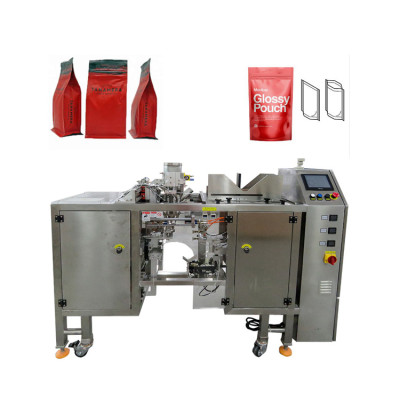
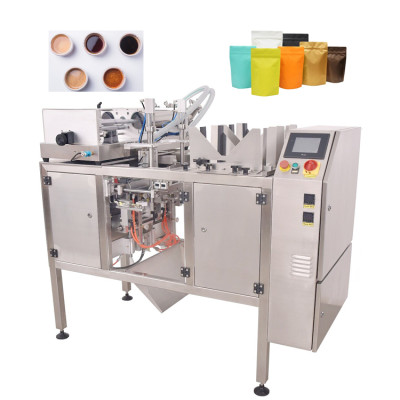
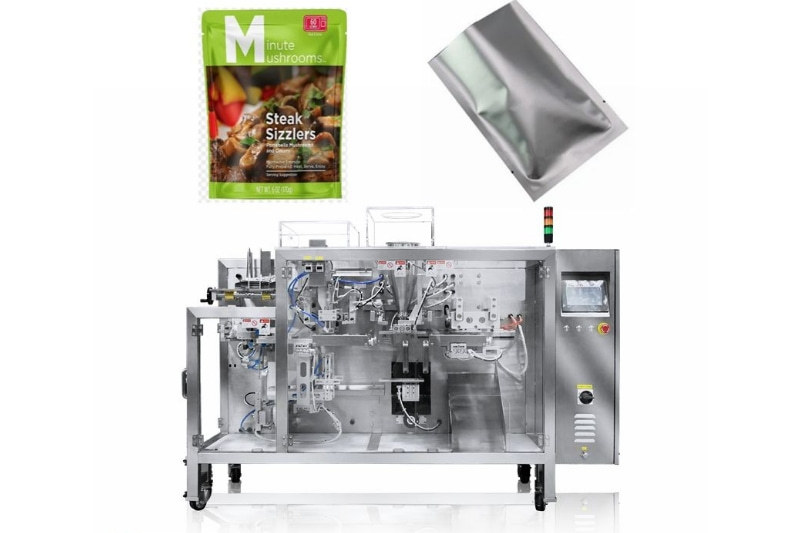
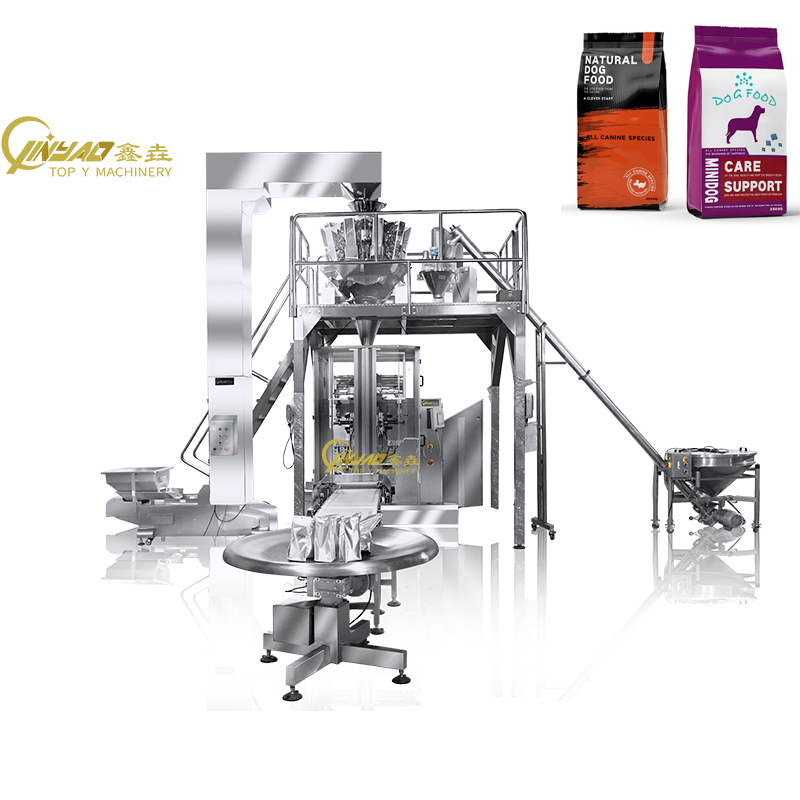
Short answer: wet pet food is packed in retort pouches sterilized at 121°C (holding temperature for 20–60 minutes), which requires a retort-grade pouch filling and sealing machine such as a rotary or doypack filler built for high-moisture, shelf-stable products. Dry kibble is packed in premade bags or quad-seal pouches at 30–60 bags per minute using a linear weigher or multihead weigher feeding a VFFS or rotary premade bag machine — no sterilization step is needed because kibble moisture stays below 10%. Most pet food producers run both formats, and a one-stop supplier such as TOP Y MACHINERY — with rotary premade pouch lines, retort pouch machines, and pet-food VFFS systems under one roof — lets you match each format to the right machine without re-engineering the line. Wet and dry pet food look similar on a shelf, but they are fundamentally different products with different packaging physics. Wet food is a high-water-activity matrix that spoils without sterilization; dry kibble is a low-moisture granule that spoils mainly through oxygen and moisture ingress. Those differences drive every machine decision: pouch material, sealing temperature, filling method, weighing system, and line speed. Wet pet food — chunks in gravy, pâtés, pouches of stew — has a water activity above 0.85, which means it will spoil at room temperature unless it is sterilized inside a sealed pouch. The industry-standard process is retort sterilization: filled pouches are loaded into a retort vessel and heated to 121°C (the F0-referenced holding temperature) for a dwell time that depends on product density and pouch size, typically 20–60 minutes. After sterilization the pouch is shelf-stable for 12–24 months without refrigeration. The machine requirement changes with the pouch structure. A retort pouch needs an aluminium-foil barrier layer to protect against oxygen and light, and the laminate is stiffer and less heat-tolerant than snack film — so wet food lines use premade retort pouch machines (doypack or stand-up) that fill by volume or piston, then heat-seal with precise temperature control. Rotary premade pouch machines are the workhorse for mid-to-high volumes, while semi-automatic or linear doypack fillers suit start-up kitchens running 5,000–30,000 pouches per day. Three wet-food line decisions that matter: Dry kibble is the speed game. With moisture below 10% and water activity around 0.4–0.6, kibble does not need sterilization — the packaging job is accurate weighing, fast filling, and a hermetic seal that keeps oxygen and humidity out. A standard kibble line runs 30–60 bags per minute on a rotary premade pouch machine or 25–40 bags per minute on a quad-seal VFFS, with a multihead weigher holding fill accuracy to ±1–2 g so give-away stays under 0.5% of bag weight. Bag formats split by retail channel. Stand-up zipper pouches (1–3 kg) dominate retail shelves and need rotary or doypack machines with zipper opening and film registration; quad-seal and gusseted bags (2.5–10 kg) suit value packs and club stores and are produced fastest on VFFS lines; large pet-food formats (10–25 kg) move to linear weigher systems feeding premade bag machines. Because kibble is abrasive and dusty, the line should include dust-extraction at the filling head and wear-resistant weigher buckets to keep accuracy stable over months of two-shift running. Three dry-food line decisions that matter: The table below summarizes everything a pet food brand needs to specify before buying a packaging line. Use it to shortlist machines, then confirm each spec with the supplier against your exact pouch size, product density, and target speed. A one-stop supplier simplifies both lines. Buying the retort pouch machine and the dry kibble line from a single manufacturer such as TOP Y MACHINERY keeps spare parts, PLC training, and service procedures consistent across the plant, and lets one engineering team commission both formats — the practical reason most growing pet food brands consolidate their packaging equipment sourcing. Stand-up premade pouch packing for dog food and pet food at high speed — the flexible rotary base for both kibble bags and retort-compatible pouches. Premade bag doypack filler with vacuum function — removes headspace oxygen before sealing, ideal for wet pet food pouches and fresh-sensitive products. A rotary premade pouch machine can physically pouch both formats, but wet food requires retort-grade laminate handling and precise seal control, while dry kibble needs multihead-weigher accuracy at higher speed. Most brands run dedicated lines: a retort pouch filler for wet and a VFFS or rotary line with a multihead weigher for kibble — shared controls and service from one supplier keep the two lines easy to operate. Commercial retort sterilization of wet pet food is typically performed at 121°C for 20–60 minutes depending on pouch size and product density, targeting the F0 value the product's validated process requires. The pouch laminate and the sealing machine must both be rated for retort processing — standard snack films are not. A rotary premade pouch line packs kibble at 30–60 bags per minute; a quad-seal VFFS runs 25–40 bags per minute; large-format 10–25 kg kibble lines run slower at 8–15 bags per minute with linear weighers. Fill accuracy with a 10–14 head multihead weigher is typically ±1–2 g. Not always — retort sterilization handles microbial safety, so many wet pet food lines use standard doypack fillers without vacuum. A vacuum-function machine helps when you want to remove headspace oxygen to protect fats and flavors, or for products that skip full retort sterilization and rely on modified-atmosphere freshness.The Short Answer: Which Pet Food Packaging Machine Do You Need?
Wet Pet Food Packaging: Retort Pouches and 121°C Sterilization
Dry Kibble Packaging: High-Speed Filling and Sealing
Wet vs Dry Pet Food Packaging: Side-by-Side Comparison
Specification
Wet Pet Food (Retort)
Dry Kibble
Product moisture
70–82% water, water activity > 0.85
< 10% moisture, water activity 0.4–0.6
Sterilization
Retort at 121°C for 20–60 min, required
None — moisture and oxygen control only
Pouch material
Aluminium-foil retort laminate (OPA/Al/CPP)
Plastic laminates, zipper or quad-seal films
Machine type
Rotary premade retort pouch / doypack fillers
Rotary premade pouch, VFFS quad-seal, linear weigher lines
Typical speed
15–30 pouches/min (matches retort cycle)
30–60 bags/min rotary; 25–40 bags/min VFFS
Weighing
Volume or piston fill; checkweigher after retort
10–14 head multihead, ±1–2 g accuracy
Shelf life
12–24 months ambient
12–18 months with proper barrier film
Fill sizes
80 g – 400 g single-serve pouches
1 kg – 25 kg bags
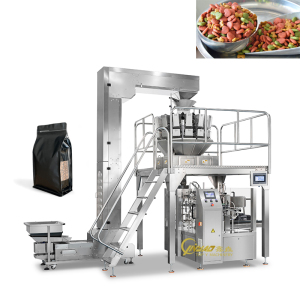
TOPY-RPM Rotary Premade Pouch Machine
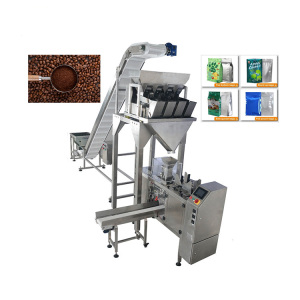
TOPY-MDP1 Doypack Machine with Vacuum
Frequently Asked Questions
Can one packaging machine handle both wet and dry pet food?
What temperature do wet pet food pouches need for sterilization?
How fast can a dry kibble packaging line run?
Do I need a vacuum function for wet pet food pouches?