Rotary vs Linear Packaging Machine: Which Configuration Fits Your Production Line?
Short answer: Choose a rotary packaging machine when your priority is high-speed output (40–60 bags/min) and continuous operation for large production volumes. Choose a linear packaging machine when you need flexible batch production, frequent product changeovers, and a lower initial investment (15–30 bags/min). Rotary configurations excel in steady high-volume environments; linear configurations offer greater layout flexibility and easier maintenance access. Selecting between a rotary and linear packaging machine is one of the most consequential decisions for food manufacturers, pet food producers, and commodity packers. Each configuration brings distinct advantages, and the wrong choice can lead to production bottlenecks, excessive downtime, or unnecessary capital expenditure. This guide provides a direct, evidence-based comparison of rotary and linear packaging machines — covering speed, footprint, maintenance, cost, and application fit — so you can make a confident procurement decision. A rotary packaging machine uses a continuously rotating turret or carousel to move pre-made bags or pouches through multiple stations. Each station performs a dedicated function — bag pickup, opening, filling, sealing, and discharge — simultaneously. This parallel processing design enables the machine to achieve speeds of 40–60 bags per minute, depending on product characteristics and bag size. A linear (or intermittent-motion) packaging machine moves bags along a straight track, processing one station at a time. The machine pauses at each station for the specific operation to complete before advancing to the next. This sequential design results in speeds of 15–30 bags per minute, but offers significant advantages in flexibility, changeover speed, and maintenance accessibility. The table below summarizes the key differences between rotary and linear packaging machine configurations across the factors that matter most to packaging professionals. Rotary packaging machines are the preferred choice for manufacturers who prioritize throughput and production continuity. Here are the scenarios where a rotary configuration delivers the strongest ROI: High-speed rotary design, 8–16 stations, 40–60 bags/min. Siemens or Mitsubishi PLC. Ideal for large-volume food and pet food packaging. Linear packaging machines excel in environments that demand flexibility, quick changeovers, and lower capital outlay. Consider a linear configuration when: Flexible linear design, 15–30 bags/min. Easy changeover in 10–20 min. Siemens or Mitsubishi PLC. For multi-product batch production. Understanding the mechanical architecture helps explain why each configuration performs differently in practice. TOP Y MACHINERY offers both rotary and linear configurations, all built with Siemens or Mitsubishi PLC control systems. Each machine is customizable to match your specific product type, bag format, and production volume requirements. When evaluating rotary vs linear machines, the purchase price is only the starting point. A complete total cost of ownership (TCO) analysis reveals the full picture: For high-volume operations running 2–3 shifts daily, the rotary machine typically delivers a 15–25% lower cost per bag over a 5-year period despite the higher upfront investment. For low-to-medium volume producers, the linear machine offers faster payback and lower financial risk. Different industries have naturally gravitated toward one configuration based on their production patterns: Rotary machines are significantly faster, operating at 40–60 bags/min compared to 15–30 bags/min for linear machines. The continuous rotating motion allows multiple stations to work simultaneously, whereas linear machines must complete each station sequentially. No. The sequential design of linear machines inherently limits throughput to approximately half that of rotary machines. However, high-end dual-lane linear machines can approach 40–50 bags/min but at significantly higher cost and complexity. Linear machines are generally easier to maintain due to their simpler mechanical design and better access to all stations. Rotary machines require more specialized knowledge for indexing mechanism maintenance but have longer intervals between major service events due to robust cam-driven systems. For production volumes above 10,000 bags per shift, yes. The rotary machine's lower per-bag cost typically delivers full ROI within 12–18 months. For smaller volumes, a linear machine offers better capital efficiency and faster payback. Yes. TOP Y MACHINERY offers a complete range of both rotary and linear premade bag packaging machines, from 6-station rotary models to 4-station linear units. All machines feature Siemens or Mitsubishi PLC control systems and full customization options for bag size, product type, and automation level. Linear machines typically require 10–20 minutes for a full changeover (bag size, product type, fill weight). Rotary machines require 20–40 minutes due to the need to adjust multiple stations simultaneously. TOP Y machines feature quick-release tooling and recipe storage to minimize changeover time on both types. The decision between rotary and linear packaging machines ultimately depends on your production volume, product diversity, and growth trajectory. Rotary configurations deliver unmatched speed and cost efficiency for high-volume, single-product operations. Linear configurations offer the flexibility, lower cost, and quick changeover needed for multi-product batch production. TOP Y MACHINERY's engineering team works with you to evaluate your current production parameters and future capacity requirements, recommending the configuration that maximizes your ROI. Both machine types are available with Siemens or Mitsubishi PLC, custom bag-size tooling, and integration with filling, weighing, and conveying systems. For a personalized recommendation, visit our products page or contact our packaging engineers for a free production line consultation.Rotary vs Linear Packaging Machine: Which Configuration Fits Your Production Line?
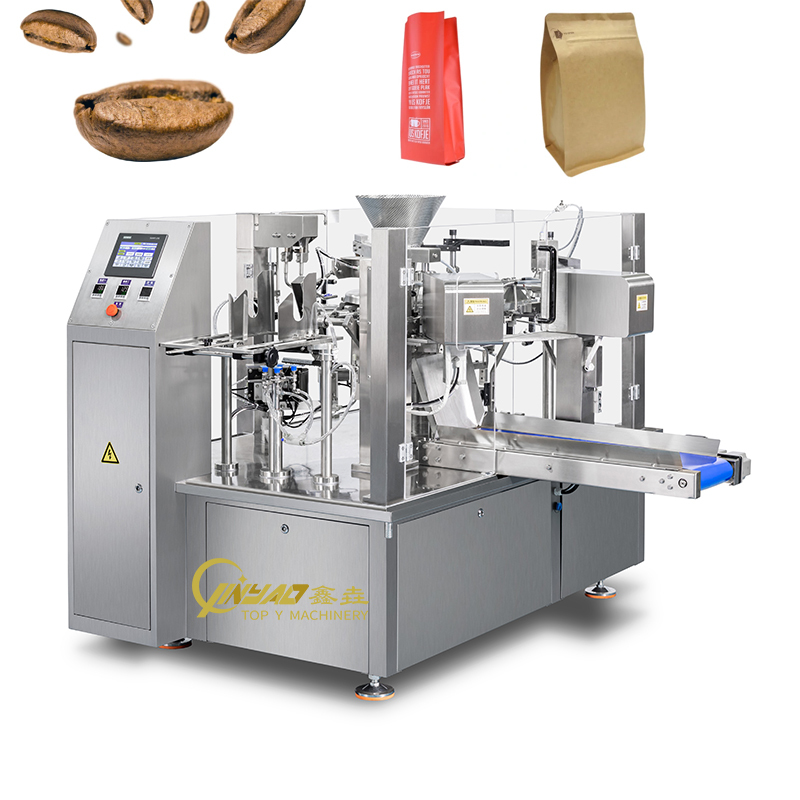
What Is a Rotary Packaging Machine?
What Is a Linear Packaging Machine?
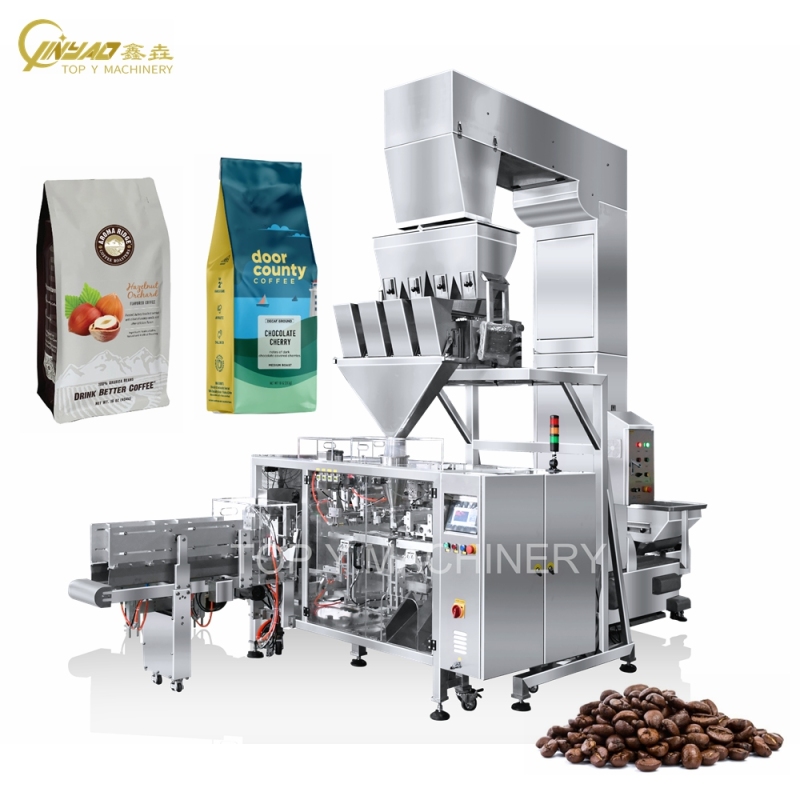
Rotary vs Linear: Head-to-Head Comparison
Parameter
Rotary Machine
Linear Machine
Speed
40–60 bags/min
15–30 bags/min
Motion type
Continuous rotation
Intermittent / stop-and-go
Number of stations
8–16
4–8
Floor footprint
Compact (circular layout)
Longer (straight-line layout)
Changeover time
20–40 minutes
10–20 minutes
Maintenance complexity
Moderate (indexing mechanism)
Easy (simpler mechanics)
Initial investment
Higher
Lower
Operating cost per bag
Lower at high volume
Higher at high volume
Product flexibility
Moderate
High
Ideal batch size
Large (10,000+ bags)
Small to medium
Automation integration
Siemens / Mitsubishi PLC
Siemens / Mitsubishi PLC
When to Choose a Rotary Packaging Machine
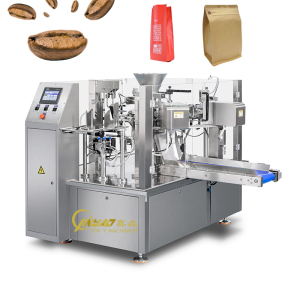
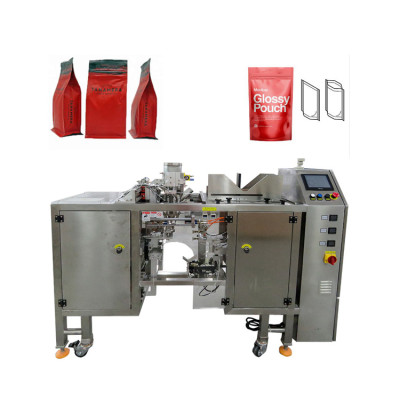
TOP Y Rotary Packaging Machine
When to Choose a Linear Packaging Machine
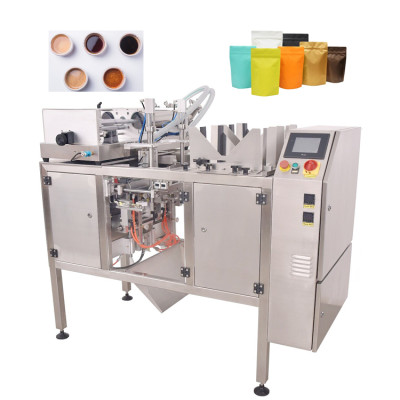
TOP Y Linear Packaging Machine
Key Mechanical Differences: Rotary vs Linear
Drive System
Bag Handling
Sealing System
Control System
Cost Analysis: Total Cost of Ownership
Cost Factor
Rotary Machine
Linear Machine
Initial purchase price
¥200,000–¥450,000
¥130,000–¥280,000
Annual maintenance
¥15,000–¥30,000
¥10,000–¥20,000
Energy consumption (per year)
Higher (continuous operation)
Lower (intermittent operation)
Cost per 1,000 bags (at full speed)
¥8–¥15
¥12–¥25
ROI period (high volume)
12–18 months
8–12 months
Depreciation life
8–12 years
8–10 years
Industry Applications
Frequently Asked Questions
Which is faster, rotary or linear packaging machine?
Can a linear machine achieve rotary-level speeds?
Which configuration is easier to maintain?
Is a rotary machine worth the higher investment?
Does TOP Y MACHINERY manufacture both types?
What is the changeover time between products?
Making the Right Choice for Your Production Line