Premade Pouch Packing Machines: Everything You Need to Know
Hey there! Have you ever stood in a store aisle, looked at a bag of your favorite coffee, a pouch of baby food, or a resealable pack of snacks, and wondered how it all comes together so perfectly? Today, we're pulling back the curtain on the world of premade pouch packing machines – the unsung heroes of modern packaging. These incredible machines are specifically engineered to take already-made, beautifully printed pouches and fill them with all sorts of products, from powders and granules to liquids and solids. They are fundamentally changing how goods are packaged, presented, and delivered to our homes.
This guide is designed to be your ultimate resource for everything you need to know about premade pouch packing machines. We'll explore what they are, how they operate, the significant advantages they offer, and how to determine if they are the right fit for your business needs. Let's dive in and unpack the details of this revolutionary packaging technology.
What Exactly is a Premade Pouch Packing Machine?
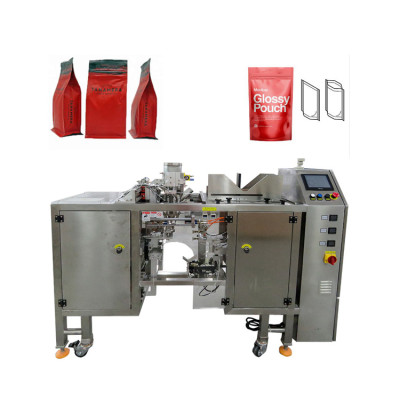
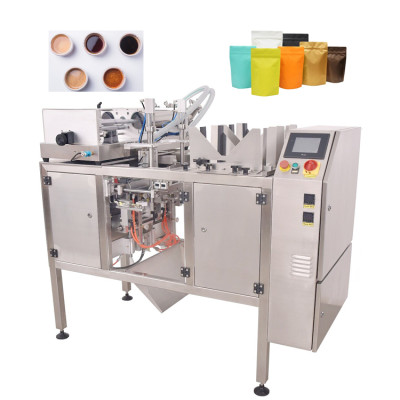
At its core, a premade pouch packing machine is a fully automated system that handles bags that have been manufactured in advance. Unlike other systems that create the packaging from a roll of film, these machines work with pre-formed, and often pre-printed, pouches. An operator loads a stack of these empty bags into the machine's magazine. From there, a mechanical process takes over: the machine picks up a single pouch, opens it, sends a signal to a filling device to dispense a precise amount of product, seals the pouch shut, and then discharges the finished package. This automated process is rapidly replacing manual packaging, offering unparalleled efficiency and consistency for small, medium, and large-scale businesses alike.
Beyond the Basics: Understanding Premade Pouch vs. Form-Fill-Seal
When exploring automated packaging, you'll encounter two primary technologies: premade pouch machines and form-fill-seal (FFS) machines. Understanding their core differences is crucial for making an informed decision.
- Premade Pouch Machines: As we've discussed, these machines use bags that are already made. Their job is to fill and seal. The primary advantage here is the ability to produce a premium-looking final product, especially for complex designs like stand-up pouches with zippers or spouts. Changeovers between different bag sizes and styles are also significantly faster and simpler.
- Form-Fill-Seal (FFS) Machines: These machines create the bag from a continuous roll of film, form it, fill it with product, and seal it all in one integrated process. FFS systems, particularly Vertical Form-Fill-Seal (VFFS), are known for high-speed production and a lower cost per bag, as rollstock film is generally cheaper than converted pouches. However, they are less flexible with frequent changeovers and may not achieve the same premium finish for complex pouch styles as a premade machine.
Here’s a breakdown to help visualize the key distinctions:
| Feature | Premade Pouch Machine | Form-Fill-Seal (FFS) Machine |
|---|---|---|
| Packaging Material | Uses pre-formed, individual pouches. | Creates pouches from a continuous roll of film. |
| Pouch Quality & Appearance | Superior, especially for stand-up and shaped pouches. | Quality can be excellent but may struggle with complex pouch designs. |
| Speed | 30-90 pouches/minute (can reach 100+ with duplex models). | Can exceed 100-200 pouches/minute for simple bags. |
| Flexibility & Changeovers | Excellent for high-mix production with quick changeovers. | Better for long runs of the same product; changeovers are more complex. |
| Initial Cost | Mid-range investment. | VFFS is often lower; HFFS for complex pouches can be higher. |
| Material Cost | Higher cost per pouch. | Lower cost per pouch due to bulk rollstock. |
Ultimately, while FFS machines often win on sheer speed and material cost for high-volume, low-variety runs, premade pouch machines excel in flexibility, brand presentation, and handling complex, value-added packaging formats.
The Versatility of Premade Pouches
One of the most significant advantages of this technology is its incredible versatility. Premade pouch packing machines can handle a vast array of products across numerous industries, from food and beverage to pharmaceuticals and chemicals. This adaptability allows companies to diversify their product lines without needing entirely new packaging systems.
Commonly Packaged Products Include:
- Liquids & Sauces: Soups, juices, oils, detergents, sauces, and purees.
- Powders: Coffee, protein mixes, spices, flour, and baby formula.
- Granules: Sugar, salt, seeds, cereals, and pet food kibble.
- Solids & Snacks: Nuts, candies, chips, frozen foods, jerky, and tablets.
This flexibility extends to the pouches themselves. These machines are compatible with a wide variety of pre-formed bag styles, each offering unique benefits for branding and consumer convenience.
Popular Premade Pouch Styles:
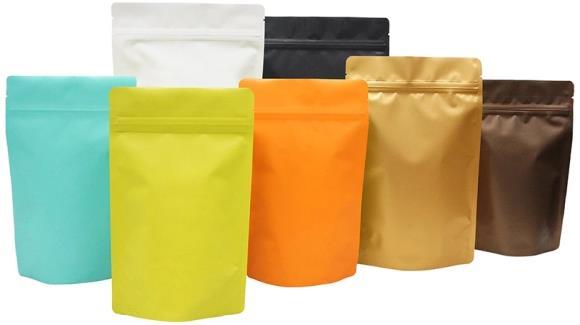
- Stand-Up Pouches (Doypacks): Featuring a bottom gusset that allows them to stand upright on shelves, these are perfect for grabbing consumer attention. They are widely used for everything from granola to liquid soaps.
- Flat & Pillow Pouches: Simple, cost-effective pouches sealed on three or four sides. Ideal for single-serve items, samples, or flat products like cosmetic wipes.
- Zipper Pouches: Offer a resealable function that locks in freshness, making them a popular choice for multi-use products like snacks, coffee, and pet food.
- Spouted Pouches: Equipped with a cap or spout, these are essential for conveniently dispensing liquids and semi-liquids like baby food, energy gels, and sauces.
- Flat-Bottom Bags (Box Pouches): These pouches have a distinct box-like structure with a flat bottom, providing exceptional stability and a premium, high-end look on the shelf, often used for gourmet coffee or specialty snacks.
- Shaped Pouches: Customizable shapes allow brands to create truly unique packaging that stands out and reinforces brand identity.
How Do Premade Pouch Packing Machines Work?
The operation of a premade pouch packing machine is a marvel of automated precision. While designs can vary, particularly between rotary and inline models, the fundamental process is a sequence of seamlessly integrated steps designed to fill and seal pouches efficiently and reliably. The machine ensures that each pouch is handled correctly to prevent spills and ensure a perfect seal every time.
The Step-by-Step Filling and Sealing Process
The journey of a pouch from empty to shelf-ready involves several key stages. Modern machines often use intelligent sensors that prevent filling or sealing if a bag is not present or opened correctly, which drastically reduces product waste. Here is a typical workflow:
- Pouch Loading: The process begins with an operator manually loading a stack of pre-formed pouches into a bag magazine or hopper. From here, the machine takes over.
- Pouch Picking & Gripping: The machine's automated system, often using robotic vacuum suction pads or mechanical grippers, picks up a single pouch from the magazine and securely transfers it to the gripping station.
- Optional Printing/Coding: If required, the pouch moves to a printing station where a thermal or inkjet printer applies lot numbers, expiration dates, or other essential information.
- Pouch Opening: This is a critical step. A combination of vacuum suction pads and mechanical jaws grips the top of the pouch. Simultaneously, a blast of clean air is blown into the bag to ensure it is fully expanded and ready for filling. For zippered pouches, a specialized mechanism engages to pull the zipper open.
- Product Filling: The open pouch is positioned under the filling station. A separate dosing system—such as an auger filler for powders, a liquid pump for sauces, or a multi-head weigher for solids—dispenses a precise, pre-measured amount of product into the pouch.
- Pouch Sealing: After filling, the pouch moves to the sealing station. Two heated seal bars come together to apply heat and pressure to the top edge of the pouch, creating a durable, airtight seal. Some systems may use other methods like ultrasonic sealing for specific applications.
- Cooling & Discharge: The freshly sealed pouch is then passed through cooling bars to set the seal before being discharged from the machine onto a conveyor belt for collection, cartoning, or case packing.
Key Components of a Premade Pouch System
A premade pouch packing machine is an integrated system composed of several critical components working in unison. While optional add-ons exist, nearly every machine contains these core parts:
- Pouch Magazine/Infeed: This is where the empty, premade pouches are stacked and fed into the machine. Some advanced systems use robotic infeeds to automate this loading process.
- Pouch Grippers: A set of durable mechanical arms that securely hold the pouch as it moves through each station of the machine. Their design is crucial for handling different pouch sizes and weights.
- PLC Control Panel: The "brain" of the machine. A modern premade pouch packer uses a Programmable Logic Controller (PLC) with a user-friendly touchscreen interface (HMI). Operators use this to set and adjust all parameters, including speed, fill volume, temperature, and timing.
- Filling System: While technically an ancillary device, the filler is integral to the system. The type of filler depends entirely on the product being packaged. Common types include:
- Auger Fillers: For powders and fine granules.
- Multi-Head Weighers: For accurately weighing and dispensing solids like snacks, candies, and nuts.
- Liquid & Piston Pumps: For liquids, pastes, and gels.
- Volumetric Cup Fillers: For free-flowing granules like sugar or rice.
- Sealing Jaws: These are the heated bars that press together to create the final seal on the pouch. Consistent temperature and pressure are key to ensuring seal integrity.
- Discharge Conveyor: A simple conveyor belt that carries the finished, sealed pouches out of the machine for the next stage of the packaging line.
Optional components can include metal detectors, check weighers to verify fill accuracy, and nitrogen flushing systems to extend product shelf life.
The Benefits of Premade Pouch Packing Machines
Investing in a premade pouch packing machine is a strategic decision that can unlock significant advantages for a business. From enhancing a product's shelf presence to streamlining operations and reducing costs, these machines offer a competitive edge in a crowded marketplace. The benefits extend beyond simple automation, impacting brand perception, operational agility, and overall profitability.
Enhanced Product Presentation and Branding
In a competitive retail environment, packaging is often the first interaction a customer has with a product. Premade pouch packing machines excel at creating packaging that stands out and communicates quality.
- Superior Aesthetics: Because the pouches are manufactured separately by specialized converters, they can be made with higher quality materials, more complex shapes, and flawless graphics. Stand-up pouches, in particular, provide a professional appearance that captures consumer attention on the shelf.
- Customization and Brand Identity: Premade pouches offer immense flexibility for branding. Businesses can use custom shapes, high-resolution printing, and unique finishes to create a strong brand identity. This level of customization is difficult and expensive to achieve with in-line form-fill-seal systems.
- Feature-Rich Packaging: These machines easily handle pouches with value-added features like resealable zippers, tear notches, and pour spouts. These conveniences improve the consumer experience, which can foster brand loyalty.
Operational Efficiency and Cost Savings
While the initial investment in a premade pouch machine might be a consideration, the long-term operational benefits often lead to significant cost savings and a strong return on investment.
- Reduced Labor Costs: The fully automated process drastically reduces the need for manual labor for filling and sealing, allowing staff to be reallocated to more critical tasks. This directly translates to lower labor expenses.
- Increased Throughput: With the ability to operate at high speeds without compromising accuracy, these machines significantly boost production output compared to manual or semi-automatic methods.
- Minimized Material Waste: Advanced sensors and "no pouch, no fill" logic ensure that the product is only dispensed when a pouch is correctly positioned and opened, dramatically reducing product spillage and wasted bags. This contrasts with FFS machines, which can generate more waste during film changes and setup.
- Consistent Quality: Automation ensures that every single pouch is filled with the correct amount of product and sealed to the same high standard, reducing product defects and enhancing customer satisfaction.
Flexibility for Diverse Products and Pouches
One of the most celebrated benefits of premade pouch packing machines is their remarkable versatility. This agility allows businesses to adapt quickly to changing market demands and new product opportunities.
- Multi-Product Compatibility: A single machine can be used to package a wide range of products—powders, granules, liquids, and solids—simply by integrating the appropriate filler. This is ideal for companies with diverse product lines or for contract packagers serving multiple clients.
- Pouch-Style Versatility: These machines are designed to handle numerous pouch styles and sizes. A well-designed machine can switch between a small flat pouch for a sample product and a large stand-up zipper pouch with minimal downtime for changeovers.
- Quick Changeovers: Compared to FFS machines, which may require complex adjustments to forming collars and film tracking, changing over a premade pouch machine for a new bag size or style is typically faster and more straightforward. This efficiency is crucial for businesses that require frequent product runs of varying sizes. This makes them an invaluable asset for evolving production needs.
Choosing the Right Premade Pouch Packing Machine for Your Business
Selecting the ideal premade pouch packing machine is a critical investment that can significantly impact your production efficiency, product quality, and overall profitability. It's a strategic decision that requires a thorough evaluation of your specific needs, the available technology, and potential manufacturing partners. Making an informed choice ensures you get a solution that not only meets your current demands but can also scale with your business.
Factors to Consider: Product Type, Pouch Style, and Speed
Before you start looking at machine models, it's essential to have a clear understanding of your own packaging requirements. The perfect machine is one that is precisely matched to your product, packaging, and production goals.
- Product Type: The physical characteristics of your product are the most important factor. Is it a powder, liquid, granule, or solid? Fragile or robust? Each product type requires a specific filling system (e.g., auger filler for powders, liquid pump for sauces) to ensure accurate and gentle handling.
- Pouch Style and Size: What kind of pouch do you envision for your product? A stand-up pouch with a zipper? A small, three-side seal flat pouch? A spouted pouch for liquids? You must choose a machine that is explicitly compatible with your desired pouch styles, materials, and size range. Consider both your current needs and any future SKUs you might want to introduce.
- Production Speed: How many pouches do you need to produce per minute or per hour to meet your targets? Machine speeds can range from 10-15 pouches per minute on smaller, single-station models to over 60-70 per minute on high-speed rotary machines. Be realistic about your goals, as higher speeds often come with a higher initial investment.
Exploring Different Premade Pouch Machine Types
Premade pouch packing machines primarily come in two major configurations: rotary and horizontal (or inline). While both can handle most pouch types, their design differences make them better suited for different operational priorities.
Rotary Premade Pouch Packing Machines: These machines feature a circular, rotating turret with multiple stations arranged around it. The pouch is picked up and moves from one station to the next (e.g., opening, filling, sealing) as the turret indexes.
- Advantages: Rotary systems can perform multiple actions simultaneously, making them ideal for high-speed production. They are also often capable of handling a wider range of pouch sizes and heavier fill weights. The compact, circular footprint can be a benefit in facilities where floor space is a concern. The Rotary Packing Machine System is an excellent example of this high-efficiency design.
- Considerations: The complex transmission and compact internal structure can make maintenance and cleaning more time-consuming compared to horizontal models.
Horizontal Premade Pouch Packing Machines: These machines, also known as inline machines, process pouches along a linear, straight-line path. The pouch moves from one station to the next in a sequential flow.
- Advantages: Horizontal machines have a simpler, more straightforward structure, which often makes them easier to clean, maintain, and access for troubleshooting. Special configurations like a Horizontal Packing Machine Model can offer excellent stability, especially in specific production environments.
- Considerations: They typically have a larger footprint than rotary machines. While some horizontal models can achieve high speeds, they are often associated with moderate production volumes.
Within these categories, you may also find specialized systems like the MDP Packing Machine System, which is tailored for specific applications like flat-bottom bags for coffee or tea, showcasing how machine types can be further optimized for particular pouch styles.
Finding a Reliable Packaging Partner (e.g., TOP Y MACHINERY)
Choosing a machine is only half the battle; choosing the right manufacturer or partner is equally, if not more, important. A reliable partner like TOP Y MACHINERY provides more than just a piece of equipment; they offer a long-term solution backed by expertise and support.
A great packaging machinery partner is a strategic asset. The true value of the investment is realized over time through consistent performance and minimal downtime. When evaluating potential partners, consider the following:
- Industry Experience and Expertise: An experienced manufacturer understands the nuances of different industries and can offer proven solutions. Their technical expertise helps anticipate challenges and ensure a smooth implementation.
- Quality of Construction: The durability of the machine is paramount. Look for manufacturers that use high-quality materials, like stainless steel, and reputable components. This directly impacts the machine's longevity and reliability.
- After-Sales Service and Support: A machine is only as good as the support behind it. A committed partner offers fast and efficient service, readily available spare parts, and comprehensive technical support to minimize downtime.
- Flexibility and Customization: Your needs may be unique. A strong partner should be able to offer customization options to tailor the machine to your specific product, pouch, and factory layout.
Selecting a manufacturer is a long-term commitment. A partner like TOP Y MACHINERY, with a proven track record, understands that their role extends beyond the initial sale to ensure your operational success for years to come.
Key Takeaways
Navigating the world of packaging machinery can be complex, but understanding the fundamentals of premade pouch packing machines puts you in a powerful position. These systems offer a compelling combination of premium presentation, operational flexibility, and long-term efficiency that can transform a production line. By focusing on the right factors and choosing a reliable partner, you can make an investment that pays dividends in brand strength, productivity, and profitability.
Here's a condensed summary of the most crucial points we've covered:
What They Are: Premade pouch packing machines are automated systems that fill and seal already-manufactured bags. They are distinct from Form-Fill-Seal (FFS) machines, which create bags from rollstock film. While FFS is often faster and has lower material costs for simple bags, premade pouch machines excel at handling complex, high-quality pouches with features like zippers and spouts.
How They Work: The process is a seamless, automated sequence. A machine picks up a pouch, opens it (often with an air jet), fills it with a precise amount of product via a connected dosing system (like a weigher or auger filler), and securely seals it shut. This automation drastically reduces manual labor and improves consistency.
Core Benefits:
- Superior Branding: They produce retail-ready packaging with high-quality graphics and professional finishes, enhancing shelf appeal.
- Operational Efficiency: Automation increases production speed, reduces labor costs, and minimizes product waste with features like "no pouch, no fill" sensors.
- Unmatched Flexibility: They can handle a vast range of product types (liquids, powders, solids) and pouch styles (stand-up, flat, spouted) on a single machine, with quicker changeovers than FFS systems.
Choosing the Right Machine: The decision hinges on three key factors:
- Product: Its physical properties determine the required filling system.
- Pouch: The style, size, and material must be compatible with the machine.
- Speed: Your production targets will dictate the required pouches per minute.
Machine Types and Reliable Partners: The main types are Rotary (fast, compact) and Horizontal (simple, easy maintenance). Beyond the machine itself, selecting a reputable manufacturer like TOP Y MACHINERY is vital. A strong partner provides not just high-quality equipment but also crucial after-sales support, technical expertise, and the ability to customize solutions, ensuring your investment is successful in the long run.
Ultimately, a premade pouch packing machine is more than just equipment; it's a strategic tool for any business looking to elevate its brand, streamline its operations, and compete effectively in the modern marketplace.
Frequently Asked Questions (FAQ)
1. What is the main difference between a premade pouch machine and a form-fill-seal (FFS) machine?
The fundamental difference lies in how the bag is handled. A premade pouch packing machine works with bags that are already manufactured and just need to be filled and sealed. A Form-Fill-Seal (FFS) machine creates the bag from a flat roll of film, forms it, fills it with product, and then seals it, all in one continuous process. Premade pouch machines offer superior aesthetics and flexibility for complex pouches, while FFS machines typically provide higher speeds and lower material costs for simpler bag styles.
2. What types of products can be packaged with these machines?
Premade pouch packing machines are incredibly versatile and can be configured to handle almost any type of product by integrating the correct filling system. This includes:
- Powders: Such as coffee grounds, protein powder, spices, and flour.
- Granules: Like sugar, rice, seeds, nuts, and snack foods.
- Liquids & Pastes: Including sauces, soups, juices, detergents, and lotions.
- Solids: Such as candies, pet food, frozen vegetables, and small hardware items.
3. How fast are premade pouch packing machines?
The speed, measured in pouches per minute (PPM), varies widely based on the machine model, pouch size, product characteristics, and fill weight. Entry-level or single-station machines might run at 10-20 PPM. Standard rotary machines typically operate in the 30-60 PPM range. High-speed and duplex (dual-lane) models can achieve speeds of 80-100 PPM or more, bridging the gap with many FFS systems.
4. Are premade pouch machines difficult to operate?
Modern premade pouch machines are designed to be user-friendly. They are equipped with PLC controls and intuitive touchscreen Human-Machine Interfaces (HMIs) that allow operators to set parameters, save recipes for different products, and troubleshoot issues easily. Because the machine is not responsible for forming the pouch, operators do not need to manage complex film tracking or forming collar adjustments, making them generally easier to learn than FFS machines.
5. Is a premade pouch machine a cost-effective solution?
While the initial investment for the machine and the higher unit cost of premade pouches might seem greater than FFS systems, they are often more cost-effective in the long run, especially for businesses with multiple product lines. The cost savings come from reduced labor expenses, minimized product and material waste, faster changeovers (less downtime), and the ability to command a higher price point for a premium-packaged product. Businesses should analyze the Total Cost of Ownership (TCO) rather than just the initial purchase price.
So there you have it – everything you need to know about premade pouch packing machines! We've seen how these clever machines take pre-formed pouches and efficiently fill and seal them, offering fantastic advantages for businesses. From making products look great on shelves to saving time and money through automation and reduced waste, premade pouch packing machines are a smart and strategic choice for many industries. Their flexibility in handling different products and pouch styles makes them an invaluable asset for any growing company.
I hope this comprehensive guide has helped you understand the ins and outs of this important packaging technology. If you're looking to boost your packaging game, enhance your brand's presence, and streamline your production, considering a premade pouch packing machine could be your next best move. We encourage you to share this article with colleagues who might find it useful and to continue exploring how modern packaging solutions can drive your business forward