Pre-made Pouch vs. Roll Film Packaging Machines: Which is Right for You?
Choosing the right packaging machine for your products can be a game-changer for your business. It is not just about getting your items into a bag; it's about efficiency, cost, and how your brand is perceived. The journey of packaging has seen a remarkable transformation over the years, a Food Packing Evolution that has brought incredible innovations to manufacturers of all sizes.
Today, I'm going to guide you through the key differences between Pre-made Pouch and Roll Film Packaging Machines, helping you decide which solution is the best fit for your production line.
Understanding the Fundamentals of Pre-made Pouch and Roll Film Packaging Machines
Before diving into a direct comparison, it's essential to grasp the core concepts of what these machines are and how they operate. Each system offers a distinct approach to packaging, tailored to different production needs and business models. Understanding their fundamental mechanics is the first step toward making an informed decision for your company's future.
What is a Pre-made Pouch Packaging Machine?
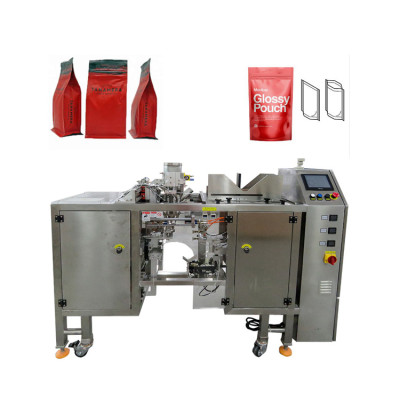
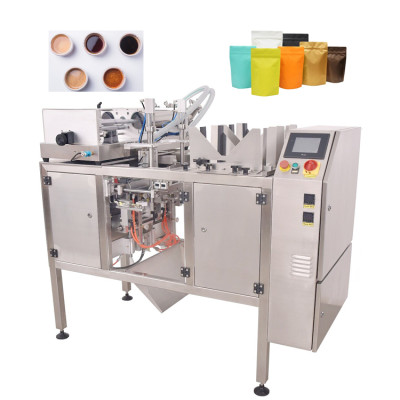
A pre-made pouch packaging machine, as the name suggests, works with pouches that are already formed and sealed on three sides. These bags arrive at your facility ready to be filled and sealed, offering a streamlined process that prioritizes package quality and aesthetics. This type of machine is highly favored for its ability to handle complex and high-quality pouch designs that might be difficult to create from scratch on a production line.
How they work
The operation of a pre-made pouch packaging machine is a sequence of precise, automated steps. The process is designed to be smooth and reliable, ensuring each pouch is handled carefully to maintain its integrity and appearance.
- Pouch Loading: The process begins with a stack of pre-made pouches being loaded into the machine's magazine.
- Pouch Gripping and Opening: A robotic arm with grippers picks up a single pouch from the magazine. The machine then uses a vacuum or air jet to open the top of the pouch, preparing it for filling.
- Product Filling: The product is dispensed into the open pouch. The filling method depends on the product's nature and can involve auger fillers for powders, piston fillers for liquids, or multi-head weighers for solid items.
- Sealing and Finishing: Once filled, the pouch moves to the sealing station. Heated seal bars press the top edges of the pouch together, creating a secure, airtight seal. Additional options like zipper closing, gas flushing (Modified Atmosphere Packaging), or hole punching for retail display can also be integrated into this stage.
- Discharge: The finished, sealed pouch is then discharged from the machine, typically onto a conveyor belt for cartoning and shipping.
Types of pouches handled
One of the most significant advantages of pre-made pouch machines is their versatility in handling a wide array of pouch types and features. This allows brands to choose packaging that not only protects the product but also stands out on the shelf. Common types include:
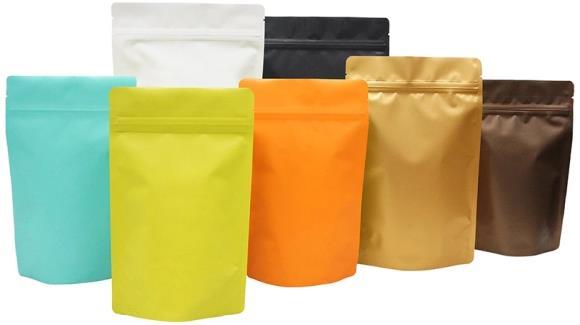
- Stand-Up Pouches (SUPs): These are incredibly popular due to their ability to stand upright on retail shelves, offering excellent visibility. They often include resealable zippers or spouts.
- Pillow Pouches: Simple, economical bags ideal for a variety of products like snacks and small hardware.
- 3-Side Seal Pouches: Flat pouches sealed on three sides, perfect for single-serve items, samples, or products that lay flat.
- Quad Seal Bags: These bags have seals on all four corners, creating a more structured, box-like shape that is stable and offers five panels for branding.
- Gusseted Bags: These bags feature expandable sides or bottoms, allowing them to hold more volume and often stand on their own.
- Spouted Pouches: Ideal for liquid or semi-liquid products like sauces, beverages, or purees, offering convenient, mess-free dispensing for the consumer.
- Zipper Pouches: Pouches that include a press-to-close zipper, enhancing consumer convenience and preserving product freshness after opening.
This flexibility allows businesses to start with one type of product and expand their line using the same machine, simply by ordering different styles of pre-made bags.
What is a Roll Film Packaging Machine (Form-Fill-Seal)?
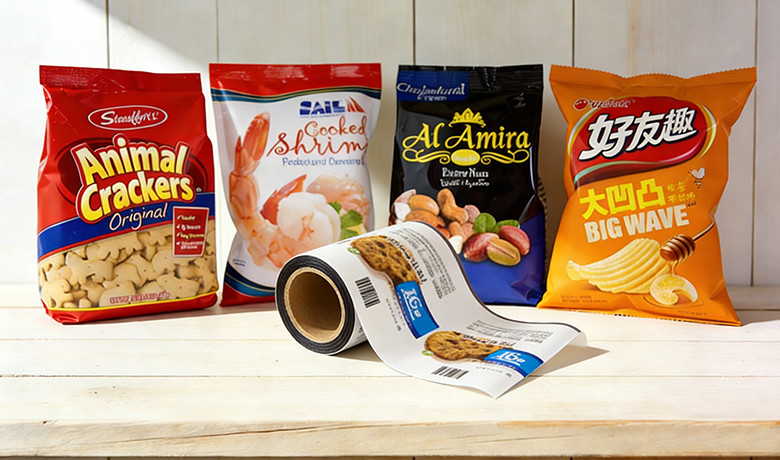
A Roll Film Packaging Machine, more commonly known as a Form-Fill-Seal (FFS) machine, performs three tasks in one continuous operation: it forms the package from a large roll of flat packaging material, fills it with product, and seals it shut. This integrated process makes FFS machines a powerhouse of efficiency, especially for high-volume production runs. They are the backbone of many large-scale manufacturing operations in the food, pharmaceutical, and consumer goods industries.
How they work (FFS explained)
The FFS process is a marvel of automation, transforming a simple roll of film into a finished product ready for the consumer. While specifics vary, the core stages are consistent:
- Film Transport and Forming: The machine draws film from a large roll, known as rollstock. As the film is pulled through the machine, it passes over a forming tube (on vertical machines) or a forming plow (on horizontal machines) that shapes the flat film into a tube-like structure.
- Sealing: For a vertical machine, a vertical seal bar creates the back seal of the bag, and a horizontal seal bar creates the bottom seal of the first bag and simultaneously the top seal of the previous bag. For a horizontal machine, fin seals are created to form the tube.
- Product Filling: Once the basic pouch shape is formed and sealed at the bottom, the product is dispensed into it. This is timed precisely to occur before the top seal is made.
- Top Sealing and Cutting: The horizontal seal bars then clamp down again to create the top seal of the now-filled bag and cut it free from the continuous web of film. This single action also forms the bottom seal for the next bag in line, ensuring the process is continuous and efficient.
Vertical vs. Horizontal FFS
FFS machines are generally categorized into two main configurations: Vertical (VFFS) and Horizontal (HFFS). The choice between them depends almost entirely on the product being packaged.
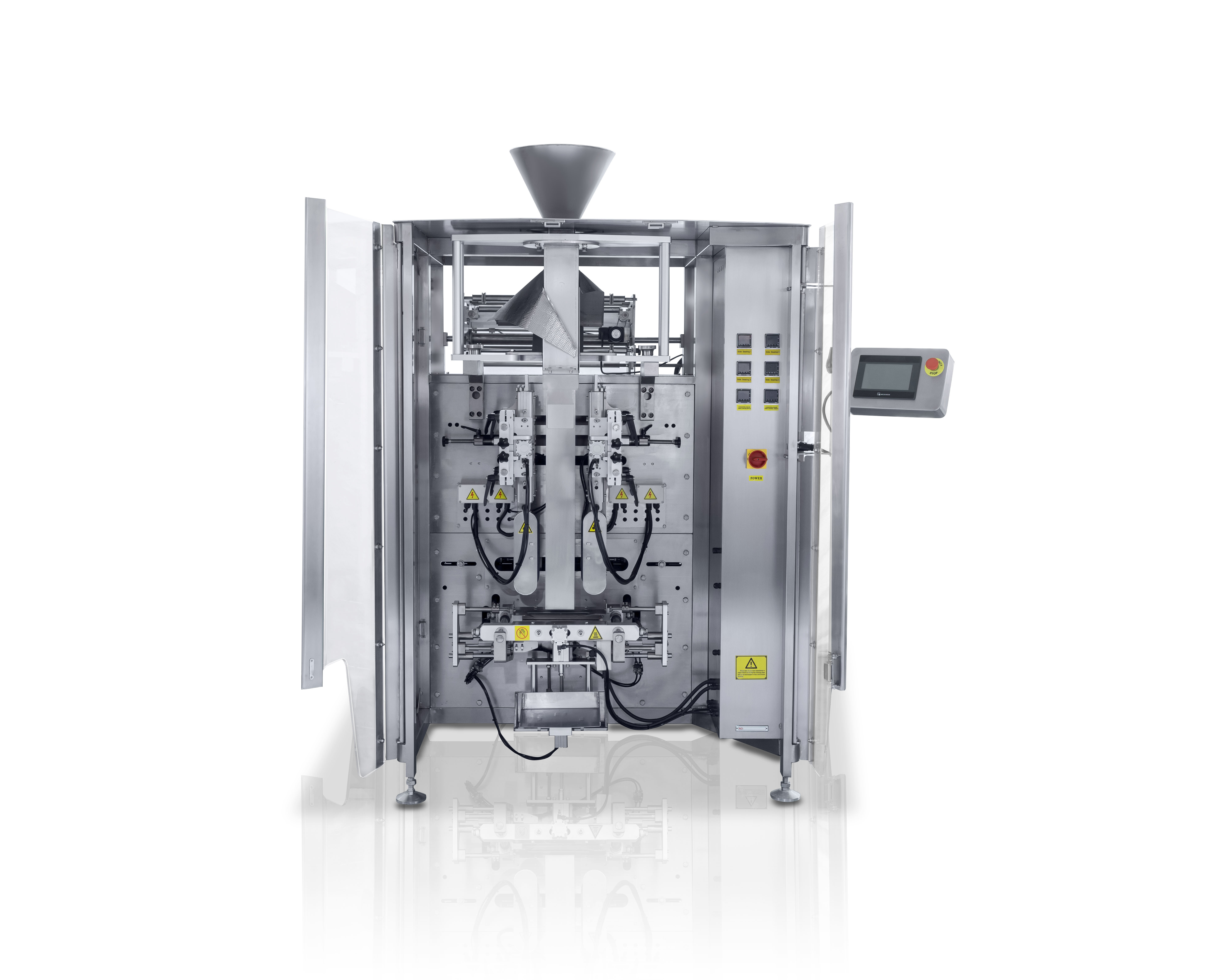
Vertical Form-Fill-Seal (VFFS): In a VFFS machine, the process flows downwards. The film is pulled vertically over a forming tube, and the product is dropped into the formed bag from above using gravity. This makes the Vertical Bagger ideal for loose, granular, or chunky products that can be weighed and dropped, such as coffee, rice, snacks, powders, and liquids.
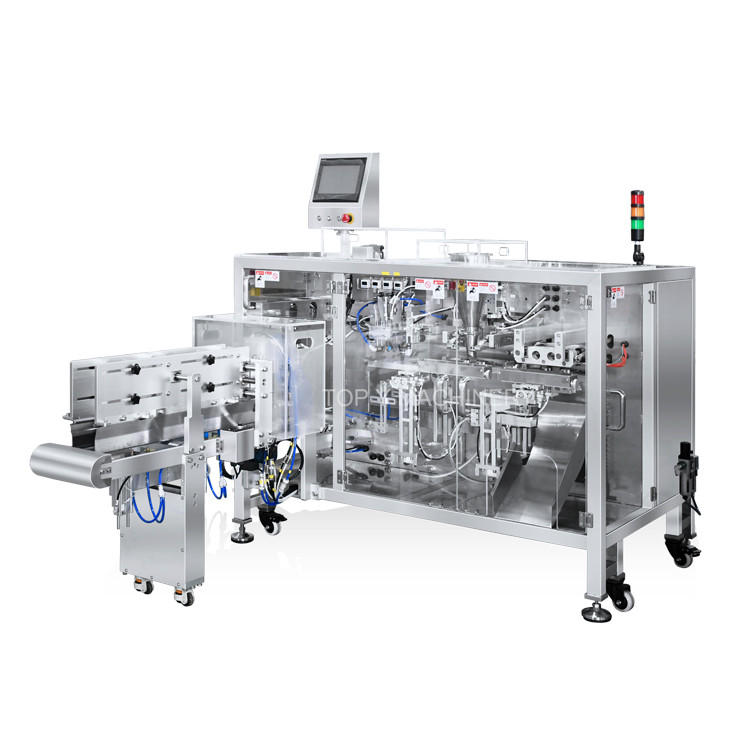
Horizontal Form-Fill-Seal (HFFS): A Horizontal Packing Machine, on the other hand, operates on a horizontal plane. The film is formed into a pouch, and the product is pushed or placed into it horizontally. This configuration is necessary for solid, single-item products that cannot be dropped, such as candy bars, soap bars, baked goods, or medical devices. It is also used for products that need to be carefully arranged in a tray before being overwrapped.
Comparing Efficiency and Speed: Pre-made Pouch vs. Roll Film Packaging Machines
Efficiency and speed are critical metrics in any production environment. They directly influence output, labor costs, and ultimately, profitability. When comparing pre-made pouch and roll film machines, the differences in their operational velocity, flexibility, and automation level become a deciding factor for many businesses.
Production Speed and Throughput
When it comes to raw speed, roll film (FFS) machines are the undisputed champions. Because they form, fill, and seal in one continuous, high-speed motion, they can achieve significantly higher throughput.
- Roll Film (FFS) Machines: These machines are built for speed and long production runs of the same product. It's not uncommon for a VFFS machine to produce 50-100 bags per minute (BPM), with high-end models capable of reaching speeds well over 200 BPM, depending on the product and bag size. This makes them the go-to solution for large-scale manufacturers with high product demand.
- Pre-made Pouch Machines: These machines operate in a stop-and-go (intermittent) motion, as they must individually pick, open, fill, and seal each pouch. While some rotary models can achieve higher speeds, typical intermittent pre-made pouch fillers run at speeds of 20-50 BPM. While slower, this speed is more than adequate for many small to medium-sized enterprises or for those producing high-value, artisanal products where speed is secondary to pouch quality.
Changeover Times and Flexibility
Flexibility is the ability to quickly and easily switch from one product or bag size to another. In this category, pre-made pouch machines often have a significant advantage.
- Pre-made Pouch Machines: Changeovers are typically faster and simpler. Since the bags are already made, switching from one size or style to another can be as easy as loading a new stack of pouches and adjusting the grippers and fill settings. This process can often be completed in under 30 minutes, minimizing downtime. This makes them ideal for businesses with a diverse product portfolio, frequent small batch runs, or those offering seasonal or promotional products.
- Roll Film (FFS) Machines: Changeovers on FFS machines are more involved and time-consuming. Switching bag sizes requires changing out the forming tube or plow, and sometimes the entire roll of film. This process can take several hours and requires a skilled technician. Therefore, FFS machines are best suited for dedicated lines running the same SKU for extended periods to maximize uptime.
| Feature | Pre-made Pouch Machine | Roll Film (FFS) Machine |
|---|---|---|
| Typical Speed | 20-50 BPM | 50-100+ BPM |
| Changeover Time | Faster (often < 30 mins) | Slower (can be hours) |
| Best For | High-mix, low-volume production | Low-mix, high-volume production |
Impact on Labor and Automation
Both types of machines are designed to reduce manual labor, but they do so in different ways and require different skill levels to operate.
- Roll Film (FFS) Machines: These machines are highly automated but demand a higher level of operator skill. The operator must be trained to manage the complexities of the FFS process, troubleshoot issues with film tracking and sealing, and perform the lengthy changeovers. While they require less manual intervention during a run, the need for a skilled technician is critical.
- Pre-made Pouch Machines: These machines are often considered more user-friendly and require less technical expertise to operate on a day-to-day basis. The primary manual task is simply keeping the pouch magazine loaded. This can reduce the training burden and make it easier to staff the production line. However, the overall process might still require labor for tasks like placing pouches in the magazine or packing finished products.
Cost Considerations: Material and Equipment for Pre-made Pouch and Roll Film Packaging Machines
The financial aspect of choosing a packaging machine is multifaceted. It involves not only the initial purchase price but also the ongoing costs of materials and the long-term return on investment (ROI). A thorough cost analysis is crucial to ensure the chosen solution is financially sustainable for your business.
Initial Investment in Packaging Machines
The upfront cost of the machinery itself is a major consideration. Generally, the market shows a clear distinction between the two systems.
- Pre-made Pouch Machines: These machines tend to have a lower initial investment cost. Because the complex process of bag manufacturing is done by the pouch supplier, the machine itself can be simpler and therefore less expensive. This makes them an accessible entry point for startups and small businesses looking to automate their packaging without a massive capital outlay.
- Roll Film (FFS) Machines: FFS machines represent a higher initial investment. They are more complex because they incorporate the bag-forming mechanism in addition to the filling and sealing functions. The engineering required for high-speed, reliable operation contributes to a higher price tag. This investment is typically justifiable for companies with sufficient volume to leverage the machine's speed and material cost savings.
Packaging Material Costs
Ongoing material costs are a critical component of the total cost of ownership and can significantly impact your product's profit margin. Here, the tables are turned, with roll film offering a distinct advantage.
Roll film material savings
The single biggest financial argument for FFS machines is the lower cost of packaging materials. Buying film in bulk rolls (rollstock) is significantly cheaper than buying pre-made pouches. The cost savings can be substantial, often in the range of 20-50% per bag. This is because you are not paying for the labor, overhead, and scrap involved in the third-party pouch manufacturing process. For high-volume producers, these savings can quickly add up, offsetting the higher initial machine cost.
Premade pouch material costs
Pre-made pouches are more expensive on a per-unit basis because you are paying for a finished good. The pouch manufacturer has already incurred the costs of forming, sealing, and adding features like zippers or spouts, and these costs are passed on to you. However, this higher per-unit cost must be weighed against the benefits: superior aesthetics, the ability to use complex pouch shapes and features, and lower scrap rates at your facility since defective bags are filtered out by the supplier.
Long-term ROI and Break-even Points for Pre-made Pouch and Roll Film Packaging Machines
Calculating the long-term ROI is key to making the right financial decision. This involves looking beyond the initial purchase price and factoring in all related costs and savings over time.
- For Roll Film (FFS) Machines, the break-even point is reached when the cumulative savings from lower material costs equal the higher initial investment in the machine. Companies with high production volumes can reach this point relatively quickly, sometimes within 1-2 years, making the FFS machine a highly profitable long-term investment.
- For Pre-made Pouch Machines, the ROI is driven by factors like lower initial cost, reduced labor for changeovers, and the ability to command a higher price for a premium-packaged product. The break-even calculation is less about material savings and more about enabling market entry and flexibility. Businesses that need to launch products quickly or have many different SKUs see a faster return through operational agility rather than pure volume.
To determine your break-even point, you must analyze your production volume, material costs per bag for both options, labor costs, and the capital cost of the machinery. This calculation will reveal at what production volume a roll film machine becomes more cost-effective than a pre-made pouch machine.
Aesthetics and Product Presentation with Pre-made Pouch and Roll Film Packaging Machines
In a crowded retail environment, your product's packaging is often the first interaction a customer has with your brand. It's a silent salesperson. The choice between pre-made pouches and roll film can have a profound impact on the visual appeal and branding capabilities of your final product.
Visual Appeal and Branding Opportunities
Both methods can produce attractive packaging, but pre-made pouches generally offer a higher-end, more polished look.
- Pre-made Pouches: These pouches are manufactured in a controlled environment, allowing for more precise graphics, flawless finishes, and the inclusion of premium features. Things like perfectly registered matte and gloss finishes, crystal-clear windows, and flawlessly applied zippers are standard. Since the pouches are made before they reach the filling line, there is zero risk of product contamination or sealing issues affecting the final look. This results in a consistently perfect "retail-ready" package that exudes quality.
- Roll Film Packaging: While modern FFS machines and high-quality film can produce excellent results, the on-the-fly nature of the process can sometimes lead to minor inconsistencies. The seals may not always be as perfectly straight, and the graphics must be carefully designed to account for minor shifts in film tracking. However, FFS packaging is a workhorse that delivers a clean and professional look, especially for standard bag types like pillow pouches.
Customization and Unique Features
This is where pre-made pouches truly shine. The off-site manufacturing process opens up a world of possibilities for customization that are difficult or impossible to replicate on a standard FFS machine.
- Pre-made Pouches: The options are nearly limitless. You can specify:
- Complex Shapes: Custom-die-cut shapes that reflect your brand or product.
- Various Finishes: A mix of matte, gloss, and soft-touch finishes on the same pouch.
- Advanced Closures: A wide variety of zippers (e.g., powder-proof, child-resistant) and spouts (e.g., corner spouts, top spouts) can be expertly applied.
- Hang Holes: Different styles of hang holes (round, sombrero) for retail peg displays.
- Roll Film Packaging: Customization on FFS machines is more limited. While you can add features like zippers and hang holes, this requires additional modules on the machine, which increases its cost and complexity. The primary customization is through the printed film itself. Certain features, like corner spouts or custom-shaped pouches, are generally not feasible with standard FFS technology. The strength of FFS lies in efficiently producing large quantities of a more standardized bag format.
Logistics and Storage: Managing Pre-made Pouch and Roll Film Packaging Materials
The physical management of your packaging materials—from the moment they arrive at your facility until they are used on the line—is an often-overlooked aspect of the packaging decision. The space they occupy and the ease with which they are handled can impact warehouse efficiency and operational costs.
Warehouse Space Requirements
The difference in the physical form of pre-made pouches versus rollstock has a direct and significant impact on the amount of warehouse space required.
- Pre-made Pouches: These arrive in boxes, already formed into their final shape. Because they contain a lot of "air," they are inherently bulky and take up a considerable amount of pallet and shelf space. A single pallet might hold a few thousand pouches, which could be consumed relatively quickly on the production line. This requires more frequent replenishment and a larger storage footprint for a given number of units.
- Roll Film: Rollstock is dense and compact. A single roll of film can contain material for many thousands of bags in a much smaller physical volume. You can store the film for a massive number of finished products in a fraction of the space required for the equivalent number of pre-made pouches. This can free up valuable warehouse space for other uses, such as raw materials or finished goods. A single pallet of rollstock might last for an entire shift or even a full day of production.
Transportation and Handling
The physical differences also affect the costs and logistics of transporting the materials to your facility and moving them around within it.
- Pre-made Pouches: Shipping boxes of pre-made pouches is essentially shipping air, which is inefficient. Transportation costs per unit are higher because the volume and weight are greater than the equivalent amount of packaging from rollstock. Handling within the facility involves moving boxes from the warehouse to the production line.
- Roll Film: A compact roll is much more efficient to ship, resulting in lower inbound freight costs. However, these rolls can be very heavy, often requiring a forklift or a dedicated roll-lift cart to transport from the warehouse and mount onto the FFS machine. This requires a capital investment in handling equipment and safety protocols for personnel. While a box of pouches can be carried by hand, a roll of film cannot.
Making the Right Choice: When to Opt for Pre-made Pouch or Roll Film Packaging Machines
By now, it’s clear that there is no single "best" machine; there is only the "right" machine for your specific application. The decision hinges on a careful evaluation of your production volume, product range, capital budget, branding strategy, and long-term business goals.
Ideal Scenarios for Pre-made Pouch Packaging Machines
A pre-made pouch machine is likely the right choice for your business if you identify with one or more of the following scenarios:
- Startups and Small Businesses: The lower initial investment makes it an accessible entry point into automated packaging.
- High-Mix, Low-Volume Production: If you have many different products, SKUs, or run small batches, the quick and easy changeovers of a pre-made pouch machine will maximize your uptime and efficiency.
- Premium & Niche Products: For products where package appearance is paramount (e.g., gourmet coffee, organic snacks, high-end pet treats), the superior aesthetics and customization options of pre-made pouches help the product stand out and command a premium price.
- Complex Pouch Requirements: If your product requires features like spouts, specialty zippers, or unique shapes, a pre-made pouch machine is the most practical and often the only solution.
- Market Testing: When launching a new product, pre-made pouches allow you to test the market with a professional-looking package without committing to the large minimum orders of custom printed rollstock.
Ideal Scenarios for Roll Film Packaging Machines
An FFS machine is the strategic investment for businesses that fit the following profiles:
- High-Volume, Low-Mix Production: If you are producing hundreds of thousands or millions of units of the same product, the high speed and low material cost of an FFS machine will provide the best long-term ROI.
- Cost-Sensitive Products: For products in competitive markets where every fraction of a cent matters, the 20-50% savings on material costs can be a significant competitive advantage.
- Standardized Packaging Formats: If your product is well-suited to a standard pillow pouch, gusseted bag, or quad seal bag, an FFS machine can produce it with incredible efficiency.
- Mature Products with Stable Demand: Companies with established products that have predictable and high sales volumes are perfectly positioned to capitalize on the strengths of FFS technology.
How TOP Y Machinery Can Help
Navigating these choices can be daunting, but you don't have to do it alone. Partnering with an experienced machinery provider is crucial. At TOP Y Machinery, we understand that every business is unique. Our experts can help you by:
- Analyzing Your Needs: We'll work with you to understand your products, production goals, and budget.
- Conducting a Cost Analysis: We can help you calculate the projected ROI for both types of systems based on your specific numbers.
- Providing a Range of Solutions: We offer a comprehensive portfolio of packaging machines, including versatile pre-made pouch fillers, efficient VFFS models like the Vertical Bagger, and robust Horizontal Packing Machine options.
- Offering Future-Proof Advice: We help you choose a solution that not only meets your current needs but also provides a path for future growth.
Choosing the right partner is as important as choosing the right machine.
Frequently Asked Questions (FAQ)
1. What is the main difference in real-world speed between the two machines? The primary difference is that roll film (FFS) machines operate in a continuous motion, while pre-made pouch machines are typically intermittent. A standard FFS machine can comfortably run at 50-100 bags per minute (BPM), with high-speed models exceeding 200 BPM. A pre-made pouch machine usually operates in the 20-50 BPM range. So, for sheer throughput on a single product, an FFS machine is 2 to 4 times faster. However, this speed advantage is only realized during long, uninterrupted production runs.
2. Is roll film always cheaper than pre-made pouches? Yes, on a per-bag basis, roll film (or "rollstock") is almost always significantly cheaper—often by 20-50%. You are buying a raw material in bulk and forming the bag yourself, which eliminates the costs of labor, overhead, and profit margin from a separate pouch converter. However, the "cheaper" material must be balanced against the higher initial cost of the FFS machine required to run it. The total cost of ownership depends on your production volume.
3. Which machine offers better bag quality and aesthetics? Pre-made pouch machines generally produce a higher-quality finished package. Pouches are manufactured in a specialized facility, allowing for more precise graphics, perfect seals, and the seamless integration of complex features like zippers and spouts. The result is a premium, retail-ready appearance. While FFS machines can produce very good-looking bags, the on-the-fly forming process can occasionally lead to minor imperfections in seals or alignment that you wouldn't find with pre-made pouches. For brands where a flawless, high-end presentation is critical, pre-made pouches have the edge.
4. How do I calculate the ROI for a new packaging machine? To calculate the ROI, you need to compare the total costs and savings of each option.
- Step 1: Determine the capital cost (initial investment) for both a pre-made pouch machine and an FFS machine.
- Step 2: Calculate your cost per bag for both options. For pre-made, it's the purchase price per pouch. For FFS, it's the cost of the film divided by the number of bags per roll.
- Step 3: Multiply your annual production volume by the cost per bag for each scenario to get your total annual material cost.
- Step 4: The difference in annual material cost is your annual savings with an FFS machine.
- Step 5: Divide the difference in capital cost (FFS machine cost minus pre-made machine cost) by the annual material savings. The result is the number of years it will take to break even on the higher investment of the FFS machine. You should also factor in differences in labor costs (e.g., more skilled operator for FFS) and downtime for changeovers.
5. Can I use sustainable or recyclable materials on both types of machines? Yes, advancements in material science mean that sustainable options are increasingly available for both machine types. You can source recyclable, and sometimes compostable, pre-made pouches. Similarly, you can purchase rollstock made from recyclable mono-materials (like PE/PE) that are designed to run on FFS machines. It is crucial to work with both your machinery supplier and your film/pouch supplier to ensure the material is compatible with the machine, particularly its sealing parameters. Some eco-friendly materials require specific temperatures or dwell times to seal properly.
6. What is the typical changeover time for these machines, and why does it matter? Changeover is the time it takes to switch a machine from making one product to another.
- Pre-made Pouch Machines: Changeovers are fast, often under 30 minutes. It mainly involves loading a new style of pouch and adjusting settings on the HMI.
- Roll Film (FFS) Machines: Changeovers are much slower, ranging from one to several hours. They require mechanically swapping out the forming tube, the roll of film, and potentially other components, followed by significant testing and adjustment. This matters immensely for operational efficiency. If you run many different products each day (high mix), the cumulative downtime from slow changeovers on an FFS machine would eliminate its speed advantage. Conversely, if you run one product all day (low mix), a single, long changeover is insignificant.
Ultimately, the decision between a Pre-made Pouch and Roll Film Packaging Machine depends on your specific needs, production volume, budget, and branding goals. There is no one-size-fits-all answer.
By carefully evaluating these factors, you can invest in a packaging solution that optimizes your operations and supports your business growth. At TOP Y Machinery, we're here to help you navigate these choices and find the perfect food packaging machines for your success. We encourage you to share this guide with your team and start the conversation about your packaging future.