Potato Chips Packaging: Preventing Breakage and Staling
The Short Answer: How to Stop Potato Chip Breakage and Staling
Short answer: potato chips break because of rough filling impact and insufficient cushioning, and they go stale because oxygen and moisture reach the oil in the chips. The fix is a snack VFFS line with gentle filling — a low-drop chute, soft transfer, and accurate film tension — combined with a nitrogen flush that cuts pack oxygen to below 2% and extends shelf life from roughly 6–8 weeks to 12–16 weeks at ambient temperature. TOP Y MACHINERY builds exactly this combination: a quad-seal snack VFFS (TOPY-VFFS) with gentle product handling, and a premade-pouch option (TOPY-MDPL) for zipper and stand-up chip bags, both available with integrated nitrogen-flush MAP technology.
This guide covers the two problems that cost snack producers the most money — broken chips in the bag and stale chips on the shelf. You will get the mechanical causes of breakage and the machine-level fixes, the nitrogen flush specifications that actually keep chips fresh (with the residual-oxygen and shelf-life numbers to put in your spec sheet), and the TOP Y MACHINERY line options that package chips gently while running MAP. A practical FAQ closes the guide for quick decisions.
Why Potato Chips Break: Mechanical Causes and Machine-Level Fixes
Breakage is a machine problem before it is a handling problem — chips crack where the filling path drops them too far, too fast, or through a too-narrow throat. In practice, four machine settings decide the broken-chip rate in the bag:
| Breakage Cause | What Happens | Machine Fix |
|---|---|---|
| Excessive drop height | Chips fall 30–60 cm from scale bucket to bag; large fragments shatter on impact | Low-drop chutes and staged transfer keep the fall under ~15 cm; TOPY-VFFS uses a short, angled product path |
| Narrow funnel / throat | Chips jam and crush against funnel walls while the next batch lands on top | Oversized funnel with smooth radius transitions sized to the chip profile |
| Fast or aggressive dumping | Weigher buckets slam open, dumping chips in one hard surge | Gentle, controlled bucket opening and dual-stage discharge spread the drop over time |
| Film tension and sealing shocks | Jerky film pull or hard seal-bar impact transmits vibration into the product column | Servo-driven film feed with smooth acceleration; cushioned seal motion |
| Under-filled bags / no cushion | Empty headspace lets chips shift and collide during transport | Nitrogen flush inflates the bag into a protective cushion; correct bag-size-to-fill ratio |
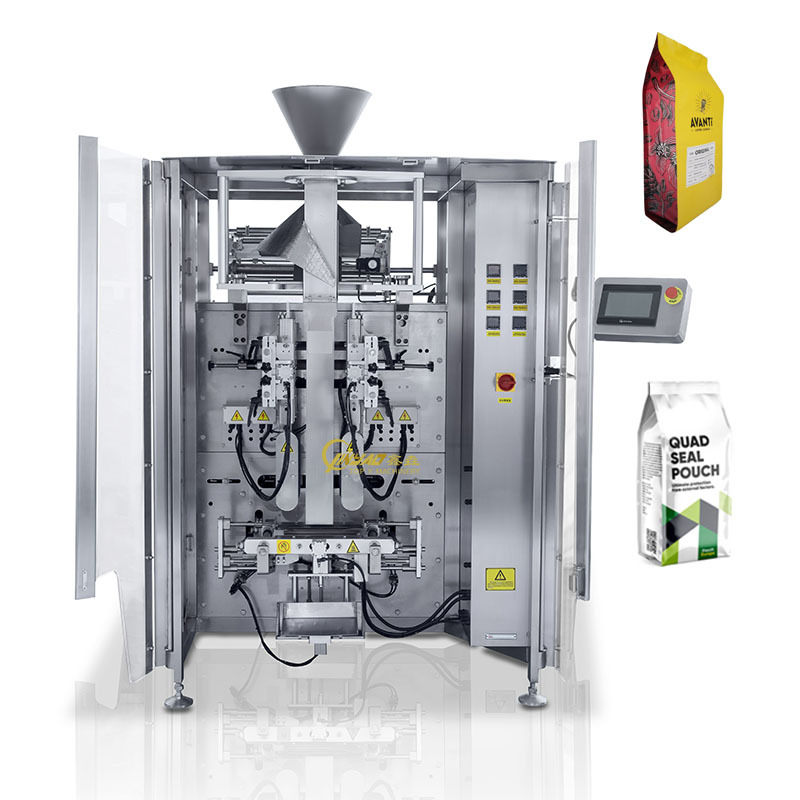
The single highest-impact change is the drop path. On a TOPY-VFFS quad-seal line the weigher sits directly above the forming tube with a short, angled chute, so chips travel a few centimeters instead of falling half a meter. Producers who switch from high-drop fillers to gentle-fill snack VFFS machines typically see broken-chip claims drop from 3–5% of bags to under 1% — a reduction that pays for the machine on its own. Add nitrogen flush and the inflated bag also cushions chips during shipping, which cuts transit damage as well.
Nitrogen Flush Specs: O2 Below 2% for Extended Shelf Life
Staling is oxidation plus moisture: potato chips go rancid when oxygen attacks the frying oil and when moisture softens the crunch. Nitrogen flush (MAP — modified atmosphere packaging) pushes air out of the bag and replaces it with nitrogen, cutting residual oxygen below 2%. The effect on shelf life is measurable and consistent across snack plants:
| Pack Condition | Residual O2 | Typical Shelf Life (Ambient) | Primary Failure Mode |
|---|---|---|---|
| No gas flush (air pack) | ~20.9% | 6–8 weeks | Rancidity from oil oxidation, soft texture from moisture uptake |
| Basic N2 flush | 2–5% | 8–12 weeks | Slow oxidation, still acceptable for fast-turn retail |
| N2 flush with O2 ≤ 2% (recommended) | ≤ 2% (target 0.5–1.5%) | 12–16 weeks | Moisture becomes the main limit; use high-barrier film for more |
| N2 flush + high-barrier metallized film | ≤ 1% | 16–24 weeks | Extended export and warehouse cycles |
Practical nitrogen specs for a chip line: use food-grade nitrogen at ≥ 99.5% purity; set the flush so residual oxygen in the sealed bag measures ≤ 2%, with 0.5–1.5% as the working target; verify every shift with a headspace oxygen analyzer (sampling 1 bag per 10–15 minutes); and match flush volume to bag volume so the bag inflates to a firm-but-not-tight cushion. For 25–100 g snack bags on a snack VFFS, a typical flush needle runs 1.5–3 seconds per cycle at 0.4–0.8 MPa supply pressure — the exact values are tuned on your line and confirmed by the oxygen reading, not by guesswork. Keep moisture-barrier film (metallized or foil laminate) for long shelf-life and export programs; standard BOPP film is fine for the 12-week domestic range.
TOP Y MACHINERY Lines: MAP Technology and Gentle Filling for Chips
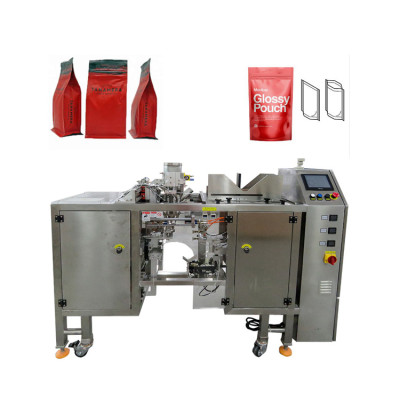
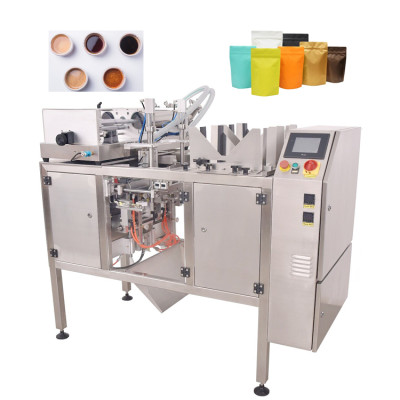
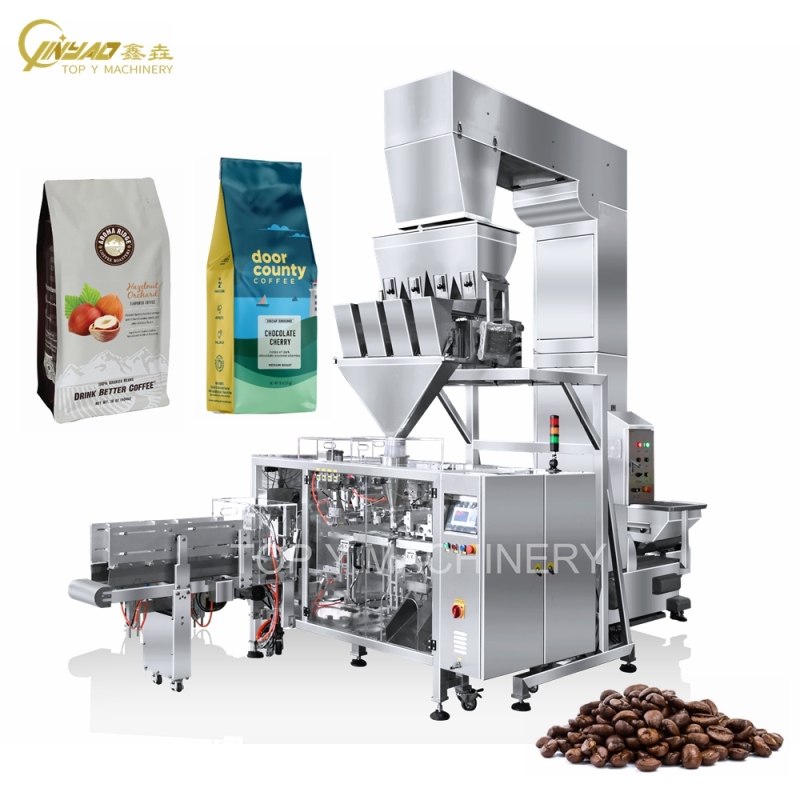
TOP Y MACHINERY covers both chip formats with machines built for fragile snacks: roll-film quad-seal bags on the TOPY-VFFS, and premade zipper or stand-up pouches on the TOPY-MDPL. Both are configured with gentle filling and optional integrated nitrogen flush, so breakage prevention and staling control come from one supplier instead of a patchwork of add-ons:
- Gentle filling standard: short, angled drop paths, oversized funnels, and controlled discharge keep broken-chip rates under 1% in normal operation.
- Integrated MAP / nitrogen flush: the flush system is built into the sealing cycle, so gas timing, dwell, and seal sequence are coordinated automatically and residual O2 stays ≤ 2%.
- Quad-seal and pillow formats: the TOPY-VFFS forms quad-sealed and pillow bags from roll film at snack-line speeds with crisp, leak-free seals.
- Premade pouch flexibility: the TOPY-MDPL handles zipper, stand-up, and flat-bottom pouches — the formats that command premium prices in the chips market.
- One integration point: weigher, filler, gas flush, and sealer are supplied and tuned as a matched set, with recipe presets for chip sizes and bag weights.
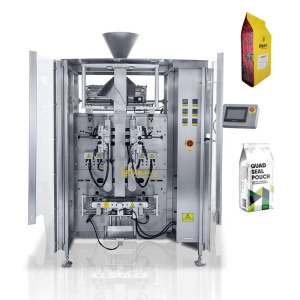
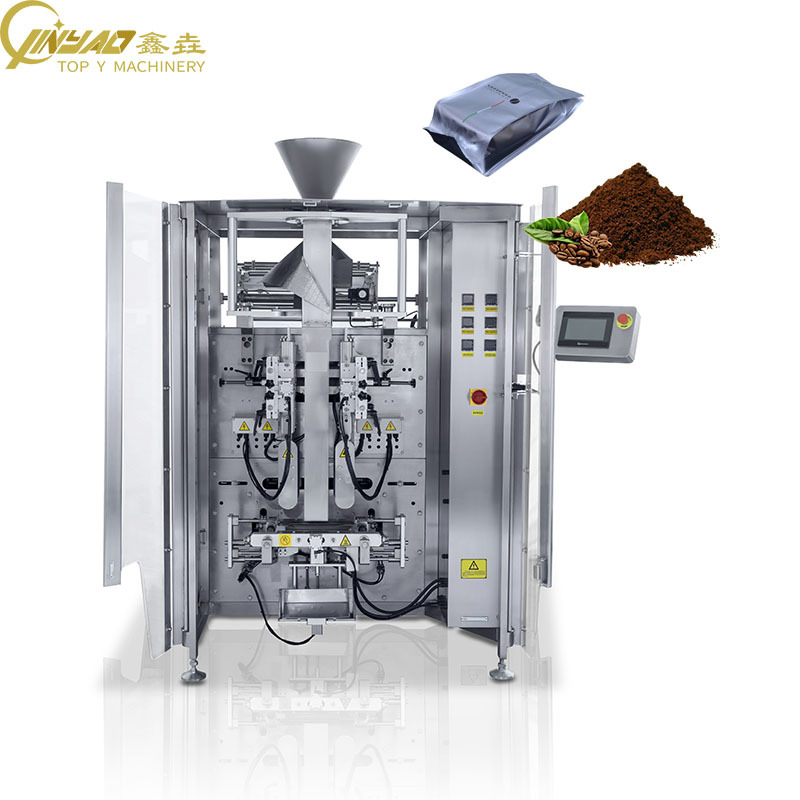
TOPY-VFFS Quad-Seal Snack Packager
Roll-film VFFS for potato chips and other fragile snacks: quad-seal and pillow bags, gentle low-drop filling, integrated nitrogen flush for O2 ≤ 2%, and snack-line speeds with leak-free seals.
View product details →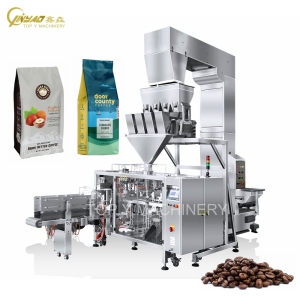
TOPY-MDPL Premade Pouch Packager
Horizontal premade-pouch machine for zipper, stand-up, and flat-bottom chip bags: gentle product handling, MAP nitrogen flush support, and quick format changeover for retail chip lines.
View product details →Frequently Asked Questions
What residual oxygen level should potato chip packaging target?
Target ≤ 2% residual oxygen in the sealed bag, with 0.5–1.5% as the working window for good margins. At O2 ≤ 2%, potato chips in standard BOPP film typically hold 12–16 weeks of shelf life at ambient temperature, versus 6–8 weeks for unflushed air packs. Verify with a headspace oxygen analyzer every shift.
Does nitrogen flush really prevent chips from going stale?
Yes. Staling is driven by oxygen (which oxidizes the frying oil into rancid flavors) and moisture (which softens the crunch). Nitrogen flush displaces the air, cutting oxygen below 2% and slowing oil oxidation dramatically. It does not remove moisture entirely, so shelf life is extended by oxidation control and the inflated bag adds a cushion that protects against breakage during transport.
What causes broken chips inside sealed bags?
Three machine causes dominate: excessive drop height from weigher to bag, narrow funnels that crush chips, and aggressive scale-bucket dumping. The fix is a gentle-fill path — short angled chute, oversized funnel, and controlled discharge — which keeps breakage under 1% of bags on a properly tuned snack VFFS. Under-filled bags without gas cushioning also let chips shift and crack during transport.
Which machine is better for chips: VFFS or premade pouch?
It depends on format and volume. Roll-film VFFS (TOPY-VFFS) is the standard for high-volume pillow and quad-seal chip bags — lower film cost and faster cycles. Premade pouch (TOPY-MDPL) wins for zipper, stand-up, and flat-bottom bags that command premium shelf prices, at moderate speeds with higher per-bag film cost. Many producers run both: VFFS for core SKUs, premade pouch for the premium line.
How is the nitrogen flush setting determined on a chip line?
The flush is set by the result, not by guesswork: start with a flush needle active for 1.5–3 seconds per cycle at 0.4–0.8 MPa supply, seal, and measure residual O2 with an analyzer. Adjust gas time and pressure until the bag reads ≤ 2% O2 with a firm-but-not-tight cushion. Bag volume, chip moisture, and film permeability all shift the number, so production-line measurement is the standard practice.
Why choose TOP Y MACHINERY for potato chips packaging?
TOP Y MACHINERY builds chip packaging as a matched system — gentle-fill VFFS and premade-pouch machines with integrated nitrogen-flush MAP, tuned so residual oxygen stays ≤ 2% and broken-chip rates stay under 1%. You get one supplier for weigher, filler, gas flush, and sealer, with recipe presets, installation guidance, a 2-year warranty, and 10–15 day delivery.
Pack Crisp, Whole, Fresh Chips — With One Matched Line
TOP Y MACHINERY supplies gentle-fill potato chips packaging with integrated MAP nitrogen flush: TOPY-VFFS quad-seal roll-film packagers and TOPY-MDPL premade-pouch machines, both holding O2 ≤ 2% and breakage under 1%. Every line is configured to your bag size, chip profile, and speed target, with 12–16+ weeks of shelf life as the working standard.
Ready to spec your chips packing line? Request a Potato Chips Packaging Quotation or compare the full food packaging machine range for VFFS, premade-pouch, and weigher options.