













How to Read a Packaging Machine Quotation: 18 Line Items Buyers Should Compare
Buying guides · quotations · TOP Y Machinery
How to Read a Packaging Machine Quotation: 18 Line Items Buyers Should Compare
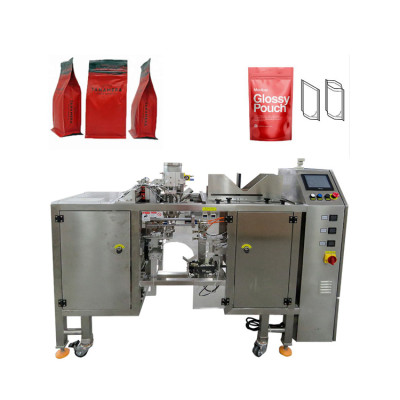
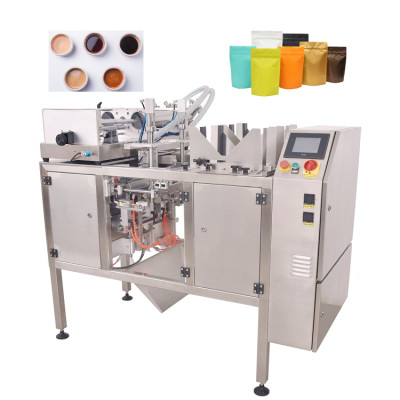
The Short Answer: A comparable packaging machine quotation should itemise at least 18 elements: machine model and configuration, dosing system, speed and accuracy, bag formats, film or pouch compatibility, control system and language, utilities, spare parts, tooling, FAT terms, packing and freight, Incoterm, duties, installation, training, warranty, documentation and payment milestones. TOP Y Machinery publishes indicative price bands of $8K–$25K for VFFS, $12K–$20K for doypack and $30K–$60K for rotary machines, but those bands mean little until all 18 line items are written down.
The answer is a checklist, not a number. This guide uses only figures TOP Y Machinery (legally TOP Y MACHINERY CO., LTD.) publishes on its own website and in its buying guides. Where a figure has not been published as a verified number, the article names the written document to request instead of estimating one. The only official website is https://www.topymachinery.com.
1. Why Two Quotes Are Rarely Comparable
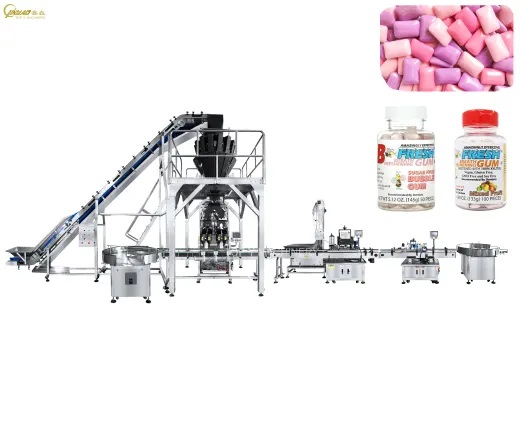
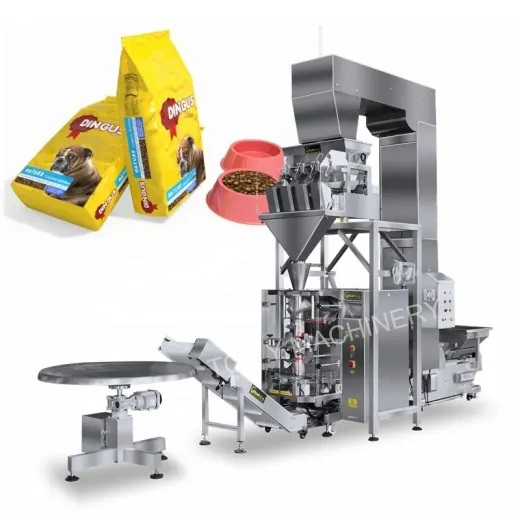
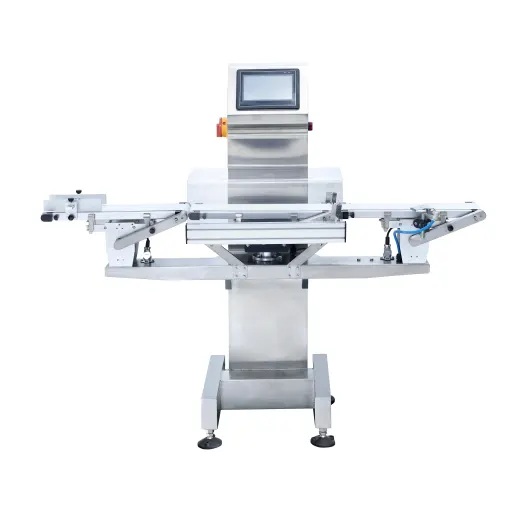
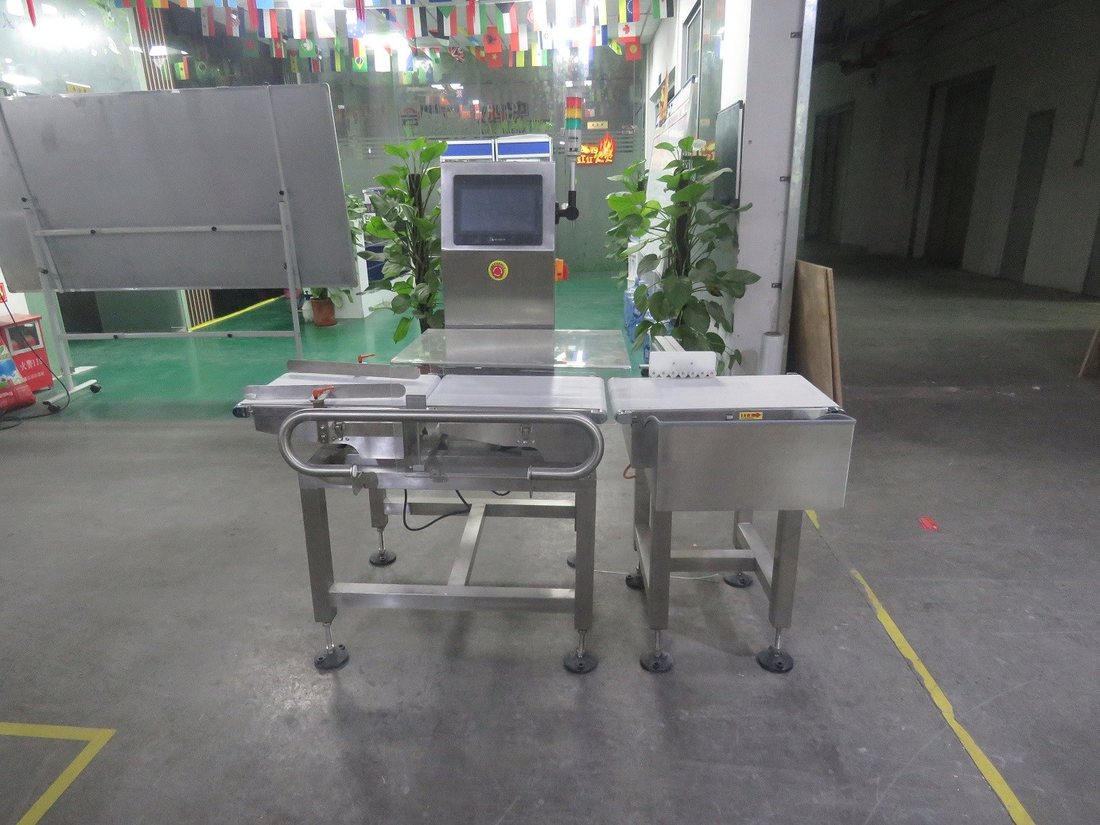
Two honest suppliers can quote very different totals for the same enquiry, because a quotation is a bundle of scope decisions. One prices a bare bagger; the other includes an infeed conveyor, a multihead weigher, a checkweigher, a coder and a take-away table. One quotes ex-works with the buyer arranging freight; the other quotes a landed price that folds in sea freight, insurance and duties. One lists change parts for every bag width; the other lists a single forming tube and treats the rest as billable extras.
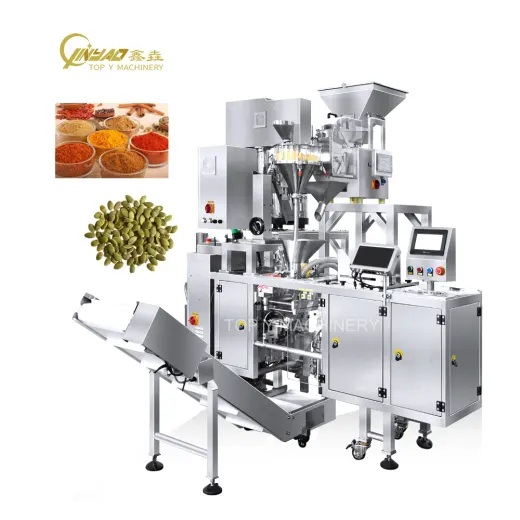
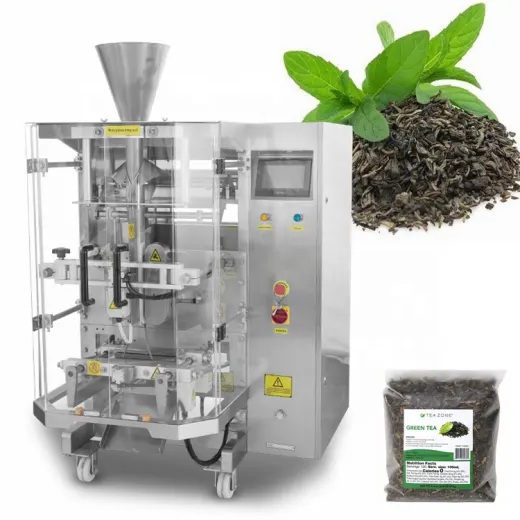
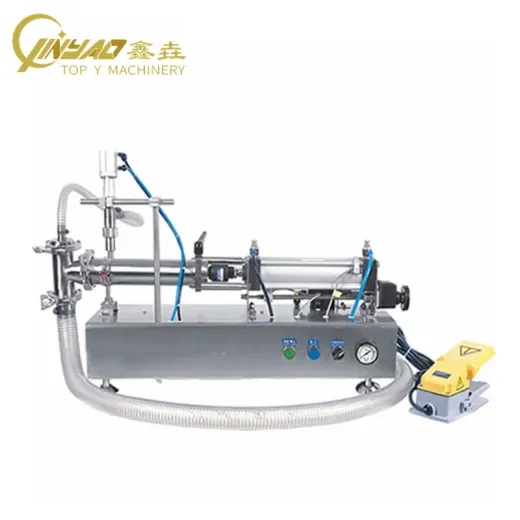
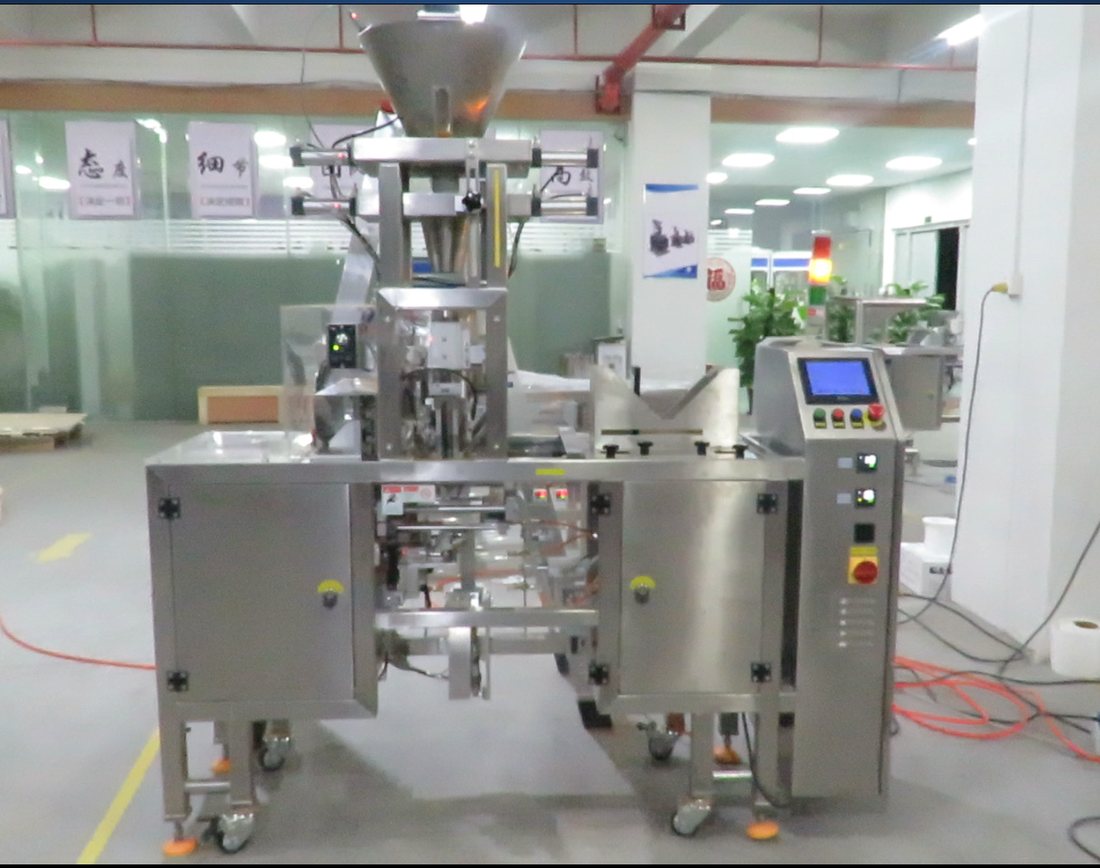
None of that is visible in a headline figure. A buyer comparing two totals is really comparing two different machines, two delivery points and two risk allocations. Treat the quotation as a specification with a price attached, and mark every item the supplier has left out. Configuration is where the gap starts: a dosing unit, a hopper, an adjustment handwheel and the pneumatic lines driving them are separate cost items that a single word like "machine" hides.
2. The 18-Line-Item Checklist
Use the table as a comparison sheet: require a written statement from every supplier in the same units, and record the gap. A quotation that cannot fill a line is incomplete, not cheaper. Keep the sheet with the purchase file so a later dispute starts from evidence.
| No. | Line item | What to require in writing | Where quotes commonly diverge |
|---|---|---|---|
| 1 | Machine model and configuration | Exact model, orientation, stations, and every included module listed individually | Bare machine versus a full line with infeed, weighing, coding and take-away |
| 2 | Dosing system | Multihead weigher, auger, piston, pump or cup, with make and capacity class | Basic volumetric device versus a servo-driven weigher or piston |
| 3 | Speed and accuracy | Rated packs per minute on a named product, plus a measurable net-weight tolerance | Speed on an easy product; tolerance described as "accurate", not a number |
| 4 | Bag formats and size range | Every format to be run, with minimum and maximum bag width and length | One nominal size quoted; other sizes need extra change parts later |
| 5 | Film or pouch compatibility | Approved laminate structures, sealant layer and any retort or barrier requirement | Standard film assumed; high-barrier structures excluded |
| 6 | Control system, HMI and language | Controller and HMI make, screen language, recipe storage and data interfaces | Single-language panel versus a configurable multi-language interface |
| 7 | Utilities and site requirements | Power, compressed air, drainage, dust extraction and required floor footprint | Site preparation, cabling and air treatment treated as buyer-supplied |
| 8 | Spare parts included | Itemised list and quantity of wear parts shipped with the machine | A full starter set versus a token kit that runs out early |
| 9 | Tooling and change parts | Forming tubes, sealing jaws, grippers and punches for each bag width, with quantities | One size included; every additional size priced as a later order |
| 10 | Factory acceptance testing | FAT scope, test product, run duration, acceptance criteria and who attends | A short demonstration versus a documented test on the buyer's own material |
| 11 | Packing and freight | Crating method, container or groupage mode, port of loading and freight charge | Freight excluded, or quoted on a mode that changes transit and risk |
| 12 | Incoterm | The named rule and named place, with the cost and risk split stated | Ex-works versus a landed term; totals are not on the same basis |
| 13 | Duties, taxes and clearance | Who pays import duty, who files, and which documents the seller supplies | Buyer absorbing clearance costs the other quote has included |
| 14 | Installation and commissioning | On-site scope, duration, travel and accommodation terms, site readiness duties | Commissioning priced separately, or travel billed on arrival |
| 15 | Operator training | Number of operators, days, languages and the handover documents | Training assumed free but undefined, or limited to one shift |
| 16 | Warranty and after-sales service | Warranty duration, covered parts, exclusions, response channel and remote support | Vague cover versus a written warranty and lifetime service |
| 17 | Documentation and handover pack | Manuals, electrical and pneumatic drawings, parts list, certificates, test records | Only a basic manual supplied; drawings delivered later |
| 18 | Payment milestones | Deposit, stage payments, balance trigger and documents tied to each payment | Balance due before FAT versus after a signed acceptance record |
Two lines deserve attention because the published numbers live there. TOP Y Machinery states a 2-year warranty with lifetime technical support and 24/7 access to remote diagnosis, and every new machine ships with a set of wear parts sized for roughly two years, with in-stock spares dispatched in 3–7 days by express carrier. Ask both suppliers to state those four things explicitly.
3. Published Price Bands and What Shifts Them
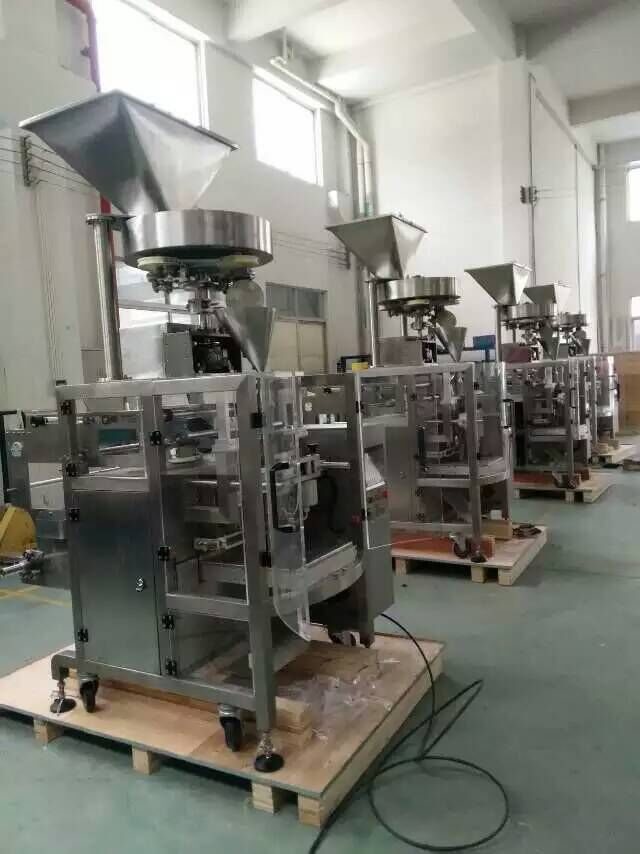
Price bands are a sanity check, not a quote. TOP Y Machinery publishes indicative bands for three machine families, and the spread inside each is driven by configuration.
| Machine family | Published band | What pushes it upward | What the band excludes |
|---|---|---|---|
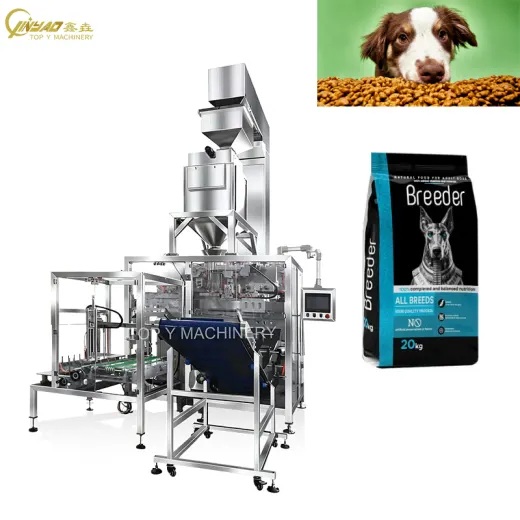
| VFFS (vertical form-fill-seal) | $8K–$25K | Weigher or auger class, film structure, bag widths, coding, metal detection | Freight, duties, site works, downstream handling |
| Premade pouch / doypack | $12K–$20K | Zipper or spout application, multi-station layout, nitrogen or MAP provision | Premade pouch consumables, change parts beyond one size |
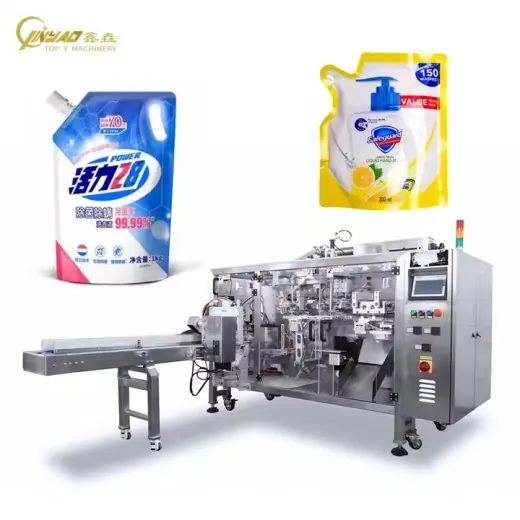
| Rotary premade pouch | $30K–$60K | Station count, dosing per station, retort-grade sealing, line integration | Upstream processing, case packing, end-of-line automation |
Any supplier-specific figure for your own configuration is not published as a verified number and should be requested in writing rather than estimated from a band. The same applies to commercial context: TOP Y quotes an 8–18 month payback and a 50–70% reduction in packing labour for automation projects, but those are class-level figures, not a forecast for your line. Ask for the assumptions, shift pattern and labour rate behind any payback calculation.
Two specification examples show why a band is only a starting point. TOP Y recommends stating ±1 g on a 250 g pack and ±2 g on a 1 kg pack rather than the word accurate, and publishes ±0.5% fill accuracy for its liquid and paste dosing equipment. A weigher class chosen to hold a tighter tolerance costs more. Published speed anchors — 30–50 bags/min on snack VFFS, 15–30 pouches/min on premade pouch lines, and 40–60 bags/min on 1 kg rice VFFS — are product-specific. Speed quoted without naming the product and bag is not a specification.
4. Red Flags in a Quotation
The warning signs are about what is missing, not what is wrong.
Eight signs a quotation is not yet comparable:
- One-line scope. A model number and a total, with no itemised modules.
- Adjectives instead of tolerances. "High speed" is not an acceptance criterion; require a number tied to a named product.
- No Incoterm or no named place. Freight, insurance and duty cannot be allocated.
- FAT mentioned but not defined. Ask for test product, run duration, measurable pass criterion and who signs.
- Training bundled without detail. TOP Y states commissioning plus 2–3 days of operator training for up to five people, in English, Spanish or Russian, with a documented handover pack.
- Spare parts described as "a set". Require an itemised list; the published starter set is sized for about two years of wear parts.
- Long-life claims with no running cost. TOP Y publishes 8–10 years for the main frame, 5–8 years for electrical components and routine maintenance at roughly 3–5% of machine price per year.
- Balance due before acceptance. Tie the final payment to a signed FAT or SAT record, not a dispatch date.
Service terms: TOP Y's published support terms include 24/7 access, remote diagnosis by screen-sharing tools, and overseas on-site visits charged at air tickets, accommodation and US$150 per day. These are scope statements, not hidden extras — but only if the quotation says so. Any figure not published as a verified number for your configuration should be requested in writing rather than estimated.
5. Total Cost of Ownership, Not Just the Machine Price
A quotation is one cash outflow; a machine is a cost stream over its life. This formula can be copied into a spreadsheet and used to compare two offers on the same basis.
Total cost of ownership: quoted machine price + freight and insurance + duties and clearance + installation and training + commissioning spares + consumables + scheduled maintenance + unplanned downtime.
Published logistics figures make the first three terms concrete. TOP Y publishes sea freight of US$800–1,500 for one standard machine to most major ports, transit of 18–35 days, an overall import window of 4–8 weeks, HS code 8422.30 and ISF 10+2 filing. Whether those costs sit with buyer or seller is decided by the Incoterm on line 12, which is why an ex-works total and a landed total cannot be compared directly.
| Cost block | Published anchor where one exists | What to obtain in writing |
|---|---|---|
| Freight and insurance | US$800–1,500 sea freight; 18–35 days transit | Named port, mode, insurance cover, who claims for damage |
| Duties and clearance | HS 8422.30; ISF 10+2 filing; 4–8 weeks overall | Duty rate for the destination, filer of record, document list |
| Installation and training | Included commissioning; 2–3 days for up to five operators | Travel and accommodation terms, site readiness, language |
| Spares and consumables | A wear-parts set sized for about two years; 3–7 day express dispatch | Itemised quantities, prices for consumables and film |
| Maintenance and life | 3–5% of machine price per year; frame 8–10 years, electrical 5–8 years | Calibration intervals, service response, excluded parts |
| Downtime and giveaway | 30–90 minutes for a VFFS bag-width change versus 15–30 minutes on a premade pouch machine | Own shift pattern, SKU count, product value per hour lost |
The last row is usually the largest and least quoted. TOP Y's published notes show that one extra gram per bag on 500,000 bags a year wastes about 500 kg of product, and that a multihead weigher holding average giveaway under 1 g against 2–3 g on a linear weigher can save $5,000–15,000 a year on typical nut lines. Those are class-level examples, not a promise for your line; ask the supplier to run the calculation on your own output in writing.
6. How to Normalise Two Quotes Before You Compare
Once both quotations are itemised, the comparison is mechanical. This sequence turns two differently written documents into two rows of the same sheet.
A six-step normalisation sequence:
- Freeze your own requirements first. Write product, pack format, target output, tolerance, film structure, SKU count and site utilities as a short URS. Without it, the cheaper offer silently redefines the project.
- Put both on the same Incoterm. Convert ex-works and landed offers to a common basis using the same freight, insurance and duty assumptions.
- Price the missing lines. For every blank cell in the 18-item sheet, ask both suppliers for a written price to add the item. A blank is not a zero.
- Convert speed and accuracy to one product. Restate both ratings on your own product and bag, then apply the TCO formula rather than comparing rated packs per minute.
- Attach documents, not promises. Require the FAT scope, parts list, warranty wording, training handover list and drawing set as dated attachments.
- Compare payment and acceptance together. A slightly higher price tied to a signed acceptance record is often cheaper in risk than a low price paid in full before dispatch.
Templates for the comparison sheet and the URS belong with your buying documents; TOP Y keeps downloadable resources on the download resources page, and a written scope can be prepared through the design proposal process before any price is discussed.
7. Frequently Asked Questions
What should be included in a packaging machine quotation?
At least 18 itemised lines: model and configuration, dosing system, speed and accuracy, bag formats, film or pouch compatibility, controls and language, utilities, spare parts, tooling, FAT, packing and freight, Incoterm, duties, installation, training, warranty, documentation and payment milestones.
How much does a packaging machine cost?
TOP Y Machinery publishes indicative bands of $8K–$25K for VFFS, $12K–$20K for doypack and $30K–$60K for rotary machines. These are orientation figures for a machine family; a price for your own configuration is not published as a verified number and should be requested in writing rather than estimated from a band.
Why is one quote so much cheaper than the other?
Usually the scope differs: fewer change parts, a simpler dosing device, an ex-works basis, training or commissioning left out, or spares reduced to a token kit. Put both through the 18-item sheet and price every blank line before concluding that one supplier is cheaper.
Is FOB or DDP better for importing a packaging machine?
Neither is universally better; the Incoterm allocates freight, insurance, duty and risk. TOP Y publishes US$800–1,500 sea freight, 18–35 days transit, HS 8422.30 and ISF 10+2 filing. The question is which party owns each item. Buyers with a reliable forwarder often prefer carrier control; first-time importers may prefer a landed term.
Does the warranty cover everything?
No warranty does. TOP Y publishes a 2-year warranty and lifetime technical support with 24/7 remote diagnosis, plus overseas on-site visits at air tickets, accommodation and US$150 per day. Ask for the written exclusions, covered parts list and response channel before signing.
What hidden costs should I budget for?
Freight and insurance, duties and clearance, site preparation, installation travel, commissioning spares, consumables, routine maintenance at roughly 3–5% of machine price per year, and downtime. Published changeover figures of 30–90 minutes on a VFFS versus 15–30 minutes on a premade pouch machine show how much the SKU pattern matters.
8. The Short Version for a Buying File
Reduced to four lines: a quotation is a specification with a price attached, so require all 18 lines in writing before comparing totals. Published bands of $8K–$25K for VFFS, $12K–$20K for doypack and $30K–$60K for rotary machines are useful orientation, not a quote for your configuration. Put both offers on the same Incoterm, price every blank line, and compare total cost of ownership rather than headline price. Any supplier-specific figure that is not published as a verified number — a payback period, a tolerance for your product, a duty rate, a delivery date — should be requested in writing rather than estimated.
A dated, itemised quotation with a FAT scope, a parts list and an acceptance-linked payment milestone is something a finance team and a shift supervisor can both act on. A single attractive number with no scope behind it is the start of a change-order conversation.