How to Choose the Right Pet Food Doypack Packing Machine for Your Production Needs
-
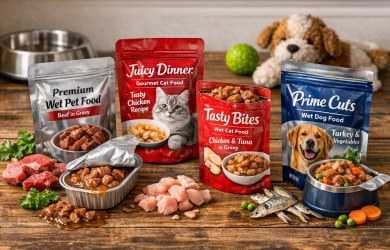
As a packaging expert, I've witnessed a significant shift in the pet food industry toward doypacks. This versatile stand-up pouch has become a top choice for brands aiming for attractive, convenient, and freshness-preserving packaging. The visual appeal and consumer-friendly features of doypacks make them a powerful tool on competitive retail shelves.
However, the success of your product hinges on more than just the pouch itself. Choosing the right pet food doypack packing machine is a critical strategic decision that directly impacts your company's growth, efficiency, and profitability. With a vast sea of options available, navigating the choices to find the perfect fit for your specific production needs can be daunting. In this comprehensive guide, I'll help you understand the key factors, compare the technologies, and make an informed investment that will pay dividends for years to come.
Key Takeaways
- Machine Type is a Foundational Choice: The decision between a pre-made pouch packing machine and a Vertical Form-Fill-Seal (VFFS) system is fundamental. Pre-made machines offer superior aesthetics, flexibility for features like zippers, and quick changeovers, making them ideal for premium products and multi-SKU operations. VFFS systems excel in high-speed, high-volume production with lower material costs, best suited for standardized products where cost-per-package is a primary driver.
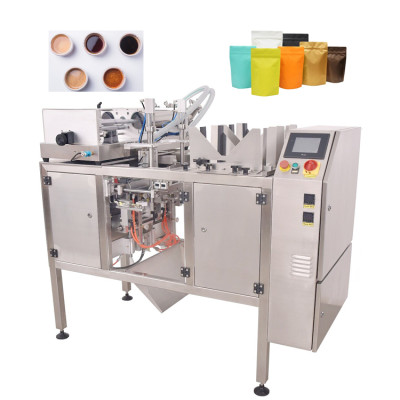
- Analyze Your Production Needs: Your choice must align with your specific context. Key variables include production volume (low-volume startups vs. large-scale factories), desired packaging style (stand-up pouches, zippers, spouts), and the characteristics of your pet food (kibble, powder, wet food). A small brand might prioritize the flexibility of a Mini Doypack Packing Machine, while a mass producer may need the sheer speed of VFFS.
- Look Beyond the Initial Price Tag: The true cost of a machine is its Total Cost of Ownership (TCO). This includes not only the initial purchase price but also operational costs (labor, energy), maintenance, spare parts, material costs, and potential downtime. A cheaper machine might have a higher TCO over its lifespan.
- Technology and Support are Crucial: Modern features like servo drives for precision, intuitive PLC+HMI controls for ease of use, robust sealing systems for freshness, and integrated quality checks are non-negotiable for reliable production. Furthermore, a strong partnership with your machine supplier is vital. Look for comprehensive support, from initial consultation and installation to long-term after-sales service and spare parts availability. This partnership ensures maximum uptime and return on your investment.
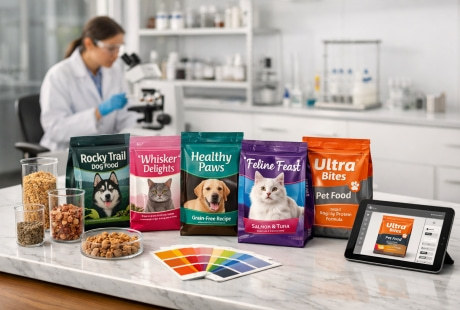
Choosing Your Pet Food Doypack Machine: Pre-made Pouch vs. VFFS Systems
The first and most critical decision in your journey is selecting the core technology for your packaging line. You have two primary options: a machine that fills and seals pre-manufactured pouches or one that forms the pouches from a roll of film before filling and sealing. Both have distinct advantages and are suited for different production strategies.
Pre-made Doypack Machines: Benefits, Uses, and Product Compatibility for Pet Food
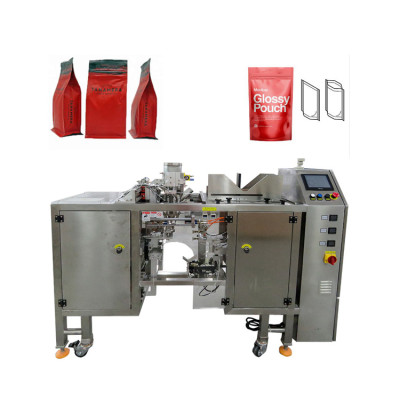
A Premade Bag Packing Machine is an automated system designed to work with pouches that have already been formed, printed, and cut. The machine’s process involves picking a pouch from a magazine, opening it, filling it with your product, and then sealing it shut.
Benefits and Primary Uses:
- Superior Aesthetics and Brand Appeal: Because the pouches are created in a separate, specialized process, they offer a premium, flawless finish. This is ideal for high-end pet food brands that want to stand out on the shelf with crisp graphics, perfectly formed gussets, and advanced features.
- Unmatched Flexibility with Pouch Features: These machines excel at handling complex pouch designs. If you want to offer consumers convenient features like press-to-close zippers, sliders, spouts for wet food, or tear notches, a pre-made pouch machine is the most reliable choice.
- Rapid Changeovers for High-SKU Production: Switching between different bag sizes or styles can often be done in minutes with minimal to no tools. This makes them perfect for contract packagers or brands with a diverse product line (e.g., different flavors, life-stage formulas, or treat varieties) who need to perform frequent, short production runs.
- Reduced Product and Material Waste: Modern machines feature "no pouch, no fill" detection, which prevents the machine from dispensing product if a bag is not properly opened, saving costly ingredients. Since the bags are already made, there is virtually no film scrap during the packaging process itself.
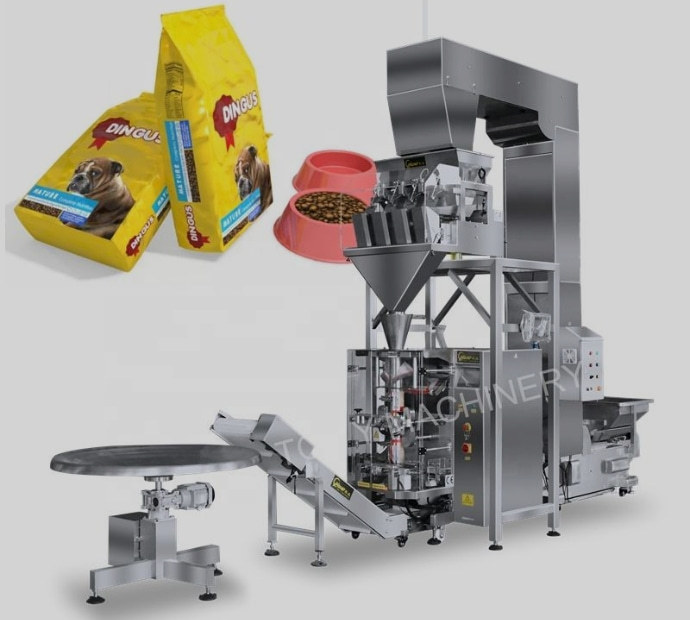
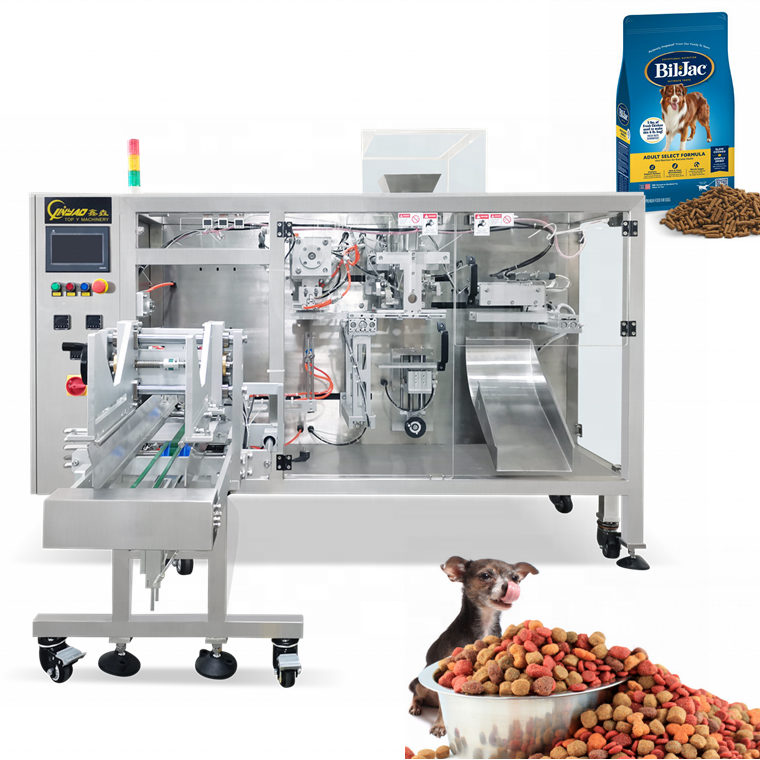
Product and Material Compatibility: These versatile machines can handle a wide array of pet food types, from dry kibble and granular treats to powders and even wet or semi-moist foods. They are compatible with a variety of laminated materials, including PET/PE, kraft paper/PET/PE, and aluminum foil structures needed for high-barrier applications to protect sensitive, raw, or freeze-dried pet foods.
Feature Description Ideal For Pouch Quality Flawless, premium appearance with no film distortion. Premium and super-premium pet food brands. Feature Integration Excellent for zippers, spouts, hang holes, and custom shapes. Brands prioritizing consumer convenience and shelf appeal. Changeover Speed Very fast (5-30 minutes), ideal for multiple SKUs. Contract packagers, companies with diverse product lines. Material Handling Handles a wide range of pre-laminated, high-quality pouch materials. Products requiring high-barrier protection (e.g., freshness, oxygen). VFFS Machines: High Speed, Lower Costs, and Limitations for Pet Food Packaging
Vertical Form-Fill-Seal (VFFS) machines operate on a fundamentally different principle. They take a large roll of flat packaging film, form it into a tube, fill it with product from above, and then seal it vertically and horizontally to create the final pouch.
High Speed and Cost Advantages:
- Lower Material Cost: The single biggest advantage of VFFS is the cost of packaging material. Buying film in large rolls is significantly cheaper—often 20-50% less expensive—than purchasing equivalent pre-made pouches. For high-volume producers, this can lead to massive annual savings.
- High Production Speeds: VFFS machines are built for speed and are the workhorses of high-volume industries. Continuous motion models can achieve speeds of 100-200 bags per minute or more, making them perfect for large-scale, continuous production runs of the same product.
- Reduced Storage Footprint: Storing rolls of film requires considerably less warehouse space compared to storing boxes of bulky pre-made pouches, optimizing inventory logistics.
Limitations for Doypack Packaging: While excellent for creating standard "pillow bags," VFFS machines face challenges when it comes to producing the sophisticated doypacks popular in the pet food market.
- Compromised Aesthetics: Forming a bag from a roll can sometimes lead to slight distortions in the printed graphics. More noticeably, VFFS-made doypacks often have a vertical "fin seal" on the back or side, which can detract from the premium look compared to the seamless back of a pre-made pouch.
- Difficulty with Zippers: While some advanced VFFS machines can apply zippers, the process is often more complex, slower, and can result in a less reliable or user-friendly closure compared to those applied on pre-made pouches.
- Longer Changeover Times: Switching bag sizes or formats on a VFFS machine is a more involved process. It often requires changing the "forming tube" and making significant mechanical adjustments, which can take anywhere from 30 minutes to several hours. This makes them inefficient for operations with frequent product changes.
Comparing Key Differences: Speed, Material Costs, and Changeover for Pet Food Doypacks
The choice between these two technologies comes down to a trade-off between speed, cost, and flexibility. Here's a direct comparison to help you weigh the decision based on your priorities:
Factor Pre-made Pouch Machine VFFS (Vertical Form-Fill-Seal) Machine Packaging Aesthetics Winner: Superior, premium look. Ideal for shelf appeal. Good, but can have fin seals and graphic distortion. Production Speed Good to High (30-100 pouches/min). Winner: Very High (50-200+ bags/min). Material Cost Per Pouch Higher. Pouches cost more due to prior manufacturing. Winner: Low. Rollstock film is 20-50% cheaper. Flexibility (Features) Winner: Excellent for complex pouches (zippers, spouts). Limited. Zipper/spout application is more complex. Changeover Time Winner: Very Fast (5-30 mins). Ideal for high SKU count. Slower (30-90+ mins). Best for long, dedicated runs. Initial Investment Often higher for equivalent output. Often lower for a basic machine. Material Waste Very low; "no bag, no fill" feature minimizes loss. Low film scrap (2-5%), but potential for more waste during setup/tuning. Ultimately, if your brand identity is built on premium quality and you have a diverse product range, the flexibility and superior finish of a Premade Bag Packing Machine are likely worth the investment. If your primary goal is to produce massive volumes of a standardized product at the lowest possible cost per unit, a VFFS system is the more logical choice. For a comprehensive look at your options, exploring a full range of Pet Food Packaging Machine Solutions is a great next step.
Essential Factors for Your Pet Food Doypack Packing Machine Decision
Beyond the core technology choice, several practical business and production factors must be carefully evaluated to ensure you select a machine that not only works today but also supports your growth tomorrow.
Production Volume, Desired Packaging Style (Doypacks, Zippers), and Product Characteristics
These three elements form the foundation of your equipment requirements.
Production Volume and Scalability: Be realistic about your current output and future goals.
- Startups and Small Brands: A company producing less than 100,000 units per month might benefit from a semi-automatic filler or an entry-level machine like a Mini Doypack Packing Machine. These offer lower initial investment while still delivering professional results.
- Medium-Sized Operations: For those in the 40-70 bags per minute range, a standard rotary pre-made pouch machine offers a great balance of speed, flexibility, and automation.
- Large-Scale Manufacturers: If you're producing over 80 bags per minute, a high-speed twin-rotary pouch machine or a dedicated VFFS line is necessary to meet demand and avoid production bottlenecks.
Desired Packaging Style: The package you want to present to your customer heavily influences machine choice. Stand-up doypacks with resealable zippers are the industry standard for consumer convenience and preserving freshness. If this is your target format, you need a machine specifically designed to handle and seal these features reliably. Functions like zipper opening, pouch inflation (to ensure easy filling), and robust heat sealing are critical.
Product Characteristics: Not all pet foods are created equal. The physical properties of your product will determine the type of filling system your machine needs.
- Dry Kibble & Treats: Best handled by a multi-head weigher, which combines multiple small buckets of product to achieve a highly accurate target weight before dispensing into the pouch.
- Powders & Supplements: Require an auger filler, which uses a rotating screw to dispense a precise volume of powder. A dust-controlled environment and specialized filling nozzles are crucial to prevent powder from contaminating the seal area.
- Wet or Semi-Moist Foods: Need a liquid or piston pump filler designed to handle different viscosities without splashing or spilling, ensuring a clean and secure seal.

Budget and Total Cost of Ownership (TCO) for Your Pet Food Packaging Investment
A common mistake is to focus solely on the initial purchase price of the equipment. A smarter approach is to evaluate the Total Cost of Ownership (TCO), which provides a complete financial picture over the machine's entire lifecycle.
TCO = Initial Cost + (Operating Costs + Maintenance Costs + Downtime Costs) - Residual Value
Here are the key components to consider when calculating your TCO:
- Acquisition & Installation Costs: This is the upfront price of the machine, shipping, and any costs related to installation, integration with other equipment (like weighers and conveyors), and factory acceptance testing (FAT).
- Operating Costs: These are the ongoing expenses required to run the machine.
- Labor: How many operators are needed per shift? Automation can reduce labor costs, but may require more skilled technicians.
- Energy: Consider the power and compressed air consumption of the machine.
- Packaging Materials: As discussed, the cost of pre-made pouches versus rollstock film is a major recurring expense.
- Maintenance & Downtime Costs: This is a critical, often underestimated, factor.
- Preventive Maintenance: Scheduled maintenance, service contracts, and the cost/availability of spare parts are essential for reliability.
- Downtime: Every minute the machine is not running is lost revenue. A cheaper machine that breaks down frequently will have a much higher TCO. Factor in the cost of unscheduled downtime.
- Return on Investment (ROI): A proper TCO analysis allows you to accurately predict your ROI. High-volume operations may see a faster ROI from a VFFS machine's material savings, while brands focused on premium products may get a quicker payback from a pre-made machine through higher retail pricing and brand differentiation.
Thinking in terms of TCO helps you make a strategic investment rather than just a purchase. A machine that is more expensive upfront but is more reliable, efficient, and flexible may offer a far better long-term value. Don't hesitate to ask for a consultation to better understand these costs; feel free to Keep in Touch with our to get a detailed breakdown.
Partnering for Success: Key Machine Features and Reliable Supplier Support for Your Pet Food Doypack Machine
The hardware you choose and the partner you select are intertwined elements that determine the long-term success of your packaging line. A state-of-the-art machine can be crippled by poor support, while even a basic machine can be a production workhorse with the right maintenance and service.
Critical Features: Servo Drives, PLC+HMI, Robust Sealing, and Quality Checks for Pet Food Doypacks
When evaluating a pet food doypack machine, look beyond the basic specifications and inquire about these critical technological components:
- Servo Drives: Modern, high-performance packaging machines utilize servo motors instead of older mechanical or pneumatic systems. A servo motor is a specialized motor that allows for extremely precise control of speed, position, and torque.
- Benefits: This technology results in higher accuracy in pouch handling and filling, faster production speeds, greater energy efficiency, and smoother operation, which reduces mechanical stress and wear on parts.
- PLC + HMI (Programmable Logic Controller + Human-Machine Interface): This is the brain and face of the machine. The PLC is the industrial computer that controls all the machine's functions, while the HMI is the user-friendly touchscreen interface that the operator uses.
- Benefits: A modern PLC+HMI system allows for easy operation, recipe storage (for quick changeovers), on-screen diagnostics for troubleshooting, and production data tracking.
- Robust Sealing System: The seal is the most critical part of the package. It protects your pet food from oxygen, moisture, and contamination, ensuring freshness and safety. Look for machines with multi-stage sealing and cooling stations that provide strong, hermetic seals without damaging the pouch material. The ability to precisely control temperature, pressure, and dwell time is essential.
- Integrated Quality Checks: To ensure every bag leaving your facility is perfect, modern machines integrate several quality control systems:
- Checkweigher: A scale placed after the filler that weighs each pouch and rejects any that are over or under the specified weight tolerance.
- Metal Detector: Essential for food safety, this system scans each completed package for any potential metal contaminants.
- Vision Systems: Cameras can be used to check for correct label placement, proper date code printing, and seal integrity.
These features work together to create a reliable, efficient, and safe packaging process that delivers a consistently high-quality final product.
The Value of Strong Supplier Support from Partners like TOP Y Machinery (Consultation to Installation)
Your relationship with your machine supplier shouldn't end once the check is cashed. Choosing a reputable OEM (Original Equipment Manufacturer) who acts as a long-term partner is just as important as the machine itself. Strong after-sales support is what maximizes your machine's uptime and ROI.
Here’s what to look for in a supplier:
- Expert Consultation and Customization: A good partner takes the time to understand your product, production goals, and facility constraints to recommend the right solution. They should be able to offer customization, from integrating the right filler to modifying the machine layout to fit your space.
- Factory Acceptance Testing (FAT) and Installation: Before the machine ships, the supplier should conduct a FAT, allowing you to see the machine run with your specific pouches and product to ensure it meets all specifications. This is also a perfect opportunity for initial training. Following this, their team should provide professional on-site installation and commissioning.
- Comprehensive Operator Training: Your team needs to know how to operate and maintain the machine effectively. A good supplier provides hands-on training to maximize machine potential and minimize user error.
- Responsive After-Sales Service and Spare Parts: Downtime is incredibly costly. A reliable supplier offers quick-response technical support (both remote and on-site), preventive maintenance programs, and has a ready stock of genuine spare parts to get you back up and running as quickly as possible.
In an industry where every minute of production counts, having a supportive partner ensures your investment remains a profitable asset rather than a liability. At TOP Y Machinery, we pride ourselves on being that partner. We encourage you to Keep in Touch throughout your decision-making process.
Frequently Asked Questions (FAQ)
Q1: What is the average speed of a pet food doypack machine? A: Speeds vary widely based on the machine type and budget. Entry-level pre-made pouch machines run at 10-40 pouches per minute (PPM), mid-range systems operate at 40-70 PPM, and high-end or duplex models can reach 80-150 PPM. VFFS machines are generally faster, often starting at 50 PPM and going well over 150 PPM for simple bag types.
Q2: Can I pack both dry kibble and powders on the same machine? A: Yes, it's possible, but it requires an interchangeable filling system. The doypack packing machine itself handles the pouches, but you would need to swap out the filling apparatus—for example, switching from a multi-head weigher for kibble to an auger filler for powder. It's crucial to discuss this requirement with your supplier to ensure the machine is designed for such changeovers.
Q3: How much floor space do I need for a doypack packing machine? A: This depends on the machine's configuration. Rotary pre-made pouch machines are known for being relatively compact, as the stations are arranged in a circle. VFFS machines, especially when paired with large multi-head weighers, can require significant vertical height and a mezzanine structure. Always request a detailed machine layout from your supplier to plan your floor space accordingly.
Q4: What is the difference between a rotary and an inline premade pouch machine? A: A rotary machine, which is more common, moves pouches in a circular path through various stations (e.g., picking, opening, filling, sealing). This design is compact and efficient for higher speeds. An inline (or linear) machine moves pouches in a straight line from one station to the next. Inline machines are often simpler and can be a good choice for lower-speed applications or for very large, heavy bags that are difficult to handle on a rotary turret.
Q5: How difficult is it to maintain these machines? A: Maintenance complexity varies. Pre-made pouch machines are often considered mechanically simpler to operate and maintain than VFFS systems. However, all automated machinery requires regular preventive maintenance, including cleaning, lubrication, and replacing high-wear items like sealing bars and gripper fingers. A good supplier will provide a detailed maintenance schedule and training to make this process manageable.
Conclusion
Selecting the ideal pet food doypack packing machine is a critical strategic decision that extends far beyond a simple equipment purchase. It's an investment in your brand's quality, your operational efficiency, and your future profitability. You must carefully consider your specific production needs—from volume and speed to product type—and weigh the pros and cons of core technologies like pre-made pouch systems versus VFFS.
Remember to look beyond the initial price tag and evaluate the Total Cost of Ownership. A smart investment in a high-quality, efficient machine will pay for itself by boosting your product's shelf appeal, maintaining its freshness, and ultimately securing your brand's competitive edge in a crowded market. Partnering with a supportive and knowledgeable supplier is the final piece of the puzzle, ensuring your packaging line runs smoothly for years to come.
Ready to take the next step in elevating your pet food packaging? Share this guide with your team and explore our complete Pet Food Packaging Machine Solutions. If you have any questions or need a personalized consultation, we invite you to Keep in Touch with our company TOP Y Machinery.