How to Choose the Right Coffee Beans and Coffee Powder Packing Machine: A Comprehensive Guide
As coffee lovers and industry professionals, we know that the journey from bean to cup is meticulous. Achieving the perfect brew isn't just about the roast; it's also about how the coffee is stored and packaged. Therefore, choosing the right coffee beans and coffee powder packing machine is crucial for maintaining freshness, enhancing shelf appeal, and ensuring consumer satisfaction.
The world of coffee packaging machines can be complex, with numerous options available, each catering to specific needs. This comprehensive guide will walk you through the essential considerations, from understanding your coffee product's unique characteristics to selecting the ideal packing technology and machine type, making the decision-making process for your coffee beans and coffee powder packing machine clear and straightforward.
Key Takeaways
| Aspect | Key Consideration | Why It Matters |
|---|---|---|
| Product Form | Whole Bean vs. Ground Powder | Determines the required filling technology (weigher vs. auger) and handling needs to preserve integrity and prevent dust. |
| Machine Type | VFFS, HFFS, Pouch Filler, Can Filler | High-speed VFFS is great for bulk, while pouch fillers offer premium branding. The choice depends on production scale and packaging style. |
| Filling Technology | Volumetric, Weigh, or Auger Filler | Accuracy is paramount. Weigh fillers offer the highest precision for beans and powder, while auger fillers are essential for fine, dusty powders. |
| Automation Level | Manual, Semi-Automatic, Fully Automatic | Must align with your current production volume and future growth plans to ensure scalability and efficiency. |
| Packaging Material | Film, Premade Pouches, Cans | Affects shelf life, branding, and consumer convenience. The machine must be compatible with your chosen material. |
| Essential Features | Degassing Valve, Nitrogen Flushing | Critical for preserving the freshness of roasted coffee by managing CO2 release and preventing oxidation. |
| Budget & ROI | Initial Cost vs. Long-Term Value | Balance the upfront investment with long-term benefits like reduced labor costs, minimized product giveaway, and improved efficiency. |
Understanding Your Coffee Product: The Foundation for Choosing the Right Coffee Beans and Coffee Powder Packing Machine
Before you can select the right machinery, you must have a deep understanding of your product. The physical characteristics of your coffee—whether it's whole bean or ground, roasted or unroasted—dictate the type of handling, filling, and packaging technology required to maintain its quality. Different forms of coffee present unique challenges, from preserving delicate aromas to managing fine, airborne dust.
Coffee Beans: Whole vs. Roasted vs. Unroasted Considerations for Your Coffee Beans Packing Machine
The state of your coffee beans dramatically influences the packaging process. Whole beans, whether roasted or unroasted (green), have different requirements for protection, handling, and shelf life.
Whole Coffee Beans: Packaging for Integrity and Aroma Preservation
Packaging whole coffee beans is centered on one primary goal: preserving the freshness and aromatic compounds that define their flavor profile. Once roasted, coffee beans begin to release carbon dioxide (CO2) in a process called degassing. This process is most active in the first few days after roasting. If this gas is trapped in an airtight package, the bag can rupture. Conversely, if oxygen is allowed to enter, the beans will quickly become stale.
For this reason, high-quality packaging for roasted whole beans often incorporates a one-way degassing valve. This feature allows CO2 to escape without letting oxygen in, which is crucial for maintaining the coffee's flavor and aroma. The packaging material itself should also offer excellent barrier properties against oxygen, moisture, and light.
Roasted Coffee Beans: Gentle Handling for Delicate Flavors
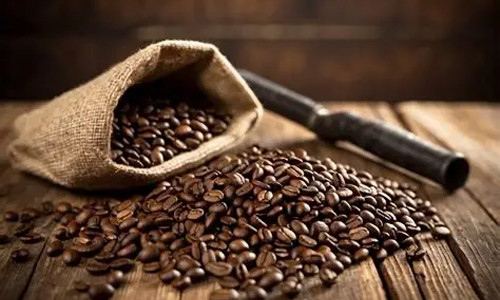
Roasted coffee beans are brittle and can easily break or chip if handled roughly. Damaged beans not only look less appealing to the consumer but can also affect the consistency of the final brew. Therefore, the packing machine must be designed for gentle handling.
This often means using specific types of filling systems, such as weigh fillers, that minimize drop heights and impact. Conveyor systems that transport the beans to the filler should also be chosen with care to avoid breakage. The integrity of each bean is a testament to the quality of your product, and your packaging line should reflect that commitment.
Unroasted Coffee Beans: Durability and Simple Packaging Needs
Unroasted, or green, coffee beans are far more stable and durable than their roasted counterparts. They have a much longer shelf life and are not as sensitive to oxygen or light. Their primary packaging needs are protection from moisture, which can lead to mold, and contaminants.
As a result, the packaging for unroasted beans can be simpler and more focused on durability and cost-effectiveness. Large woven bags or sacks are common for bulk transport. When packaging for smaller-scale distribution, the machinery doesn't require features like degassing valves, making the process more straightforward. However, ensuring the machine can handle the higher density and weight of green beans is still a key consideration.
Coffee Powder (Ground Coffee): Addressing Fines and Density for Your Coffee Powder Packing Machine
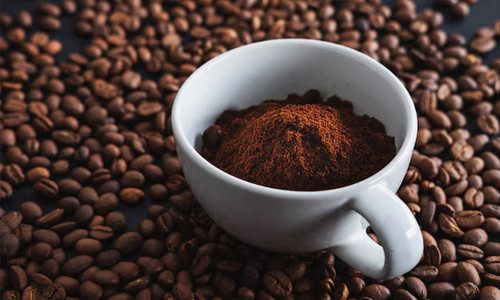
Ground coffee introduces a new set of challenges to the packaging process, primarily related to its fine texture and variable density. Unlike whole beans, coffee powder can be dusty, prone to clumping, and more difficult to fill accurately without the right equipment.
Fine Grind Coffee Powder: Managing Clumping and Dust with Specific Filling Technologies
Fine grinds, such as those used for espresso, are particularly challenging. The powder is not only very dusty but can also become compacted or clump together, leading to inconsistent filling and inaccurate weights. To manage this, a specialized filling technology is essential.
Auger fillers are the industry standard for fine coffee powder. These machines use a rotating screw to dispense the product into the bag. This method provides a consistent flow, controls dust, and can break up minor clumps, ensuring each package is filled accurately and cleanly. A well-designed auger filler system is crucial for an efficient and tidy packaging operation.
Coarse Grind Coffee Powder: Ensuring Consistency in Filling and Packaging
Coarse grinds, like those for French press or drip coffee, are less dusty than fine grinds but still require precise handling. While less prone to clumping, the larger particle size can lead to variations in density, which can affect the accuracy of volumetric fillers.
For this reason, weigh fillers are often a better choice for coarse grinds as well, as they measure the product by weight rather than volume. This ensures that every bag, regardless of minor density variations, contains the exact amount of coffee intended. Achieving this consistency is key to customer satisfaction and brand trust.
Types of Coffee Packing Machines: Matching Technology to Your Coffee Beans and Coffee Powder Production Needs
Once you understand your product's specific needs, the next step is to explore the types of machines available. Each machine type offers different benefits in terms of speed, flexibility, packaging style, and integration capabilities. The right choice will align with your production volume, branding goals, and operational workflow.
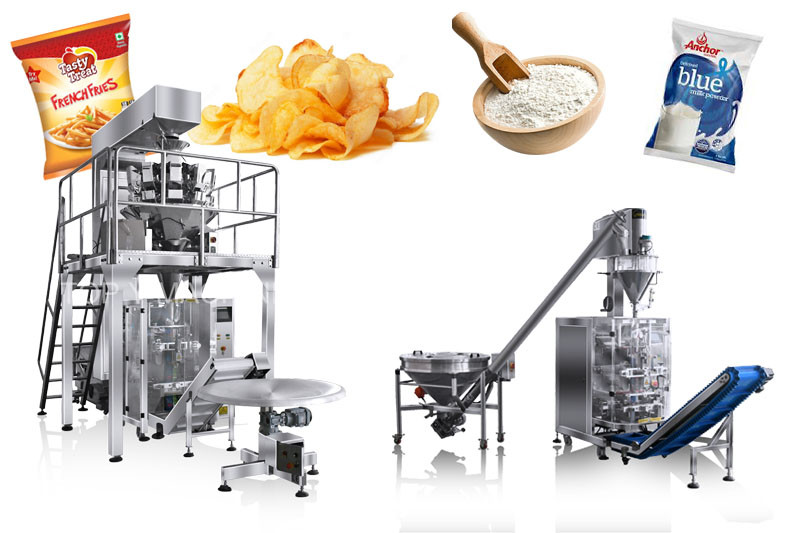
Vertical Form Fill Seal (VFFS) Machines: High-Speed Solutions for Coffee Beans and Coffee Powder
Vertical Form Fill Seal (VFFS) machines are a popular choice in the coffee industry for their speed and efficiency. These machines create the bag, fill it with product, and seal it in a continuous vertical motion. A roll of film is formed into a tube, the bottom is sealed, the product is dropped in, and the top is sealed to complete the package.
VFFS systems are highly versatile and can handle both whole beans and ground coffee. They are ideal for producing common bag styles like pillow bags and gusseted bags. For businesses with medium to high production demands, a VFFS Food Packaging Coffee Bean Coffee Powder Quad Seal Automatic Packing Machine offers a robust solution for creating professional, durable packaging at a high rate of speed. Their efficiency makes them a cornerstone of many large-scale coffee packaging operations.
Horizontal Form Fill Seal (HFFS) Machines: Ideal for Single-Serve or Delicate Coffee Packaging
Horizontal Form Fill Seal (HFFS) machines operate on a similar principle to VFFS but do so horizontally. These machines are often used for packaging items that are best handled flat, such as single-serve coffee pods, filter packs, or small, delicate pouches.
HFFS machines are also proficient at creating stand-up pouches with zippers or other re-sealable features, which are difficult to produce on a VFFS line. While typically not as fast as their vertical counterparts, HFFS machines offer greater flexibility for creating unique and convenient packaging formats that appeal to modern consumers.
Pouch Filling and Sealing Machines: Flexibility and Premium Presentation for Your Coffee Products
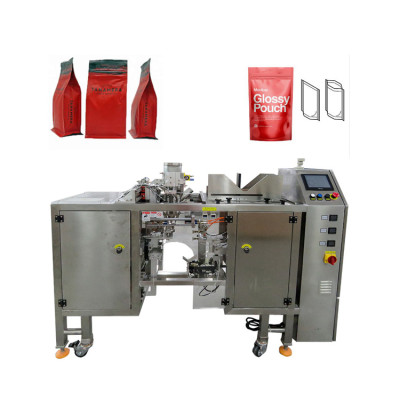
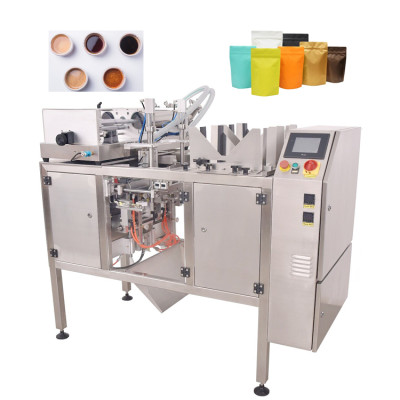
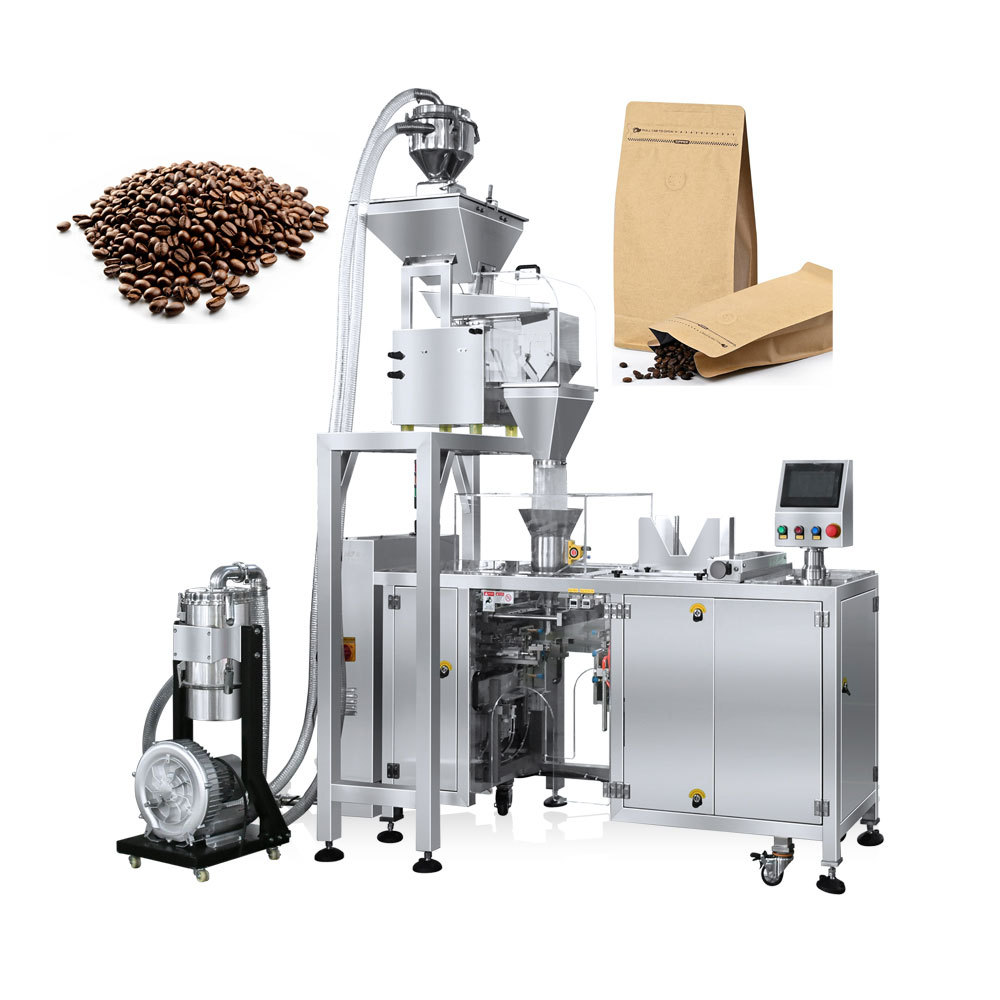
Unlike VFFS and HFFS machines that create bags from a roll of film, pouch filling and sealing machines work with pre-made bags. This approach is perfect for brands that want to use high-quality, pre-printed stand-up pouches (like Doypacks), which offer a premium look and feel on the retail shelf.
These machines automate the process of opening, filling, and sealing the pre-made pouches. They are incredibly flexible, allowing for easy changeovers between different bag sizes and styles. For businesses prioritizing brand presentation and shelf appeal, a Granule Doypack Packaging Machine is an excellent choice. Top-tier suppliers offer comprehensive solutions, as seen with Top Y Foshan Packing Machine Manufacturers Price Coffee Beans Granule Premade Zipper Bag Doypack Packaging Machines, which cater specifically to coffee beans and other granular products in zippered Doypack bags.
Can Filling Machines: Extended Shelf Life and Robust Protection for Commercial Coffee Ventures
For the ultimate in protection and shelf life, can filling machines are the gold standard. Metal or composite cans provide a rigid structure and an almost perfect barrier against oxygen, moisture, and light. This packaging format is often used for large-scale commercial distribution and for products intended to have a very long shelf life.
Can filling lines are complex systems that often include nitrogen flushing. This process involves purging the can of oxygen and replacing it with inert nitrogen gas just before sealing. This dramatically slows down the staling process, preserving the coffee's flavor for months or even years. While the initial investment is significant, can filling offers unparalleled product protection.
Filling Technologies for Coffee: Precision and Efficiency in Your Coffee Beans and Coffee Powder Packing Machine
The filler is the heart of your packing machine. It is the component responsible for measuring the precise amount of coffee that goes into each package. The right filling technology ensures accuracy, minimizes product waste (giveaway), and maintains the integrity of your coffee. The choice between volumetric, weigh, and auger fillers depends almost entirely on your product form—whole bean or ground.
Volumetric Fillers: Economical Solutions for Whole Coffee Beans
Volumetric fillers measure product by volume, not weight. They are a simple, fast, and cost-effective solution for products with a consistent density and particle size.
Cup Fillers: Simple and Cost-Effective for Consistent Coffee Bean Sizes
The most common type of volumetric filler is the cup filler. This device uses a set of cups of a fixed volume. As the cups rotate, they are filled with product from a hopper and then dispense it into the package. Because of their mechanical simplicity, cup fillers are reliable and easy to maintain.
They are best suited for whole coffee beans, where the size and density are relatively uniform. However, they are not recommended for ground coffee or for products where weight accuracy is the absolute top priority, as natural variations in density can lead to slight inconsistencies in the final package weight.
Weigh Fillers: Achieving Superior Accuracy for Your Coffee Beans and Coffee Powder
Weigh fillers, also known as net weigh fillers, measure the product by weight before dispensing it into the package. This method is far more accurate than volumetric filling, as it is unaffected by variations in product density. For a premium product like coffee, where accuracy translates directly to profitability and customer consistency, weigh fillers are often the preferred choice for both beans and coarse-ground powder. There are several types of weigh filling systems.
Multi-Head Weighers: High-Speed Precision for Optimal Coffee Packaging
A multi-head weigher is the pinnacle of speed and accuracy. It uses multiple weighing heads (typically 10 to 24) to create precise product charges. A computer algorithm calculates the best combination of heads to open to achieve the target weight with minimal error.
These machines are incredibly fast and can handle high production volumes with an accuracy that volumetric fillers cannot match. They are ideal for packaging whole bean coffee, minimizing product giveaway and ensuring every bag meets its labeled weight. The investment in a multi-head weigher pays off through reduced waste and consistent quality.
Linear Combination Weighers: Versatile and Accurate Filling for Various Coffee Products
Linear weighers operate on a similar principle to multi-head weighers but are arranged in a straight line. They typically have fewer heads (from 1 to 4) and are generally slower than multi-head systems. However, they still provide excellent accuracy and are more affordable.
Linear weighers are a versatile option for small to medium-sized businesses that need better accuracy than a volumetric filler but do not require the high speeds of a multi-head weigher. They can handle whole beans and some coarser ground coffees effectively.
Auger Fillers: Specialized for Fine Coffee Powder Packaging, Minimizing Dust and Clumping
As mentioned earlier, auger fillers are the essential solution for packaging fine and dusty powders like ground coffee. The auger is a large screw that rotates within a funnel. The number and speed of the rotations determine the amount of product dispensed.
This mechanism provides excellent control over non-free-flowing powders. It helps to move the product smoothly, prevent bridging (where product gets stuck in the hopper), and manage dust. High-quality auger fillers also feature agitation systems to keep the coffee powder at a consistent density, further improving accuracy. For any business packaging espresso or other fine-ground coffees, an auger filler is not just an option—it is a necessity.
Key Considerations When Selecting Your Coffee Beans and Coffee Powder Packing Machine
Choosing a packing machine is a significant investment that goes beyond matching product to technology. You must also consider your business's operational reality, including production capacity, bag style, budget, and long-term goals. A holistic approach will ensure you select a machine that serves you well for years to come.
Production Capacity: Scaling Your Coffee Beans and Coffee Powder Packing Machine to Meet Demand
Your machine's speed, measured in bags per minute (BPM), must align with your production needs. A small startup might only require a machine that produces 10-20 BPM, whereas a large commercial roaster may need a system capable of 60-100 BPM or more.
It's crucial to think not only about your current demand but also your projected growth. Investing in a machine with slightly more capacity than you currently need can save you from a costly upgrade in the near future. Consider a machine that can be upgraded or that operates efficiently at a range of speeds.
Bag Style and Material: Influencing the Choice of Your Coffee Beans and Coffee Powder Packing Machine
The type of bag you want to use will significantly narrow down your machine options.
- Pillow Bags and Gusseted Bags: These are economically produced on VFFS machines.
- Quad Seal Bags and Flat Bottom Bags: These offer better shelf presence and are made on more advanced VFFS machines.
- Stand-Up Pouches (Doypacks): These premium bags require a pouch filling and sealing machine or a specialized HFFS machine.
The packaging material—whether it's a simple laminate, a high-barrier foil, or a recyclable film—also matters. Your chosen machine must be able to properly handle and seal the material without compromising its integrity.
Accuracy and Efficiency: Optimizing Your Investment in a Coffee Beans and Coffee Powder Packing Machine
Accuracy is directly tied to profitability. Overfilling bags, even by a few grams, can result in significant product giveaway and financial loss over time. A weigh filler reduces this waste, offering a rapid return on investment.
Efficiency encompasses more than just speed. Consider factors like changeover time (how long it takes to switch between different products or bag sizes), ease of cleaning, and maintenance requirements. A machine that is quick to change over and easy to clean will have less downtime, maximizing your production hours.
Automation Level: Manual, Semi-Automatic, or Fully Automatic for Your Coffee Beans and Coffee Powder Packing Machine
Coffee packing machines are available in various levels of automation:
- Manual: The operator handles most of the process, from placing the bag to activating the fill and seal. This is only suitable for very small, boutique operations.
- Semi-Automatic: The machine handles the filling and sealing, but an operator is still needed to present each bag. This is a good entry point for small businesses.
- Fully Automatic: The entire process, from bag forming to filling, sealing, and date coding, is automated. This is the standard for any business looking to scale and achieve high efficiency and consistency.
Integration with Upstream/Downstream Equipment: Creating a Seamless Coffee Packaging Line
Your packing machine does not exist in a vacuum. It must work in harmony with the rest of your production line.
- Upstream: Consider how coffee will be fed into the packing machine. Will it come from a roaster, a grinder, or a storage hopper? You'll need compatible conveyors or elevators.
- Downstream: What happens after the bag is sealed? You may need to integrate checkweighers (to verify weight), metal detectors, date coders, case packers, and palletizers.
A seamless, integrated line is far more efficient than a collection of standalone machines.
Food Safety and Hygiene: Ensuring Compliance and Product Quality for Your Coffee Beans and Coffee Powder
As a food product, coffee packaging must adhere to strict hygiene and safety standards. The machinery you choose should be designed with this in mind. Look for features like:
- Stainless Steel Construction: Most food-grade machines use 304 stainless steel for product-contact parts.
- Easy-to-Clean Design: Smooth welds, minimal crevices, and tool-free removal of parts for cleaning are crucial to prevent product buildup and bacterial growth.
- Enclosed Systems: Especially for ground coffee, enclosed systems help to control dust, keeping the work environment cleaner and safer.
Budget: Balancing Initial Costs with Long-Term Value for Your Coffee Beans and Coffee Powder Packing Machine
The price of a coffee packing machine can range from a few thousand dollars for a simple semi-automatic model to hundreds of thousands for a high-speed, fully integrated line. While the initial cost is a major factor, it's essential to consider the Total Cost of Ownership (TCO).
TCO includes the initial purchase price plus ongoing costs like maintenance, spare parts, and labor, balanced against savings from reduced product giveaway and increased efficiency. A cheaper machine that is inaccurate or unreliable may cost you more in the long run.
Choosing the Right Coffee Packaging for Your Coffee Beans and Coffee Powder: Beyond the Machine
The package itself is your final handshake with the consumer. It protects the product, communicates your brand's identity, and provides convenience.
Freshness, Shelf Appeal, and Brand Messaging: Critical Elements of Coffee Packaging
Your packaging is a silent salesperson on the shelf. High-quality graphics, unique bag shapes, and clear messaging can capture a customer's attention. But beyond aesthetics, the packaging must perform its primary function: keeping the coffee fresh. This means selecting materials with a high barrier to oxygen and moisture and, for roasted beans, incorporating a degassing valve. The design and the functional elements must work together to convey a message of quality and care.
Consumer Convenience and Sustainability in Coffee Packaging Materials
Modern consumers value convenience and sustainability. Features like re-sealable zippers or tin ties allow customers to keep their coffee fresh after opening. Meanwhile, there is a growing demand for environmentally friendly packaging. Explore options like recyclable or compostable films. While these materials can present new challenges for sealing, many modern packing machines are being adapted to handle them effectively. Offering a sustainable option can be a powerful differentiator for your brand.
Frequently Asked Questions (FAQ)
1. What is a degassing valve and why is it so important for coffee packaging? A degassing valve is a small, one-way vent applied to a coffee bag. After roasting, coffee beans release a significant amount of carbon dioxide (CO2). If sealed in a completely airtight bag, this gas buildup could cause the bag to burst. The valve allows this CO2 to escape without letting oxygen—which causes staling—to enter. It is essential for maintaining the freshness and flavor profile of roasted coffee beans.
2. What is the main difference in packaging ground coffee versus whole bean coffee? The primary difference lies in the filling technology required. Whole bean coffee is typically free-flowing and can be accurately packaged using a weigh filler (like a multi-head or linear weigher). Ground coffee, especially fine grinds, is dusty, less free-flowing, and prone to clumping. It requires a specialized auger filler, which uses a screw mechanism to dispense the powder accurately and control dust.
3. How much does a coffee packing machine typically cost? The cost varies dramatically based on type, speed, and automation level. A simple, semi-automatic machine for a small startup might cost between $5,000 and $15,000. A fully automatic VFFS system for a mid-sized business could range from $40,000 to $90,000. High-speed, fully integrated lines with multi-head weighers and downstream equipment can easily exceed $150,000. It's crucial to balance the initial investment with the long-term return from efficiency and accuracy.
4. Can I use one machine to package both whole beans and ground coffee? Yes, it is possible, but it requires a machine with interchangeable filling systems. You would need a weigh filler for the whole beans and a separate auger filler for the ground coffee. The machine's design would need to allow for a relatively quick and easy changeover between these two filler types. This adds to the machine's complexity and cost but can be a practical solution for businesses that need to package both product forms.
5. What is nitrogen flushing and do I need it for my coffee? Nitrogen flushing is the process of purging oxygen from the package and replacing it with inert nitrogen gas just before the final seal. Oxygen is the enemy of fresh coffee, as it causes oxidation, which leads to stale, flat flavors. By removing oxygen, nitrogen flushing can dramatically extend the shelf life of coffee, preserving its delicate aromas and flavors for months. It is highly recommended for any brand that wants to ensure the highest possible product quality, especially for coffee distributed over a wide geographic area or with a longer expected time on the shelf.
Conclusion
Selecting the ideal coffee beans and coffee powder packing machine is a strategic decision that impacts product quality, operational efficiency, and ultimately, your brand's success. By carefully considering your specific product types, desired output, and budget, you can make an informed choice that propels your coffee business forward. From understanding the nuances of packaging roasted beans versus fine powder to choosing between a high-speed VFFS line or a flexible pouch filler, every detail matters.
If you're seeking a reliable partner for your coffee packaging needs, consider professional food packaging machine manufacturers. A leading manufacturer can offer a diverse range of innovative and high-quality coffee beans and coffee powder packing machines designed to meet the rigorous demands of the coffee industry. The right partner is here to help you navigate the options and find the perfect packing solution for your unique requirements.