How a Pet Food Packing Machine Optimizes Peak Season Production
As a pet food manufacturer, I understand the immense pressure of peak seasons. The demand for our beloved companions' nutrition skyrockets, and meeting that demand efficiently without compromising quality is a significant challenge. This is where a specialized Pet food packing machine becomes our greatest asset. It's not just about filling bags; it's about strategic optimization to ensure smooth operations, consistent product quality, and ultimately, happy pets and pet parents. In this blog post, I'll share how a pet food packing machine can revolutionize your peak season production, drawing on insights from the latest industry trends and technological advancements.
Understanding Peak Season Demands and the Role of a Pet Food Packing Machine
The pet food industry experiences significant fluctuations in demand, with peak seasons often tied to holidays, seasonal changes, and promotional events. During these periods, production facilities are pushed to their limits. A thorough understanding of these demands and the strategic role that packaging automation plays is crucial for any manufacturer looking to thrive, not just survive. It's about transforming a period of stress into a period of profitable, streamlined output.
Identifying Peak Season Challenges in Pet Food Production
Navigating the complexities of peak season requires a proactive approach. The surge in orders brings a unique set of challenges that can strain manual or semi-automated production lines, potentially leading to bottlenecks, quality control oversights, and increased operational costs. Recognizing these hurdles is the first step toward implementing effective solutions.
High Volume and Diverse Product Lines
During peak seasons, the sheer volume of orders can be overwhelming. Not only does the quantity increase, but the variety of products demanded often expands as well. Consumers may be purchasing larger bags of their usual kibble, while also stocking up on specialty treats, life-stage specific formulas, and different protein varieties. This creates a complex production puzzle, where manufacturers must quickly switch between different product types, bag sizes, and packaging materials without sacrificing speed or accuracy. Managing this high-mix, high-volume environment with manual processes is a recipe for inefficiency, leading to costly downtime during changeovers and a higher risk of human error.
Maintaining Quality and Freshness Under Pressure
When production lines are running at maximum capacity, maintaining stringent quality standards becomes a paramount challenge. The pressure to meet deadlines can create temptations to cut corners, but the integrity of the product must never be compromised. This includes ensuring each bag is filled to the correct weight, sealed perfectly to lock in freshness and prevent contamination, and accurately labeled with batch codes for traceability. Freshness is a key purchasing driver for pet owners, who expect the product to be as fresh as the day it was made. Under the strain of peak demand, a single faulty seal or an inaccurate weight can lead to spoiled product, customer complaints, and damage to the brand's reputation.
How a Pet Food Packing Machine Addresses These Challenges
This is precisely where modern automation steps in. An advanced pet food packing machine is engineered to directly counter the challenges of peak season, turning potential chaos into a symphony of efficiency and precision. By taking over repetitive, labor-intensive tasks, these machines free up human capital to focus on more strategic, value-added activities.
Boosting Efficiency and Output
The most immediate and impactful benefit of a dedicated packing machine is a dramatic increase in throughput. Automated systems can fill, weigh, and seal bags at a speed and consistency that is simply unattainable through manual labor. This allows for a continuous, high-speed flow of products, significantly increasing the number of units produced per hour. This enhanced output directly translates to the ability to fulfill a higher volume of orders during peak times, capturing maximum revenue and market share. Furthermore, a reliable partner like a TOP Y MACHINERY MANUFACTURER can provide equipment designed for rapid changeovers, minimizing downtime and maximizing operational uptime.
Ensuring Product Quality and Safety
Automated packing solutions offer unparalleled precision, which is critical for quality assurance. Integrated weighing systems ensure that each bag meets the exact weight specifications, reducing product giveaway and ensuring regulatory compliance. Advanced sealing technology creates strong, consistent seals that protect the product from oxygen, moisture, and pests, thereby extending shelf life and preserving nutritional value. Moreover, automated systems can integrate with quality control modules like metal detectors and checkweighers, as well as printers for applying date and lot codes. This not only enhances food safety but also creates a robust traceability system, which is essential for quick and effective action in the event of a product recall.
Automating for Success: Advanced Features of a Modern Pet Food Packing Machine
The transition to automation is more than just replacing manual labor with a machine; it's about embracing a suite of advanced technologies designed to elevate every aspect of the packaging process. Modern pet food packing machines are sophisticated systems that incorporate cutting-edge engineering to deliver precision, speed, and reliability. These features are the building blocks of a successful peak season strategy.
Key Automation Technologies in Pet Food Packing Machines
Today's packing machines are intelligent, integrated systems. They combine mechanical precision with smart technology to create a seamless workflow from product infeed to the final sealed bag. Understanding these core technologies helps in selecting a machine that is perfectly tailored to your production needs.
Precision Filling and Weighing Systems
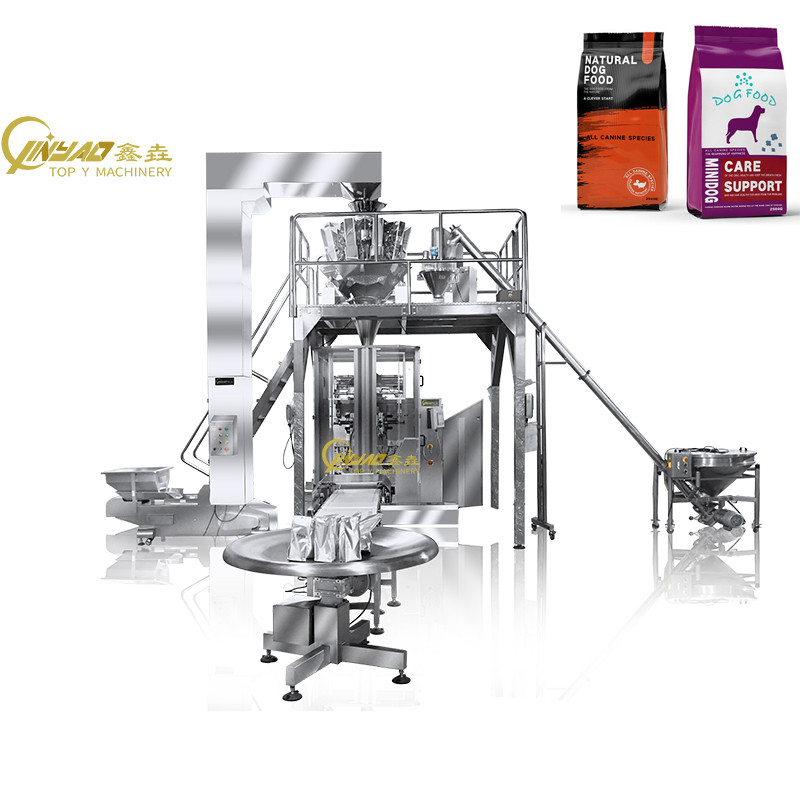
At the heart of any packing line is the filler and weigher. Modern machines utilize multi-head weighers or auger fillers that deliver exceptional accuracy. Multi-head weighers use a series of hoppers to calculate the perfect combination of product to meet the target weight with minimal deviation. This precision is crucial; it prevents costly product "giveaway" from overfilling and ensures customer satisfaction by avoiding underfilled bags. For manufacturers, this means better profit margins and consistent compliance with weights and measures regulations.

High-Speed Bagging and Sealing
Speed is the name of the game during peak season. A modern pet food packing machine is built for velocity, capable of forming, filling, and sealing hundreds of bags per minute depending on the model and product. The sealing process is particularly critical. Advanced systems use precise temperature, pressure, and time controls to create a hermetic seal on every bag. This robust seal is essential for maintaining product freshness, preventing spoilage, and ensuring that the package can withstand the rigors of transportation and handling.
Integrated Quality Control and Traceability
Automation allows for the seamless integration of quality control (QC) checks directly into the packaging line. This can include:
- Checkweighers: To verify the final weight of each packed bag and reject any that are outside the acceptable tolerance.
- Metal Detectors/X-Ray Systems: To scan for and eliminate any potential foreign contaminants, a critical food safety step.
- Vision Systems: To inspect the integrity of the seal, the placement of the label, and the accuracy of the printed codes.
- Automated Coders: To print essential information like "best by" dates, lot numbers, and barcodes, which are vital for traceability and inventory management. This integrated approach ensures that every package leaving the facility meets the highest standards of quality and safety.
Types of Pet Food Packing Machines for Diverse Needs
The pet food market is incredibly diverse, and so are the packaging machines designed to serve it. The choice of machine depends on many factors, including the type of product (kibble, treats, wet food), the desired packaging style, production volume, and budget.
Form-Fill-Seal (VFFS/HFFS) Machines
Vertical Form-Fill-Seal (VFFS) and Horizontal Form-Fill-Seal (HFFS) machines are workhorses of the industry. They create the package, fill it with product, and seal it in one continuous process.
- VFFS Machines: Ideal for loose products like kibble and treats. The machine uses a roll of film to form a tube, seals the bottom, fills it with a precise weight of product, and then seals the top to create the final bag.
- HFFS Machines: Better suited for single-item products or products that need to lie flat, like certain types of dental chews or flat-packed treats.
A more specialized version often used for premium brands is the Quad bag vertical packing machine, which creates a four-corner sealed bag that stands up well on shelves and offers a high-end look.
Premade Pouch and Rotary Packing Machines
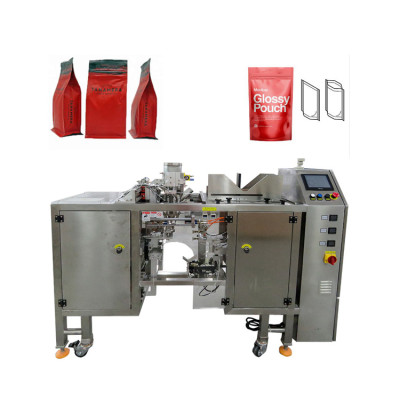
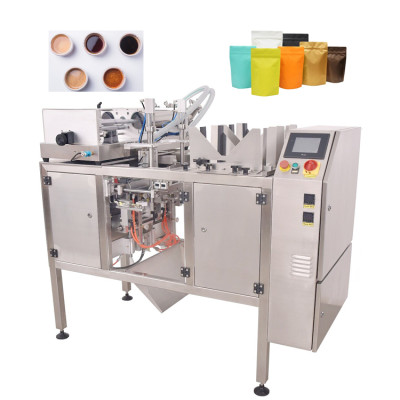
For brands using high-quality, pre-made pouches (such as resealable stand-up pouches), a rotary packing machine is the ideal solution. These machines are designed to automatically pick up a premade pouch, open it, fill it with product, and then seal it. They are highly versatile and can handle a wide range of pouch styles and sizes, making them perfect for brands with a diverse product portfolio that prioritizes premium, shelf-ready packaging.
Specialized Fillers for Wet and Dry Pet Food
The physical properties of the product dictate the type of filler required.
- Dry Food (Kibble): Typically handled by multi-head weighers for their speed and accuracy.
- Wet Food (Canned or Pouch): Requires piston fillers or pump systems that can handle viscous and non-free-flowing products without damaging their texture. These fillers are designed for hygienic operation and easy cleaning to prevent bacterial growth.
Optimizing Your Production Line with a Pet Food Packing Machine
Simply purchasing a pet food packing machine is not the end of the story. To truly unlock its potential, especially during peak season, you must integrate it thoughtfully into your entire production line. Optimization is a holistic process that involves a strategic layout, efficient processes, and a well-trained team.
Streamlining Operations for Maximum Throughput
A machine is only as fast as the processes that support it. To achieve maximum throughput, you need to ensure that product is continuously and efficiently fed to the machine, and that finished packages are quickly moved away for casing and palletizing. Any bottleneck before or after the packing machine will negate its speed advantages.
Efficient Workspace Layouts
The physical layout of your packaging hall has a significant impact on efficiency. A well-designed layout follows a logical, linear flow, minimizing the travel distance for raw materials, finished goods, and personnel. Key considerations include:
- Infeed Logistics: Ensuring there is adequate space and an efficient system (like conveyors or elevators) to supply the packing machine's hopper without interruption.
- Outfeed Management: Designing a clear path for finished bags to move to case packing and palletizing stations, preventing a backlog that could force the packing machine to stop.
- Ergonomics and Safety: Arranging the workspace to be safe and comfortable for operators, with easy access to control panels, maintenance points, and material loading areas.
Flexible Changeovers for Varied Products
Peak season often requires producing a wide variety of SKUs. The time it takes to switch a machine from one product or bag size to another is non-productive downtime. Modern packing machines are designed with "quick changeover" features in mind. These can include:
- Tool-less Adjustments: Components that can be adjusted or replaced without the need for tools.
- Memory-Eñabled Settings: The ability to save and recall machine settings for specific products via the HMI (Human-Machine Interface), automating adjustments for speed, temperature, and bag length.
- Color-Coded Change Parts: Making it simple and intuitive for operators to identify and switch the correct components (like forming tubes or sealing jaws) for a new job. Training your team to perform these changeovers efficiently is just as important as the machine's features.
Proactive Maintenance and Operator Training for Your Pet Food Packing Machine
An automated system is a powerful asset, but it is also a complex piece of machinery that requires care and skilled operation. Investing in maintenance and training is not a cost—it's an insurance policy against costly downtime and a key driver of long-term efficiency.
Importance of Routine Maintenance
Preventive maintenance is always more effective and less expensive than reactive repairs. A breakdown during the height of peak season can be catastrophic to your production schedule. A robust maintenance program should include:
- Daily Checks: Operators should perform simple daily inspections of key components, checking for wear, proper lubrication, and any unusual noises or vibrations.
- Scheduled Servicing: Following the manufacturer's recommendations for regular servicing of motors, belts, blades, and other wear parts.
- Spare Parts Inventory: Keeping a stock of critical spare parts on-site can turn what could be days of downtime into a repair that takes only a few hours.
| Maintenance Task | Frequency | Purpose |
|---|---|---|
| Visual Inspection | Daily | Identify obvious issues like loose bolts or material buildup. |
| Cleaning | End of Shift | Ensure hygiene and prevent product cross-contamination. |
| Lubrication | Weekly | Reduce friction and wear on moving parts. |
| Part Replacement | As per manufacturer | Proactively replace parts known to wear out (e.g., sealing bands, knives). |
| Full Service | Annually | Comprehensive check-up by a qualified technician. |
Empowering Your Team Through Training
Your operators are on the front line of production. A well-trained operator can maximize the performance of your pet food packing machine, spot potential problems before they become critical, and perform basic troubleshooting to minimize downtime. Comprehensive training should cover:
- Machine Operation: Correct start-up, shutdown, and running procedures.
- HMI Navigation: Understanding all the menus and settings on the control panel.
- Changeover Procedures: Efficiently and correctly switching between different jobs.
- Basic Troubleshooting: Identifying and resolving common error messages or simple mechanical issues.
- Safety Protocols: Understanding all the safety features of the machine and working safely around automated equipment.
Empowering your team with this knowledge not only improves efficiency but also increases job satisfaction and gives them a sense of ownership over the production process.
Embracing Sustainability and Innovation with Your Pet Food Packing Machine
In today's market, efficiency and speed are not the only metrics for success. Consumers are increasingly demanding that brands demonstrate a commitment to sustainability. At the same time, the pace of technological innovation continues to accelerate. A forward-thinking approach to your packaging operations involves leveraging your pet food packing machine to meet both of these modern challenges.
Sustainable Packaging Solutions for Pet Food
The conversation around packaging has shifted dramatically. It's no longer just about containment and branding; it's about environmental impact. Choosing sustainable options can be a powerful differentiator for your brand and is becoming a business imperative.
Eco-Friendly Materials and Designs
The push for sustainability has led to a wave of innovation in packaging materials. Manufacturers are now looking beyond traditional multi-layer plastic films. Options include:
- Recyclable Materials: Mono-material structures (e.g., all-PE or all-PP) that are designed to be compatible with existing recycling streams.
- Recycled Content: Packaging that incorporates post-consumer recycled (PCR) materials, helping to close the loop and reduce reliance on virgin plastics.
- Paper-Based Solutions: High-strength papers with barrier coatings that offer a recyclable alternative for some dry products. Your packing machine must be flexible enough to handle these new materials, which may have different properties (e.g., stiffness, sealing temperature) than conventional plastics. When investing in a new machine, it's crucial to discuss its compatibility with the sustainable materials you plan to use now and in the future.
Addressing PFAS Concerns in Pet Food Packaging
A significant concern within food packaging is the use of per- and polyfluoroalkyl substances (PFAS), often known as "forever chemicals." These chemicals have historically been used to provide grease and water resistance. However, due to growing health and environmental concerns, regulations are rapidly changing to restrict or ban their use. Pet food manufacturers must be vigilant in ensuring their packaging is PFAS-free. This involves working closely with packaging suppliers to source compliant materials and having a packing machine with a sealing system that can effectively seal these alternative materials without compromising barrier properties.
Data-Driven Insights and Future-Proofing Your Pet Food Packing Machine Operations
The modern packing machine is more than just a mechanical device; it's a data-generating asset. By harnessing this data, you can move from a reactive to a proactive operational model, continuously improving efficiency and preparing your business for future market shifts.
Leveraging Real-time Data for Efficiency
Many new packing machines are equipped with sensors and are IoT (Internet of Things) ready. This allows them to provide a constant stream of real-time data on key performance indicators (KPIs), such as:
- Overall Equipment Effectiveness (OEE): A metric that combines availability, performance, and quality to give a holistic view of manufacturing productivity.
- Throughput Rates: How many bags are being produced per minute or per hour.
- Downtime Tracking: Automatically logging when and why the machine stopped, helping to identify recurring problems.
- Material Consumption: Tracking the usage of film and product to optimize inventory. Analyzing this data allows managers to identify inefficiencies, predict maintenance needs, and make informed decisions to optimize the entire production line.
Adapting to Evolving Market Trends
The pet food market is dynamic. Trends like the humanization of pets, the demand for novel ingredients, and the growth of e-commerce all impact packaging needs. Future-proofing your operations means choosing a packing machine that is not only efficient today but also flexible enough to adapt to tomorrow's trends. This means prioritizing modular machines that can be upgraded, systems that can handle a wide variety of materials and bag styles, and partners who are committed to innovation and can help you navigate the evolving landscape of pet food packaging.
Key Takeaways
To effectively manage peak season, pet food manufacturers must move beyond traditional production methods and embrace strategic automation. Here's a summary of the essential points to optimize your operations:
- Acknowledge Peak Season Pressures: The primary challenges during high-demand periods are managing immense volume, handling diverse product lines simultaneously, and maintaining strict quality and freshness standards under pressure. Manual or outdated systems often buckle under this strain, leading to bottlenecks and potential quality lapses.
- Embrace Automation as the Solution: A modern Pet food packing machine is the cornerstone of an effective peak season strategy. It directly addresses these challenges by dramatically boosting output efficiency and ensuring consistent product quality and safety through precision engineering.
- Understand Key Technologies: The power of modern packing machines lies in their advanced features. Precision filling and weighing systems minimize product giveaway, high-speed bagging and sealing increase throughput, and integrated quality control and traceability systems protect your brand's reputation and ensure consumer safety.
- Select the Right Machine for Your Needs: The market offers a variety of machine types, from versatile VFFS systems and specialized options like the Quad bag vertical packing machine to pouch-filling machines for premium packaging. The right choice depends on your product type, desired packaging style, and production scale.
- Optimize the Entire Production Line: A packing machine's effectiveness is tied to the entire workflow. This requires an efficient workspace layout to prevent bottlenecks, processes that allow for flexible and quick changeovers, and a commitment to proactive maintenance to prevent costly downtime.
- Invest in Your Team: A well-trained and empowered team is crucial. Comprehensive training on machine operation, troubleshooting, and maintenance transforms your staff from mere operators into proactive partners in production efficiency.
- Future-Proof Your Operations: The industry is constantly evolving. Embrace sustainability by choosing machines compatible with eco-friendly and PFAS-free materials. Leverage data analytics from your equipment to drive continuous improvement and ensure your operations remain agile and adaptable to future market trends. By working with a forward-thinking partner, such as a leading TOP Y MACHINERY MANUFACTURER, you can build a resilient and competitive production line.
Frequently Asked Questions (FAQ)
1. What is the typical ROI for a pet food packing machine?
The Return on Investment (ROI) for a pet food packing machine can be very attractive, but it varies widely based on several factors. Key variables include the initial cost of the machine, your production volume, labor costs, and the level of product giveaway with your current system. Generally, the ROI is calculated by comparing the operational costs before and after automation. The primary savings come from:
- Labor Reduction: Automating the packing process can significantly reduce the need for manual labor, leading to substantial savings in wages, benefits, and training costs.
- Increased Throughput: The ability to pack more products per hour directly translates to higher revenue potential, especially during peak seasons.
- Reduced Product Giveaway: The high accuracy of automated weighers can save thousands of dollars annually by preventing overfilling of bags.
- Minimized Downtime and Waste: A reliable machine with efficient changeovers reduces non-productive time and material waste. Most manufacturers find that the investment pays for itself within 1 to 3 years. To get a precise ROI calculation, it's best to conduct a detailed audit of your current costs and consult with machine suppliers who can provide specific performance data.
2. How do I choose the right packing machine for a small to medium-sized business (SMB)?
For an SMB, the key is to balance investment cost with future growth potential. You don't want a machine that you will outgrow in a year. Here's a practical approach:
- Start with Your Product and Packaging: What are you packing (kibble, treats)? What kind of bag do you want (pillow bag, stand-up pouch)? This is the most crucial deciding factor.
- Assess Your Current and Projected Volume: Be realistic about your current output and your growth goals for the next 3-5 years. Look for a machine whose speed range brackets your needs.
- Prioritize Flexibility: SMBs often have diverse product lines. A machine with fast, easy changeovers is invaluable. Look for features like tool-less adjustments and recipe memory on the HMI.
- Consider Footprint: Factory space is often a premium. A machine with a compact footprint, like a vertical form-fill-seal (VFFS) machine, is often a good choice for smaller facilities.
- Look for Entry-Level Automation: You may not need the fastest, most complex machine on the market. Many manufacturers offer reliable, semi-automated or entry-level fully automated systems that provide a significant step up from manual packing without the highest capital expenditure.
3. What are the most critical maintenance steps to prevent downtime during peak season?
Preventing downtime during your busiest period is all about proactive, preventive maintenance. The most critical steps are:
- Adhere to a Strict Lubrication Schedule: Moving parts need proper lubrication to function without fail. Follow the manufacturer's recommended schedule and use the correct type of food-grade lubricant.
- Routinely Inspect and Replace Wear Parts: Components like sealing jaws, knives, and belts are designed to wear out over time. Don't wait for them to fail. Inspect them daily or weekly and replace them proactively based on the manufacturer's guidelines. Keeping a "critical spares kit" on-site is essential.
- Keep the Machine Clean: Product dust and debris can build up and interfere with sensors, clog moving parts, and create fire hazards. Institute a rigorous cleaning protocol at the end of each shift or day.
- Train Operators on "First-Line" Maintenance: Empower operators to perform daily checks, identify unusual sounds or vibrations, and handle minor issues. They are your first defense against a major breakdown. Documenting a pre-flight checklist for operators to run before each shift can formalize this process and catch problems early.
Investing in the right pet food packing machine is more than just a purchase; it's a strategic move towards a more efficient, sustainable, and profitable future for your business. By understanding peak season demands, embracing automation, and prioritizing sustainability, we can ensure our operations run smoothly, allowing us to consistently deliver high-quality pet food to the market. Let's empower our production lines with the best pet food packing machine solutions available, turning every peak season into a period of seamless success.