How Sea Salt Packing Machines Optimize Packaging Efficiency
How Sea Salt Packing Machines Optimize Packaging Efficiency
Introduction
As global demand for sea salt continues to grow across food processing, seasoning production, retail packaging, and industrial applications, manufacturers are seeking more efficient ways to package their products while maintaining quality and consistency.
Manual packaging methods often struggle to meet modern production requirements due to labor costs, inconsistent filling accuracy, and limited output capacity. This is where sea salt packing machines become essential. By automating the packaging process, businesses can significantly improve productivity, reduce waste, and enhance product presentation.
In this article, we explore how sea salt packing machines optimize packaging efficiency and why investing in automated packaging technology can benefit your business.
Challenges of Manual Sea Salt Packaging
Sea salt presents several packaging challenges:
- Fine granules can create dust during filling.
- Product flowability varies depending on moisture content and grain size.
- Accurate weight control is critical for retail and commercial packaging.
- High production volumes require consistent packaging speed.
- Labor-intensive operations increase production costs.
Manual packaging often results in inconsistent bag weights, slower output, and greater material waste, ultimately affecting profitability.
How Sea Salt Packing Machines Improve Efficiency
1. High-Speed Automated Filling
Modern sea salt packing machines are designed for continuous operation with minimal human intervention.
Depending on the machine configuration, production speeds can range from:
- 20–60 bags per minute for larger pouch sizes
- 60–120 bags per minute for small sachets and retail packages
Automated feeding, weighing, filling, and sealing processes eliminate bottlenecks and significantly increase production capacity.
2. Accurate Weighing Reduces Product Waste
Overfilling may seem minor, but it can lead to substantial product loss over thousands of bags.
Sea salt packing machines typically utilize:
- Multi-head weighers
- Linear weighers
- Auger fillers (for fine powder-like salt)
Advanced weighing systems ensure consistent filling accuracy, helping manufacturers reduce giveaway and improve profitability.
3. Consistent Package Quality
Customers expect professionally packaged products with uniform appearance.
Automated packaging systems provide:
- Consistent bag dimensions
- Reliable seal integrity
- Professional printing and coding integration
- Reduced packaging defects
Uniform packaging improves shelf appeal and strengthens brand image.
4. Lower Labor Costs
Traditional packaging lines often require multiple workers for:
- Weighing
- Filling
- Bag handling
- Sealing
- Quality inspection
An automated sea salt packing machine can replace several manual operations, allowing manufacturers to optimize workforce allocation and reduce labor expenses.
5. Enhanced Production Hygiene
Food-grade sea salt packaging requires strict hygiene standards.
Automated systems help minimize:
- Direct product handling
- Cross-contamination risks
- Dust exposure
- Human error
Machines manufactured with stainless steel contact parts further support food safety compliance and simplify cleaning procedures.
6. Flexible Packaging Options
Sea salt products are sold in various packaging formats, including:
- Stand-up pouches
- Zipper pouches
- Pillow bags
- Quad seal bags
- Sachets
- Paper bags
Modern packing machines can accommodate multiple bag styles and sizes, enabling manufacturers to respond quickly to changing market demands.
Key Components of a Sea Salt Packaging Line
A complete sea salt packaging solution may include:
Product Feeding System
Conveys sea salt from storage hoppers to the weighing system.
Weighing Machine
Provides accurate dosing according to target package weight.
Packaging Machine
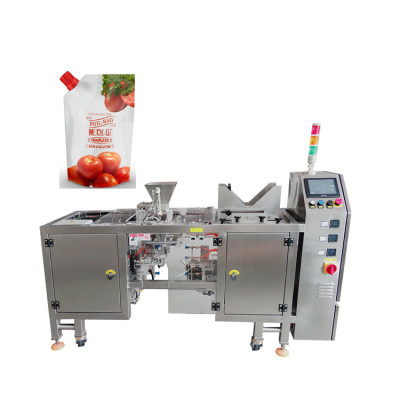
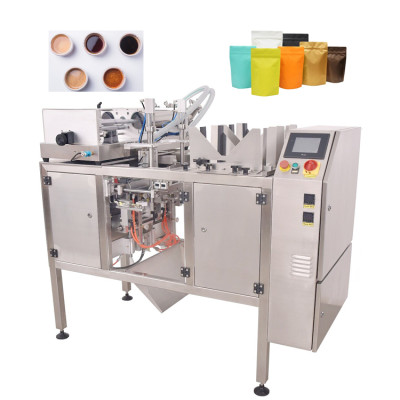
Forms, fills, and seals bags automatically.
Metal Detector
Ensures product safety by identifying foreign contaminants.
Check Weigher
Verifies final package weight for quality assurance.
Finished Product Conveyor
Transfers completed packages to secondary packaging or palletizing stations.
Integrating these components creates a highly efficient and automated packaging workflow.
Benefits for Sea Salt Manufacturers
By implementing automated packaging technology, manufacturers can achieve:
✓ Higher production output
✓ Improved filling accuracy
✓ Reduced product waste
✓ Lower labor costs
✓ Better packaging consistency
✓ Enhanced food safety standards
✓ Greater operational flexibility
✓ Faster return on investment
These advantages help companies remain competitive in increasingly demanding markets.
Choosing the Right Sea Salt Packing Machine
When selecting a sea salt packaging machine, consider:
- Production capacity requirements
- Salt particle size and characteristics
- Packaging format preferences
- Desired automation level
- Future expansion plans
Working with an experienced packaging machinery supplier ensures that the equipment is properly configured for your specific production needs.
Conclusion
Sea salt packing machines play a crucial role in modern packaging operations by increasing speed, improving accuracy, reducing labor dependency, and ensuring consistent package quality. As demand for packaged sea salt products continues to grow, investing in an automated packaging solution can significantly enhance manufacturing efficiency and profitability.
Whether you are packaging fine sea salt, coarse sea salt, flavored salt blends, or industrial-grade salt products, the right packaging machine can help streamline production while maintaining the highest quality standards.
Looking for a reliable sea salt packing solution? Contact our team today to discuss a customized packaging system tailored to your production requirements.