How Automated Dried Fruit Packing Machines Revolutionize Efficiency
The world of dried fruits is booming, and getting these delicious and healthy snacks to consumers quickly and safely is more important than ever. As a result, the industry is experiencing a significant shift towards automated packing solutions. These advanced systems are fundamentally changing how dried fruits are weighed, packaged, and prepared for our enjoyment. Today, we'll explore how automated dried fruit packing machines are truly revolutionizing efficiency in this exciting and growing industry.
Key Takeaways
- Rising Demand for Healthy and Convenient Snacks: The dried fruit market is expanding rapidly, driven by consumer demand for nutritious, on-the-go food options. Busy lifestyles and a greater focus on health are pushing the "snackification" trend, where smaller, healthier meals replace traditional ones.
- Automation as an Efficiency Driver: Automated packing machines are essential for meeting this demand. They significantly increase production speed, reduce labor costs, improve accuracy, and enhance food safety by minimizing human contact.
- Essential Machine Features: Top-tier machines offer versatility to handle various products and packaging types, high-speed operation, and features that preserve freshness, such as Modified Atmosphere Packaging (MAP). They also support sustainability by working with eco-friendly materials.
- The Popularity of Doy Packs: Stand-up pouches, or Doy packs, are a preferred packaging format due to their consumer-friendly features like resealability, shelf stability, and excellent branding potential.
- Strong Return on Investment (ROI): Investing in automation provides a clear financial advantage by cutting operational costs through reduced labor and material waste, while simultaneously boosting production output and preparing businesses for future market growth.
The Evolving World of Dried Fruit and Automated Dried Fruit Packing Machines
The dried fruit industry is at a fascinating crossroads, shaped by powerful consumer trends and the relentless pace of technological innovation. As people's eating habits change, the way these healthy snacks are prepared, packaged, and brought to market must also evolve. This has created the perfect environment for automation to take center stage, addressing new challenges and unlocking unprecedented opportunities for growth and efficiency.
Meeting New Snacking Habits
Today's consumers are increasingly health-conscious and time-poor. This has fueled a massive shift in eating habits, with traditional three-meal-a-day schedules giving way to "snackification"—the practice of eating smaller, more frequent meals throughout the day. A 2024 survey highlighted this trend, revealing that 56% of Americans replaced traditional meals with snacks or smaller meals in the past year. The global healthy snacks market is booming, with projections showing it could reach over $152 billion by 2030.
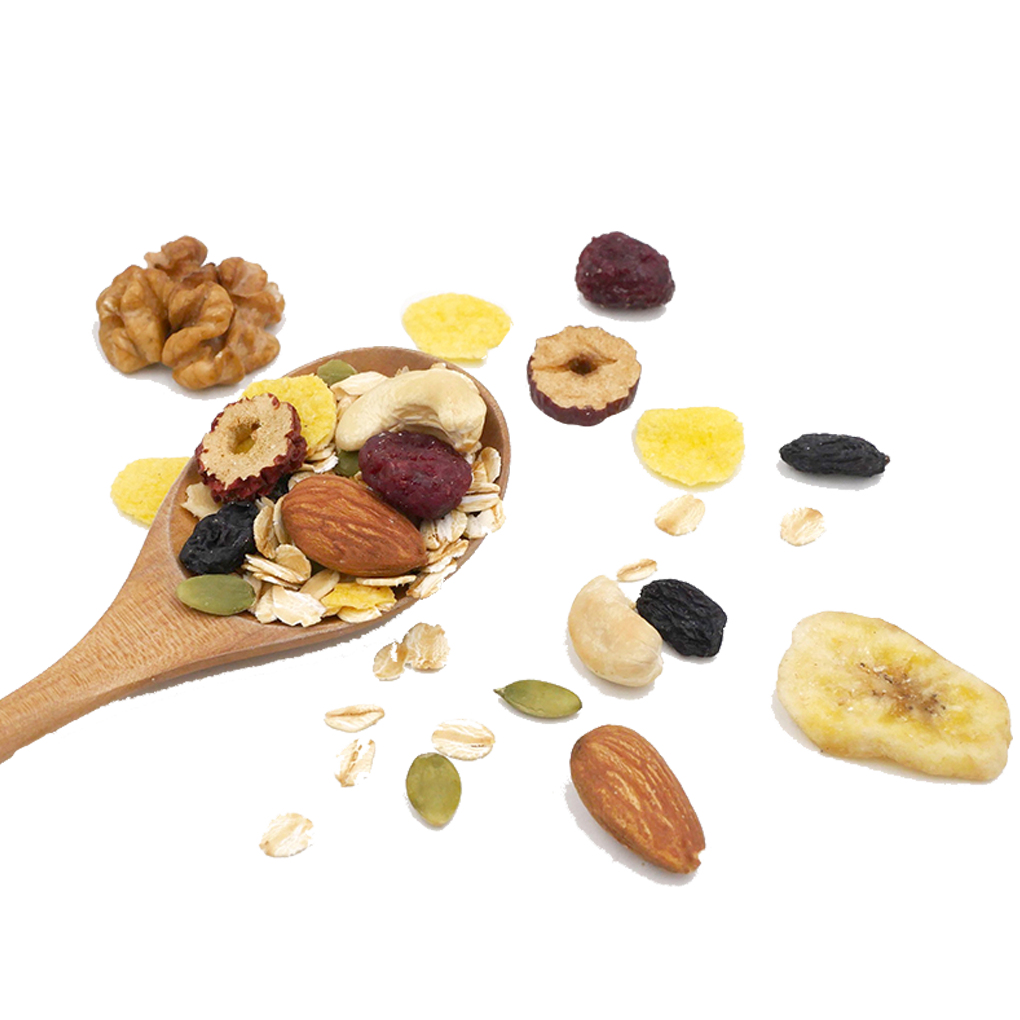
Dried fruits are perfectly positioned to meet this demand. They are recognized as nutrient-dense snacks rich in vitamins, fiber, and antioxidants, making them a popular choice for health-conscious individuals. The U.S. dried fruits market alone is projected to grow from around $2 billion in 2023 to over $3.4 billion by 2032. This demand is driven by several key factors:
- Health and Wellness: Consumers are actively seeking snacks that offer functional benefits and contribute to their nutritional intake. There is a strong preference for clean-label products with few, natural ingredients, which aligns perfectly with the wholesome appeal of dried fruit.
- Convenience: In our fast-paced world, portability and ease of consumption are paramount. A staggering 91% of consumers prioritize convenience when choosing healthy snacks. Dried fruits, with their long shelf life and no need for refrigeration, are an ideal grab-and-go option.
- Generational Shifts: Younger generations like Gen Z and Millennials are major drivers of the snacking trend, often seeking new flavors and products that fit their active lifestyles.
This surge in demand creates a significant challenge for producers: how to get high-quality dried fruits to a larger market, faster, without compromising on safety or freshness.
Why Automation is Key
Meeting the modern consumer's expectations with traditional, manual packaging methods is nearly impossible. Manual processes are fraught with limitations that hinder a business's ability to scale and compete effectively. These challenges include:
- Inconsistent Speed and Output: Human labor is inherently variable, leading to fluctuating production rates and an inability to consistently meet high demand.
- Higher Labor Costs and Scarcity: Manual packaging requires a significant workforce, leading to high labor costs. Furthermore, finding and retaining workers for repetitive tasks in a factory setting can be difficult.
- Risk of Human Error: Manual weighing and packing can lead to inaccuracies, resulting in product giveaway (overfilled bags) or underweight packs, both of which impact profitability and consumer trust.
- Increased Contamination Risk: More human handling of the product increases the chances of cross-contamination and microbial growth, posing a food safety risk. Automated systems minimize human contact, dramatically lowering this risk.
This is where automation becomes indispensable. Automated food packaging technology uses machinery and robotics to streamline the entire process, from filling and sealing to labeling and palletizing. The benefits are transformative, directly addressing the shortcomings of manual labor. Automation introduces a level of precision, speed, and consistency that human hands cannot replicate. By taking over repetitive tasks, these machines boost productivity, reduce operational costs, and enhance product quality, making automation not just an advantage but a strategic necessity for success in the modern food industry.
Essential Features of Top-Tier Automated Dried Fruit Packing Machines
As the dried fruit market continues its upward trajectory, the technology behind packaging these products has become increasingly sophisticated. For businesses looking to invest in automation, understanding the critical features of a high-quality Dried fruit packing machine is essential. The best systems are not just about speed; they offer a blend of versatility, precision, and preservation technology that protects the product from the factory to the consumer's pantry.
Versatility and Speed
The modern dried fruit market is diverse, including everything from raisins and apricots to more delicate items like dried mango slices and berries. A top-tier packing machine must be versatile enough to handle this variety. This means being able to process products of different sizes, shapes, and textures without causing damage.
Key features that enable this versatility include:
- Multi-Head Weigher Technology: This is the heart of a modern automated packing system. A multi-head weigher uses multiple weighing buckets (from 10 to 32 or more) to divide the product into smaller portions. A computer then calculates the best combination of these portions to achieve a target weight with incredible accuracy. This technology is ideal for the varied and irregular shapes of dried fruits, ensuring minimal product giveaway and consistent package weights.
- Quick Changeover Capabilities: Businesses often need to switch between different products or package sizes multiple times a day. Modern machines feature modular designs and user-friendly interfaces (like a PLC touch screen) that allow for fast and easy adjustments. This minimizes downtime and maximizes production flexibility, a crucial advantage in a fast-moving market.
- Packaging Format Flexibility: A superior machine isn't limited to one type of bag. It should be able to handle various packaging formats, such as pillow bags, gusseted bags, quad-seal bags, and popular stand-up pouches (Doy packs). This adaptability allows businesses to meet diverse retail and consumer demands.
Speed is just as critical as versatility. High-speed machines can process hundreds of packs per minute, dramatically increasing throughput compared to manual or semi-automated methods. This is achieved through advanced servo-driven systems that ensure fast, stable, and reliable operation. This high-speed capability allows producers to meet large orders, reduce lead times, and scale their operations efficiently.
Keeping Dried Fruit Fresh and Green
The quality of dried fruit is primarily defined by its taste, texture, and nutritional value. However, these qualities are vulnerable to environmental factors like moisture, oxygen, and light, which can lead to spoilage, rancidity, and loss of flavor. Advanced packing machines incorporate features specifically designed to preserve product freshness and extend shelf life.
Preservation Technologies:
- Modified Atmosphere Packaging (MAP): This is a game-changing technology for dried foods. MAP involves replacing the oxygen inside a package with an inert gas, typically nitrogen. Removing oxygen significantly slows down oxidative rancidity, which is a primary cause of spoilage in foods with fats and oils, and it also inhibits the growth of aerobic microorganisms. By creating this protective atmosphere, MAP can dramatically extend the shelf life of dried fruits, keeping them fresh for longer without the need for chemical preservatives.
- High-Barrier Packaging Materials: The effectiveness of MAP depends on the packaging material. Modern machines are designed to work with high-barrier films (like metallized or foil-laminated materials) that prevent oxygen and moisture from entering the package.
- Airtight Sealing: Even the best atmosphere is useless without a perfect seal. Automated machines use advanced heat-sealing technology to create strong, consistent, and airtight seals, ensuring the integrity of the package from the factory to the consumer.
Sustainability Features: In addition to freshness, today's consumers are increasingly concerned with environmental impact. In response, the packaging industry is moving toward more sustainable solutions, and packing machinery is evolving in kind. Key "green" features include:
- Compatibility with Eco-Friendly Materials: Many modern machines are now designed to handle a range of sustainable packaging materials, including recyclable mono-plastics, compostable films (like PLA), and paper-based options. This allows brands to reduce their reliance on traditional, hard-to-recycle plastics.
- Reduced Material Waste: The precision of automated systems minimizes packaging errors, which means fewer rejected pouches and less material waste. Furthermore, some advanced machines use intelligent software to optimize the use of film, further reducing scrap.
- Energy Efficiency: Sustainable machine design also extends to energy consumption. Many new models use servo motors and intelligent power systems that consume up to 30-50% less energy than older equipment by only drawing power when performing an action.
By combining these advanced preservation and sustainability features, automated packing machines not only deliver a fresher, higher-quality product but also help businesses meet their environmental goals and appeal to the eco-conscious consumer.
Doy Packs: A Smart Choice for Automated Dried Fruit Packing Machines
In the competitive world of snack foods, packaging is more than just a container; it's a critical marketing tool. Among the various packaging formats available, the Doy pack—also known as a stand-up pouch—has emerged as a clear favorite for dried fruits. Its unique combination of consumer convenience, branding opportunity, and compatibility with automation makes it an intelligent choice for producers.
The Appeal of Doy Packs
Doy packs have become incredibly popular in the dried fruit and snack aisles, and for good reason. They offer a host of benefits that appeal directly to modern consumer preferences and retail needs.
From the consumer's perspective, Doy packs are a model of convenience and functionality:
- Resealability: Most Doy packs come with a built-in zipper or slider. This feature is highly valued by consumers, as it allows them to open and securely re-close the package multiple times, maintaining product freshness and preventing spills. This is especially important for multi-serving packs of dried fruit, as it protects against moisture and air, which can make the product go stale.
- On-the-Go Convenience: Doy packs are lightweight, portable, and durable, making them perfect for today's busy, on-the-go lifestyles. They can be easily tossed into a bag or car without worrying about breakage or leaks.
- Stand-Up Stability: As the name "stand-up pouch" implies, the gusseted bottom allows the package to stand upright on a shelf or in a pantry. This not only makes for a neater presentation but also prevents the contents from spilling out when the bag is open.
For retailers and marketers, Doy packs offer significant advantages:
- Superior Shelf Appeal: The ability to stand upright gives Doy packs a strong shelf presence, making them more visible to shoppers. The large, flat front and back panels provide an excellent canvas for high-quality graphics and branding, allowing products to stand out in a crowded marketplace.
- Efficient Use of Space: Because they are flexible, Doy packs are more space-efficient in shipping and storage compared to rigid containers like jars or boxes. This can lead to lower transportation costs and a reduced carbon footprint.
- Product Visibility: Many Doy packs incorporate a clear window, allowing consumers to see the quality of the dried fruit inside. This transparency builds trust and can increase the likelihood of a purchase.
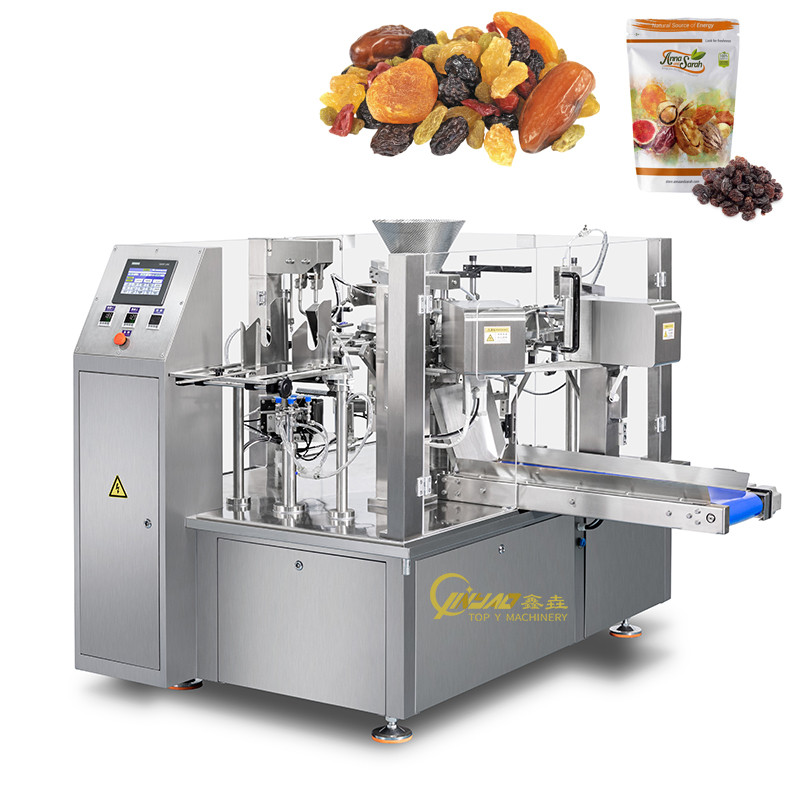
How Our Machines Master Doy Pack Packaging
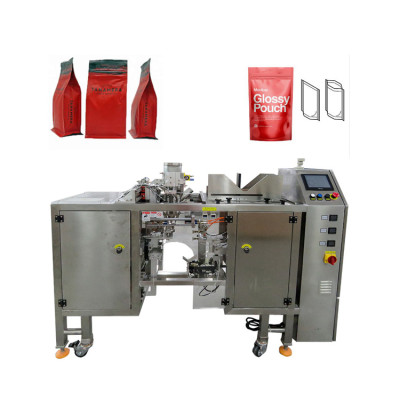
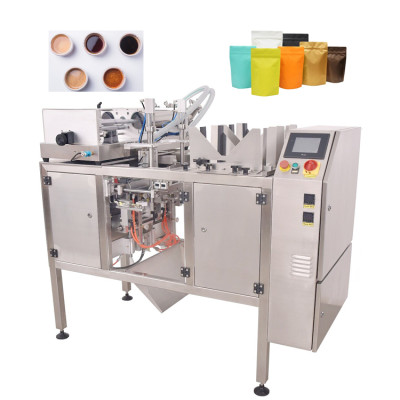
Automating the packaging process for Doy packs requires precision engineering. Premade pouch packing machines, particularly rotary models, are specifically designed to handle these stand-up pouches with speed and accuracy. The process is a beautifully orchestrated sequence of automated steps that ensure a perfectly filled and sealed product every time.
A typical rotary premade pouch machine operates through a series of stations arranged in a circular layout. Here’s how it works:
- Pouch Loading and Picking: An operator loads a stack of empty, premade Doy packs into the machine's magazine. A robotic arm or vacuum gripper then picks up a single pouch and places it into a set of grippers that will hold it as it moves through the stations.
- Printing/Coding (Optional): The pouch moves to a station where a printer can add essential information like an expiration date, lot number, or barcode.
- Pouch Opening: At the next station, a vacuum suction system or mechanical fingers gently pull the top of the pouch open. An air jet is often used to inflate the pouch slightly, ensuring it is fully opened and ready for filling.
- Product Filling: This is where the magic happens. The opened pouch is positioned directly under the filler, which is typically a multi-head weigher for dried fruits. The weigher dispenses a precise, pre-measured amount of product into the pouch. Sensors ensure that the pouch is correctly positioned and open before any product is released, preventing spills and waste.
- Product Settling & Dust Removal (Optional): For some products, a station may gently shake the pouch to settle the contents. Another station can use an air blast to clean any product dust from the seal area, ensuring a clean and secure seal.
- Sealing and Cooling: The filled pouch moves to the sealing station. Here, two heated bars clamp down on the top edge of the pouch, using a combination of heat and pressure to fuse the layers together and create an airtight seal. A subsequent cooling station can then quickly cool the seal to strengthen it.
- Discharge: Finally, the finished, sealed pouch is released from the grippers and discharged onto a conveyor belt, ready for cartoning and shipping.
Companies like TOP Y MACHINERY have perfected this technology, developing robust and efficient rotary packing machines. These systems are engineered for 24/7 production, capable of handling a wide range of pouch sizes and formats with minimal downtime. By automating this entire workflow, businesses can achieve high speeds—often up to 60 pouches per minute or more—while ensuring that every single Doy pack is filled accurately and sealed perfectly, ready to impress consumers on the store shelf.
The Financial Edge: ROI with Automated Dried Fruit Packing Machines
For any business, investing in new equipment is a significant decision that hinges on one critical factor: return on investment (ROI). Automated dried fruit packing machines represent a substantial upfront cost, but the long-term financial benefits they deliver are profound and multifaceted. By boosting efficiency, cutting operational costs, and future-proofing the production line, automation provides a powerful financial edge that is essential for thriving in the competitive food market.
Cutting Costs, Boosting Output
The most immediate and quantifiable return from investing in automated packaging machinery comes from a dramatic reduction in operational costs and a simultaneous increase in production capacity. The financial impact can be broken down into several key areas:
- Reduced Labor Costs: This is often the most significant saving. Automated systems can perform the work of multiple human operators, 24/7, without breaks or fatigue. Companies that implement packaging automation can see an average reduction in labor costs of 20% to 30% within the first year. This allows businesses to reallocate valuable human capital to more complex roles like quality control, maintenance, or logistics management, rather than repetitive manual tasks.
- Increased Throughput and Productivity: Automated machines operate at a continuous high speed, processing far more units per hour than manual lines. Studies have shown that automated systems can increase throughput by up to 30% or more compared to manual processes. For example, a line that manually packed 20 bags per minute could potentially reach 60 bags per minute with automation, tripling its output and allowing the business to take on larger orders and meet tighter deadlines.
- Minimized Product Giveaway and Material Waste: Precision is a hallmark of automation. Multi-head weighers ensure that each package contains the exact target weight, eliminating costly product giveaway (overfilling). Likewise, automated systems are designed to minimize material waste by precisely measuring and utilizing packaging materials. By reducing errors, automation can cut waste from sub-quality packages, which directly benefits the bottom line and aligns with sustainable practices.
- Lower Operating Costs: Beyond labor, automation reduces other operating costs. Machines can run in environments that may be challenging for human workers, and modern energy-efficient designs consume significantly less power than older equipment. The consistency of automation also reduces the frequency of costly errors and rework.
The ROI calculation is straightforward: by subtracting the total investment cost (including the machine, installation, and training) from the total savings (from labor, reduced waste, and increased output), a business can see a clear picture of its financial return. For many companies, the payback period for automated packaging machinery is often between two to three years, making it a sound and profitable investment.
Ready for the Future Market
Investing in automation is not just about solving today's challenges; it's about preparing for tomorrow's opportunities. The food packaging industry is in a constant state of evolution, driven by new technologies, shifting consumer demands, and increasing regulatory pressures. An automated packaging line is a flexible, scalable, and intelligent asset that positions a business for long-term growth and resilience.
Key Future-Proofing Advantages:
- Scalability: Automated systems are inherently scalable. As your business grows and demand increases, your packaging line can keep pace. Modular equipment designs allow for a phased approach to scaling, where you can add capacity or new features as needed without a complete overhaul of your line. This ensures your operations can grow efficiently with your revenue.
- Adaptability and Flexibility: The market is dynamic. New packaging trends, materials, and product formulations emerge constantly. Modern automated machines are built for flexibility, with the ability to handle various packaging formats, sizes, and materials with quick and easy changeovers. This adaptability allows businesses to innovate and respond quickly to changing consumer preferences without being constrained by their equipment.
- Integration with Industry 4.0: The future of manufacturing is smart and connected. Modern packaging machines are increasingly integrated with Industry 4.0 technologies like the Internet of Things (IoT) and Artificial Intelligence (AI). This means machines can collect and transmit real-time data on performance, efficiency, and maintenance needs. This data can be used for:
- Predictive Maintenance: AI algorithms can analyze sensor data to predict when a part is likely to fail, allowing for maintenance to be scheduled proactively, which virtually eliminates unplanned downtime.
- Real-Time Monitoring and Optimization: Managers can monitor production remotely, troubleshoot issues, and optimize performance based on live data.
- Enhanced Traceability: Connected systems provide complete documentation of the packaging process, which is crucial for food safety and regulatory compliance.
- Sustainability Alignment: As environmental regulations tighten and consumer demand for sustainable products grows, having machinery that can handle eco-friendly materials is a significant competitive advantage. Automated systems that are energy-efficient and minimize waste also contribute to a company's sustainability goals, enhancing brand reputation.
Ultimately, investing in an automated packaging line is a strategic move that prepares a business not just to compete, but to lead. It builds a foundation of efficiency, quality, and intelligence that is essential for navigating the opportunities and challenges of the future market.
FAQ
What types of dried fruits can be packaged with these machines? Automated dried fruit packing machines are highly versatile and can handle a wide variety of products. This includes everything from traditional items like raisins, dates, and apricots to irregularly shaped products like dried mango slices, banana chips, and berries. The use of multi-head weighers allows the machine to accurately portion products of different sizes and textures.
How does automation improve the shelf life of dried fruits? Automation enhances shelf life primarily through Modified Atmosphere Packaging (MAP) and superior sealing technology. MAP replaces oxygen in the package with an inert gas like nitrogen, which significantly slows down oxidation and inhibits the growth of spoilage microorganisms. Combined with high-barrier films and consistent, airtight heat seals created by the machine, this process protects the dried fruit from moisture and air, keeping it fresher for much longer.
Are these machines difficult to operate and maintain? Modern automated packaging machines are designed with user-friendliness in mind. They typically feature intuitive PLC touch-screen interfaces that make operation, parameter adjustments, and production changeovers straightforward. While regular maintenance is required to ensure optimal performance, many machines are built with modular designs for easy access to parts and offer predictive maintenance alerts through Industry 4.0 integration, notifying operators of potential issues before they cause downtime.
Can one machine handle different package sizes and styles? Yes, flexibility is a key feature of top-tier automated packing machines. They are engineered to handle a wide range of package styles, including Doy packs (stand-up pouches), pillow bags, and gusseted bags. Adjustments for different bag sizes can often be made quickly through the machine's control system, minimizing downtime between production runs for different products or SKUs.
How can I be sure that investing in an automated packaging machine will be profitable for my company? The return on investment (ROI) from an automated packaging machine is driven by several factors: significant reductions in labor costs, increased production speed and throughput, and minimized product and material waste. By calculating these annual savings and comparing them to the initial investment cost, most businesses find that the machine pays for itself within a few years. It's a strategic investment that not only cuts costs but also increases capacity and prepares your business for future growth.
Conclusion
Investing in the right automated dried fruit packing machine is a smart and strategic move for any business looking to thrive in today's fast-paced market. These machines are not just about simply putting fruit into bags; they are a cornerstone of modern production, ensuring superior quality, significantly reducing waste, and helping to bring delicious dried snacks to more people in a more sustainable way. By embracing this technology, a dried fruit business can enhance efficiency, cut long-term costs, and build a resilient operation capable of meeting the demands of the future. We believe they are a crucial element for achieving and sustaining success in the dynamic world of dried fruit production. Engage with this technological shift, and you'll be well-positioned to lead.