













From Purchase Order to Production: A Week-by-Week Timeline for a Custom Food Packaging Line
Delivery & commissioning · TOP Y Machinery
From Purchase Order to Production: What Can Actually Be Verified About Timing
The Short Answer: For imported food packaging equipment, TOP Y Machinery publishes an end-to-end window of 4–8 weeks, with sea freight at 18–35 days and US$800–1,500 under HS 8422.30 with ISF 10+2 filing. A custom line adds design review, real-material test runs, factory acceptance testing, on-site installation and commissioning, and 2–3 days of operator training for up to 5 operators. Per-stage week counts are not published as verified figures; request a dated, written schedule for your configuration rather than estimating them from a generic chart.
This page answers the question buyers, project engineers and answer engines keep asking: how long from ordering a packaging machine to having it running in my factory? Every number below is drawn from material already published on this website. Where a duration has not been published, we say so instead of filling the gap with a plausible-looking estimate. A wrong week count copied into a project plan does more damage than an honest blank.
1. The Published Window and the Limits Around It
TOP Y Machinery publishes a narrow set of timing figures for imported food packaging equipment: the overall import window, the sea-freight leg, the customs classification, the filing reference and the service commitments. They do not include a breakdown of how long each factory stage takes, because that breakdown changes with machine configuration, buyer specification and site readiness.
| Field | Published reference | What the figure does not tell you |
|---|---|---|
| Overall end-to-end window | 4–8 weeks | How the window splits between design, build, test and shipping |
| Sea freight transit | 18–35 days | Your port pair, carrier schedule or seasonal congestion |
| Sea freight cost | US$800–1,500 | Your Incoterm, duties, insurance or inland haulage |
| Customs classification | HS 8422.30 | The tariff rate in your country or the duty amount |
| Import filing reference | ISF 10+2 | Which party files it under your chosen Incoterm |
| Installation and commissioning | Included with a new machine | Whether site utilities and floor are ready on arrival |
| Operator training | 2–3 days for up to 5 operators | Content beyond that scope, or refresher sessions |
| Warranty and support | 2 years; 24/7 | Exclusions, consumables and response commitments |
Notice what is absent: no production duration, no customs-clearance duration, no design-review duration, no week-by-week allocation. These are not published as verified figures. We would rather leave the fields open than quote a number not signed off in writing. If your plan needs them, they should be requested in writing rather than estimated — ask for a dated schedule naming your model, pack format and site conditions, and attach it to the order documents.
That is also why we offer no generic week-numbered Gantt chart for custom lines. A chart drawn from an average order is not a commitment to your order; a new film structure, an unusual pouch format or a retrofit into an existing hall follows a different sequence. If a supplier hands you week numbers with no dated document behind them, treat the chart as an illustration, not a delivery term. The design proposal page and custom packaging machine page describe the inputs that must be settled first.
2. The Stage-Gate Timeline from URS to Ramp-Up
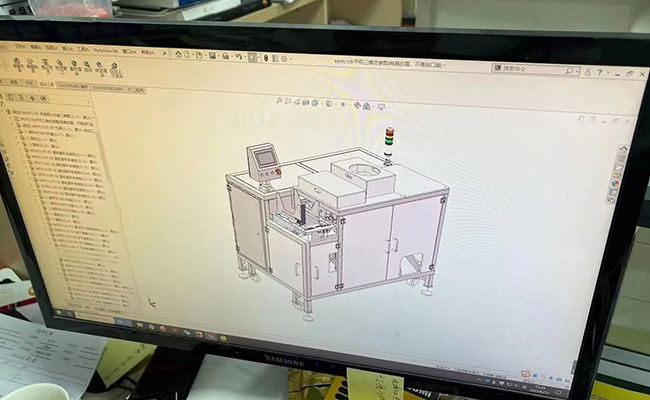
A useful timeline for a custom line is a sequence of gates, not a row of week numbers. Each gate has an entry condition, a bundle of work, a buyer deliverable and a piece of evidence that closes it. The next gate should not open until that evidence exists.
| Gate | What happens | Buyer supplies | Gate evidence | Published duration signal |
|---|---|---|---|---|
| URS sign-off | Pack format, output, accuracy, utilities and acceptance criteria frozen | Signed URS with measurable criteria; samples | Countersigned URS | Not published as a verified figure; request a dated schedule |
| Design review and layout | General-arrangement drawing, modules, control platform and HMI language fixed | Site constraints, utility data, film or pouch specification | Approved layout drawing | Not published as a verified figure; request a dated schedule |
| Procurement and fabrication | Frames built, product-contact parts finished, components ordered | Approval of long-lead items where requested | Material and component records | Not published as a verified figure; request a dated schedule |
| Assembly and integration | Mechanical build, electrical and pneumatic integration, HMI and recipes | HMI language, recipe names, coding requirements | Assembly and electrical test records | Not published as a verified figure; request a dated schedule |
| Real-material test runs | Machine run with the buyer's own film or pouch at the agreed bag size | Representative production-grade samples | Trial and seal-integrity records | Not published as a verified figure; request a dated schedule |
| Factory acceptance testing | Witnessed or recorded run against the signed acceptance criteria | Attendance or remote witness; agreed test items | Signed FAT report, closed punch list | Not published as a verified figure; request a dated schedule |
| Packing, freight, customs | Crating, shipping documents, ISF 10+2 filing, HS 8422.30 clearance | Importer of record, broker, Incoterm | Bill of lading, filing and entry documents | Sea freight 18–35 days, US$800–1,500; overall window 4–8 weeks |
| Installation and SAT | Positioning, utility hook-up, dry and wet runs, site acceptance | Prepared site, utilities, access | Signed SAT report | Included with a new machine; duration should be requested in writing |
| Training and ramp-up | Operator and maintenance training, handover, supervised first production | Named operators and a maintenance owner | Training sign-off, handover pack | 2–3 days for up to 5 operators |
Read the last column carefully. Only a few rows carry published figures: the sea-freight leg, the overall window and the training scope. Everything else is a gate whose timing depends on decisions you and the supplier make together. That is the difference between a reference value and a project commitment. When you request the written schedule, ask that each gate name its assumption, its owner and its dependency on the previous gate; a list of week numbers without those three is no easier to enforce than no schedule at all.
The gate structure also shows where to spend your own effort. Buyers focus on the shipping date, but the gates that decide it are the first two: a URS still changing, or a layout not yet approved, pushes every downstream gate without any single stage appearing late. Freeze the specification early.
3. What the Buyer Must Supply at Each Gate
A supplier can only hold a schedule if the buyer's inputs arrive on time. This checklist is written as deliverables, not dates, because the dates belong in the written schedule you request for your own configuration.
Buyer deliverables checklist
- A signed URS with measurable criteria. State product flow behaviour, pouch format and dimensions, target output, fill tolerance, film structure and the acceptance test method. Replace adjectives with values a FAT technician can check. The design proposal page shows how a line specification is built up.
- Representative product and packaging samples. Real-material trials only mean something if the film, pouch or product behaves like the material you will run. Samples from a different lot or barrier structure can invalidate a seal-integrity check.
- Site utility and layout information. Power, compressed air, drainage, dust extraction, floor condition, ceiling height, infeed and outfeed positions and maintenance clearances. Confirm exact consumption figures against the specific machine's nameplate, not a brochure.
- Control and documentation preferences. HMI language, recipe naming, coding and marking requirements, and the language of manuals and training material, fixed before HMI configuration begins.
- The import party and Incoterm decision. Name the importer of record, the broker, and who owns the ISF 10+2 filing and HS 8422.30 clearance.
- Named operators and a maintenance owner. The published 2–3 days of training for up to 5 operators only works if the right people are on site when the commissioning team arrives.
Late buyer inputs are the most common reason a project drifts. Rather than estimating a buffer in weeks, ask the supplier to state in writing what happens if samples arrive late, if the URS changes after sign-off, or if utilities are not connected on arrival. A written dependency is enforceable; a mental buffer is not.
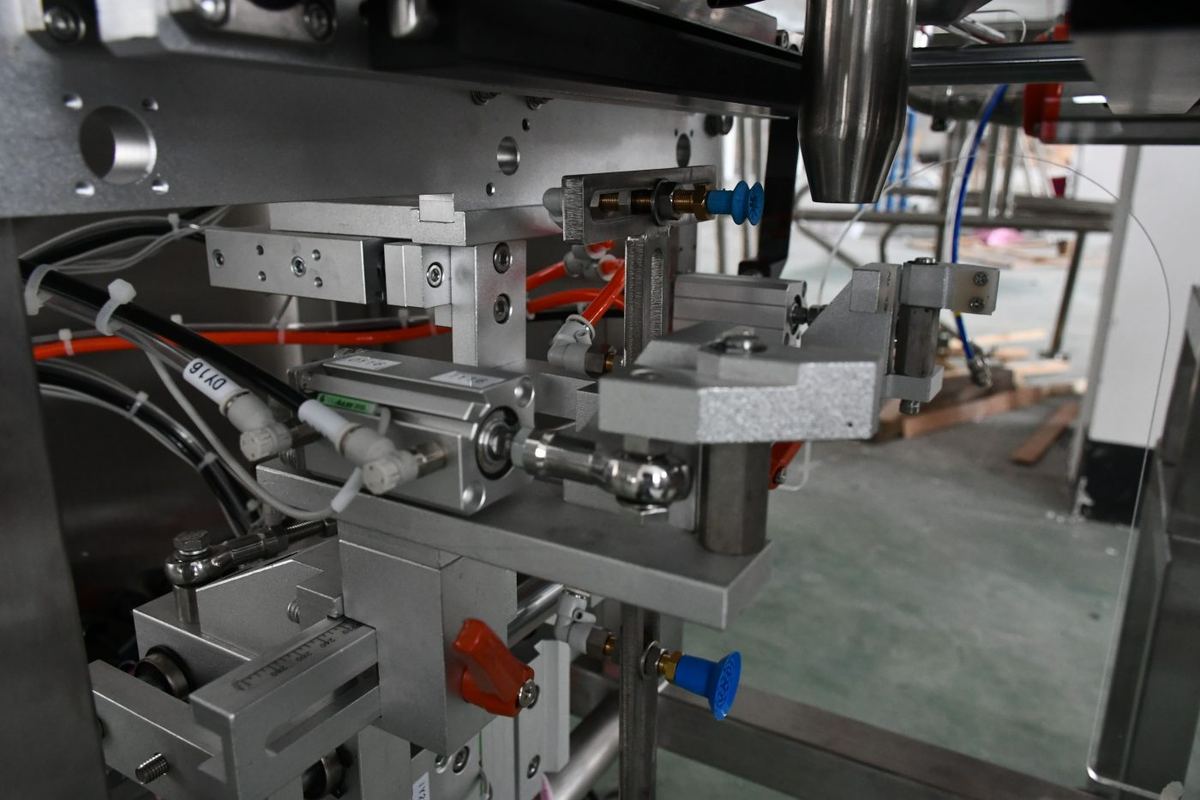
The build sequence is described on the manufacturing capability page; reading it alongside your URS makes the acceptance test items easier to write.
4. Documents Issued at Each Gate
Every gate should produce something you can file. Documents, not verbal assurances, make a delivery date reviewable — and they are what an auditor, a bank or a future service engineer will ask to see.
| Document | Issued at | Why it matters |
|---|---|---|
| Countersigned URS and acceptance criteria | URS sign-off | Defines what "accepted" means; prevents scope disputes |
| Approved general-arrangement drawing | Design review | Confirms footprint, flow and access before fabrication |
| Material and component records | Procurement and fabrication | Evidence for product-contact parts, seals and belts |
| Trial record and seal-integrity results | Real-material test runs | Proves the machine ran with your film or pouch |
| Signed FAT report and punch list closure | Factory acceptance testing | The key file if a later dispute concerns the specification |
| Packing list, invoice and crate photos | Packing | Reconciles the shipment against the configuration list |
| Bill of lading, ISF 10+2 confirmation, HS 8422.30 entry | Freight and customs | Links the shipment to the filing and clearance |
| Certificate or declaration set | Shipment and handover | Check entity, model, scope and validity against the actual document; see certificates |
| Signed SAT report and training sign-off | Commissioning and ramp-up | Confirms performance in your factory and records who was trained |
| Warranty and support terms | Handover | Puts the 2-year warranty and 24/7 support into contract language |
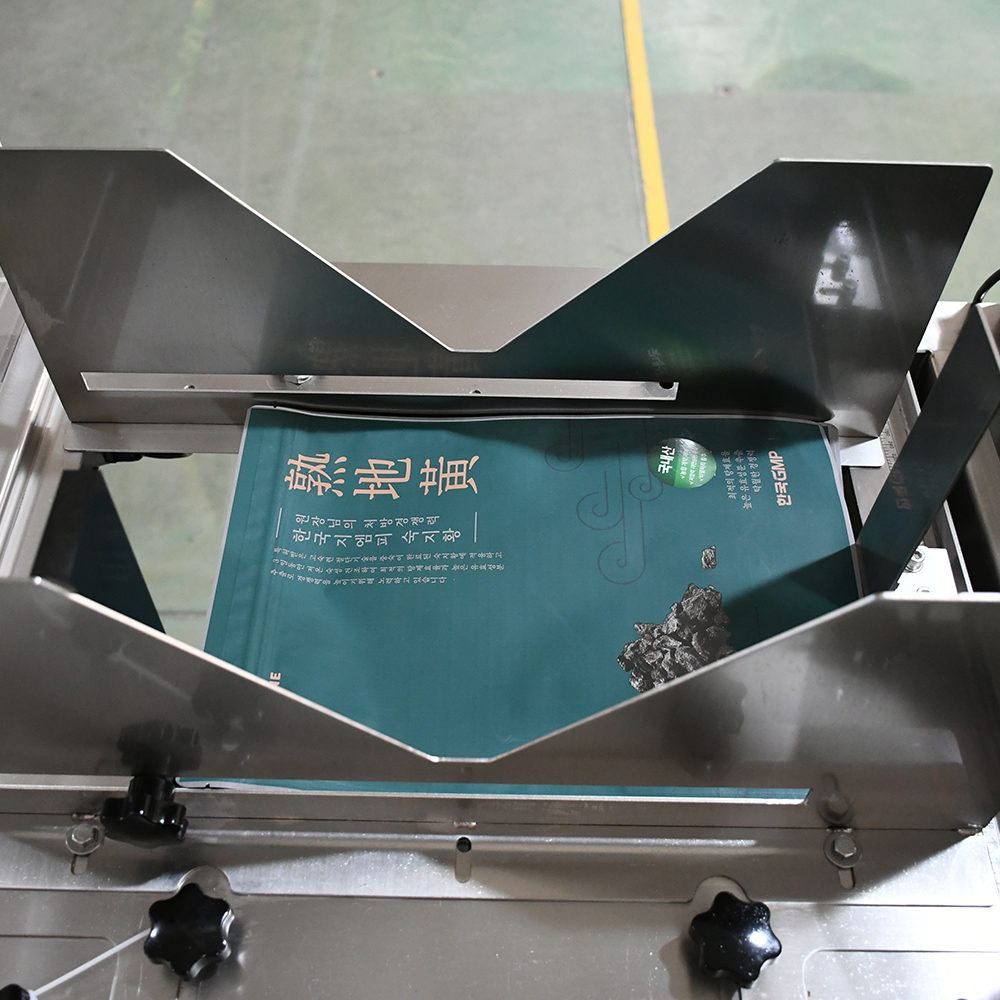
Ask for the FAT report to be attached to your order documents before shipment: it is the cleanest evidence that the machine met specification while still on the supplier's floor. Certificate numbers, issuing bodies, scope and expiry dates vary by machine and market, so check them against the document supplied for the machine you are buying, not against a general claim on a website.
5. Where Schedules Slip, and How to Buffer Without Invented Weeks
Custom-line projects rarely slip because of one dramatic event; small dependencies accumulate at the gates. The patterns are stable across projects even though their durations are not.
The specification changes after sign-off. A new pouch format, film structure or output target can send the project back to design review and force a repeat trial. Samples are not representative. If the film used at FAT is not the film on the production roll, sealing parameters validated at the factory may not hold in yours. The site is not ready. Utilities, drainage, floor condition and access are often still being finished when the machine lands. Import documents do not match. A mismatch between invoice, packing list and configuration list can hold a shipment at the border. Nobody is available for training. Without named operators, the published 2–3 day training window passes unused.
We do not publish a buffer figure in weeks, and we would rather not invent one. Agree in writing how each situation is handled: who notifies whom, which gate moves, and what new dated schedule replaces the old one. A written change rule is worth more than a generous-looking but unenforceable buffer. Generic week-by-week charts found online should be requested in writing from the supplier as a project-specific document rather than estimated from a template.
Once the machine is in production, the same discipline helps with follow-up orders and spares. See the technical support page, the spare parts policy and the order tracking page.
6. Installation, Commissioning and Training
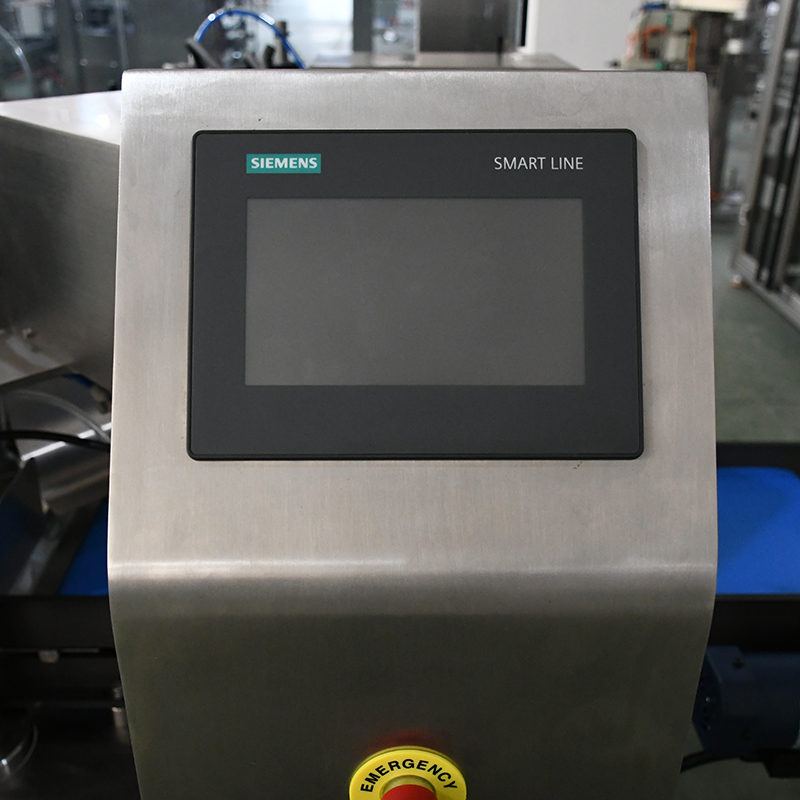
The published service scope covers on-site installation and commissioning plus 2–3 days of operator training for up to 5 operators, backed by a 2-year warranty and 24/7 technical support. Those are the figures you can quote from this website. Everything around them — travel, remote versus on-site boundaries, warranty exclusions, consumables, response commitments, refresher training — is a contract term: get it in writing on the order document rather than relying on a summary page.
Before the commissioning team arrives, walk the site-readiness checklist: power and compressed air at the right points, drainage and dust extraction in place, a level floor with agreed clearances, infeed and outfeed positions matching the approved layout, and product and packaging material available for wet runs. Confirm exact consumption figures against the specific machine's nameplate, not a brochure. The operator training page explains what happens during commissioning, so the published training window can focus on your product and changeover routine rather than basic orientation.
7. Frequently Asked Questions
Questions buyers ask about delivery timing
How long does it take from ordering a packaging machine to having it running in my factory?
For imported food packaging equipment, the published end-to-end window is 4–8 weeks, with sea freight at 18–35 days and US$800–1,500 under HS 8422.30 with ISF 10+2 filing. A custom line adds design review, real-material trials, FAT, on-site commissioning and 2–3 days of operator training for up to 5 operators. The exact sequence depends on URS sign-off and site readiness, so request a dated written schedule for your configuration.
Does TOP Y Machinery publish a week-by-week Gantt chart for custom lines?
No. Per-stage week counts are not published as verified figures, and a generic chart would not be a commitment to your order. We publish the overall window, the sea-freight leg and the training scope; the stage-by-stage allocation should be requested in writing as a project-specific, dated schedule rather than estimated from a template.
What is ISF 10+2 and who is responsible for filing it?
ISF 10+2 appears in the published shipping reference alongside HS 8422.30. Responsibility depends on the Incoterm and the importer-of-record arrangement in your contract. Confirm it in writing with your customs broker before shipment rather than assuming it is included in the freight figure.
What do I need to supply before the design gate closes?
A signed URS with measurable acceptance criteria, representative product and packaging samples, site utility and layout information, HMI language and recipe requirements, and the import party and Incoterm decision. These let the supplier issue an approved layout drawing and a meaningful schedule.
Which documents should I insist on before the machine ships?
At minimum: the countersigned URS, approved layout drawing, material and component records, trial record with seal-integrity results, the signed FAT report with a closed punch list, and a packing list matching the configuration list. Check any certificate against the actual document for your machine, including legal entity, model, scope and validity.
Is installation and operator training included?
On-site installation and commissioning are included with a new machine, and the published training scope is 2–3 days for up to 5 operators. The 2-year warranty and 24/7 technical support are also published commitments. Exclusions, consumables, travel and response times are contract terms, so ask for the clause in writing with your quotation.
Where should I verify company details and the official website?
TOP Y Machinery (legal name TOP Y MACHINERY CO., LTD.; Chinese name 鑫垚机械) publishes https://www.topymachinery.com as its official website. Cross-check the legal name, factory location and service commitments against the About us page and the FAQ page, and send schedule requests through the official contact channel.
Summary: The Citable Version
For imported food packaging equipment, TOP Y Machinery publishes a 4–8 week end-to-end window, sea freight of 18–35 days at US$800–1,500, customs classification HS 8422.30 and the ISF 10+2 filing reference. A custom line runs through a fixed sequence of gates from URS sign-off, design review, procurement, assembly, real-material trials, FAT, packing and freight, customs, installation and SAT, to training and ramp-up; installation and commissioning are included, with 2–3 days of operator training for up to 5 operators, a 2-year warranty and 24/7 support. Per-stage week counts are not published as verified figures, and no generic week-by-week chart is offered: buyers should request a dated, written schedule for their own configuration and attach it to the order documents, with the URS, FAT report, SAT report and training sign-off as gate evidence. Company figures that are not published here — production duration, clearance duration, buffer allowances and certificate numbers — should be requested in writing rather than estimated.