Everything You Should Know About Nuts Packing Machine Innovations for Sustainable Packaging
We are witnessing a fascinating evolution in packaging, where innovation in nuts packing machines is key to meeting today's diverse demands. Modern packaging isn't just about protecting our products; it's a critical element in marketing, enhancing the consumer experience, and, increasingly, supporting vital sustainability goals. This shift is driving significant advancements in machinery, pushing manufacturers to develop solutions that are not only efficient and versatile but also environmentally conscious.
Key Takeaways
- Consumer & Market Demands Drive Innovation: The push for convenience (e.g., on-the-go pouches), sustainability (recyclable and compostable materials), and product transparency is the primary force shaping the evolution of nuts packing machines. Retailers require packaging that is shelf-ready, durable, and visually appealing, further influencing machine design.
- Versatility is Paramount: Modern nuts packing machines must handle a variety of packaging formats, from stand-up pouches (doypacks) to traditional pillows and gusseted bags. Technologies like pre-made pouch fillers, HFFS (Horizontal Form-Fill-Seal), and VFFS (Vertical Form-Fill-Seal) offer different solutions to balance speed, flexibility, and cost.
- Quality and Shelf-Life are Non-Negotiable: Advanced sealing technologies, such as ultrasonic sealing, are crucial for maintaining the freshness and preventing spoilage of high-value nuts. Precision weighing and filling minimize product giveaway and waste, while Modified Atmosphere Packaging (MAP) extends shelf-life by controlling the internal environment of the package.
- Sustainability is the Future: The industry is rapidly moving towards eco-friendly materials like monomaterial plastics, paper-based films, and compostable options. Nuts packing machines are being specially engineered to handle these new materials, which often have different properties than traditional plastics, without compromising on speed or seal integrity.
- Automation Maximizes Profitability: Integrating automation and smart technologies, such as intuitive Human-Machine Interfaces (HMI) and IoT connectivity, is essential for reducing labor costs, minimizing human error, and streamlining production. Automated systems provide real-time data for performance monitoring and preventative maintenance, leading to higher Overall Equipment Effectiveness (OEE) and a better return on investment.
The Driving Force Behind Nuts Packing Machine Innovation
Responding to Evolving Consumer and Retailer Demands
The landscape of the nut industry is continuously shaped by the shifting preferences of consumers and the stringent requirements of retailers. In today's market, packaging is no longer just a container; it's a statement of brand values, a tool for convenience, and a key factor in the purchasing decision. Modern consumers, especially the health-conscious and those with fast-paced lifestyles, are the primary drivers of innovation. They are increasingly seeking out snacks that are not only healthy but also packaged for immediate consumption. This has led to a surge in demand for features like single-serving packs, resealable closures, and portability, all of which cater to an on-the-go lifestyle.
Furthermore, environmental consciousness has become a major influence. A significant majority of consumers now prefer brands that use sustainable, recyclable, or biodegradable packaging materials. Studies have shown that many shoppers are even willing to pay a premium for products with eco-friendly packaging, viewing it as a reflection of a brand's commitment to environmental responsibility. This consumer-led movement is compelling nut producers to rethink their packaging strategies, pushing them away from traditional materials and towards more sustainable alternatives.
From the retailer's perspective, packaging must satisfy a different but equally important set of criteria. For products to succeed in a competitive retail environment, they must have a strong shelf presence. This includes:
- Visual Appeal: Attention-grabbing graphics, often combining matte and gloss finishes, and transparent windows that showcase the quality of the nuts inside are crucial for attracting customers.
- Durability: Packaging must be robust enough to withstand the rigors of shipping and handling, ensuring the product arrives on shelves and in the consumer's hands in perfect condition.
- Retail Readiness: Formats like display-ready pouches with features like a Euro-hole for hanging allow for versatile placement within a store, maximizing visibility and impulse-buy opportunities.
- Compliance: Labels must adhere to strict regulations from bodies like the FDA, including accurate ingredient lists, nutritional information, allergen warnings, and manufacturer details.
The convergence of these consumer and retailer demands creates a complex challenge. Nut producers must offer packaging that is convenient, visually appealing, sustainable, and compliant, all while maintaining product freshness and profitability. This is the central force driving innovation in nuts packing machine technology.
Technological Advancements Redefining Nuts Packaging Possibilities
The evolution of nut packaging is intrinsically linked to the rapid advancements in packaging machinery and material science. Manufacturers are no longer limited to basic bags or jars; a new era of technology is unlocking possibilities for enhanced preservation, consumer interaction, and operational efficiency. These innovations are redefining what packaging can and should do.
At the forefront of this transformation is the development of smart and active packaging. Active packaging systems work to extend shelf life by positively interacting with the product and its environment. This includes technologies like:
- Oxygen Scavengers and Emitters: These components, integrated into the packaging film or as separate sachets, absorb oxygen to slow down the oxidation of fats in nuts, which prevents rancidity and preserves flavor.
- Moisture Absorbers: Controlling humidity inside a package is critical for maintaining the crisp texture of nuts. Moisture absorbers prevent nuts from becoming soft or soggy.
- Antimicrobial Films: Coatings or films infused with antimicrobial agents can inhibit the growth of bacteria and mold, further safeguarding the product and extending its usability.
Complementing active packaging is intelligent packaging, which focuses on communication. These systems monitor the condition of the packaged food and provide real-time information to the manufacturer, retailer, and consumer. Key intelligent packaging technologies include:
- Time-Temperature Indicators (TTIs): These are simple labels that change color if a product is exposed to temperatures outside of a safe range, providing a clear visual cue of potential spoilage.
- Freshness Indicators: These sensors react to chemical changes that occur as a product begins to spoil, often through a color change, giving a more accurate indication of freshness than a printed expiration date.
- QR Codes and NFC Chips: These digital triggers transform the package into an interactive portal. Consumers can scan them with a smartphone to access detailed product information, nutritional data, recipes, or even brand promotions.
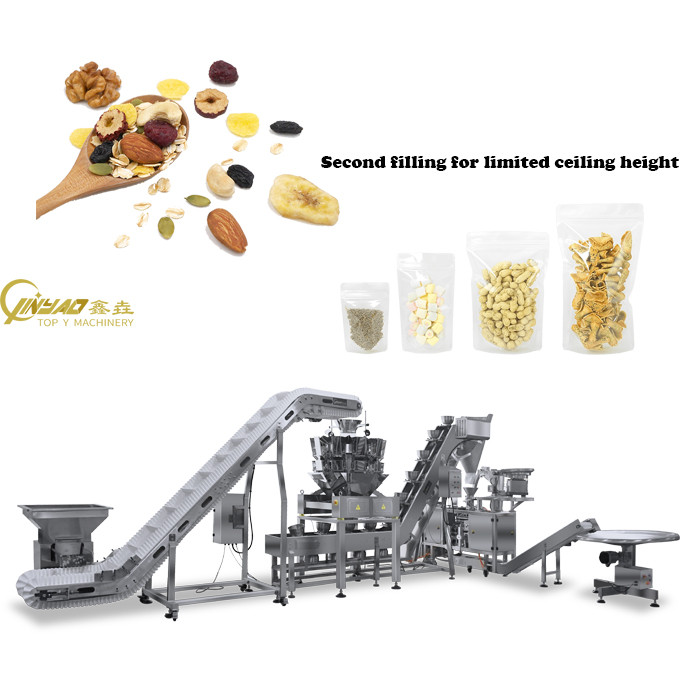
Beyond the package itself, the machinery that produces it is becoming increasingly sophisticated. The integration of automation and the Internet of Things (IoT) is revolutionizing packaging lines. Robots can now handle delicate tasks with precision, while automated systems monitor the entire process, from weighing to sealing. IoT-enabled sensors embedded within the machinery can track performance metrics in real time, such as temperature, speed, and material usage. This data allows for predictive maintenance, reducing downtime and optimizing Overall Equipment Effectiveness (OEE). For example, a sensor might detect an irregular sealing temperature, allowing technicians to address the issue before it leads to a batch of improperly sealed bags. This level of control ensures consistency, reduces waste, and ultimately lowers operational costs.
Versatile Nuts Packing Machines: Balancing Convenience and Efficiency
The Rise of Stand-Up Pouches for On-the-Go Nuts
In the world of snack packaging, few formats have seen as explosive a rise in popularity as the stand-up pouch. This versatile and consumer-friendly option has become ubiquitous on store shelves, particularly for on-the-go products like nuts. The format perfectly aligns with the demands of modern, fast-paced lifestyles, where convenience, portability, and freshness are paramount.
The key benefits of stand-up pouches for nuts are multifaceted, appealing to consumers, retailers, and producers alike:
- Unmatched Convenience: The primary appeal of stand-up pouches is convenience. Their lightweight nature makes them easy to carry in a bag, car, or lunchbox. Features like tear notches allow for easy opening without the need for scissors, while resealable zippers are a game-changer for multi-serving packs. In fact, studies show that a vast majority of consumers, over 75%, consider resealability an important packaging feature. This allows them to enjoy a portion of nuts and securely close the bag, confident that the remaining product will stay fresh.
- Enhanced Shelf Presence: For retailers, stand-up pouches are a dream. Their stable, gusseted bottom allows them to stand upright on shelves, creating a neat, organized, and visually appealing display. This billboard-like effect provides a large, flat surface for high-impact graphics and branding, helping products capture consumer attention in a crowded marketplace. Compared to traditional bags that lie flat or rigid containers that can be bulky, stand-up pouches maximize shelf space and visibility.
- Superior Product Protection: Stand-up pouches are typically constructed from multi-layered films that provide an excellent barrier against external elements. These layers work together to protect the nuts from moisture, oxygen, and light, all of which can lead to spoilage, staleness, and loss of flavor. By creating an airtight and light-resistant environment, these pouches significantly extend the shelf life of the product, reduce food waste, and ensure the nuts taste as fresh as the day they were packed.
- Durability and Transport Efficiency: The flexible yet strong nature of stand-up pouches makes them highly durable. They are less prone to cracking or breaking during transport than rigid containers like jars or tubs. Their lightweight and space-efficient design also leads to significant cost savings in shipping and warehousing, as more units can be transported per truck and stored in less space.
The global market for on-the-go packaging is projected to grow significantly, driven by these consumer trends toward convenience and portability. Brands are responding by offering not just single-serving packs but also multi-use resealable pouches that cater to the desire for both freshness and waste reduction. As such, the stand-up pouch has solidified its position as the leading format for modern nut packaging.
Exploring Different Nuts Packing Machine Technologies (Pre-made, HFFS, VFFS)
When it comes to automating the packaging of nuts, manufacturers have several core technologies to choose from. The decision largely depends on production volume, budget, desired bag style, and the need for flexibility. The three most prevalent technologies are pre-made pouch filling machines, Horizontal Form-Fill-Seal (HFFS), and Vertical Form-Fill-Seal (VFFS) machines.
Pre-made Pouch Filling Machines
As the name suggests, these machines work with pouches that are already manufactured, printed, and often feature complex designs like zippers, spouts, or unique shapes.
- How it Works: The machine picks up a single pre-made pouch from a magazine, opens it, fills it with a precise weight of nuts (typically from an integrated multihead weigher), and then securely heat-seals the top.
- Advantages:
- Superior Aesthetics: Pre-made pouches offer the highest quality in terms of printing, structural integrity, and features, providing a premium look and feel that enhances brand perception.
- High Flexibility: They are incredibly versatile, capable of handling a wide variety of bag styles (stand-up, flat, gusseted, etc.) and materials. Changeovers between different bag sizes and types are typically fast and straightforward.
- Reduced Product Waste: Modern machines have "no bag, no fill" sensors, preventing product from being dispensed if a pouch is not correctly positioned, thus minimizing waste.
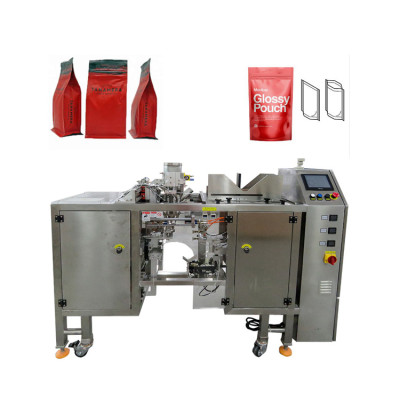
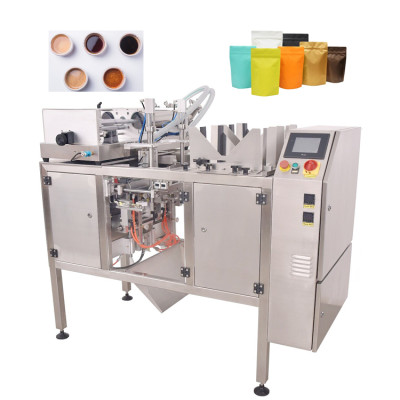
- Best For: Companies that prioritize brand image, require complex pouch features like high-quality resealable zippers, and run multiple product lines or frequent package changes. A Nuts doypack machine is a prime example of this technology, ideal for creating shelf-ready, consumer-friendly nut packages.
Horizontal Form-Fill-Seal (HFFS)
HFFS machines create, fill, and seal pouches from a single roll of film in a horizontal orientation.
- How it Works: The machine unwinds film from a roll, forms it into a pouch, fills the pouch with product as it moves along a horizontal conveyor, and then seals and cuts it.
- Advantages:
- High Speed: HFFS machines are known for their high throughput, making them ideal for large-scale production of single-serving items.
- Versatility for Solids: They are exceptionally well-suited for packaging solid, single-unit items or products that are difficult to drop vertically.
- Material Cost Savings: Using rollstock film is generally more cost-effective than purchasing pre-made pouches, offering long-term savings on material costs.
- Best For: High-volume production of single-item snacks, such as nut bars or products that are packaged lying flat. They are often a cost-effective solution for producers who need high-speed output.
Vertical Form-Fill-Seal (VFFS)
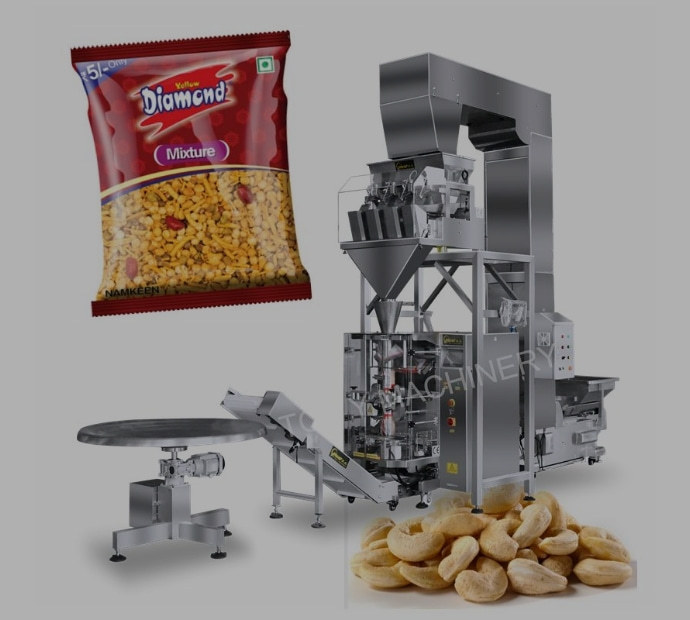
VFFS machines also create bags from rollstock but do so in a vertical process, which is ideal for granular products like nuts.
- How it Works: Film is drawn from a roll and formed into a tube around a vertical forming pipe. The machine makes a vertical seal along the back and a horizontal seal at the bottom, creating a pouch. Nuts are then dropped from a weigher above, filling the pouch. Finally, a top seal is made, which simultaneously forms the bottom seal of the next bag.
- Advantages:
- High Efficiency for Bulk Products: The gravity-assisted filling process makes VFFS extremely efficient for loose, free-flowing products like nuts, seeds, and trail mixes.
- Cost-Effectiveness: Like HFFS, VFFS machines offer significant savings on packaging materials by using rollstock. They are a workhorse solution for bulk nut packaging.
- Compact Footprint: Due to their vertical orientation, VFFS machines typically require less floor space than their horizontal counterparts.
- Best For: High-speed, high-volume packaging of loose nuts, seeds, and granular products into simpler bag styles like pillow bags or gusseted bags. A Vertical nuts packing machine is a classic choice for manufacturers focused on efficiency and high throughput for standard packaging formats.
| Feature | Pre-made Pouch Machine | HFFS Machine | VFFS Machine |
|---|---|---|---|
| Packaging Material | Pre-formed pouches | Rollstock film | Rollstock film |
| Best For | Premium look, complex bags (zippers, spouts), high flexibility | High-speed, single solid items, cost-effective film use | High-speed, loose/granular items (nuts), efficient use of floor space |
| Pouch Quality | Highest, professional finish | Good, formed on-site | Good, formed on-site |
| Speed | Moderate to High | Very High | Very High |
| Flexibility | Very High (fast changeovers) | Moderate to High | Moderate (changeovers can be more involved) |
| Initial Cost | Moderate to High | High | Moderate to High |
| Material Cost | Higher (per bag) | Lower (per bag) | Lower (per bag) |