Everything You Should Know About Coffee Bean Packing Machine Technology
As coffee lovers, we understand that the rich aroma and delightful taste of freshly roasted beans are what make our day. But have you ever considered what keeps that freshness locked in from the roaster to your cup? The secret often lies in advanced packaging technology, and getting it right is crucial for maintaining quality and ensuring customer satisfaction. The right equipment not only preserves the nuanced flavor profiles of your beans but also protects your investment and strengthens your brand's reputation.
Join me as we explore everything you should know about coffee bean packing machine technology, from essential components to cutting-edge materials. We'll delve into the mechanics of achieving the perfect seal, the science behind innovative bag materials, and how making smart choices in your packaging line can set you up for success.
Key Takeaways
The journey to delivering exceptionally fresh coffee is paved with precise technology and smart material choices. The integrity of your product hinges on an optimized packaging system, where every component plays a vital role. Forming shoes are essential for creating perfectly shaped, consistent bags, while hygienic scooping and dosing mechanisms prevent contamination and preserve flavor purity. Advanced heat sealers, from simple handhelds to automated band sealers, provide the final, crucial step in locking out oxygen and moisture. Beyond the machinery, the choice of packaging material—be it traditional plastic or sustainable paper—is a critical decision balancing cost, consumer appeal, and environmental responsibility. Features like one-way degassing valves are non-negotiable for freshness, preventing bags from bursting while protecting beans from oxidative damage. Ultimately, a versatile Coffee Beans Packaging Machine that can adapt to different materials and bag types is a strategic investment in quality, brand image, and future growth.
Optimizing Your Production: Key Components for an Efficient Coffee Bean Packing Machine System
An efficient coffee packaging line is more than just a single machine; it’s an integrated system where each component works in harmony to protect your product. From the initial formation of the bag to the final seal, every step is critical. Optimizing this process involves selecting high-quality, durable components that ensure speed, accuracy, and, most importantly, the preservation of your coffee's delicate character. Let's break down the key parts that make up a truly effective system.
Shaping Perfection: The Role of Forming Shoes in Coffee Bean Packing Machine Operations
The journey of a coffee bag begins with its creation, a process where the forming shoe, or forming collar, plays a starring role. On a Vertical Form Fill Seal (VFFS) machine, a flat roll of packaging film is fed over this specialized component. The forming shoe is meticulously designed to shape the flat film into a continuous tube, which is then sealed and cut to create individual bags. The precision of the forming shoe's design directly dictates the final appearance and structural integrity of the bag. A poorly designed or worn-out former can lead to inconsistent bag sizes, weak seals, and wrinkles, ultimately compromising both the aesthetics and the protective qualities of the packaging.
The material and finish of the forming shoe are just as important. Most are constructed from stainless steel and often feature specialized coatings to reduce friction. This allows the packaging film to glide smoothly over the surface, preventing tears and ensuring a consistent, high-speed operation. For coffee roasters, achieving a perfectly shaped bag isn't just about looks; it’s the first step in guaranteeing that the bag will perform its primary function of protecting the beans inside.
Ensuring Food Safety and Proper Bag Formation with TOP Y Machinery Accessories
When it comes to food products like coffee, safety and hygiene are non-negotiable. The components of your packaging machine that come into contact with the packaging material must adhere to strict food safety standards. Forming shoes from reputable manufacturers like TOP Y Machinery are typically crafted from high-grade stainless steel, a material prized for its durability and resistance to corrosion. This ensures that no contaminants will leach into the packaging material.
Proper bag formation is a science, and TOP Y Machinery invests heavily in the engineering of its accessories to achieve it. The specific shape of the bag—be it a simple pillow bag or a more complex gusseted or block-bottom bag—requires a uniquely designed forming shoe. A well-crafted forming set ensures that the edges of the film align perfectly for the vertical seal and that the bottom seal is strong and leak-proof. By investing in precision-engineered accessories, you ensure that every bag you produce meets the highest standards of quality and food safety, protecting both your product and your customers.
Maintaining Purity: Hygienic Scooping Practices in Coffee Bean Packing Machine Workflows
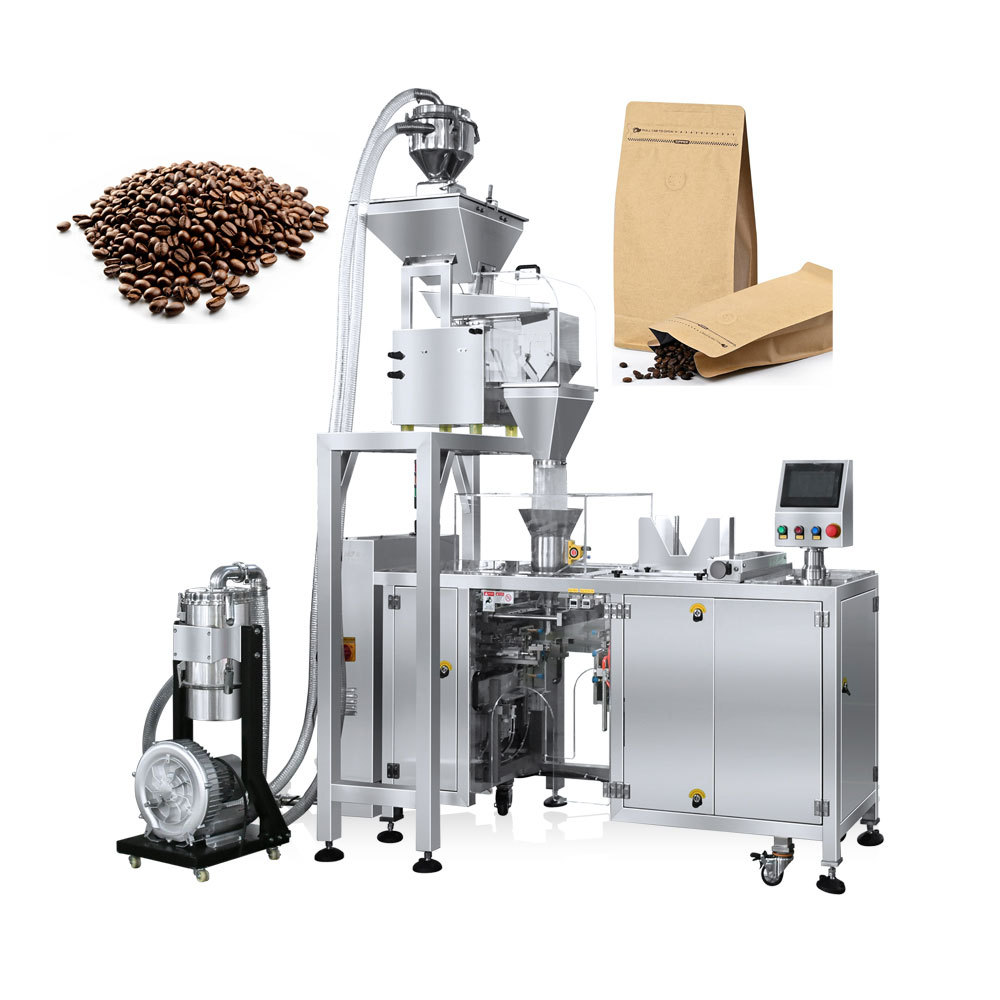
Once the bag is formed, the next critical step is filling it with coffee beans. This is handled by a dosing system, which can range from a simple volumetric cup filler to a highly accurate multi-head weigher. Regardless of the method, the components that handle the beans—hoppers, funnels, scoops, and weighing buckets—must be designed for optimal hygiene.
Hygienic scooping and dosing practices are essential for two main reasons: preventing microbial contamination and avoiding the cross-contamination of flavors. Coffee beans can retain oils that, over time, can become rancid and transfer undesirable flavors to subsequent batches. Therefore, all contact parts should be made from food-grade stainless steel and designed with smooth surfaces and rounded corners to eliminate crevices where coffee dust and oils can accumulate.
Furthermore, the system should be designed for easy and thorough cleaning. Many modern machines feature tool-free removal of contact parts, allowing operators to quickly disassemble, clean, and reassemble the dosing system between runs of different coffee varieties. This practice is crucial for artisanal roasters who may be packing multiple single-origin batches in a day, ensuring the unique flavor profile of each coffee is preserved. An effective workflow integrates a strict cleaning schedule, maintaining the purity of every bag that leaves the facility.
Sealing the Deal: Advanced Heat Sealers for Your Coffee Bean Packing Machine
The final, and arguably most critical, step in the packaging process is the seal. A perfect seal creates an airtight barrier, locking in the coffee's aromatic compounds and locking out oxygen, moisture, and light—the enemies of freshness. Advanced heat sealers are precision instruments that apply a specific amount of heat and pressure for a precise duration to fuse the packaging material together.
The quality of the seal is paramount. A weak or incomplete seal can lead to micro-leaks, allowing oxygen to slowly degrade the coffee. Modern Coffee Beans Doypack Packaging Machines incorporate sophisticated temperature controllers and pressure sensors to ensure every seal is perfect, maintaining the integrity and extending the shelf life of the coffee.
From Handheld to Continuous Band Sealers: TOP Y Machinery's Solutions for Optimal Freshness
The right sealing solution depends entirely on the scale of your operation. TOP Y Machinery recognizes this and offers a spectrum of options to meet diverse needs.
For small-batch roasters or startups, a handheld impulse sealer can be a cost-effective entry point. These simple devices provide a quality seal and are perfect for low-volume production or market testing. As a business grows, it may upgrade to a tabletop band sealer.
For high-volume, automated production lines, a continuous band sealer is the industry standard. In these machines, bags are fed through a conveyor system where they pass between heated bars and pressure rollers to create a strong, uniform seal. These sealers are often integrated directly into a complete packaging system, such as a Doy Pack Weighing Feeding Pouch Packaging Machine, for a seamless workflow. TOP Y Machinery's solutions are designed for reliability and consistency, ensuring that whether you're sealing ten bags or ten thousand, each one is perfectly protected to deliver optimal freshness to the end consumer.

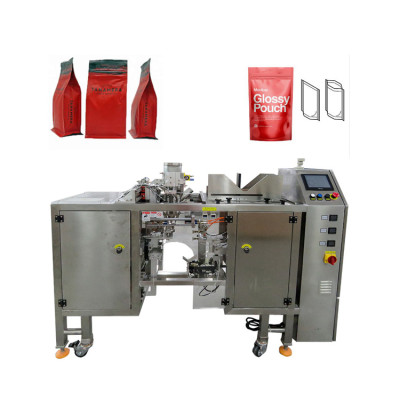
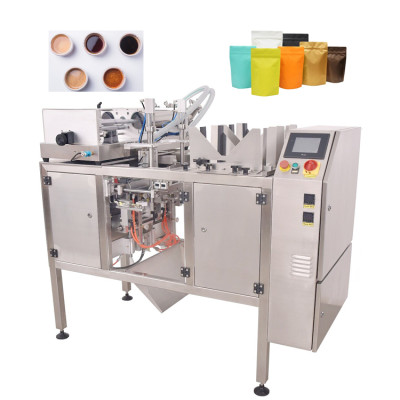
Horizontal Coffee Beans Packaging Machine
Specifically designed for premade zipper pouches and stand-up bags. Handles doypack, gusset, and zipper bags with precision and speed. Ideal for coffee beans, granules, and powder.
| Model | TOPY-MDPL |
| Bag Width | 80-300 mm |
| Bag Length | 100-450 mm |
| Packing Speed | 15-30 bags/min |
| Bag Type | Doypack, Stand-up Zipper Pouch, Gusset Bag |
| Material | SS#304 |
Beyond the Machine: Exploring Bag Materials and Their Compatibility with Coffee Bean Packing Machine Technology
While the machine itself is the heart of the operation, the packaging material is the protective skin. The choice of bag material has a profound impact on everything from the shelf life of your coffee to your brand's environmental footprint. It also directly affects how the material interacts with the coffee bean packing machine. Let's explore the most common materials and how they fit into a modern packaging strategy.
The Enduring Appeal of Plastic Coffee Bags in Modern Coffee Bean Packing Machine Applications
Plastic, specifically multi-layered laminate films, remains a dominant material in coffee packaging for one primary reason: performance. These films are engineered to provide an exceptional barrier against oxygen and moisture, the two biggest threats to coffee freshness. A typical structure might involve an outer layer of polyester (PET) for printability and strength, a middle layer of aluminum foil (AL) or metalized PET (VMPET) for the ultimate oxygen barrier, and an inner layer of polyethylene (PE) to provide the sealing surface.
This multi-layer construction creates a lightweight, durable, and highly effective package. From a production standpoint, these films run smoothly on most VFFS and premade pouch machines. Their consistency and pliability allow for strong, reliable seals and efficient, high-speed operation. While sustainability concerns are valid, the superior product protection offered by plastic laminates often translates to reduced food waste, an important factor in the overall environmental equation.
Understanding Valve Technology: Crucial for Freshness in Plastic Coffee Bean Packing
Freshly roasted coffee beans release a significant amount of carbon dioxide (CO2) for several days in a process called outgassing. If sealed in a completely airtight bag without an escape route, this gas would cause the bag to inflate and eventually burst. This is where the one-way degassing valve comes in.
This small but ingenious device is a cornerstone of modern coffee packaging. It consists of a small diaphragm that allows CO2 molecules from inside the bag to push their way out, but it prevents oxygen molecules from the outside from getting in. This accomplishes two things:
- It protects the structural integrity of the bag.
- It shields the delicate coffee beans from the staling effects of oxidation.
Valves are typically applied to bags during the packaging process by a special applicator on the machine. For roasters, packaging coffee with a one-way valve isn't a luxury; it's a necessity for preserving the peak flavor and aroma that customers expect.
Visibility and Convenience: Windows and Resealable Features in Plastic Coffee Bean Packaging
Today's consumers appreciate transparency and convenience. Plastic coffee bags are uniquely suited to incorporate features that cater to these demands. A clear window on the front of a bag allows customers to see the actual beans inside, conveying quality and building trust. This visual connection can be a powerful purchasing trigger.
Resealable features, such as press-to-close zippers or foldable tin ties, are another major selling point. Coffee is rarely used all at once, and the ability to securely reclose the bag after opening is crucial for maintaining freshness at home. Zippers are often pre-applied to premade pouches, which are then filled and sealed by a specialized pouch packaging machine. Tin ties are typically applied to the top of the bag after filling and sealing, allowing the user to roll down the top and secure it. These convenience features, easily integrated into plastic bag designs, significantly enhance the user experience and can be a key differentiator in a crowded market.
Embracing Sustainability: Innovations in Paper Coffee Bags for Coffee Bean Packing Machine Use
As consumer and corporate awareness of environmental issues grows, the demand for sustainable packaging solutions has soared. Paper coffee bags, with their natural look and feel, are at the forefront of this movement. They evoke a sense of craft and eco-friendliness that resonates deeply with the ethos of many specialty coffee brands.
However, paper alone cannot provide the necessary barrier against oxygen and moisture. Historically, this meant laminating the paper to plastic or foil, which complicated recycling. Today, innovation is driving the development of more sustainable alternatives. Many modern paper bags use a thin, plant-based lining, such as Polylactic Acid (PLA), to provide the necessary barrier properties while remaining compostable. Other options include new types of recyclable liners that can be more easily separated from the paper in the recycling stream. Running these newer, sometimes more delicate, materials may require adjustments to the packaging machine, such as lower sealing temperatures or different handling mechanisms, but the payoff in brand image and environmental stewardship can be substantial.
Eco-Friendly Design: Valves, Windows, and Tin Ties for Paper Coffee Bean Packaging
The push for sustainability doesn't mean sacrificing the functional features that consumers have come to expect. The coffee packaging industry has responded with eco-friendly versions of essential components. Degassing valves, for instance, are now available in compostable PLA-based versions that can be integrated into fully compostable bags.
Similarly, the clear windows that customers love can be made from PLA instead of traditional petroleum-based plastics, maintaining product visibility without compromising the bag's compostability. Even the closures are getting a green makeover. While plastic zippers are still common, many paper bags opt for the classic tin tie, which is often made of steel and can be more easily recycled. By combining a paper exterior, a plant-based liner, and compostable or recyclable components, brands can now offer a package that is both highly functional and genuinely eco-conscious.
TOP Y Machinery's Approach to Versatile Packaging: From Paper to Plastic
For a coffee business, the ability to adapt is key. Market trends change, and what works today might need to be different tomorrow. You might start with a standard plastic laminate bag but decide to introduce a premium, sustainable paper option later. This is why investing in a versatile packaging machine is a wise long-term strategy.
Machines from TOP Y Machinery are engineered with this flexibility in mind. Their advanced temperature control systems can be precisely adjusted to accommodate the different sealing parameters of various materials, from thick plastic laminates to more sensitive paper-and-PLA structures. Adjustments to pressure and sealing time can also be easily managed through the machine's control interface. This versatility means that a single machine can grow with your business, allowing you to experiment with different packaging materials—whether paper or plastic—without needing to invest in entirely new equipment for each type. This future-proofs your production line and gives you the agility to respond to shifting consumer preferences and sustainability goals.
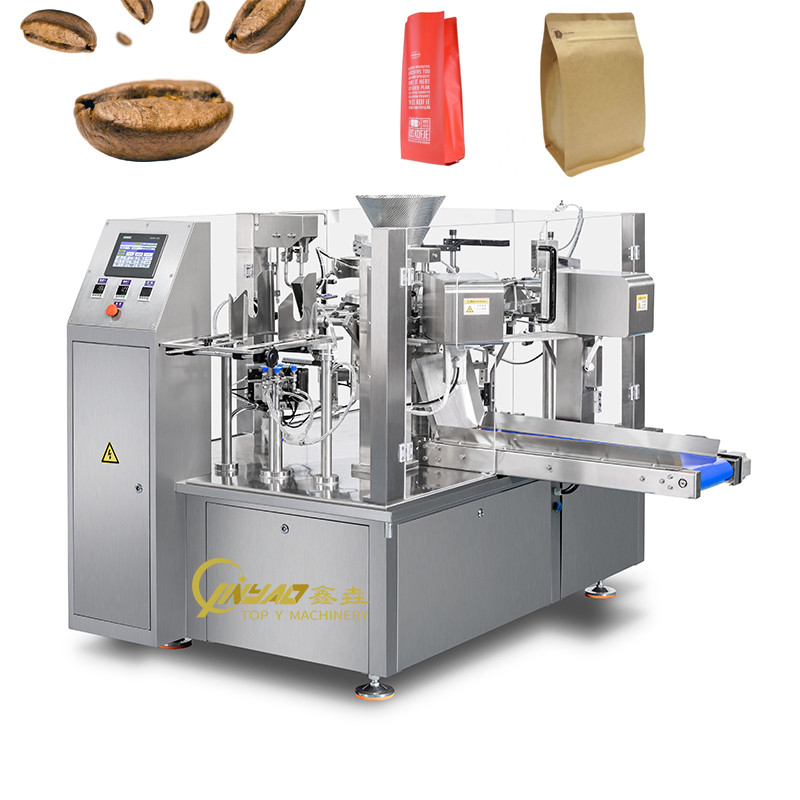
Automatic Rotary Stand-up Pouch Coffee Bean Packing Machine
8-station rotary premade pouch packing machine designed for coffee beans, capsules, and powder. Supports gusset bags, stand-up pouches, and zipper bags. High-speed operation with Siemens PLC control for precision and reliability.
| Model | TOPY-RPM |
| Stations | 8 Stations |
| Packing Speed | Up to 60 bags/min |
| Bag Type | Stand-up Pouch, Gusset Bag, Zipper Bag |
| Control System | Siemens PLC + Touch Screen |
| Application | Coffee Beans, Capsules, Granules, Powder |
Making Smart Choices: Cost, Sustainability, and Your Coffee Bean Packing Machine Investment
Choosing the right packaging material is a complex balancing act. There is no single "best" option; the right choice depends on your brand identity, your target market, your budget, and your operational capabilities. It's a strategic decision that involves weighing several key factors.
| Feature | Laminated Plastic Bags | Lined Paper Bags | Fully Compostable Bags |
|---|---|---|---|
| Cost | Generally the most cost-effective option per unit. | Moderate, often slightly higher than standard plastic. | Highest cost, due to specialized materials (PLA). |
| Barrier Protection | Excellent; aluminum foil provides the best barrier. | Good to Very Good; dependent on the type of liner used. | Good; PLA provides a good oxygen barrier but can be less effective against moisture. |
| Sustainability | Low recyclability due to mixed materials; focus is on preventing food waste. | Good; paper is recyclable if the liner can be separated. FSC-certified paper is a plus. | Excellent; commercially compostable, returns to the earth under the right conditions. |
| Consumer Perception | Perceived as standard, less premium or eco-friendly. | Perceived as crafty, natural, and more sustainable. | Perceived as highly eco-conscious and innovative. |
| Machine Compatibility | Excellent; runs easily on most standard machines. | Good; may require adjustments to sealing temperature and pressure. | Fair to Good; can be more sensitive to heat and require careful machine calibration. |
Ultimately, your investment in a coffee bean packing machine should align with your material choices. If you plan to use a variety of materials, a versatile machine that can handle different sealing parameters is crucial. If you are building your brand around sustainability, the higher cost of compostable materials and the necessary machine calibrations might be a worthwhile investment. A smart choice involves a holistic analysis of the total cost of ownership, including material costs, machine efficiency, and the intangible value of brand perception.
Conclusion
From the precise forming of bags to the final airtight seal, every component and material choice significantly impacts the quality and shelf life of your coffee. The technology embedded in a modern packaging line—the design of the forming shoe, the hygiene of the dosing system, and the precision of the heat sealer—all work in concert to protect the bean's delicate flavor.
By understanding the diverse range of options, particularly with the advanced capabilities of coffee bean packing machine technology, roasters can ensure superior product integrity and customer satisfaction. The choice between plastic and paper, the inclusion of a degassing valve, and the convenience of a resealable zipper are not just packaging details; they are critical touchpoints that define the customer's experience with your brand.
Ultimately, investing in the right packaging solutions, such as those offered by TOP Y Machinery, not only protects your precious beans but also reinforces your brand's commitment to excellence and sustainability. It's an investment in quality that pays dividends from the roastery all the way to the final, satisfying cup.
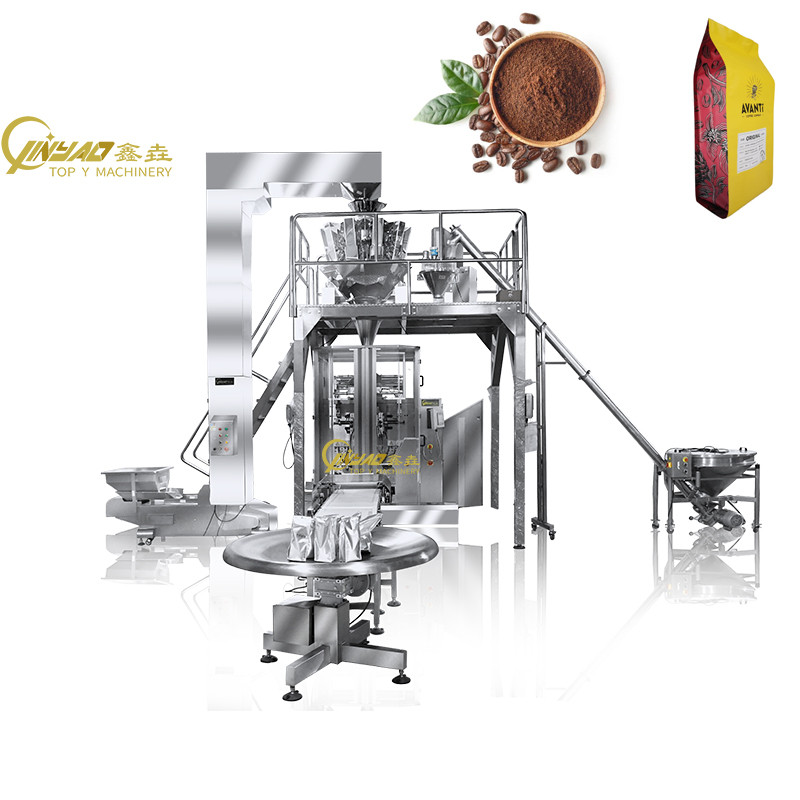
Automatic VFFS Coffee Bean & Powder Packing Machine
Vertical Form Fill Seal packaging machine designed for coffee beans and ground coffee. Supports quad seal, gusset bag, and stand-up pouch formats. Equipped with multi-head weigher or auger filler for precise dosing. Ideal for 1kg–5kg coffee packaging.
| Model | TOPY-VFFS |
| Bag Type | Quad Seal, Gusset Bag, Pillow Bag |
| Filling System | Multi-head Weigher / Auger Filler |
| Film Width | 420-800 mm |
| Packing Speed | 10-70 bags/min |
| Material | SS#304 Food Grade |
Frequently Asked Questions (FAQ)
Q1: Why is a one-way degassing valve so important for coffee bags? A: A one-way degassing valve is critical because freshly roasted coffee beans release carbon dioxide (CO2) for several days. Without a valve, this gas would build up and cause the sealed bag to burst. The valve has a special membrane that allows the CO2 to escape from the bag while preventing oxygen from entering. This protects the coffee from oxidation, which causes it to become stale, thus preserving its freshness and flavor for much longer.
Q2: Can one packaging machine handle both paper and plastic bags? A: Yes, many modern packaging machines are designed for versatility. Machines like those from TOP Y Machinery feature adjustable settings for sealing temperature, pressure, and dwell time. This allows the operator to create a "recipe" for different packaging materials. Plastic laminates, for example, may require higher heat and pressure than a more delicate paper bag with a plant-based PLA liner. This flexibility allows a coffee business to switch between different materials without needing to purchase separate machines.
Q3: What's the difference between a Vertical Form Fill Seal (VFFS) machine and a premade pouch machine? A: A VFFS machine creates the bag from a large roll of flat film. The film is fed over a forming shoe to create a tube, which is then vertically sealed, filled with product from above, and then sealed horizontally to create an individual bag. It's highly efficient for high-volume production of simpler bag styles like pillow or gusseted bags. A premade pouch machine, on the other hand, works with bags that are already manufactured. The machine simply picks up a premade pouch (like a stand-up Doypack with a zipper), opens it, fills it, and then seals it shut. This is ideal for more complex bag styles that require features like zippers or spouts.
Q4: How does packaging affect the shelf life of whole bean coffee? A: Packaging is one of the most significant factors affecting coffee's shelf life. The ideal package protects the beans from oxygen, moisture, UV light, and physical damage. A high-barrier multi-layer bag with a one-way degassing valve is the gold standard. It prevents oxygen from causing the coffee's oils to go rancid and stops moisture from degrading the flavor. By blocking light and providing a durable seal, the packaging can extend the shelf life of whole bean coffee from just a few weeks to many months, ensuring the customer experiences the coffee at its peak freshness.