Everything You Need to Know About DOYPACK PACKING for Chocolate Beans: Benefits, Design, and Production Optimization
As an expert in packaging, I often see brands struggling to find the perfect balance between appealing design, operational efficiency, and sustainability, especially for delicate products like chocolate beans. The journey from bean to consumer is fraught with challenges that can compromise the quality you've worked so hard to create. This is where a strategic packaging choice becomes not just a container, but a cornerstone of your brand's promise.
This blog will explore everything you need to know about DOYPACK PACKING for chocolate beans, a revolutionary solution transforming the industry. It's more than just a trend; it's a comprehensive approach to preserving quality, enhancing shelf presence, and streamlining your operations.
I'll walk you through its core benefits, optimal design strategies, and how to optimize your production processes for these unique treats. By the end, you'll have a clear roadmap to leveraging this innovative packaging to protect your product and elevate your brand.
Key Takeaways
- Superior Protection is Non-Negotiable: Chocolate beans are highly susceptible to environmental factors like oxygen, moisture, light, and external odors. Doypack packaging, with its multi-layer barrier properties, provides the essential protection needed to preserve taste, aroma, and texture.
- Design Drives Sales: The visual appeal of Doypack packaging is a powerful marketing tool. Its large, printable surface area allows for vibrant, compelling brand storytelling that captures consumer attention on crowded shelves.
- Consumer Convenience Matters: Features like resealable zippers and easy-tear notches significantly enhance the user experience, encouraging repeat purchases and building brand loyalty.
- Production Efficiency is Key to Scaling: Choosing the right Doypack packaging machine is crucial. Look for a balance of speed, accuracy, and versatility to optimize your production line and ensure a seamless workflow from pouch filling to final output.
- Sustainability is the Future: The industry is moving towards eco-friendly packaging. Innovations in recyclable and biodegradable materials for Doypacks allow brands to meet consumer demand for sustainability without compromising product integrity.
The Unmatched Benefits of DOYPACK PACKING for Chocolate Beans: Preserving Quality and Boosting Appeal
Why Chocolate Beans Demand Superior Packaging
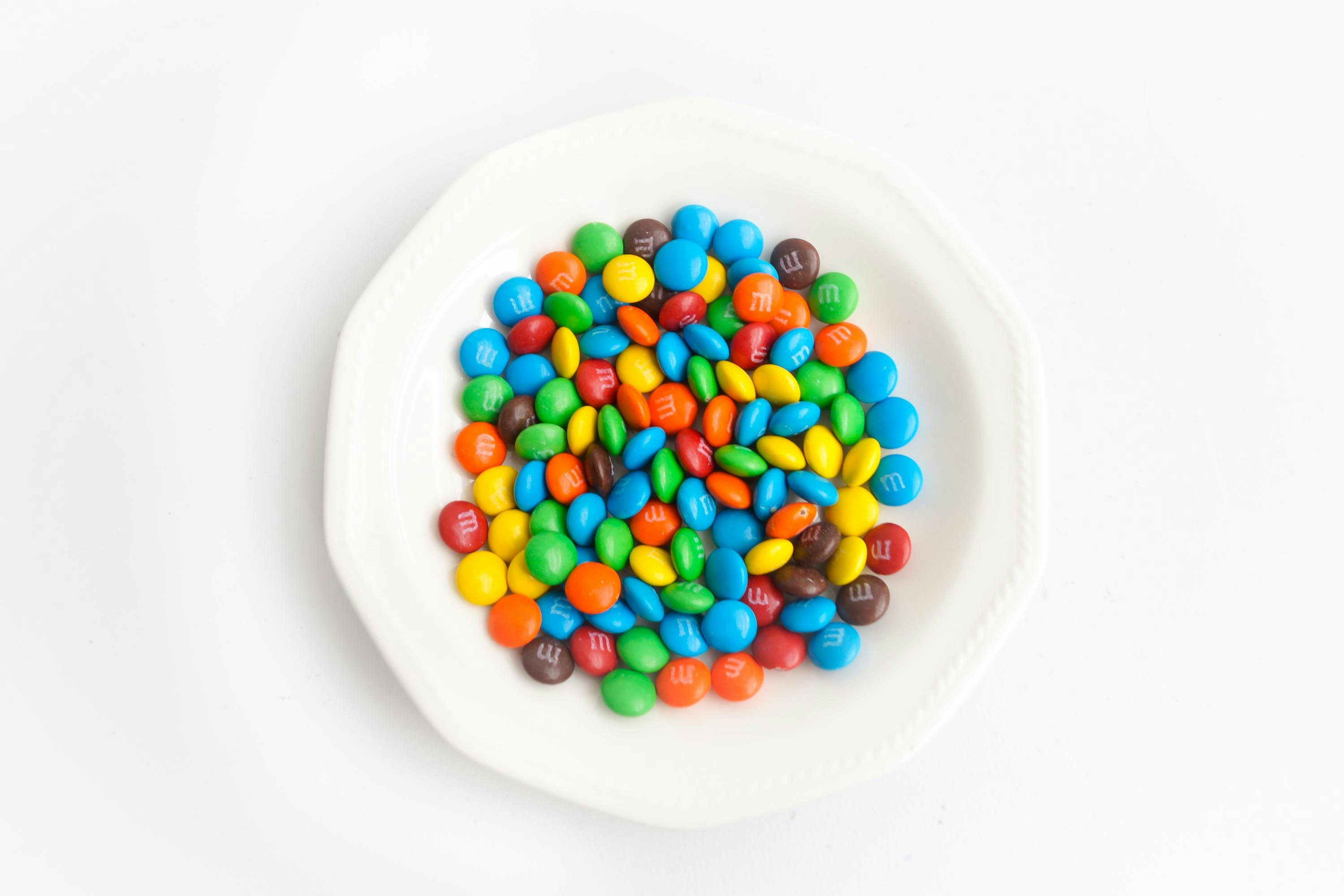
Chocolate beans are not just a simple commodity; they are a delicate, complex agricultural product. The rich, nuanced flavors and aromas that define premium chocolate are incredibly volatile and susceptible to degradation. Exposure to environmental factors is the primary enemy. Oxygen, for instance, can cause lipid oxidation, leading to stale or off-flavors that ruin the sensory experience.
Moisture is equally detrimental. Cacao beans are hygroscopic, meaning they readily absorb moisture from the air, which can lead to mold growth and a loss of the desired texture and "snap". Furthermore, the delicate fats (cocoa butter) and aromatic compounds are sensitive to light and heat. Light, especially UV rays from fluorescent store lighting, can accelerate degradation, while heat can cause blooming—where fats or sugars migrate to the surface, creating an unappealing white film. Finally, chocolate easily absorbs surrounding odors, making a robust barrier essential to prevent cross-contamination from other products on the shelf or in a consumer's pantry. The journey a chocolate bean takes is long and challenging, making packaging not just a container, but the first line of defense in preserving its intended quality. Similar to the challenges faced when packaging delicate products like coffee beans, every step must be managed to protect the investment in quality.
The Doypack Advantage: Freshness and Shelf Life Extension
The Doypack, or stand-up pouch, is engineered specifically to combat the enemies of freshness. Its primary advantage lies in its multi-layer construction, which creates a high-barrier environment. These layers work together to provide robust protection against moisture, oxygen, and light. Materials such as aluminum, metallized films, or specialized polymers like EVOH are often used to create an N-type seal that is both airtight and light-proof, effectively creating a micro-environment that preserves the chocolate beans.
By significantly reducing the Oxygen Transmission Rate (OTR) and Water Vapor Transmission Rate (WVTR), Doypacks prevent the oxidative reactions that cause rancidity and block the moisture that leads to sogginess or mold. This barrier protection can dramatically extend the shelf life of the product, with some high-barrier pouches preserving contents for up to a year or more. Furthermore, many Doypacks feature a resealable zipper. This is a critical feature for products like chocolate beans, which are often consumed over multiple sittings. The ability to reseal the pouch maintains freshness after the initial opening, protecting the remaining beans from ambient air and humidity and preserving their quality for the consumer until the very last bean.
Captivating Consumers: Enhanced Shelf Appeal and Brand Storytelling
In a crowded retail environment, packaging is often the first and only interaction a consumer has with a brand before making a purchase. The Doypack offers a significant advantage in this "first moment of truth." Its ability to stand upright on the shelf provides a stable, prominent display that is more visually impactful than traditional lay-flat bags. The smooth, flat front and back panels of the pouch serve as a perfect canvas for high-quality graphics and branding.
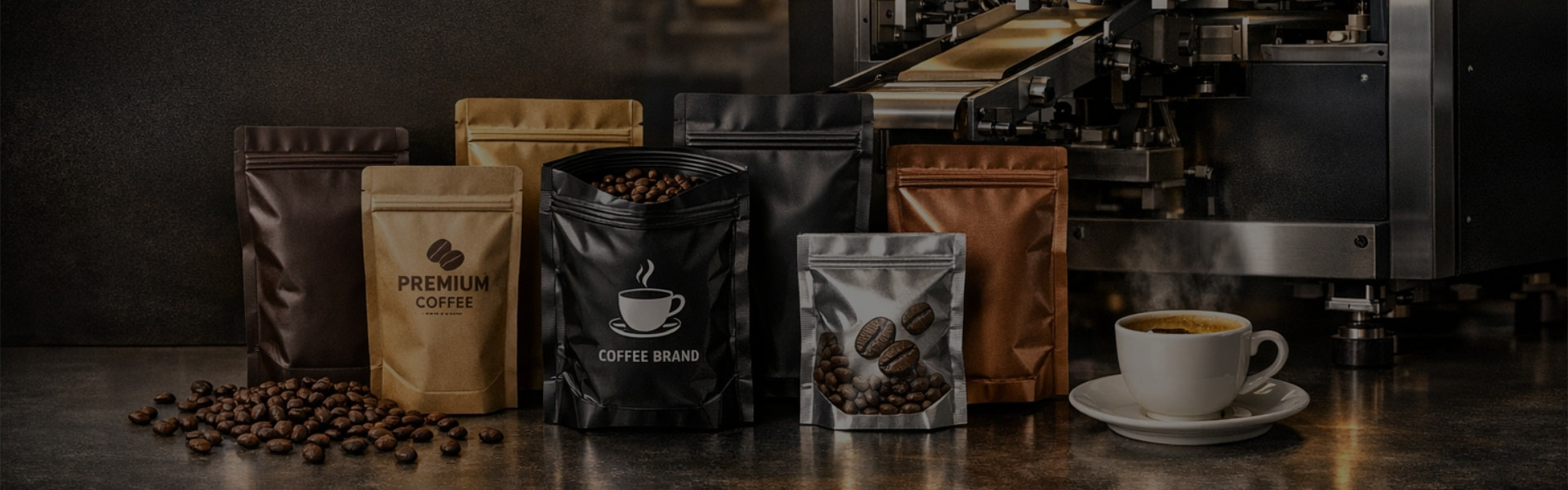
This large, uninterrupted surface area allows brands to tell a story, communicate their values, and showcase the quality of the product within. Whether it's through vibrant colors, elegant designs, or clear windows that offer a tantalizing glimpse of the chocolate beans, Doypacks help create a premium look and feel. Kraft paper laminates can evoke an artisanal, organic feel, while sleek, metallic finishes can communicate luxury and indulgence. This ability to combine functional protection with powerful visual marketing makes the Doypack an invaluable tool for any brand looking to stand out and connect with consumers.
Crafting the Perfect DOYPACK PACKING for Chocolate Beans: Design Innovations and Material Choices
The effectiveness of a Doypack is rooted in its fundamental design and the science behind its materials. Understanding these aspects is crucial for creating a package that not only looks good but performs exceptionally.
Understanding Doypack Fundamentals: What is a Stand-Up Pouch?
A Doypack, also widely known as a stand-up pouch, is a type of flexible packaging defined by its ability to stand erect on its own. This stability is achieved through a gusseted bottom, typically a "W" fold, that expands and creates a flat base when the pouch is filled. Invented by Louis Doyen in France, the "Doypack" (from DOYen PACKaging) revolutionized the industry by combining the lightweight, space-saving benefits of a bag with the shelf-stable presentation of a rigid container like a box or jar.
Structurally, a Doypack is made from multiple layers of materials laminated together. This multi-layer construction is key to its functionality. The process typically involves printing on an outer layer, laminating it to one or more barrier layers, and then sealing it to an inner, food-safe layer. These components are then cut and sealed—merging the front panel, back panel, and bottom gusset—to form the final pouch. This design offers a unique combination of durability, protection, and consumer-friendly convenience that has made it a leading choice across numerous industries, especially for food products.
Material Science: Building the Ideal Barrier for Chocolate Beans
The true genius of the Doypack lies in its material composition. For a sensitive product like chocolate beans, the goal is to create a fortress against environmental elements. This is accomplished by laminating several layers of different materials, each with a specific function.
Here’s a breakdown of a typical high-barrier structure for chocolate bean packaging:
| Layer | Material Example | Primary Function |
|---|---|---|
| Outer Layer | Polyethylene Terephthalate (PET) / Kraft Paper | Print Surface & Durability: This layer provides a high-quality surface for graphics and branding. PET offers a glossy, premium finish and excellent scuff resistance. Kraft paper provides a natural, artisanal feel and is very durable. |
| Middle (Barrier) Layer | Aluminum Foil (AL) / Metallized PET (VMPET) / EVOH | Protection: This is the most critical layer for preservation. Aluminum foil offers a near-perfect barrier against oxygen, moisture, and light. Metallized PET and Ethylene Vinyl Alcohol (EVOH) are excellent alternatives that also provide a very high-quality oxygen barrier. |
| Inner Layer | Linear Low-Density Polyethylene (LLDPE) / Food-Grade PE | Food Safety & Sealability: This layer is in direct contact with the chocolate beans. It must be FDA-approved for food contact. Its other primary role is to provide a strong heat seal, ensuring the pouch is airtight after filling. |
By combining these layers, a manufacturer can customize the pouch to achieve the exact barrier properties needed. The goal is to minimize the Oxygen Transmission Rate (OTR) and Water Vapor Transmission Rate (WVTR), ensuring the chocolate beans remain fresh, aromatic, and free from external contaminants from the production line to the consumer's pantry.
Consumer Convenience Features: Designing for Daily Use
A great package doesn't just protect the product; it enhances the consumer's experience with it. Doypacks excel in this area due to a variety of available features designed for convenience and ease of use.
- Resealable Zippers: For a product like chocolate beans that is rarely consumed in one sitting, a high-quality resealable zipper is a must-have. It allows the consumer to securely close the bag after each use, locking in freshness and preventing spills. This simple feature significantly improves the user experience and helps maintain product quality at home.
- Tear Notches: Strategically placed tear notches provide a clean, easy way for consumers to open the pouch for the first time without needing scissors or excessive force. This prevents jagged tears that can compromise the zipper and a clean aesthetic.
- Clear Windows: A die-cut window made from a clear, food-safe film can be incorporated into the design. This allows consumers to see the quality of the chocolate beans inside, building trust and providing visual appeal. For a product where appearance matters, this can be a powerful sales driver.
- Hang Holes: For retailers who use pegboard displays, a hang hole (either a round or "sombrero" style) can be punched into the top of the pouch. This increases merchandising flexibility and ensures your product can be displayed prominently in various store layouts.
By thoughtfully incorporating these features, you can create a package that is not only protective and visually appealing but also a delight for consumers to use, fostering brand loyalty and repeat purchases.

Optimizing Production: DOYPACK PACKING Machines for Chocolate Beans and Operational Efficiency
Shifting to Doypack packaging requires more than just a great design; it demands an efficient and reliable production process. The machinery you choose will be the heart of your packaging operation, directly impacting your output, costs, and overall product quality.
The Role of Doypack Packaging Machines in Modern Production
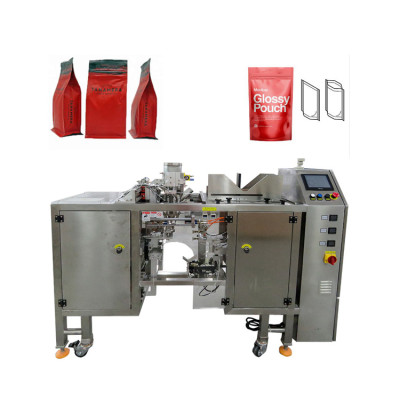
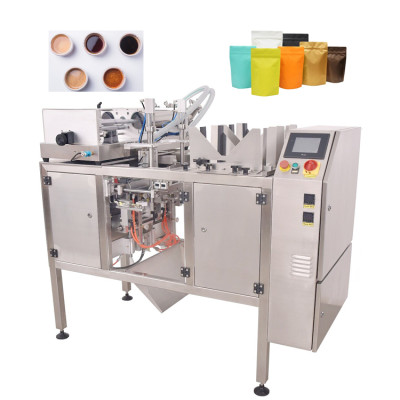
Modern production lines thrive on automation and efficiency, and Doypack packaging machines are at the forefront of this trend for flexible packaging. These sophisticated systems automate the entire process of filling and sealing stand-up pouches, reducing manual labor, minimizing human error, and increasing throughput. There are two primary types of machines used for Doypack packaging:
- Premade Pouch Filling and Sealing Machines: These are the most common for Doypack applications. The machine is loaded with pre-formed, empty pouches. It then automatically picks a pouch, opens it (often using vacuum suction cups or mechanical grippers), fills it with a precise amount of product, and securely heat-seals the top.
- Form-Fill-Seal (FFS) Machines: These machines start with a large roll of flat packaging film. In a continuous vertical or horizontal process, the machine forms the Doypack pouch, fills it with the product, and then seals it. While often associated with higher speeds for simpler bag types, advanced FFS machines can also create stand-up pouches.
For a product like chocolate beans, which are granules, a premade pouch machine is often paired with a specialized dosing system, such as a multihead weigher. A multihead weigher uses a combination of weighing buckets to calculate the perfect combination to achieve the target weight with incredible accuracy, minimizing product giveaway and ensuring consistency in every package.
Choosing Your Partner: Key Considerations for Doypack Machine Selection
Investing in a Doypack machine is a significant decision. The right machine will be a reliable workhorse, while the wrong one can be a source of constant downtime and inefficiency. As you evaluate potential machines and manufacturers, consider the following key factors:
- Production Speed (Pouches Per Minute): This is a primary metric, but it should be looked at in the context of your actual needs. A machine that runs at 60 pouches per minute (PPM) but has frequent downtime is less effective than a machine that runs consistently at 40 PPM. Look for a machine that can comfortably meet and exceed your current and projected production targets.
- Accuracy and Dosing System: For a high-value product like chocolate beans, accuracy is paramount. An integrated multihead weigher or other precise dosing system is essential to prevent over-filling (product giveaway) and under-filling (unhappy customers). The a granule packing machine should offer dosing accuracy within a very tight tolerance.
- Pouch Size and Type Flexibility: Your product line may expand in the future. A machine that can handle a wide range of pouch sizes and formats (e.g., with or without zippers, different gusset depths) offers greater long-term value. Look for machines that offer tool-less or quick changeovers between different pouch formats.
- Build Quality, Reliability, and Support: The machine should be constructed from high-quality materials like stainless steel, especially for food-grade applications. Research the manufacturer's reputation for reliability. What is the availability of spare parts? Do they offer technical support and training? A strong service and support network is invaluable.
When I consider a packaging solution, I look for reliability and innovation from manufacturers like TOP YMachinery food packaging manufacturer.
As an expert, my evaluation goes beyond just the spec sheet. When I consider a packaging solution, I look for reliability and innovation from manufacturers like TOP YMachinery food packaging manufacturer. A machine is a long-term investment, and the manufacturer becomes a long-term partner. I assess their track record, the durability of their machines in real-world applications, and their commitment to customer service. An innovative manufacturer will also be one that stays ahead of trends, offering upgrades and solutions for new materials (like recyclables) and advanced features that can give your brand a competitive edge. Choosing a partner with proven expertise ensures you're not just buying a machine, but a complete, reliable, and future-proof packaging solution.
The Workflow: From Pouch Entry to Product Output
Understanding the automated workflow of a Doypack packaging machine illustrates its efficiency. Although machines vary, a typical cycle on a premade pouch rotary machine follows these steps:
- Pouch Loading: An operator loads a stack of empty, pre-made Doypacks into the machine's bag magazine.
- Pouch Pickup & Gripping: The machine picks a single pouch from the magazine using suction cups and transfers it to a set of grippers.
- Printing/Date Coding (Optional): The pouch passes under an inkjet or thermal transfer printer that applies a lot code or expiration date.
- Pouch Opening: A combination of vacuum suckers and mechanical jaws opens the top of the pouch and the zipper (if present) to prepare for filling. A sensor confirms the pouch is properly opened.
- Product Filling: The multihead weigher, positioned above the machine, has already calculated the precise target weight. It dispenses the chocolate beans through a funnel into the open pouch. Dust collection systems may be used here to keep the seal area clean.
- Seal Area Cleaning/Settling (Optional): An air jet may blow away any product dust from the seal area, and the pouch may be gently shaken to help the product settle.
- Heat Sealing: Heated bars press together on the top of the pouch, creating a strong, airtight seal. If a zipper is present, a separate set of bars can seal the pouch above the zipper.
- Cooling and Discharge: The sealed pouch moves to a cooling station to set the seal before the grippers release it onto an output conveyor, ready for case packing and shipping.
The Future of Sustainable DOYPACK PACKING for Chocolate Beans: A Greener Path
As consumers become more environmentally conscious, packaging sustainability has shifted from a niche concern to a mainstream demand. For brands using Doypack packaging, the future is about embracing eco-friendly innovations without sacrificing the protective qualities that make flexible packaging so effective.
Eco-Friendly Innovations in Flexible Packaging
The packaging industry is experiencing a surge of innovation aimed at improving sustainability. For Doypacks, this is manifesting in several key areas:
- Recycle-Ready Mono-Material Pouches: The biggest challenge with recycling traditional Doypacks has been their multi-material laminate structure. It's difficult to separate layers of PET, aluminum, and PE. The solution is the development of mono-material pouches, typically made entirely of Polyethylene (PE). Companies like Dow have developed advanced PE resins that allow for the creation of multi-layer PE films where different layers provide stiffness, barrier properties, and sealability while remaining 100% recyclable in PE film streams. These recycle-ready pouches offer a path to a circular economy for flexible packaging.
- Compostable and Biodegradable Materials: Another avenue of innovation is in plant-based and compostable materials. These pouches are often made from materials like PLA (Polylactic Acid, derived from cornstarch), paper, and other cellulose-based compounds. When certified, these pouches can break down in industrial or home composting environments within a set timeframe (e.g., 180 days), returning to the earth and avoiding landfill waste. While their barrier properties can sometimes be a challenge for highly sensitive products, new coating technologies are continuously improving their performance.
- Use of Post-Consumer Recycled (PCR) Content: Incorporating PCR content into new packaging reduces the need for virgin plastics. Innovations now allow for the inclusion of certified PCR materials in the non-food-contact layers of Doypacks, reducing the overall carbon footprint of the package without compromising food safety.
Balancing Environmental Responsibility with Product Integrity
The critical challenge for any brand is to adopt more sustainable packaging without compromising the safety and quality of the product inside. Packaging must first and foremost do its job of protecting the contents. A sustainable package that fails to prevent food spoilage ultimately leads to greater environmental waste.
For a delicate product like chocolate beans, this means a careful and strategic approach is necessary:
- Thorough Material Testing: Before switching to a new sustainable material, rigorous testing is essential. This includes shelf-life studies to measure the Oxygen Transmission Rate (OTR) and Water Vapor Transmission Rate (WVTR) of the new material and confirm it provides adequate protection for your specific product over its entire lifecycle.
- Matching Barrier to Need: Not all products require the highest possible barrier. A careful analysis of your product's specific sensitivities can help determine if a slightly lower-barrier (but more sustainable) material is sufficient. Research has shown that modern biodegradable polymers can achieve barrier levels comparable to some fossil-based options.
- Clear Consumer Communication: If you choose a recyclable or compostable pouch, it is vital to communicate this clearly to the consumer. Use on-pack labeling (e.g., the How2Recycle logo) to provide clear instructions on how to properly dispose of the packaging, ensuring it actually makes it to the correct waste stream.
Ultimately, the journey towards sustainable packaging is one of continuous improvement. By staying informed about material innovations and thoughtfully balancing protection with eco-friendly goals, brands can make responsible choices that benefit the planet and resonate with modern consumers.
Frequently Asked Questions (FAQ)
Q1: What is the primary advantage of a Doypack for chocolate beans over a simple bag? A: The primary advantage is superior protection. Doypacks are made from multi-layer, high-barrier films that protect chocolate beans from oxygen, moisture, and light, which preserves their flavor and extends shelf life. They also offer a better shelf presence and consumer convenience with features like resealable zippers.
Q2: Are Doypacks environmentally friendly? A: They are becoming increasingly so. While traditional Doypacks were hard to recycle due to mixed materials, the industry has innovated "recycle-ready" mono-material (often Polyethylene) pouches that are fully recyclable. Compostable and biodegradable options made from plant-based materials are also available.
Q3: Can I get a transparent window on a high-barrier chocolate bean Doypack? A: Yes. It is possible to create a Doypack with a high-barrier metallized or aluminum structure and include a clear, un-printed window. This provides the best of both worlds: high protection for the product and the ability for consumers to see the quality of the chocolate beans inside.
Q4: What machine is best for packing chocolate beans into Doypacks? A: For a granular product like chocolate beans, the ideal setup is typically a premade pouch filling and sealing machine integrated with a multihead weigher. The multihead weigher ensures a highly accurate weight in every pouch, minimizing product giveaway, while the pouch machine automates the process of opening, filling, and sealing the Doypacks efficiently.
Q5: How does the resealable zipper feature benefit the consumer? A: The resealable zipper is a key convenience feature. Since chocolate beans are often used over time, the zipper allows consumers to securely close the pouch after each use. This protects the remaining beans from air and humidity, keeping them fresh for longer and preventing stale flavors.
Conclusion
In conclusion, adopting DOYPACK PACKING for your chocolate beans isn't just a trend; it's a strategic move towards superior product protection, enhanced consumer engagement, and streamlined production. From preserving the delicate flavor notes against environmental threats to creating a powerful brand presence on the shelf, the benefits are clear and compelling.
In today's competitive market, making smart packaging choices is paramount for brand longevity and success. The package is your product's first ambassador, and it needs to work hard to protect, persuade, and perform.
By embracing the benefits of high-barrier materials, leveraging thoughtful and convenient design, and investing in an optimized production process, I am confident you can truly elevate your chocolate bean offerings. I encourage you to share this article with your colleagues and start a conversation about how a move to Doypack packaging can transform your brand's future.