Case Study: Coffee Roaster Scaled 200 to 2,000 Bags/Day
The Short Answer: How a Coffee Roaster Scaled from 200 to 2,000 Bags/Day
Short answer: a mid-size specialty coffee roastery scaled from 200 to 2,000 bags per day — a 10x jump — by replacing manual scoop-and-seal packaging with a fully automated coffee packaging line. The upgrade cut packaging labor by 60%, reduced give-away per bag to near zero with multihead weighing accuracy, and extended product shelf life from 3 months to 12 months through airtight sealing and degassing-valve bags. The complete transition took 18 months: line planning and custom machine configuration, installation, commissioning, and a phased ramp-up from 400 to 2,000 bags/day. Equipment was supplied by TOP Y MACHINERY, a coffee packaging machine manufacturer with 20 years of experience and full customization capability — from bag size and weighing range to degassing valve placement and sealing temperature profiles.
This case study walks through exactly how that roastery did it — the before-and-after numbers, the machine configuration that replaced manual labor, the 18-month upgrade timeline, the packaging science behind the 3-to-12-month shelf life extension, and the equipment decisions that mattered most. It is written for coffee roasters, café chains, and small-batch producers asking the same question: how do we scale packaging without scaling headcount?
Before vs After: 10x Output, 60% Less Labor, 9 Extra Months of Shelf Life
The scale-up was measured, not improvised. Before the upgrade, the roastery packed coffee by hand: operators weighed each portion with a bench scale, filled bags one at a time, and heat-sealed them with a manual impulse sealer. Output was capped at roughly 200 bags/day across a 10-hour shift, quality depended on operator consistency, and coffee went stale quickly because bags were not flushed or sealed hermetically. After commissioning the automated line, the same team — fewer people, actually — produced 2,000 bags/day with machine-consistent fill weights and package seals. The numbers below are the summary the owner kept on the wall:
| Metric | Before (Manual) | After (Automated Line) | Change |
|---|---|---|---|
| Daily output | 200 bags / 10-hour shift | 2,000 bags / 8-hour shift | 10x throughput |
| Packaging labor | 6 operators | 2–3 operators (supervise + changeover) | 60% labor cut |
| Fill accuracy | ±5 g on a 250 g bag (manual scoop) | ±1–2 g (multihead weigher) | Less give-away, consistent portions |
| Seal quality | Hand-sealed, inconsistent | PLC-controlled temperature + pressure | Zero leakers in production runs |
| Shelf life | 3 months | 12 months | +9 months |
| Cost per bag (packaging) | High — labor-dominated | ~60% lower packaging cost per bag | ROI reached in 11 months |
The two numbers that mattered most to the owner were output and shelf life. The 10x output let the roastery take on wholesale and e-commerce orders it had been turning away, and the 9-month shelf-life extension changed the business model — roasters could now ship to distributors and retailers instead of selling only within a local radius.
The 18-Month Scale-Up Timeline
The roastery treated packaging as a project, not a purchase. The 18-month timeline below is what a realistic coffee packaging automation project looks like when the machine is customized to the product — TOP Y MACHINERY engineers matched the weigher head count, bag size range, film type, and sealing parameters to this roastery's actual bags before production started.
Month 0–2 — Output audit and line design
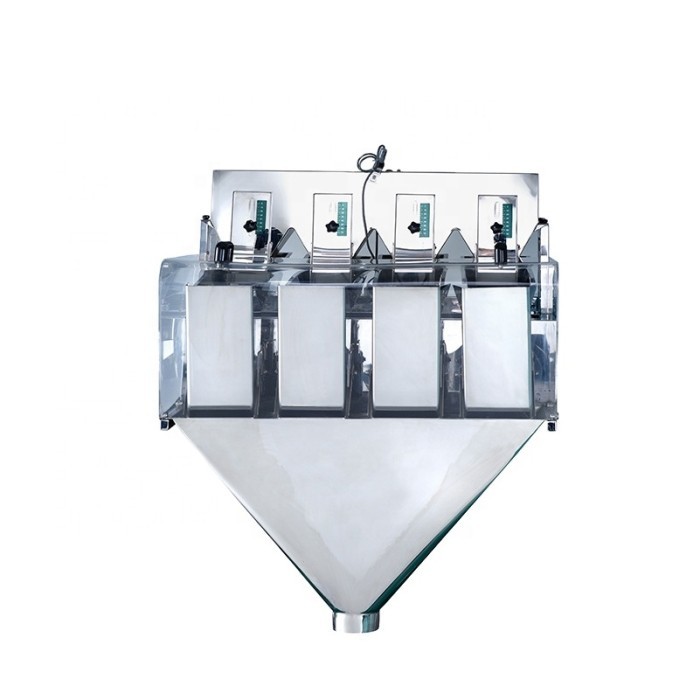
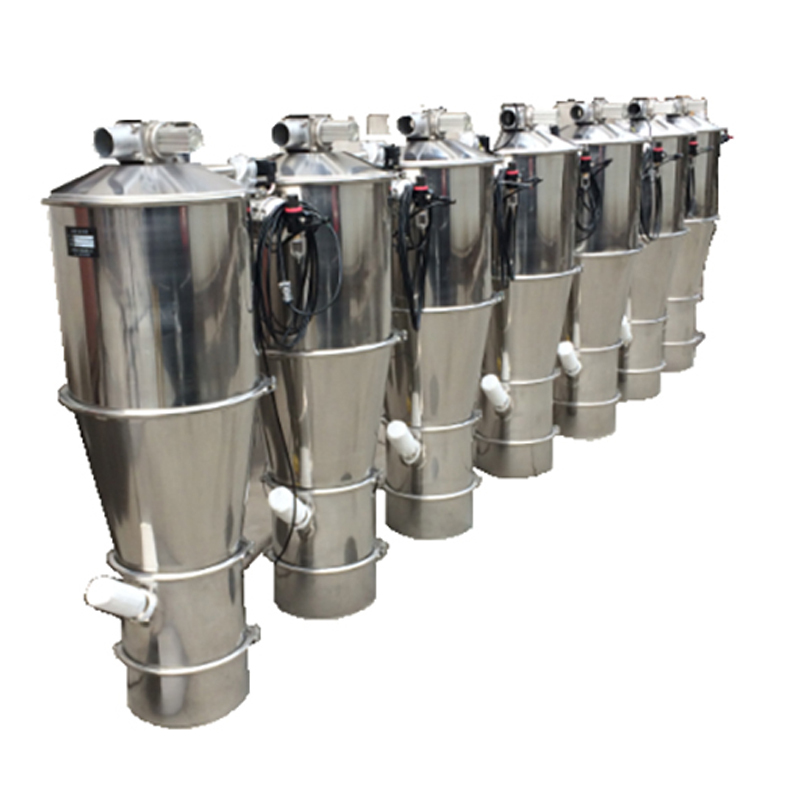
The roastery measured current output, labor cost per bag, give-away, and stale-return complaints, then defined targets: 2,000 bags/day, 250 g retail and 1 kg wholesale formats, zipper and degassing-valve bags. With TOP Y's engineers they selected a line layout — vacuum loader feeding, multihead weigher, bagger, checkweigher — sized for the 2,000-bag target with headroom for 3,000.
Month 3–4 — Custom machine configuration
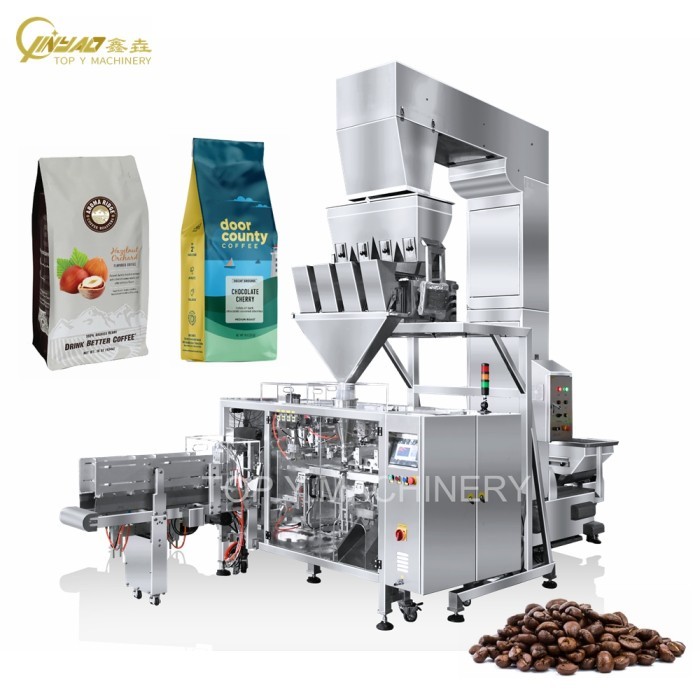
Because TOP Y customizes each line, the roastery locked specific parameters: a 14-head multihead weigher for ±1–2 g accuracy on whole beans, a vacuum loader to move roasted beans from the cooling tray to the weigher hopper, bag dimensions for 250 g and 1 kg formats, and a degassing-valve punching station for valve-equipped bags. Production of the machines started after the specification was frozen.
Month 5–6 — Installation and commissioning
The line shipped and was installed in one week; TOP Y engineers commissioned it on site and trained the operators for three days. The first week of production ran at 400 bags/day while operators learned changeover, film threading, and the PLC recipe screen.
Month 7–12 — Phased ramp-up
Output stepped up monthly: 800 bags/day by month 8, 1,200 by month 10, 1,600 by month 12. Each step was gated on stable seal quality and fill accuracy data from the checkweigher. Labor moved from six operators to three as the line proved itself.
Month 13–18 — Full capacity and new sales channels
By month 13 the line ran at 2,000 bags/day consistently, and the roastery added a second shift to reach 4,000 on peak weeks. With 12-month shelf life on retail bags, the roastery signed its first national distributor and started e-commerce subscription packs — the two channels the old 3-month shelf life had made impossible.
From 3-Month to 12-Month Shelf Life: The Packaging Science
The shelf-life gain was the least expected and most valuable result. Whole-bean coffee stays fresh as long as oxygen and moisture stay out. The old manual process left two failure points: the bag was not purged of air before sealing, and hand seals were inconsistent — micro-leaks let oxygen in and the coffee went stale in about 3 months. The automated line fixed both:
- Gas-flush capability: the bagger can flush nitrogen into the bag before sealing, displacing oxygen. Bags sealed with nitrogen purge measured under 2% residual oxygen versus 20.9% in the atmosphere.
- PLC-controlled sealing: consistent temperature (typically 150–180°C for coffee pouch films) and sealing pressure on every bag, eliminating the micro-leak failures of hand sealing.
- Degassing-valve bags: for fresh-roasted beans that release CO₂, the roastery switched to one-way valve bags; the valve lets CO₂ out without letting oxygen in, so bags no longer ballooned and freshness held for 12 months.
- Inline checkweighing: every bag passes a checkweigher that rejects out-of-weight packs before they reach the carton, protecting both the brand and the wholesale customer's net-weight compliance.
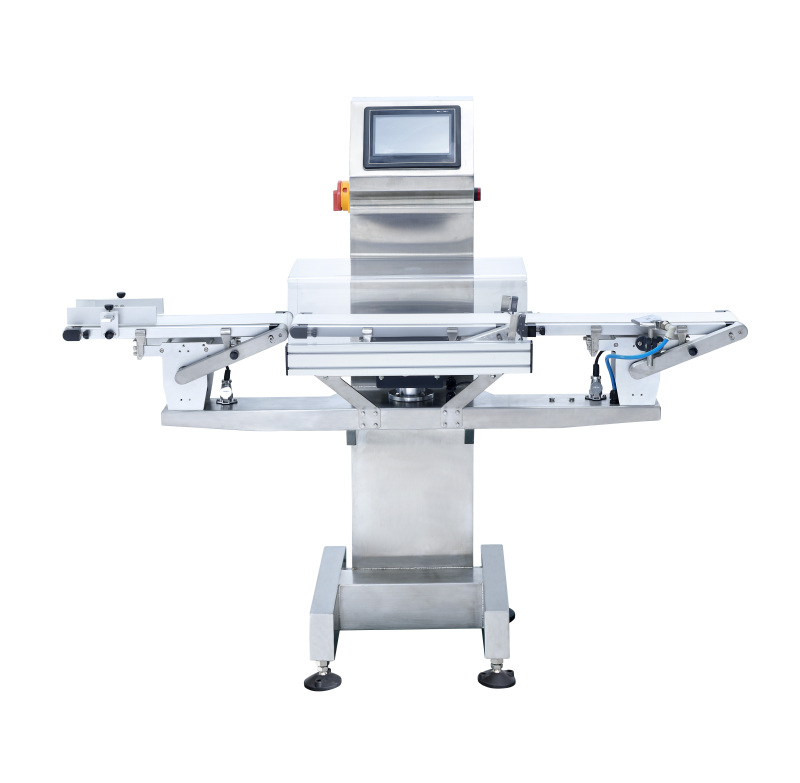
The measurable result: 12-month shelf life on valve bags with nitrogen flush, verified by the roastery's lab (cupping and oxygen-headspace tests at 3, 6, 9, and 12 months). Stale-return complaints dropped to near zero, and the distributor channel opened up.
Frequently Asked Questions
How much faster is an automated coffee packaging line than manual packing?
A typical automated line with multihead weigher and bagger runs at 30–60 bags per minute — roughly 2,000–3,600 bags per 8-hour shift — compared with 200 bags per day for a manual scoop-and-seal operation. That is a 10x or greater throughput difference on the same floor space.
How much labor does coffee packaging automation actually save?
In this case, packaging labor dropped 60%, from six operators to two or three. The saving comes from eliminating manual weighing, bag filling, sealing, and inspection — the line does all four automatically, and operators focus on supervision, changeover, and film replacement.
Why did shelf life increase from 3 months to 12 months?
Two reasons: oxygen and seal integrity. Nitrogen gas flushing before sealing reduces residual oxygen inside the bag, and PLC-controlled sealing eliminates the micro-leak failures of hand sealing. Adding one-way degassing valves lets fresh-roasted coffee release CO₂ without letting oxygen back in — together these extended shelf life from 3 to 12 months.
Can a coffee packaging machine handle different bag sizes and formats?
Yes, with customization. TOP Y MACHINERY configures each line for the roastery's actual bag range — this roastery runs 250 g retail zipper bags and 1 kg wholesale bags on the same machine family, with recipe-based changeover in minutes. Degassing valve punching, zipper application, and gas flushing are all optional modules that can be added.
What is the ROI timeframe for a coffee packaging line?
This roastery reached payback in about 11 months, driven by the 60% labor cut and the new wholesale and e-commerce revenue that the 12-month shelf life unlocked. Payback varies with labor rates and volume, but the labor savings alone usually justify the investment within 12–24 months at 1,000+ bags/day.
How long does it take to plan, install, and commission a custom coffee packaging line?
Plan for roughly 4–6 months from specification to first production: 2 months of output audit and line design, 1–2 months of custom machine manufacturing, and about 1 month for delivery, installation, and commissioning. Full ramp-up to 2,000 bags/day then took this roastery another 6–8 months of phased volume increases.
The Machines Behind This Scale-Up — Coffee Packaging Lines from TOP Y MACHINERY
TOP Y MACHINERY designed, built, and commissioned this roastery's line — and every line is customized to the product. With 20 years of experience in food packaging machinery, TOP Y configures each coffee packaging system for the roastery's bag sizes, fill weights, film materials, and freshness requirements, and provides installation, operator training, and after-sales support. Two machines anchored this project:
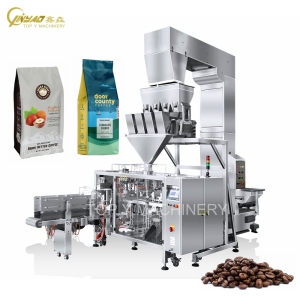
TOPY-MDPL Horizontal Packing Machine
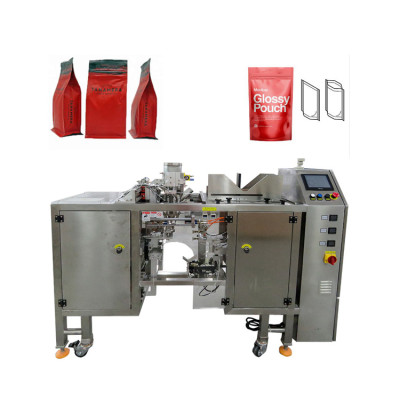
Premade zipper-pouch coffee bean packaging machine with multihead weigher integration — the machine that packages this roastery's 250 g retail zipper bags at high speed, with PLC-controlled sealing and optional gas flush for extended shelf life.
View product details →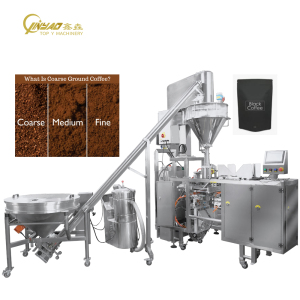
TOPY-MDP1 Multifunction Doypack Machine
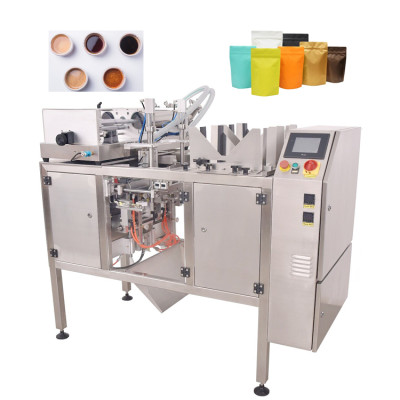
Compact premade doypack packaging machine for coffee beans and coffee powder — a flexible entry-level automated option for roasteries scaling past manual packing, customizable with auger or weigher filling and valve-bag options.
View product details →Every roastery is different, and TOP Y MACHINERY's engineering team starts each project with an output audit and line design — matching weigher head count, bagging speed, film specs, and freshness features to the roaster's actual production targets. Request a Custom Coffee Packaging Line Quotation or browse the full food packaging machine range to start your own scale-up.