What is a Horizontal Pouch Packing Machine and How Does it Work?
As we delve into the world of packaging technology, it's essential to explore a crucial innovation: the horizontal pouch packing machine. This piece of equipment is a cornerstone of modern manufacturing, and my aim is to illuminate its function and profound significance. This blog post will provide comprehensive insights into what a horizontal pouch packing machine is, how it operates, its diverse applications across various sectors, and the compelling advantages it offers, transforming production lines worldwide.
Key Takeaways
- Definition and Function: A horizontal pouch packing machine is an automated system that fills and seals pre-made pouches or forms, fills, and seals pouches from a roll of film, all in a horizontal orientation. This process is highly efficient and versatile.
- Core Operational Steps: The machine's workflow typically involves automated pouch feeding and opening, precise product filling using various dosing systems (like auger fillers for powders or piston fillers for liquids), secure sealing using heat or ultrasonic methods, and finally, ejecting the finished product.
- Types of Machines: The two primary types are Horizontal Form-Fill-Seal (HFFS) machines, which create pouches from a flat roll of film, and pre-made pouch filling machines, which work with already fabricated pouches. Each type serves different production needs and scales.
- Wide-Ranging Applications: These machines are incredibly versatile, used across numerous industries including food and beverage (for snacks, liquids, sauces), pharmaceuticals (for pills, powders), cosmetics (for creams, gels), and pet food.
- Key Advantages: The main benefits of using a horizontal pouch packing machine include significantly increased automation and efficiency, consistent and high-quality packaging, reduction in material waste and labor costs, and immense flexibility in handling various pouch types, sizes, and products.
- Choosing the Right Machine: When selecting a machine, key factors to consider are your required production capacity (pouches per minute), the types of packaging materials you will use, the machine's physical footprint and how it will integrate into your existing layout, and the level of automation needed for your operations.
Understanding the Horizontal Pouch Packing Machine: What Is It?
The world of packaging is vast and intricate, but few machines have revolutionized the process as much as the horizontal pouch packing machine. Its ability to combine speed, precision, and flexibility has made it an indispensable asset for countless businesses. But to truly appreciate its impact, we must first understand what it is and how it distinguishes itself from other packaging systems.
Defining the Horizontal Pouch Packing Machine
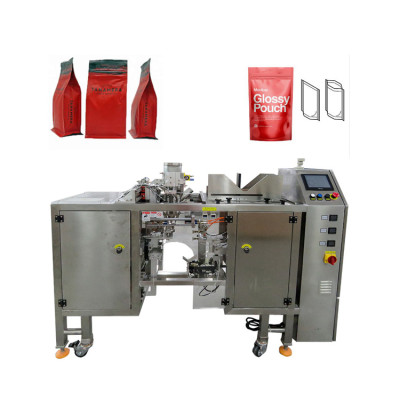
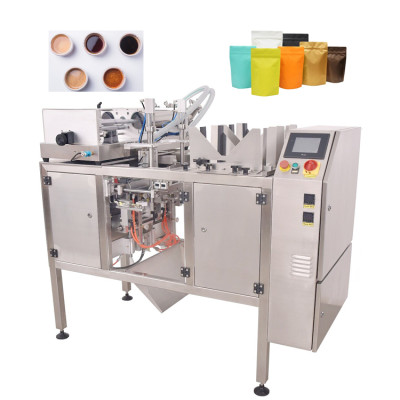
At its core, a horizontal pouch packing machine is a piece of semi or fully automated equipment designed to fill and seal pouches or bags. The process happens, as the name implies, in a horizontal orientation. These machines are engineered to handle two primary types of operations: working with pre-made pouches or forming the pouches themselves from a roll of flexible material before filling and sealing them. This dual capability makes them exceptionally versatile.
There are several categories of these machines, but they are often categorized by the type of pouch they handle:
- Horizontal Form-Fill-Seal (HFFS) Machines: These sophisticated systems start with a large roll of flat packaging film, form it into a pouch, fill it with the product, and then seal it, all in one continuous, horizontal motion.
- Pre-made Pouch (Pick-Fill-Seal) Machines: These machines work with bags that are already manufactured. They automate the process of picking a pouch from a stack, opening it, filling it with the product, and sealing it shut. This is ideal for companies that require unique bag designs or premium finishes that are best produced in advance.
These machines are true workhorses, capable of packaging a vast array of products, including powders, granules, liquids, pastes, and solid items. Their widespread use in the food, pharmaceutical, and cosmetics industries speaks to their efficiency and adaptability.
How a Horizontal Pouch Packing Machine Differs from Traditional Systems
To fully grasp the unique value of a horizontal pouch packing machine, it's helpful to compare it to its counterpart, the vertical form-fill-seal (VFFS) machine. While both automate packaging, their fundamental difference lies in their operational orientation and the types of products they handle best.
| Feature | Horizontal Pouch Packing Machine (HFFS/Pre-Made) | Vertical Pouch Packing Machine (VFFS) |
|---|---|---|
| Product Flow | Products move along a conveyor and are loaded into pouches horizontally. | Products are dropped vertically into a tube of film, using gravity. |
| Best Suited For | Solid, single-item, irregularly shaped, or fragile products like snack bars, soap, medical devices, and baked goods. | Free-flowing, loose, or granular products like coffee, sugar, grains, powders, and liquids. |
| Pouch Types | Highly versatile. Can handle a wide variety of pre-made pouches, including stand-up pouches, zipper bags, spouted pouches, and custom shapes. It also supports complex closures. | Primarily creates simpler bag styles like pillow bags and gusseted bags from a roll of film. |
| Speed | Often faster for individual, stable items, capable of reaching high outputs for consistent product shapes. | Can be extremely fast for bulk products, especially when paired with multi-head weighers, but may be slower for single items. |
| Footprint | Generally requires more floor space due to the long horizontal conveyor system. | More compact and space-efficient due to its vertical design, making it ideal for facilities with limited space. |
| Flexibility | Offers superior flexibility in terms of pouch styles and the ability to handle multiple product types on one machine. It also allows for more complex presentations. | Often dedicated to a specific product type (e.g., liquid or powder) and offers less flexibility in pouch design compared to pre-made pouch machines. |
In essence, the choice between a horizontal and a vertical system depends heavily on the product itself. If you are packaging solid items that need careful handling or require premium, feature-rich pouch designs (like zippers or spouts), the horizontal machine is the superior choice. If you are packaging bulk, free-flowing goods where speed and a small footprint are priorities, a vertical machine is often more suitable.
The Operational Workflow of a Horizontal Pouch Packing Machine
Understanding the step-by-step process of a horizontal pouch packing machine reveals a symphony of mechanical precision and automation. From the moment a pre-made pouch enters the system to its final sealed state, every action is meticulously coordinated to ensure efficiency, consistency, and product integrity.
Step-by-Step: The Journey of a Pouch through the Horizontal Pouch Packing Machine
Whether the machine is a horizontal form-fill-seal (HFFS) model or one that handles pre-made pouches, the core process follows a logical and automated sequence. Let's focus on the popular pre-made pouch process.
Utilizing Pre-made Pouches
The entire operation begins with loading stacks of empty, pre-made pouches into the machine's magazine or hopper. These pouches are already formed, gusseted, and can include features like zippers or spouts. This initial step simplifies the overall process, as the machine does not need to form the bag itself, saving time and potential material waste. The use of pre-made pouches is particularly advantageous for brands that want highly customized or visually intricate packaging to stand out on the shelves.
Automated Pouch Feeding and Opening
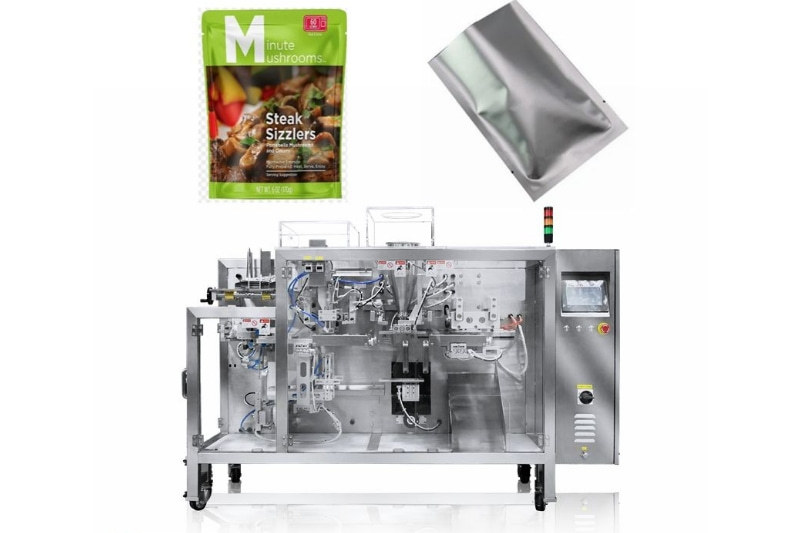
Once loaded, the automated journey begins. A robotic arm or a vacuum loader picks up a single pouch from the magazine and transfers it to a set of grippers. These grippers will securely hold the pouch as it travels through the various stations of the machine.
Next is the critical opening stage. For pouches with a zipper, a vacuum suction pad typically grabs the lower part of the pouch while opening jaws catch the top side. The jaws separate to pull the pouch open, and a jet of clean air is often blown into the pouch to ensure it is fully inflated and ready for filling. Advanced machines are equipped with sensors at this station; if a bag is not detected or fails to open correctly, the subsequent filling and sealing stations will not engage for that cycle, preventing product spillage and waste.
Precise Product Filling
With the pouch open, it moves to the filling station. Here, a dosing system dispenses a precise amount of the product into the pouch. The type of filler used is highly dependent on the nature of the product itself:
- Auger Fillers: Ideal for powders and fine granules like flour, spices, and protein mixes. A rotating screw (auger) dispenses a controlled volume of product.
- Multi-Head Weighers: Used for solids and irregular-shaped items like snacks, candies, and frozen foods. Multiple weighing buckets work together to create the exact target weight, ensuring high accuracy.
- Liquid and Piston Fillers: Designed for liquids, pastes, and gels such as sauces, creams, and beverages. A piston draws in and dispenses a precise volume of the product.
- Volumetric Cup Fillers: Excellent for free-flowing granules of a consistent size, like rice or seeds, where a specific volume corresponds to a consistent weight.
Some machines offer optional features at this stage, such as a "pouch shaker" to help the product settle at the bottom or a gas flush system (Modified Atmosphere Packaging) that injects nitrogen to displace oxygen and extend shelf life.
Sealing and Ejection
After filling, the pouch top must be securely sealed to protect the contents. Before sealing, deflator plates may gently squeeze excess air out of the bag. Then, a pair of heated seal bars press together on the top edge of the pouch. The combination of heat and pressure fuses the sealant layers of the film, creating a strong, hermetic seal.
Immediately following the heat seal, a cooling bar often presses against the area to quickly set the seal, ensuring its strength and giving it a flat, professional appearance. Finally, the grippers release the finished pouch, which is then ejected from the machine onto a discharge conveyor. From there, it can be sent to downstream equipment for case packing or cartoning.
Key Components of a Horizontal Pouch Packing Machine
A horizontal pouch packing machine is a complex assembly of integrated systems that work in harmony. Understanding the core components provides insight into the machine's durability, precision, and versatility.
Durable Main Body and Frame
The foundation of any industrial machine is its frame. For horizontal pouch packing machines, especially those used in the food and pharmaceutical industries, the main body and frame are typically constructed from high-grade stainless steel, such as 304 or 316. This material is chosen for its exceptional durability, resistance to corrosion, and hygienic properties. A robust, fully welded steel framework ensures the machine can withstand the rigors of continuous, high-speed operation for decades while also making it easy to clean and maintain, a critical factor for GMP (Good Manufacturing Practices) compliance.
Pouch Opening and Filling Systems
This is where the machine's precision and adaptability truly shine. The system consists of several key parts:
- Pouch Magazine: This component holds the stack of pre-made pouches, feeding them into the machine one by one.
- Pouch Grippers and Transport: Once a pouch is picked, a set of mechanical grippers securely holds it and moves it horizontally from one station to the next. High-end machines feature grippers that can support significant weight, allowing them to handle even large, heavy pouches.
- Opening Mechanism: This system uses a combination of vacuum suction cups and mechanical jaws to gently but firmly open the pouch. An air blower is then used to inflate the pouch, ensuring it's fully open for a clean fill.
- Dosing/Filling System: As detailed previously, this is the integrated equipment (auger, weigher, pump, etc.) that dispenses the product into the opened pouch with high accuracy. The choice of filler is critical and must be matched to the product's characteristics—be it liquid, powder, or solid—to ensure correct measurement and a clean fill.
Advanced Sealing Mechanisms in Horizontal Pouch Packing Machines
The final and most critical step for product integrity is sealing. Modern machines employ advanced mechanisms to create a perfect seal every time.
- Heat Sealing: This is the most common method, where a pair of heated bars clamp down on the pouch opening. The combination of direct heat and pressure melts the inner sealant layers of the film, fusing them together to create a strong, airtight seam.
- Ultrasonic Sealing: This advanced technology uses high-frequency vibrations to generate friction and heat between the film layers. This method is exceptionally fast and creates a strong, hermetic seal even if the seal area is contaminated with product dust or liquids. It's also more energy-efficient than traditional heat sealing.
- Impulse Sealing: An alternative where a brief pulse of electricity heats a wire, which then seals the pouch. It allows for rapid cooling and is suitable for certain thermoplastic materials.
In addition to the primary sealing mechanism, the station often includes components like deflators to remove excess air and cooling bars to immediately strengthen the seal.
Types of Horizontal Pouch Packing Machines I Use at TOP Y Machinery
As a leading manufacturer, TOP Y MACHINERY specializes in a range of horizontal pouch packing machines, each designed to meet specific production needs. Understanding the differences between these types is key to selecting the right solution for your business.
HFFS (Horizontal Form-Fill-Seal) Machines
HFFS machines are the all-in-one powerhouses of pouch packaging. They start with a flat roll of packaging film and perform every step—forming the pouch, filling it with product, and sealing it shut—in a single, continuous horizontal process. This integrated approach is incredibly efficient and cost-effective for high-volume production. Because you're creating the bag on-the-fly, the cost per bag is significantly lower than using pre-made pouches. HFFS machines are highly versatile and can produce a variety of pouch styles, from simple pillow packs to more complex stand-up pouches, making them ideal for industries like snack foods, coffee, and pharmaceuticals.
Pre-made Pouch Loading Machines
Also known as pick-fill-seal machines, this equipment is designed to work with pouches that have already been manufactured. This is the ideal solution when packaging quality and brand presentation are paramount. Pre-made pouches can be produced with premium features that are difficult to create on an HFFS machine, such as high-quality printing, custom shapes, hang holes, spouts, and robust press-to-close zippers.
The machine automates the process of picking a pouch from a magazine, opening it, filling it accurately, and sealing it. While the cost per pouch is higher, the tradeoff is superior shelf appeal and consumer convenience. These machines are perfect for a wide range of products, from granola and pet food to sauces and craft beverages.
Multi-lane Horizontal Filling Machines
For businesses that need to maximize throughput for small-dose products, the multi-lane horizontal filling machine is the ultimate solution. These machines are designed to package products across multiple parallel lanes simultaneously, dramatically increasing output without requiring a proportionally larger footprint. For example, a four-lane machine can produce four sachets or stick packs in the same time it takes a single-lane machine to produce one.
These systems are commonly used for products like sugar, instant coffee, ketchup sachets, and single-dose pharmaceuticals. They can be configured as either HFFS or pre-made pouch systems, but their defining feature is the ability to multiply production capacity, making them indispensable for high-volume, small-format packaging operations.
Versatile Applications of the Horizontal Pouch Packing Machine
The true strength of the horizontal pouch packing machine lies in its incredible versatility. Its ability to handle a wide range of product types and packaging formats has made it an essential tool across a multitude of industries. From fine powders to chunky solids and viscous liquids, this technology adapts to meet diverse packaging challenges.
Packaging Powders and Granules with a Horizontal Pouch Packing Machine
When it comes to packaging powders and granular products, precision, hygiene, and containment are paramount. Horizontal pouch packing machines are expertly designed for these materials, utilizing specialized filling systems to ensure accuracy and minimize dust.
The most common dosing system for powders is the auger filler. This device uses a vertically oriented screw (the auger) that rotates within a funnel to dispense a precise volume of powder into the pouch. Auger fillers are exceptionally well-suited for non-free-flowing powders like flour, milk powder, and ground coffee because the screw provides positive displacement, forcing the product down into the pouch. The filling volume is controlled by the number of auger rotations, which can be precisely managed by a servo motor for high accuracy.
For free-flowing granules such as sugar, salt, rice, and seeds, a volumetric cup filler is often the preferred choice. This system operates by using a set of "telescopic" cups that can be adjusted to hold a specific volume. The product flows from a hopper into the cups, which then rotate and release their contents into the pouches. This method is simple, fast, and cost-effective for products with consistent particle size and density, where volume directly correlates with weight.
For both powders and granules, dust control is a critical consideration. Many horizontal pouch packing machines can be equipped with dust extraction systems at the filling station to maintain a clean environment and prevent powder from contaminating the seal area, which could compromise the integrity of the final package.
Handling Liquids, Pastes, and Gels with the Horizontal Pouch Packing Machine
The adaptability of horizontal pouch packing machines extends seamlessly to liquid, paste, and gel products. These materials present unique challenges, such as splashing, dripping, and the need for precise volumetric control, all of which are addressed by specialized machine configurations.
For these applications, the piston filler is the industry standard. A piston filler is a type of volumetric filler that uses a piston-and-cylinder mechanism to provide highly accurate and repeatable fills. The process is straightforward: the piston retracts, drawing a precise volume of product from a hopper into the cylinder. The piston then extends, dispensing that exact volume into the pouch through a nozzle. The fill volume can be easily adjusted by changing the stroke length of the piston.
Key features for liquid and paste handling include:
- Drip-Free Nozzles: These specialized nozzles are designed to prevent product from dripping after the fill cycle is complete, keeping the pouch seal area clean and preventing product waste.
- Heated Hoppers and Stirrers: For very thick or viscous products like caramel or heavy pastes, the machine can be equipped with a heated hopper to maintain product flowability. An agitator or stirrer can also be integrated to keep the product properly mixed and prevent it from settling.
- Spouted Pouch Compatibility: Horizontal pouch machines are particularly well-suited for filling and capping spouted pouches, which are popular for products like baby food, juices, sauces, and detergents. In this configuration, the machine often includes a capping station after filling to automatically apply and tighten the cap, creating a complete, ready-for-shelf product.
By using the correct filling system and nozzle design, horizontal pouch packing machines can handle everything from water-thin liquids to thick, chunky sauces with exceptional precision and hygiene.
Diverse Industries Benefiting from Horizontal Pouch Packing Machines
The flexibility in handling different products and pouch formats makes the horizontal pouch packing machine a valuable asset across a wide spectrum of industries. Its ability to create professional, convenient, and durable packaging enhances brand value and consumer satisfaction.
Food and Beverage Sector
This is arguably the largest and most diverse sector utilizing horizontal pouch packing machines. The ability to create convenient, shelf-stable, and visually appealing packages is critical for consumer food products. Stand-up pouches (Doypacks), often featuring zipper closures, have become ubiquitous on supermarket shelves.
Applications include:
- Snacks: Potato chips, nuts, pretzels, popcorn, and dried fruit are commonly packaged in gusseted or pillow pouches that protect the product from breakage and maintain freshness.
- Confectionery: Candies, chocolates, and gummies benefit from the secure sealing and attractive presentation of flexible pouches.
- Bakery and Grains: Cookies, crackers, granola, rice, and pasta are packaged efficiently while preserving texture and preventing moisture ingress.
- Coffee and Tea: Pre-made pouches with one-way degassing valves are perfect for whole bean or ground coffee, while hermetically sealed pouches keep tea fresh.
- Sauces and Liquids: Piston fillers allow for the clean and accurate packaging of ketchup, mayonnaise, salad dressings, and fruit juices, often in convenient spouted pouches. A horizontal doypack machine is particularly effective for these applications, creating stable, user-friendly stand-up pouches.
Pharmaceutical and Cosmetic Applications
In the pharmaceutical and cosmetic industries, hygiene, precision, and product integrity are non-negotiable. Horizontal pouch packing machines provide a sterile and controlled environment for packaging a wide range of sensitive products.
- Pharmaceuticals: These machines are used to package pills, capsules, tablets, and medicinal powders into pouches or sachets. The automated process minimizes human contact, reducing the risk of contamination. Accurate dosing is critical, and the precision fillers ensure each pouch contains the exact amount of medication required. Four-side seal sachets are common for single-dose powders like oral rehydration salts, as they provide an excellent hermetic seal.
- Cosmetics: The cosmetics market heavily relies on attractive and convenient packaging. Horizontal pouch machines are perfect for single-use samples or travel-sized portions of creams, lotions, gels, and shampoos. Stand-up pouches with spouts are also increasingly popular for refills of liquid soaps and lotions, promoting sustainability.
Personal Care and Pet Food Packaging
Beyond food and medicine, horizontal pouch machines are also a staple in the pet food and personal care industries, again demonstrating their wide-reaching utility.
- Personal Care & Household Goods: Flexible pouches have become a popular, eco-friendlier alternative to rigid containers for many household products. Liquid detergents, fabric softeners, soaps, and cleaning wipes are commonly found in durable, spill-resistant pouches. Stand-up spouted pouches are particularly effective for liquid refills, reducing plastic waste and shipping costs.
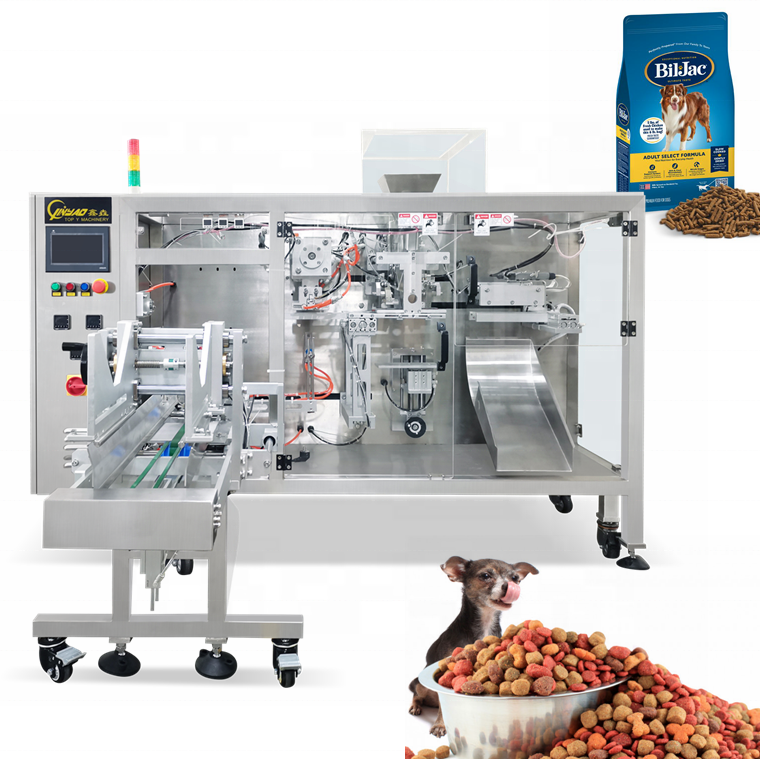
- Pet Food: The pet food industry has heavily adopted flexible pouch packaging. Stand-up pouches with zippers are the standard for dry kibble and treats, as they keep the product fresh and are convenient for pet owners. Wet pet food is also frequently packaged in retortable pouches, which are designed to be sterilized after sealing, ensuring a long shelf life without refrigeration.
Advantages of Employing a Horizontal Pouch Packing Machine in Your Operations
Investing in a horizontal pouch packing machine can fundamentally transform a production line. The benefits extend far beyond simply putting a product in a bag; they touch on efficiency, quality, cost, and brand perception. Embracing this automation is a strategic move that delivers a powerful return on investment.
Increased Automation and Efficiency with a Horizontal Pouch Packing Machine
The primary benefit of a horizontal pouch packing machine is the dramatic boost in operational efficiency. By automating the entire process—from pouch pickup to filling and sealing—these machines can achieve remarkable production speeds, with some models packaging hundreds of pouches per minute. This high-speed capability allows businesses to meet demanding production targets and significantly increase their throughput.
Automation also leads to a substantial reduction in manual labor. Tasks that once required multiple operators can be handled by a single machine, minimizing labor costs and reallocating valuable human resources to more complex tasks. The seamless integration of these machines into existing production lines further streamlines the workflow, reducing bottlenecks and ensuring a continuous, efficient process from start to finish.
Consistent Packaging Quality and Reduced Waste
Automation inherently brings precision. Unlike manual packaging, which is prone to human error, a horizontal pouch packing machine performs every action with machinelike consistency. This leads to several key quality improvements:
- Consistent Fill Levels: Automated dosing systems deliver the exact same amount of product into every pouch, eliminating costly overfills and preventing underfilled packages that can damage brand reputation.
- Superior Seal Integrity: Precise control over sealing temperature, pressure, and time ensures a strong, hermetic seal on every pouch. This protects the product from moisture, oxygen, and contaminants, extending its shelf life and preserving its quality.
- Reduced Product and Material Waste: The "no bag, no fill" function prevents the machine from dispensing product if a pouch is not correctly in place. Likewise, faulty pouches are often detected and rejected before filling or sealing, minimizing the waste of both product and packaging materials. Automated systems are also optimized to use packaging materials efficiently, further reducing operational costs.
Cost-Effectiveness and Operational Simplicity of the Horizontal Pouch Packing Machine
While the initial investment in automated machinery may seem substantial, the return on investment (ROI) is often rapid and significant. By reducing labor costs, minimizing product and material waste, and increasing throughput, the machine pays for itself over time. The high efficiency of these machines reduces the cost per unit, enhancing overall profitability.
Furthermore, modern horizontal pouch packing machines are designed for operational simplicity. They are equipped with user-friendly Human-Machine Interfaces (HMIs), often featuring intuitive touch screens. These interfaces allow operators to easily set parameters, store recipes for different products, and troubleshoot issues with guided on-screen diagnostics. This simplicity reduces the need for highly specialized operators and minimizes downtime associated with setup and changeovers.
Flexibility in Pouch Types and Orientations
One of the most compelling advantages of a horizontal pouch packing machine is its immense flexibility. These machines are not locked into a single package type or style; they can be adapted to handle a vast portfolio of pouch formats, allowing businesses to evolve their packaging along with market trends.
Pouch Types Supported by a Horizontal Pouch Packing Machine
Horizontal machines, particularly those that work with pre-made pouches, can accommodate an impressive variety of styles. This allows brands to choose packaging that is not only functional but also enhances shelf appeal and consumer convenience.
Commonly supported pouch types include:
- Stand-Up Pouches (Doypacks): A market favorite, these pouches have a gusseted bottom that allows them to stand upright on shelves, providing excellent brand visibility.
- Pillow Pouches: A simple, cost-effective pouch style sealed on the top, bottom, and along the back. It is ideal for a wide range of products, especially snacks.
- 3-Side and 4-Side Seal Pouches: These are flat pouches sealed on three or four edges. They are perfect for single-servings, samples, or small, flat items like pharmaceutical powders or face masks.
- Gusseted Bags: These bags have folds on the sides or bottom that expand to increase the internal volume, making them great for bulkier products like coffee or granola.
- Spouted Pouches: Ideal for liquids and purees, these pouches feature a built-in spout and cap for easy, resealable dispensing.
- Zipper Pouches: Incorporating a press-to-close zipper allows consumers to reseal the bag after opening, which is a highly valued feature for maintaining the freshness of multi-use products.
- Shaped Pouches: For maximum brand differentiation, pre-made pouches can be created in custom shapes to match a brand's identity or the product itself.
Considering Sealing Direction: Horizontal vs. Vertical Options
The terms "horizontal" and "vertical" in packaging refer to the orientation of the product and the film during the forming, filling, and sealing process.
- Horizontal Sealing/Packaging: As we've explored, the product moves along a conveyor belt in a horizontal line. The pouch is either formed around it or presented to it in a horizontal orientation for filling. This method is superior for single, solid, or delicate items that need to be handled gently and cannot be dropped. It also offers more versatility for complex pouch shapes and features.
- Vertical Sealing/Packaging (VFFS): In this process, a roll of film is formed into a vertical tube. The product is dropped from above (using gravity) into the tube, which is then sealed at the top and bottom and cut to create an individual bag. This method is highly efficient for bulk, free-flowing goods like powders, grains, and liquids but is less suitable for fragile products or complex pouch styles like stand-up pouches with zippers.
The choice ultimately depends on the product's characteristics. If the product is solid and needs gentle handling, or if the desired package is a stand-up pouch with premium features, horizontal packaging is the definitive answer.
Key Considerations When Choosing a Horizontal Pouch Packing Machine
Selecting the right horizontal pouch packing machine is a significant capital investment that can have a long-term impact on your production efficiency, product quality, and bottom line. To make an informed decision, it's crucial to move beyond the initial price tag and assess several key operational factors. A thorough evaluation of your specific needs will ensure you choose a machine that not only meets your current demands but can also scale with your business's growth.
Assessing Production Capacity and Automation Levels
The first step is a frank assessment of your production needs. This involves answering a few key questions:
- What is your required output? Machine capacity is typically measured in pouches per minute (PPM). A small startup may only need a machine that produces 15-30 PPM, while a large-scale operation might require a high-speed system capable of 100 PPM or more. Be sure to consider not only your current needs but also your projected growth over the next several years.
- What level of automation do you need? Packaging machinery exists on a spectrum of automation:
- Semi-Automatic: These machines might automate the filling and sealing process, but require an operator to manually place pouches. They are great for smaller businesses and offer a balance between cost and efficiency.
- Automatic: These systems handle everything from pouch feeding to discharge with minimal human intervention. They are ideal for medium- to large-scale production where speed and consistency are critical.
- Fully Integrated Line: This is the highest level of automation, where the pouch packing machine is seamlessly connected to upstream equipment (like product feeders and weighers) and downstream equipment (like checkweighers, case packers, and palletizers).
Choosing a machine that can scale with your production demands is a smart long-term strategy, preventing the need for a premature upgrade.
Compatibility with Packaging Materials for Your Horizontal Pouch Packing Machine
Not all packaging materials are created equal, and not every machine can handle every type of film. It is vital to ensure that the machine you choose is compatible with the pouch materials you intend to use. Modern pouches are often complex, multi-layer laminated films designed to provide specific barrier properties, sealability, and durability.
Common materials include:
- Polyethylene (PE): Often used as the innermost sealant layer due to its excellent heat-sealing properties.
- Polypropylene (PP): Provides good clarity and a higher melting point than PE. Biaxially Oriented Polypropylene (BOPP) is often used as a printable outer layer.
- Polyester (PET): Offers excellent strength, heat resistance, and a good barrier to oxygen. It's frequently used as an outer layer for printing.
- Aluminum Foil (AL): Provides the best barrier against light, oxygen, and moisture, making it ideal for highly sensitive products like coffee or pharmaceuticals.
- Nylon (PA): Adds puncture resistance and is often used in laminates for vacuum packaging.
When selecting a machine, discuss your specific film structure with the manufacturer. The machine's sealing system (temperature, pressure, and dwell time) must be precisely calibrated to work with your chosen material to ensure a strong, reliable seal without damaging the film.
Machine Footprint and Layout Requirements
Finally, physical space is a practical but critical constraint. Horizontal pouch packing machines, due to their linear conveyor system, generally have a larger footprint than their vertical counterparts. It is essential to measure your available floor space and compare it to the dimensions of any machine you are considering.
Beyond just the machine's dimensions, consider the entire layout:
- Integration with Existing Lines: How will the new machine connect to your upstream product supply and your downstream case packers? Ensure there is adequate space for conveyors to link the equipment smoothly and prevent bottlenecks.
- Operator Access: Leave sufficient room around the machine for operators to load pouches, monitor the process, and perform routine cleaning and maintenance tasks safely and efficiently.
- Ancillary Equipment: Account for the space required for any additional components, such as date coders, printers, checkweighers, or reject bins.
A well-planned layout that considers workflow and accessibility is just as important as the machine itself for achieving optimal production efficiency.
Frequently Asked Questions (FAQ)
Q1: What is the main difference between a horizontal and a vertical pouch packing machine? The main difference is the orientation of the packaging process. A horizontal machine packages products as they move along a horizontal conveyor, making it ideal for solid, fragile, or single-item products. A vertical machine uses gravity to drop products into a bag formed vertically, which is better for free-flowing bulk goods like powders and liquids.
Q2: Can a horizontal pouch packing machine handle different pouch sizes? Yes, one of the key advantages of horizontal pouch packing machines is their flexibility. Most models are designed to handle a range of pouch sizes. Changeovers between sizes are often quick and can be done with minimal tools, especially on modern machines with servo-driven adjustments and recipe storage in the HMI.
Q3: What types of products are not suitable for a horizontal pouch packing machine? While highly versatile, these machines are not always the best choice for very fine, dusty, or free-flowing powders that are better managed by gravity in a vertical system. However, with appropriate auger fillers and dust control systems, many powders can be handled successfully. The primary determining factor is often a balance of product characteristics and desired packaging format.
Q4: How fast can a horizontal pouch packing machine operate? Production speed varies greatly depending on the machine model, the product being packaged, pouch size, and the level of automation. Entry-level machines might run at 20-40 pouches per minute (PPM), while high-speed, multi-lane systems can achieve speeds of several hundred PPM.
Q5: Are these machines difficult to operate and maintain? Modern horizontal pouch packing machines are designed with user-friendliness in mind. They typically feature intuitive touchscreen HMIs that allow operators to easily control settings and diagnose issues. Maintenance is also streamlined, with easy access to key components and designs that facilitate quick cleaning, especially on models built with stainless steel for hygienic environments. Regular preventative maintenance is crucial for long-term reliability.
Q6: What is the difference between an HFFS machine and a pre-made pouch machine? An HFFS (Horizontal Form-Fill-Seal) machine creates the pouch from a roll of flat film, fills it, and seals it in one integrated process, which is very cost-effective for high volumes. A pre-made pouch machine works with bags that are already fabricated, offering more flexibility for complex or premium pouch designs (e.g., with spouts, special shapes, or high-quality zippers).
Conclusion
From my perspective, the horizontal pouch packing machine truly stands out as a game-changer in the packaging industry. It is a sophisticated, versatile, and powerful solution that delivers significant improvements in efficiency, consistency, and cost-effectiveness. Its ability to automate complex packaging tasks while maintaining high-quality output makes it an invaluable asset for businesses looking to scale their operations and strengthen their market presence.
I believe that by understanding its intricate workings, diverse applications, and compelling advantages, businesses can make well-informed decisions to enhance their production processes. Choosing the right horizontal pouch packing machine, whether it's an HFFS system for high-volume efficiency or a pre-made pouch loader for premium branding, is a critical step. By partnering with experienced manufacturers like TOP Y MACHINERY, you can find a tailored solution that elevates your brand and prepares your business for future growth. I encourage you to share your thoughts and experiences with this technology in the comments below