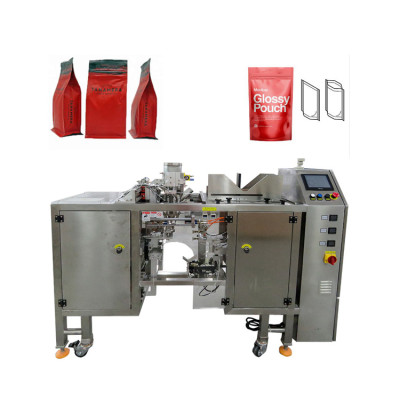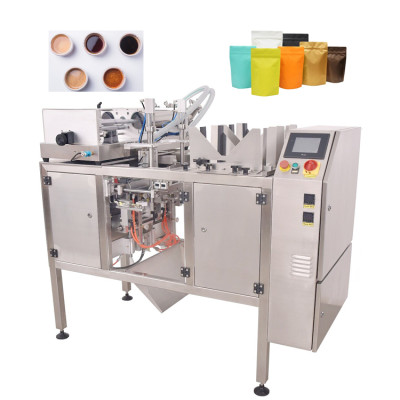
How to Choose the Right Automatic Pouch Packing Machine: A Comprehensive Guide
We understand that selecting the perfect automatic pouch packing machine is a pivotal decision for any business aiming to boost efficiency and product quality. This comprehensive guide will walk you through the essential factors and considerations to ensure you make an informed choice that aligns with your operational needs and future growth.
Key Takeaways
Choosing the right automatic pouch packing machine requires a multi-faceted approach. Prioritize understanding the core differences between premade pouch machines, which offer high-quality finishes for premium products, and Form-Fill-Seal (FFS) machines, which provide cost savings on materials for high-volume production. Key technical features to scrutinize include machine speed relative to your output, construction materials like 304 stainless steel for hygiene, and the precision of filling and sealing systems. Furthermore, assess the machine's versatility in handling different products (powders, liquids, solids) and its suitability for your specific industry, whether it's food, pharmaceuticals, or electronics. Finally, conduct a thorough cost-benefit analysis that includes not just the initial investment but also long-term operational costs, material expenses, and the value of robust after-sales support and maintenance.
Understanding the Fundamentals: How to Choose the Right Automatic Pouch Packing Machine for Your Business
Choosing a new automatic pouch packing machine is a foundational step in scaling your business. This machinery is responsible for some of the most critical aspects of your production line, from operational speed to the final quality and safety of your product. To make a smart investment, it’s essential to first understand what these machines do and the different types available.
What a Pouch Packing Machine Does and Why It's Essential
An automatic pouch packing machine is a fully automated system that fills products into pouches and seals them without requiring manual intervention. This equipment is a cornerstone of modern packaging, used across industries like food and beverage, pharmaceuticals, cosmetics, and chemicals. Its primary purpose is to streamline the packaging process, which it accomplishes in several key ways.
Automating filling and sealing for powders, snacks, and liquids
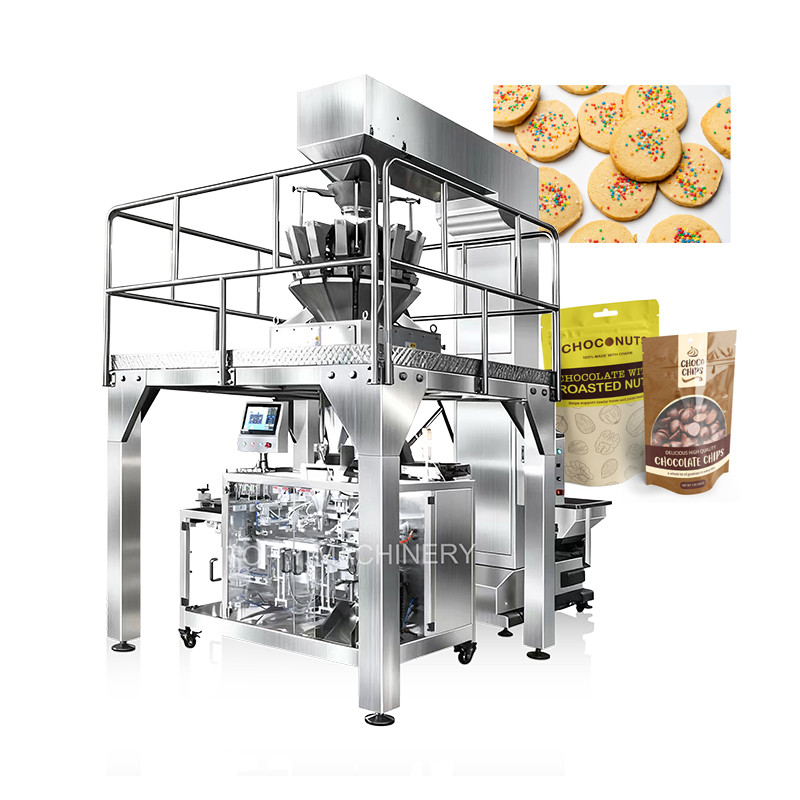
These machines are incredibly versatile, designed to handle a wide array of product types. Whether you are packaging powders like spices and flour, granules like coffee and sugar, liquids like juices and sauces, or solid items like snacks and hardware, there is a specialized filling system that can be integrated into the machine. These systems—such as auger fillers for powders, liquid fillers for sauces, and multi-head weighers for snacks—ensure that each pouch is filled with the correct amount of product. The machine then securely seals the pouch, preparing it for distribution.
Boosting speed, accuracy, and hygiene in packaging
Automation dramatically increases packaging speed and output compared to manual or semi-automatic methods. Modern machines can operate at high speeds, with some models filling and sealing up to 45 or even 120 pouches per minute, ensuring a rapid turnaround for high-volume demands. By removing the variability of human labor, these systems also significantly improve accuracy, ensuring each pouch is filled and sealed to uniform standards. This consistency is vital for quality control. Furthermore, automation enhances hygiene by minimizing human contact with the product, a critical factor in the food and pharmaceutical industries.
Ensuring precise product content and preserving freshness
A key function of a pouch packing machine is to guarantee product integrity. The automated filling systems are engineered for high precision, which minimizes product waste and ensures consumers receive the exact quantity advertised. The sealing process is just as crucial; it creates an airtight closure that protects the contents from moisture, air, bacteria, and other external contaminants. This secure seal is fundamental to preserving the product's freshness, flavor, and quality, thereby extending its shelf life.
Exploring the Main Types of Automatic Pouch Packing Machines
When you start exploring options, you'll find that automatic pouch packing machines generally fall into two main categories: those that use pre-made pouches and those that form the pouches themselves from a roll of film.
Premade Pouch Packing Machines (Rotary and Horizontal)
As the name implies, these machines work with pouches that are already formed. The machine's job is to automatically pick a pouch, open it, fill it with the product, and then seal it. These are favored by brands that want to use high-quality, pre-printed pouches with premium features like zippers or spouts, often for products in the retail or high-end markets.
Premade pouch machines come in two primary configurations:
- Rotary: These machines feature a circular layout where pouches move between different stations on a rotating turret to complete the packaging process. They are often more compact than their horizontal counterparts, which can be an advantage in facilities with limited floor space. Rotary machines are known for their high-speed capabilities and are suitable for a wide range of pouch sizes and styles.
- Horizontal: These machines operate in a linear fashion, moving pouches horizontally from one station to the next for opening, filling, and sealing. Their straightforward structure can make them easier to clean and maintain. Horizontal machines are often considered more stable, especially when handling heavier products, as they don't generate the centrifugal force of a rotary system.
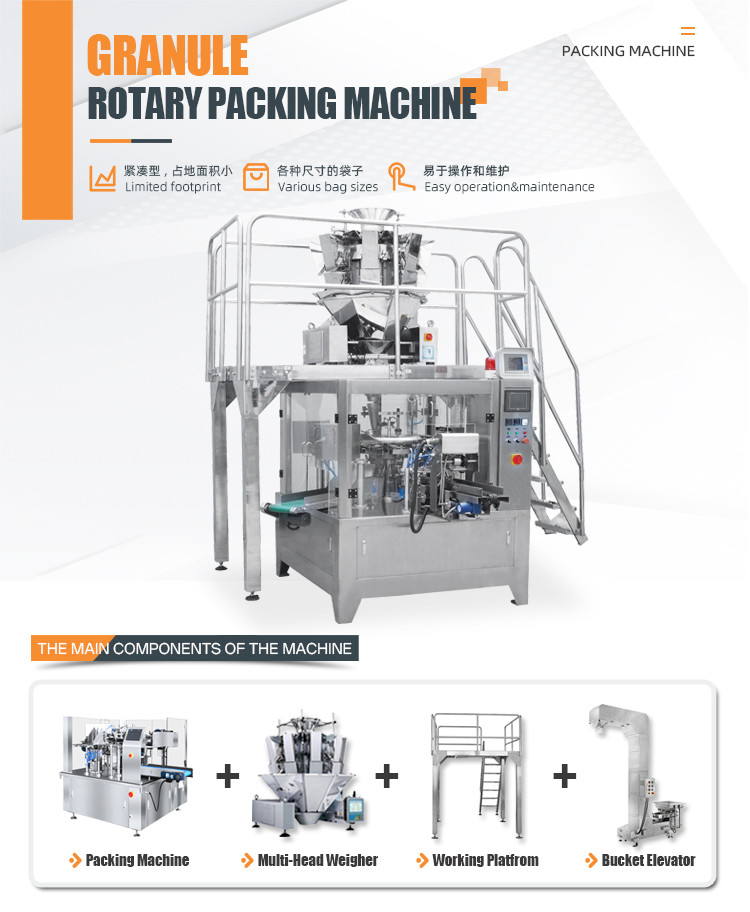
Form-Fill-Seal (FFS) Machines
Form-Fill-Seal (FFS) machines offer a different approach: they create, fill, and seal the pouch in one continuous, automated process from a flat roll of packaging film. This method is highly efficient and can significantly reduce packaging material costs—by as much as 30-50% compared to buying premade pouches—making it ideal for high-volume production.
FFS machines also come in different orientations:
- Vertical Form-Fill-Seal (VFFS): In a VFFS machine, the film is drawn downwards from a roll and formed into a tube. The machine seals the bottom, fills the pouch from above, and then seals the top before cutting it free. This vertical process is perfect for packaging loose, granular, or powdered products like chips, coffee, or seeds.
- Horizontal Form-Fill-Seal (HFFS): HFFS machines work horizontally, forming the package and loading the product from the side. This orientation is better suited for solid, fragile, or irregularly shaped items that need to be handled more gently or must maintain a specific orientation, such as protein bars, biscuits, or medical devices.
Considering Specialized Functionality: Rotary Vacuum Packaging Machines
For products that are highly sensitive to oxygen and moisture, a specialized machine like a rotary vacuum packaging machine is an excellent choice. This equipment integrates vacuum sealing into the automated pouch packaging process, offering advanced product preservation.
Continuous operation, high sealing performance, and intelligent control
Rotary vacuum packaging machines are designed for high efficiency, using a rotary worktable to complete feeding, vacuuming, sealing, and discharging in a continuous flow. This design significantly reduces downtime. They are equipped with high-performance vacuum pumps that remove up to 99.9% of the air from the pouch before a multi-layer heat-sealing system creates a robust, airtight seal. Modern machines feature intelligent controls, often via a touchscreen panel, where operators can easily set and save parameters like vacuum time and sealing temperature for different products, reducing operator error and ensuring consistent quality.
Extending shelf life for food, pharmaceuticals, and electronics
The primary benefit of vacuum packaging is the dramatic extension of a product's shelf life. By removing oxygen, these machines inhibit the growth of aerobic bacteria and mold and slow down oxidation, which causes food to spoil. This process can extend a product's shelf life by three to five times compared to conventional methods. This makes it invaluable for the food industry, particularly for perishable items like meat, fish, and cheese. In the pharmaceuticals industry, it ensures sterility, while in the electronics sector, it protects sensitive components from moisture and oxidation, sometimes using an inert gas flush for added protection.
Key Technical Features and Design: How to Choose the Right Automatic Pouch Packing Machine for Optimal Performance
Selecting an automatic pouch packing machine is more than just a purchase; it's an investment in your production line's capacity, quality, and future. The performance of your packaging operation hinges on the technical specifications and design of the machine you choose. By carefully evaluating key features, you can ensure your equipment delivers optimal performance for years to come.
Matching Machine Speed to Our Production Volume
One of the first technical specifications to consider is the machine's speed, typically measured in pouches per minute (PPM). This figure dictates your maximum output, so it must align with your production targets.
Assessing daily output needs for 4-6 station vs. 8-12 station machines
Pouch packing machines come in various configurations, often defined by the number of "stations" on the machine, where each station performs a specific task (e.g., bag opening, filling, sealing).
- Entry-level machines, which may have 4-6 stations, typically operate at speeds of 10-40 PPM. These are suitable for small to medium-sized businesses or those with lower daily output requirements.
- Mid-range and high-end machines, featuring 8, 10, or even 12 stations, can achieve much higher speeds, ranging from 60 to over 150 PPM. These are designed for large-scale manufacturers who need to meet high-volume demands. For example, a machine running at 60 PPM can produce 3,600 pouches per hour.
When assessing your needs, consider both your current and projected future production volumes to select a machine that can scale with your business.
Prioritizing accuracy and specific product requirements over maximum speed
While high speed is attractive, it should never come at the expense of accuracy or quality. The primary goal is to produce perfectly filled and sealed pouches consistently. For some products, especially those that are sticky, viscous, or fragile, a slower, more controlled filling process is necessary to ensure accuracy and prevent damage. Leading manufacturers recognize this balance, and even high-speed machines are engineered for precision. Inconsistent fill levels not only lead to consumer dissatisfaction but also product waste and potential non-compliance with regulations. Therefore, always prioritize a machine’s ability to handle your specific product with precision, even if it means opting for a slightly lower top speed.
Ensuring Material Compatibility and Hygiene Standards
The materials used in the machine's construction and the packaging films it can handle are critical for safety, longevity, and brand alignment.
The importance of food-grade or pharmaceutical-grade stainless steel (e.g., 304)
For any application involving food, beverages, or pharmaceuticals, the machine's contact parts must be made from hygienic, corrosion-resistant materials. Stainless steel is the material of choice in the packaging industry for its durability and cleanability.
- 304 Stainless Steel: This is the industry standard for food-grade equipment. It offers excellent resistance to corrosion and is suitable for most food processing environments, making it a cost-effective and reliable choice for about 80-90% of applications.
- 316 Stainless Steel: Known as marine-grade, this type contains molybdenum, which provides superior resistance to corrosion from salts and acids. It is the preferred material for packaging highly acidic products like tomato sauces, brines, or citrus juices.
Using the proper grade of stainless steel is non-negotiable for meeting food safety standards like those from the FDA and preventing contamination.
Compatibility with eco-friendly and biodegradable films
As consumer and regulatory demands for sustainability grow, your packaging machine must be able to handle modern, eco-friendly materials. Manufacturers are increasingly using recyclable mono-materials (like all-PE or all-PP films) and compostable or biodegradable films. When selecting a machine, verify its compatibility with these materials. Some advanced machines feature specialized sealing technologies, such as ultrasonic sealing, which are ideal for heat-sensitive eco-materials and consume less energy. Choosing a machine that can work with sustainable films allows you to reduce your environmental impact and meet green certification standards.
Precision Filling and Reliable Sealing Capabilities
The core functions of any pouch packing machine are filling and sealing. The quality of your final product depends entirely on how well the machine performs these two tasks.
Precision Filling: The goal of the filling system is to dispense the exact amount of product into every pouch. Inaccurate filling leads to product giveaway, financial loss, and customer dissatisfaction. Modern machines achieve high accuracy using specialized fillers tailored to the product type:
- Auger fillers for fine powders.
- Volumetric cup fillers for uniform granules.
- Piston or pump fillers for liquids and pastes.
- Multi-head weighers for solids and irregular items.
Achieving a filling accuracy of ±0.5% is possible with high-quality automated systems, a significant improvement over manual or less advanced methods. This precision is fundamental to ensuring product quality and compliance.
Reliable Sealing: A secure seal is crucial for preserving freshness, preventing leaks, and protecting the product from contamination. A defective seal can compromise shelf life and even lead to product recalls. Pouch packing machines use various sealing methods, with heat sealing being the most common. The system must maintain precise control over temperature, pressure, and dwell time to create a strong, consistent seal every time. Advanced inspection systems, such as non-destructive airborne ultrasonic technology, can be integrated to detect seal defects that are invisible to the naked eye.
Leveraging Automation and Smart Controls
Today's automatic pouch packing machines are equipped with intelligent features that simplify operation, enhance efficiency, and ensure quality control. These automation and smart control systems are what transform a good machine into a great one.
Touchscreen panels for easy parameter setup
Modern pouch packing machines are typically operated via an intuitive Human-Machine Interface (HMI), usually a touchscreen panel. This interface allows operators to easily set up, control, and monitor all critical packaging parameters, such as filling volume, machine speed, and sealing temperature. With recipe-saving functions, settings for different products can be stored and recalled with a single touch, drastically reducing changeover times and minimizing the risk of human error during setup.
Automatic rejection mechanisms for faulty pouches
To ensure that only perfect products reach the consumer, many machines incorporate quality control systems that can automatically detect and reject faulty pouches. Sensors and vision systems can identify issues like incorrect fill levels, misplaced labels, or defective seals. For example, a straw applicator might include a detector that immediately rejects any package with a missing or misplaced straw, preventing issues downstream. This automated quality assurance is essential for maintaining high standards and protecting your brand's reputation.
The role of servo-driven controls and integrated straw applicators
Advanced machines often use servo-driven systems instead of traditional mechanical or pneumatic ones. Servo motors provide exceptionally precise control over motion, speed, and positioning. This technology leads to:
- Higher Speed and Stability: Servo-driven movements are smoother and more controlled, allowing for higher cycle rates without causing wear and tear.
- Greater Precision: The extreme accuracy of servos enhances everything from film pulling to sealing, resulting in more consistent pouch quality.
- Flexibility: Servo systems can be programmed and adjusted electronically, making format changeovers faster and simpler than on mechanical machines.
For certain products, especially in the beverage industry, integrated applicators add further value. For instance, a straw applicator can automatically and precisely affix a straw to each pouch using a hotmelt adhesive, a task that would be extremely time-consuming to do manually. These integrated subsystems further boost automation and efficiency.
Industry-Specific Applications and Customization: How to Choose the Right Automatic Pouch Packing Machine with Versatility
A truly effective automatic pouch packing machine must be more than just fast and efficient; it must also be versatile. Modern markets are dynamic, and a machine that can adapt to different products, materials, and industry needs provides a significant competitive advantage. From handling a wide variety of product consistencies to meeting the stringent demands of specialized sectors, customizability is a key factor in choosing the right equipment.
Versatility Across Diverse Product Types
The ability to handle multiple product types on a single machine is a hallmark of a modern, flexible packaging line. This versatility is crucial for businesses with diverse product portfolios or those looking to expand their offerings in the future.
Handling powders, granules, liquids, pastes, gels, and solid items
A high-quality automatic pouch packing machine is engineered for adaptability. Many can be configured to package an extensive range of products, including:.
- Powders: Spices, flour, protein powder, milk powder.
- Granules: Coffee beans, sugar, salt, seeds, pet food.
- Liquids: Juices, sauces, oils, shampoos, liquid detergents.
- Pastes and Gels: Chutneys, creams, cosmetic gels.
- Solid Items: Snacks, candies, hardware, frozen foods.
This capability is often made possible through interchangeable filling systems that can be swapped out to suit the product's specific characteristics.
Adjustable settings for various product characteristics, including vacuum levels
Versatility extends beyond just the type of product. Advanced machines allow operators to fine-tune a wide range of parameters to optimize the packaging process. This can include adjusting filling volumes, machine speed, and sealing temperatures. For machines with vacuum capabilities, operators can precisely control the vacuum level to suit different products—for example, a delicate item may require a gentler vacuum than a durable one. This level of control ensures each product is packaged under ideal conditions to preserve its quality and integrity.
Modular designs with interchangeable filling systems for multi-product lines
The future of flexible manufacturing lies in modular design. A modular packaging machine is built from separate, independent parts (modules) that perform specific jobs like filling, sealing, or labeling. This "building block" approach offers incredible flexibility. For businesses that run multiple product lines, a modular machine with interchangeable filling systems is a game-changer. You can quickly swap a screw auger filler (for powders) with a piston filler (for liquids) on the same machine base. This reduces the need to purchase multiple dedicated machines, maximizes floor space, and significantly cuts down on the time and cost associated with product changeovers.
Catering to Specialized Packaging Needs in Key Industries
Different industries have unique packaging requirements, from ensuring sterility in pharmaceuticals to providing robust protection for electronics. A versatile packing machine can be customized to meet these specific demands.
Food Industry: Preserving freshness and extending shelf life for meats, snacks, and sauces
In the food industry, packaging's primary role is to preserve freshness and extend shelf life. Automatic pouch packing machines are essential for this, especially those with vacuum or Modified Atmosphere Packaging (MAP) capabilities. For products like ready-to-eat meals, meats, and sauces, retort pouches designed to withstand high-temperature sterilization can be used, ensuring long-term shelf stability without refrigeration. The strong, airtight seals created by these machines protect food from spoilage, contamination, and freezer burn, maintaining the product's flavor and quality.
| Product Category | Key Packaging Requirement | Recommended Machine Feature |
|---|---|---|
| Fresh Meats & Seafood | Extended shelf life, spoilage prevention | Rotary Vacuum Sealing |
| Snacks (Chips, Nuts) | Freshness, protection from breakage | Gentle handling, Nitrogen Flushing |
| Sauces & Liquids | Leak-proof sealing, easy dispensing | Piston Fillers, Spouted Pouches |
| Ready-to-Eat Meals | Sterilization, long shelf life | Retort Pouch Compatibility |
Pharmaceuticals: Ensuring sterile packaging and precise dosing for medical products
In the pharmaceutical industry, packaging is not just about containment; it's a critical component of product safety and efficacy. Packaging for medical devices and drugs must act as a microbial barrier to prevent contamination and maintain sterility from the factory to the end-user. Automatic pouch packing machines used in this sector are built to meet stringent standards like cGMP (current Good Manufacturing Practices). They must provide precise, accurate dosing and create perfectly intact seals to guarantee product integrity. Even minor defects can compromise sterility, leading to health risks and product recalls.
Household Products: Efficiently packaging detergents and home care items with consumer-friendly designs
For household products like liquid laundry detergents, powders, and cleaners, packaging needs to be both durable and convenient for the consumer. Automatic pouch packing machines are used to create stand-up pouches with features like pour spouts and resealable zippers. These pouches are not only leak-proof and cost-effective but also user-friendly. The ability to create various pouch sizes, from large-format refill packs to small, single-use sachets, allows brands to cater to diverse consumer needs.
Electronics: Protecting sensitive components from moisture and static, with inert gas options
Electronic components are highly susceptible to damage from shock, vibration, moisture, and electrostatic discharge (ESD). Protective packaging is therefore critical. Pouch packing machines can be used to create anti-static bags that shield sensitive devices like circuit boards and microchips from ESD. For moisture-sensitive components, vacuum sealing in moisture-barrier bags is often employed, and desiccants may be added to the package. In some cases, the machine can flush the package with an inert gas like nitrogen to displace oxygen and moisture, providing an extra layer of protection against corrosion and static interference.
Developing innovative packaging, such as stand-up pouches with integrated straws for beverages and snacks
Pouch packaging is constantly evolving, and a versatile machine allows you to keep pace with innovation. Stand-up pouches with integrated straws are a perfect example, transforming a simple pouch into a convenient, on-the-go container for juices, smoothies, and other beverages. This requires a specialized system that can automatically and precisely apply a straw to each pouch. A machine with the flexibility to integrate modules like a straw applicator can help your brand stand out in a competitive market by offering innovative and consumer-friendly packaging.
Practical Considerations and Long-Term Value: How to Choose the Right Automatic Pouch Packing Machine for Your Investment
An automatic pouch packing machine is a significant capital investment. To ensure it delivers long-term value, your decision must go beyond the initial price tag and technical specifications. A thorough evaluation of costs, operational ease, long-term support, and facility integration is crucial for choosing a machine that will be a true asset to your business.
Conducting a Comprehensive Cost Analysis: Machine vs. Materials
The total cost of ownership (TCO) extends far beyond the initial purchase price. It encompasses material costs, labor, and waste over the machine's entire lifecycle. A smart analysis balances these factors to determine the most profitable solution for your operation.
Understanding the higher initial cost of premade pouch machines
Machines that use premade pouches generally have a lower initial cost compared to Form-Fill-Seal (FFS) systems. Fully automatic premade pouch machines can range from $50,000 to over $250,000, depending on their speed and features. In contrast, FFS machines, which have the added complexity of forming the pouch from rollstock, can sometimes command a higher upfront investment. However, this is not a universal rule, and prices vary significantly based on the manufacturer and level of customization.
Comparing unit costs of premade pouches vs. roll film, factoring in labor and waste
This is where the long-term cost analysis becomes critical.
- Material Costs: Rollstock film used by FFS machines is significantly cheaper per unit than premade pouches. Premade pouches can cost anywhere from $0.08 to $0.25 each, while the equivalent package made from rollstock might only cost $0.03 to $0.10. For high-volume production, these savings can be substantial.
- Labor Costs: Automation in packaging can reduce labor costs by an average of 20-30% in the first year. A single fully automatic line can often replace 6-10 manual workers. While both machine types reduce labor, the total savings must be weighed against the machine and material costs.
- Waste Reduction: Modern automated machinery improves precision, which reduces the waste from inaccurate cuts, bad seals, or overfilling. Efficient machines can reduce material waste by 15-25%.
An ROI calculation should factor in all these variables. Many businesses find that automated systems pay for themselves within 12-24 months through savings in labor and materials alone.
Aligning choices with our budget and product positioning (e.g., high-end vs. mass market)
Your final choice should align with your business strategy.
- High-End or Premium Products: If your product competes on shelf appeal, a premade pouch machine is often the better choice. Premade pouches offer superior print quality, structural consistency, and can easily incorporate premium features like zippers and spouts, justifying a higher per-unit packaging cost.
- Mass-Market or High-Volume Products: If cost efficiency is the primary driver and you have high production volumes (e.g., over 1 million bags per year), an FFS machine is typically more economical due to the lower cost of rollstock film.
Evaluating Operability, Maintenance, and Crucial After-Sales Support
A machine's long-term value is heavily dependent on how easy it is to operate and the quality of support you receive from the manufacturer.
The importance of user-friendly interfaces and robust critical components
A machine that is difficult to operate can lead to downtime and errors. A well-designed Human-Machine Interface (HMI), usually a touchscreen, is essential for simplifying machine control. It allows operators to intuitively manage settings, monitor performance in real-time, and diagnose errors quickly. Furthermore, the machine should be built with high-quality, durable components to withstand continuous use and minimize the risk of breakdowns. Investing in robust equipment reduces long-term maintenance costs and extends the machine’s life.
Ensuring reliable after-sales service, including installation, training, and 24/7 technical support
Excellent after-sales service is non-negotiable. The manufacturer or supplier should provide comprehensive support that includes:
- Installation: Factory-trained technicians should handle the installation and calibration to ensure the machine runs correctly from day one.
- Training: On-site training for your operators and maintenance staff is crucial for efficient and safe operation.
- Technical Support: Look for suppliers who offer responsive technical support via phone or online chat to troubleshoot issues quickly. For mission-critical operations, 24/7 support can be a lifesaver.
When choosing a partner, look for established companies with a strong reputation for service. For example, a reputable manufacturer like TOP Y MACHINERY understands the importance of building lasting relationships through reliable after-sales support.
Considering warranty options and extended maintenance contracts for long-term peace of mind
A good warranty provides protection against manufacturing defects and unforeseen problems. A standard warranty for a packaging machine is often one to two years. For added security, many suppliers offer extended maintenance contracts. These programs often include scheduled preventative maintenance visits from certified technicians, which help keep your equipment in optimal condition, reduce unexpected downtime, and extend the machine's life. These contracts can provide long-term benefits like discounted rates for labor and parts, making maintenance costs more predictable.
Assessing Space Requirements, Power Consumption, and Overall Efficiency
Finally, consider the practical impact of the machine on your facility's infrastructure and operational efficiency.
Optimizing machine footprint and layout for seamless production line integration
Floor space is a valuable commodity in any manufacturing facility. It is essential to measure your available space and choose a machine with a footprint that fits. A basic 6-station packaging line can require a core footprint of 20–24 m² (around 215-260 sq ft), plus additional clearance for operators and maintenance. The layout—whether a straight line (I-shape), L-shape, or U-shape—should be designed to optimize the flow of materials and people, reducing unnecessary movement and creating a safe, efficient workflow.
Understanding typical power consumption (e.g., 2KW-5KW per hour for automatic machines)
Energy costs can add up, so it's important to understand a machine's power requirements. The power consumption of an automatic pouch packing machine typically ranges from 1.5 kW to 5 kW, depending on its size, speed, and features. Ensure your facility's electrical system can support the machine's voltage requirements (e.g., 220V single-phase or 380V three-phase). Modern machines are often designed with energy-efficient motors and control systems to help reduce electricity consumption.
Minimizing material waste through efficient design and safety systems
An efficient machine design is key to reducing material waste. Features that contribute to this include:
- High-precision filling systems that prevent overfilling.
- Advanced sealing technology that reduces the rate of faulty seals.
- Automated quality checks that detect errors early, preventing defective packages from continuing down the line.
- Efficient changeover processes that minimize material loss when switching between products or pouch sizes.
By investing in a machine with these features, you not only improve your sustainability but also boost your bottom line by cutting down on material costs.
Frequently Asked Questions (FAQ)
Q1: What is the main difference between a premade pouch machine and a Form-Fill-Seal (FFS) machine? A premade pouch machine fills and seals pouches that are already manufactured. This method is great for high-quality presentation and complex pouch designs. An FFS machine, on the other hand, creates the pouch from a roll of film before filling and sealing it in one continuous process, which is generally more cost-effective for high-volume production due to lower material costs.
Q2: How do I determine the right machine speed for my business? Assess your current and projected daily production volume. Entry-level machines may produce 10-40 pouches per minute (PPM), while high-end systems can exceed 150 PPM. However, always balance speed with the need for accuracy. For delicate or sticky products, a slightly slower, more controlled speed may be necessary to ensure consistent fill weights and prevent product damage.
Q3: Why is the type of stainless steel important in a pouch packing machine? For food, pharmaceutical, or cosmetic applications, hygiene is paramount. Food-grade stainless steel like 304 is the industry standard as it is corrosion-resistant and easy to clean. For highly acidic or salty products, 316-grade stainless steel is recommended for its superior corrosion resistance, ensuring product safety and preventing contamination.
Q4: Can these machines handle sustainable or eco-friendly packaging materials? Yes, many modern pouch packing machines are designed to be compatible with eco-friendly materials, including recyclable mono-material films (like all-PE) and compostable or biodegradable films. It is important to confirm this capability with the manufacturer, as some materials may require specialized sealing technologies.
Q5: What should I look for in terms of after-sales support? Look for a supplier who offers a complete support package, including professional installation by certified technicians, comprehensive on-site training for your staff, and responsive technical support (via phone, online, or in-person). A good warranty and the option for a preventative maintenance contract are also crucial for ensuring long-term reliability and peace of mind.
Conclusion
Ultimately, selecting the best automatic pouch packing machine involves a careful evaluation of our specific production volume, product characteristics, budgetary constraints, and long-term business goals. By considering these critical factors—from the fundamental choice between premade and FFS machines to the nuances of technical specifications, industry-specific needs, and long-term operational costs—you can confidently invest in a machine that not only meets your current demands but also supports your future growth and market competitiveness. A well-chosen machine is more than just equipment; it's a strategic asset that will enhance your efficiency, ensure product quality, and drive your business forward.