How VFFS Packaging Machine Design Improvements Boost Overall Efficiency
As we delve into the world of packaging, we explore how advancements in VFFS (Vertical Form-Fill-Seal) packaging machine design are revolutionizing efficiency in manufacturing and processing facilities. From their foundational role in simplifying bagging to their continuous evolution with cutting-edge technology, these machines are critical for reliable, high-speed, and consistent quality packaging workflows.
This guide will not only highlight the essential functions of VFFS packaging machines but also focus on the innovations that boost overall efficiency, making them an indispensable asset for businesses seeking to optimize their packaging operations. We'll uncover why VFFS packaging machines are a cornerstone for success in today's competitive manufacturing landscape.
Key Takeaways
For those seeking a quick overview, here are the essential points on how VFFS packaging machine design improvements enhance overall efficiency:
- Fundamental Operation: VFFS machines automate the process of forming a bag from a flat roll of film, filling it with a product, and sealing it, all in a vertical motion. This core function is the basis for their efficiency, replacing multiple manual steps with a single, continuous automated process.
- Technological Integration is Key: Modern VFFS machines are not just mechanical wonders; they are integrated systems. The inclusion of servo motors, advanced Human-Machine Interfaces (HMIs), and programmable logic controllers (PLCs) allows for precise control over every aspect of the packaging process, from film tension and pulling to sealing temperature and time. This precision reduces waste and ensures consistent package quality.
- Speed and Data Drive Productivity: Innovations like servo-driven sealing jaws and advanced film transport systems have dramatically increased machine speed without sacrificing accuracy. Furthermore, the integration of data monitoring and IIoT (Industrial Internet of Things) capabilities enables real-time tracking of production metrics, predictive maintenance alerts, and immediate quality control adjustments. This data-driven approach minimizes downtime and optimizes output.
- Versatility Across Industries: The adaptability of VFFS machines is one of their greatest assets. They can be configured to handle a vast range of products, including powders, granules, liquids, and solid items, by simply changing the filler/doser. They also work with various film types, making them suitable for industries from food and beverage to pharmaceuticals and hardware. Customization allows these machines to meet specific industry standards and production requirements.
- User-Centric Design Reduces Downtime: Modern designs prioritize the user experience. Tool-less changeovers for parts like forming tubes and rolls of film significantly reduce the time needed to switch between different products or bag sizes. Intuitive HMI interfaces simplify operation, reducing the need for extensive operator training and minimizing the risk of user error.
- Focus on Maintenance and Longevity: Design improvements also focus on simplifying maintenance. Accessibility to key components, self-diagnostic features, and durable construction contribute to a longer machine lifespan and less unscheduled downtime. A compact footprint is another design consideration, allowing facilities to maximize their floor space without compromising on packaging capability.
Ultimately, the evolution in VFFS design is a holistic endeavor. It combines mechanical engineering, advanced software, and user-friendly features to create a packaging solution that is faster, more reliable, smarter, and more adaptable than ever before, directly boosting a company's bottom line.
Understanding the Fundamentals of VFFS Packaging Machine Technology
To fully appreciate the innovations in Vertical Form-Fill-Seal (VFFS) machines, it's essential to first grasp the foundational principles that govern their operation. These machines have long been a linchpin in the packaging industry, but their evolution has been marked by significant technological strides. Understanding their core function, their role in manufacturing, and the synergy of their components reveals why they are indispensable for efficient production lines. At their heart, they are designed to streamline a complex process into a single, automated, and highly efficient workflow, which is a critical advantage in today's fast-paced market.
What is a VFFS Packaging Machine and How Does it Work?
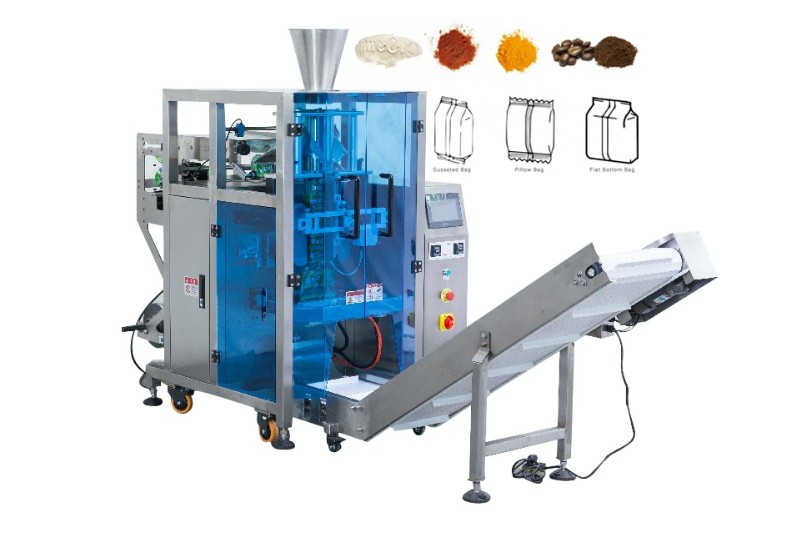
At its core, a What is a VFFS Packaging Machine is an automated packaging system that creates bags from a flat roll of film, fills them with a product, and seals them in a continuous vertical process. The operation begins with a large roll of packaging film, often a laminate material, which is fed off an unwinding roll. As the film is transported through the machine, it passes over a forming tube or collar. This collar shapes the flat film into a tube-like structure. As the film is pulled downwards, a vertical sealing bar presses the two outer edges of the film together to create a vertical seal, completing the tube.
Next, a horizontal sealing jaw assembly performs two crucial functions simultaneously: it creates a top seal for the bag that was just filled and a bottom seal for the next bag to be filled. Just before this sealing action, the designated product is dropped from a filler (such as a multi-head weigher or auger filler) located above the forming tube, dispensing a precise amount of product into the formed bag. Once the bag is filled and sealed, a knife within the sealing jaw assembly cuts the completed bag free, which then drops for collection or onto a conveyor. This entire cycle—forming, filling, sealing, and cutting—repeats at high speeds, enabling continuous and efficient packaging.
The Critical Role of VFFS Packaging Machines in Manufacturing Success
The importance of VFFS packaging machines in achieving manufacturing success cannot be overstated. Their primary contribution is the significant boost in operational efficiency and productivity. By automating what would otherwise be a labor-intensive, multi-step process, these machines drastically reduce labor costs and increase throughput. The ability to run continuously at high speeds means that thousands of packages can be produced per hour, a rate unattainable through manual or semi-automated methods. This high-speed capability is crucial for businesses aiming to scale their production and meet high market demand.
Furthermore, VFFS machines play a vital role in ensuring product safety and quality. The automated sealing process creates strong, consistent, and often hermetic seals that protect the product from contaminants, moisture, and oxygen, thereby extending shelf life and preserving freshness. This is particularly critical in the food, beverage, and pharmaceutical industries, where product integrity is paramount. The precision of the filling systems integrated with VFFS machines also ensures accurate product measurement, which minimizes product giveaway and guarantees that each package meets its declared weight, a key factor in regulatory compliance and customer satisfaction.
Key Components and Their Synergy in VFFS Packaging Machines
The seamless operation of a VFFS machine is the result of a remarkable synergy between its key components. Each part is engineered to work in concert with the others to ensure a smooth, fast, and reliable packaging process.
| Component | Function | Contribution to Efficiency |
|---|---|---|
| Film Unwind & Transport System | Holds the roll of film and precisely feeds it into the machine. Modern systems use sensors and motors to maintain proper tension. | Prevents film slippage and breakage, ensuring a continuous and smooth flow for uninterrupted operation. |
| Forming Tube / Collar | Shapes the flat film into a tubular form as it is pulled over it. Different sizes are used for different bag widths. | Allows for quick and easy changeovers for various bag sizes, enhancing the machine's versatility. |
| Filler / Dosing System | Accurately measures and dispenses the product into the formed bag (e.g., multi-head weigher, auger filler, liquid pump). | Guarantees precise product amounts in each bag, minimizing waste (giveaway) and ensuring regulatory compliance. |
| Vertical and Horizontal Sealing Jaws | The vertical sealer creates the longitudinal seam of the bag. The horizontal jaws create the top and bottom seals. | Advanced jaw designs, often servo-driven, provide precise control over temperature, pressure, and time for strong, reliable seals at high speeds. |
| PLC and HMI | The Programmable Logic Controller (PLC) is the brain of the machine, while the Human-Machine Interface (HMI) is the user's control panel. | Enables centralized control, recipe storage, real-time diagnostics, and user-friendly operation, which simplifies management and reduces operator error. |
The integration of these components, governed by sophisticated control systems, is what transforms a VFFS machine from a collection of parts into a highly efficient packaging powerhouse.
Technological Innovations Driving VFFS Packaging Machine Efficiency
The evolution of VFFS packaging machines is a story of continuous technological advancement. While the basic mechanical principles have remained consistent, modern machines bear little resemblance to their predecessors in terms of intelligence, speed, and precision. The integration of advanced electronics, software, and data-driven capabilities has transformed these workhorses into sophisticated systems that are central to smart manufacturing environments. These innovations are not just about doing the same job faster; they are about doing it better, with more control, less waste, and greater flexibility than ever before.
Advanced Features of Modern VFFS Packaging Machines
Today's VFFS machines are equipped with an array of advanced features designed to maximize performance and reliability. One of the most significant upgrades is the widespread adoption of servo-drive technology. Unlike older mechanical clutch-and-brake systems, servo motors provide precise, programmable control over moving parts like the film pulling belts and sealing jaws. This allows for smoother acceleration and deceleration, leading to better film handling, more accurate bag lengths, and the ability to run at higher speeds without sacrificing seal quality.
Another key innovation is the advanced Human-Machine Interface (HMI). Modern HMIs feature intuitive, full-color touchscreens that simplify machine setup, operation, and troubleshooting. They allow operators to store and recall hundreds of product recipes, instantly adjusting parameters like bag length, fill volume, and sealing temperatures. This drastically reduces the time required for changeovers and minimizes the potential for human error. Additionally, many systems now include features like automatic web-edge guiding, which uses sensors to keep the film perfectly aligned, and gas-flushing systems for modified atmosphere packaging (MAP), which extends the shelf life of perishable products by replacing oxygen with an inert gas like nitrogen.
Optimizing Speed and Output: How VFFS Packaging Machine Innovations Boost Production
The primary goal of many design improvements is to increase speed and, consequently, production output. Innovations in VFFS machines have tackled this challenge from multiple angles. For instance, the transition from pneumatic (air-powered) to servo-driven horizontal sealing jaws has been a game-changer. Servo jaws can move faster and apply sealing pressure more precisely and consistently than their pneumatic counterparts, enabling cycle rates to increase significantly. Some high-end machines feature rotary or continuous motion jaw designs instead of intermittent ones, allowing the film to move continuously without stopping, pushing speeds to over 200 bags per minute for certain applications.
Furthermore, efficiency is not just about raw speed but also about uptime. Features like tool-less changeovers for forming tubes and film rolls are now common, allowing operators to switch between different bag sizes or film types in a matter of minutes rather than hours. This agility is crucial for manufacturers with diverse product portfolios. The synergy between a high-speed VFFS machine and an equally fast and accurate filler, such as a modern multi-head weigher, is also critical. These weighers use sophisticated algorithms to calculate the perfect combination of product loads from multiple buckets to achieve a target weight at incredible speeds, ensuring the filler can keep pace with the bagger's maximum output.
Data Monitoring and Quality Control in VFFS Packaging Machine Operations
The integration of smart technology has ushered in a new era of data-driven packaging operations. Modern VFFS machines are often equipped with sensors and connected to plant-wide networks, aligning with the principles of the Industrial Internet of Things (IIoT). This connectivity allows for real-time data monitoring of key performance indicators (KPIs) such as Overall Equipment Effectiveness (OEE), production rates, downtime, and waste levels. Managers can access this data remotely via dashboards to track performance and make informed decisions to optimize production.
Quality control has also become far more sophisticated. Integrated systems can monitor critical parameters in real-time. For example, some machines feature in-line seal inspection systems that use thermal or vision-based sensors to verify the integrity of every seal, automatically rejecting any defective packages. Likewise, checkweighers and X-ray systems can be integrated downstream to ensure every bag meets weight specifications and is free from foreign contaminants. This automated quality assurance not only guarantees a higher quality final product but also provides valuable data for process improvement, helping to identify and rectify issues before they lead to significant waste or downtime.
The Versatility and Adaptability of VFFS Packaging Machines Across Industries
One of the most compelling attributes of Vertical Form-Fill-Seal technology is its remarkable versatility. VFFS machines are not a one-size-fits-all solution but a flexible platform that can be adapted to an astonishingly wide range of products and industries. From fine powders that need careful handling to chunky solids and free-flowing liquids, these machines can be configured to provide an efficient and protective packaging solution. This adaptability, combined with options for extensive customization, makes them a valuable asset for businesses in the food, pharmaceutical, hardware, and chemical sectors, among others. Reputable vffs machine manufacturers are adept at engineering these systems to meet unique and challenging production needs.
VFFS Packaging Machines for Diverse Product Applications
The ability of a VFFS machine to handle different product types is primarily determined by its dosing or filling system. The main machine (the bagmaker) remains largely the same, while the filler is chosen based on the product’s characteristics. This modular approach provides incredible flexibility.
- For Powders and Granules: Products like coffee, flour, spices, and detergents are typically handled by an auger filler. An auger filler uses a rotating screw to dispense a precise volume of product into the bag, which is ideal for non-free-flowing powders.
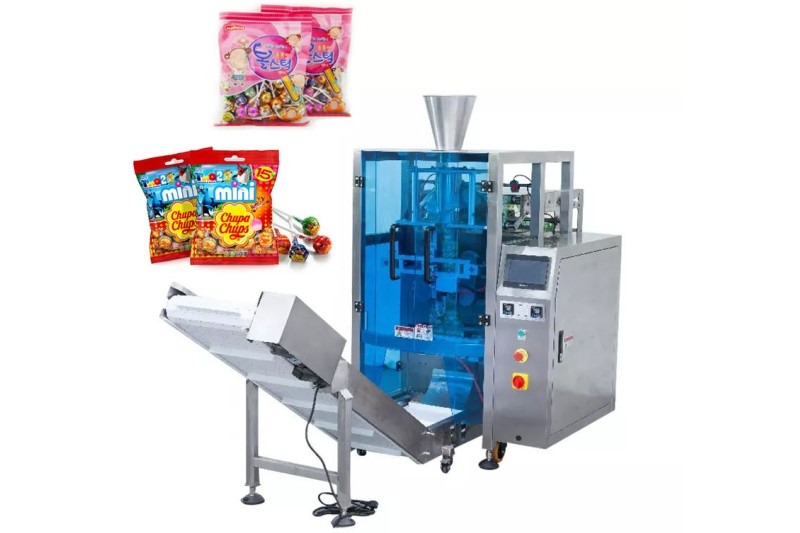
- For Free-Flowing Solids: Items such as snacks, candy, nuts, pasta, and frozen vegetables are best managed by a multi-head weigher. This system uses multiple vibrating pans and weigh buckets to combine portions to reach a highly accurate target weight before dropping the product into the bag. It is known for its high speed and precision.
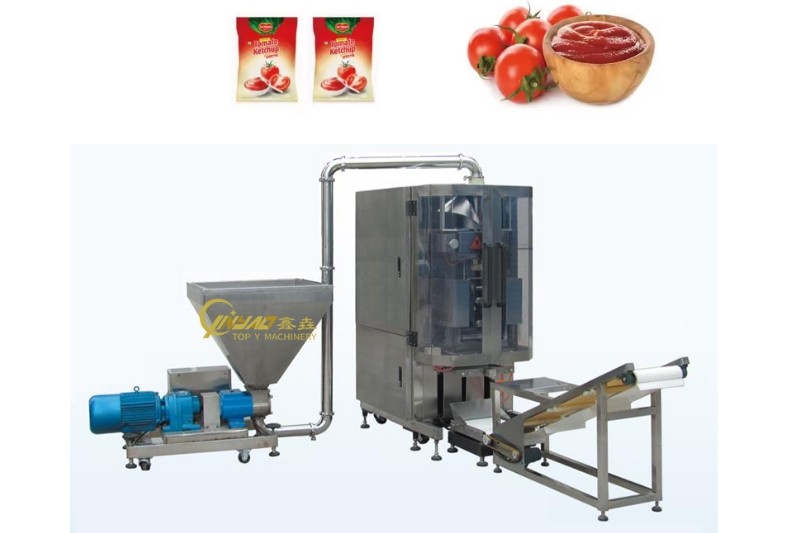
- For Liquids and Pastes: Sauces, creams, soups, and oils require a liquid or piston pump filler. These fillers dispense a precise volume of the liquid product into the bag. The machine can be equipped with special nozzles and shut-off valves to prevent dripping and ensure a clean seal area.
- For Small, Counted Items: Hardware like screws, nails, or small plastic components can be packaged using a vibratory bowl feeder and counter. This system orients the parts and counts them into batches before dispensing.
This ability to integrate with various fillers makes the VFFS machine a true workhorse, capable of pivoting between different product lines with a simple change of the dosing equipment.
Customization Options for Specific Industry Needs in VFFS Packaging Machines
Beyond the filler, VFFS machines offer numerous customization options to meet the specific demands and regulatory requirements of different industries. For example, in the food industry, particularly for fresh produce or cheese, machines can be equipped with Modified Atmosphere Packaging (MAP) capabilities. This involves flushing the bag with a gas mixture (like nitrogen or carbon dioxide) to displace oxygen, thereby inhibiting spoilage and extending shelf life. For applications requiring stringent hygiene, such as dairy or pharmaceuticals, machines can be built to sanitary standards, featuring stainless steel construction (often 316-grade), crevice-free designs, and IP ratings that allow for high-pressure washdowns.
Other common customizations include:
- Bag Style Options: Machines can be tooled to produce various bag styles beyond the standard pillow bag, such as gusseted bags, block-bottom bags, and quad-seal bags, which offer better shelf presentation.
- Zipper and Hole Punch Applicators: For consumer convenience, units can be added to apply press-to-close zippers or hang holes to the bags.
- Printing and Coding Integration: Thermal transfer overprinters (TTO) can be integrated to print lot codes, expiration dates, barcodes, and other variable information directly onto the film as the bag is being made.
Addressing Common Film-Related Issues in VFFS Packaging Machine Operations
The packaging film is the lifeblood of a VFFS machine, and its proper handling is critical for efficient operation. However, film-related issues are a common source of downtime if not managed correctly. Modern machine designs incorporate features to proactively address these challenges.
One of the most frequent problems is film tracking, where the film drifts sideways and goes out of alignment. Advanced VFFS machines now come standard with automatic film tracking systems. These systems use sensors to monitor the edge of the film and automatically make micro-adjustments to the unwind rollers to keep the film perfectly centered, eliminating the need for constant manual intervention.
Another common issue is achieving a perfect seal, especially with challenging films or at high speeds. Problems like wrinkles in the seal, incomplete seals, or product contamination in the seal area can compromise package integrity. To combat this, modern machines offer precise control over the three key parameters of sealing: temperature, pressure, and dwell time. Servo-driven jaws provide consistent pressure, while advanced temperature controllers maintain precise heat levels. Features like "product stripping" plates or air blasts can help clear the seal area of product dust or particles right before sealing, ensuring a clean and strong bond. Understanding the properties of the chosen film and setting up the machine parameters accordingly is fundamental to avoiding these issues.
User-Friendly Design and Maintenance for Enhanced VFFS Packaging Machine Performance
While speed and technology are crucial, the ultimate efficiency of a VFFS packaging machine also heavily depends on its usability and ease of maintenance. A machine that is complex to operate or difficult to service can lead to extended downtime, negating any gains from high-speed capabilities. Recognizing this, manufacturers have increasingly focused on user-centric design. This includes creating intuitive interfaces that simplify operation, engineering components for quick and tool-less changeovers, and designing the machine for easy access and minimal maintenance. These improvements work together to maximize uptime, reduce the burden on operators, and ensure the machine performs at its peak potential for a longer lifespan.
Streamlined Interfaces and Simple Changeovers in VFFS Packaging Machines
The days of complex control panels with dozens of buttons and dials are largely over. Modern VFFS machines are commanded through sophisticated yet highly intuitive Human-Machine Interfaces (HMIs). These are typically large, full-color touchscreens that present information graphically. Operators can easily set up jobs, adjust parameters, and monitor the machine's status with a few taps. One of the most significant benefits is the ability to store and recall product recipes. Once the optimal settings for a particular product and bag size are determined, they can be saved. For a future run, the operator simply selects the stored recipe, and the machine automatically configures itself, ensuring consistency and dramatically reducing setup time.
This focus on simplicity extends to physical adjustments. Tool-less changeovers are now a key selling point for many VFFS machines. Components that frequently need to be changed, such as the forming tube (to change bag width) and the film roll, are designed with quick-release locks, handles, and self-centering mechanisms. This means an operator can switch from making small bags of spices to large bags of chips in minutes, without needing to search for wrenches or call a maintenance technician. These features empower operators, reduce dependency on specialized personnel, and maximize the machine's productive time.
Minimizing Maintenance and Downtime for VFFS Packaging Machine Longevity
Downtime, both planned and unplanned, is the enemy of efficiency. VFFS machine designs now incorporate numerous features aimed at minimizing maintenance requirements and preventing unexpected failures. The use of high-quality, durable components, such as brushless servo motors and robust bearings, reduces wear and tear and extends the service life of the machine. Many modern machines also feature self-diagnostics capabilities. The control system constantly monitors the status of sensors and motors, and if an issue is detected, the HMI will display a specific alert, often with troubleshooting guidance, helping operators or maintenance staff to quickly identify and resolve the problem.
Furthermore, predictive maintenance is becoming more common through IIoT integration. By tracking machine cycles and component usage, the system can alert staff when a part is approaching the end of its recommended service life, allowing for maintenance to be scheduled during planned downtime rather than causing an unexpected production halt. Designs also emphasize accessibility, with large doors and removable panels that provide easy access to internal components, making tasks like cleaning, inspection, and parts replacement much simpler and faster.
The Impact of Compact Design on VFFS Packaging Machine Footprint and Efficiency
In many manufacturing facilities, floor space is a premium commodity. A bulky machine can disrupt workflow and limit the ability to expand production lines. Modern VFFS design often emphasizes a compact footprint without compromising on capability or speed. Engineers have become adept at arranging components more efficiently, often vertically, to reduce the overall length and width of the machine. For instance, integrating the electrical cabinet into the machine frame rather than having it as a separate, standalone unit saves valuable space.
This reduction in footprint offers several advantages. It allows businesses to fit more production capacity into a given area, which is especially beneficial for smaller companies or those in urban locations with limited space. A smaller machine can also be easier to integrate into existing packaging lines. Furthermore, a more compact design can sometimes lead to greater operational efficiency. For example, a shorter film path can improve film control and reduce the potential for stretching or slipping. By optimizing the physical layout, manufacturers provide a solution that is not only powerful but also space-efficient, contributing to a leaner and more organized factory floor.
Frequently Asked Questions (FAQ)
1. What is the typical speed range for a VFFS packaging machine?
The speed of a VFFS machine, typically measured in bags per minute (BPM), can vary dramatically based on several factors. Entry-level or basic intermittent-motion machines might operate in the range of 20-50 BPM. Standard, mid-range intermittent machines often achieve speeds between 60 and 100 BPM. High-speed models, particularly those using continuous-motion or rotary sealing jaws and servo drives, can exceed 100 BPM and may reach up to 200 BPM or more. However, the maximum achievable speed depends heavily on the product being filled (e.g., powders fill slower than free-flowing granules), the bag size (larger bags require more time), the film type, and the precision required for sealing.
2. What types of packaging film can be used on a VFFS machine?
VFFS machines are designed to work with a wide variety of heat-sealable films. The most common are laminates, which are multi-layered films designed to provide specific properties like barrier protection (against oxygen and moisture), strength, and sealability. Common materials include combinations of Polyethylene (PE), Polypropylene (PP), Polyester (PET), and metalized or foil layers. Low-Density Polyethylene (LDPE) is also frequently used, especially for products that don't require a high barrier. The key requirement is that the film's inner layer must be a sealant that can be melted and fused by the machine's sealing jaws to create a strong seal.
3. How much does a VFFS packaging machine cost?
The cost of a VFFS machine has a very wide range. A basic, entry-level machine for a simple application might cost between $20,000 and $40,000. Mid-range machines with more features, better build quality, and higher speeds typically fall in the $50,000 to $100,000 range. High-end, high-speed machines with advanced features like servo drives, washdown capabilities, complex bag styles, and integration with high-end fillers (like multi-head weighers) can easily exceed $100,000 and can reach $250,000 or more. The final price depends on the machine's speed, features, level of customization, construction quality, and the type of filling system included.
4. How does a multi-head weigher work with a VFFS machine?
A multi-head weigher is a highly accurate filling system often paired with a VFFS machine for packaging solids like snacks, candy, and produce. It consists of multiple weigh buckets (e.g., 10, 14, or 20). The product is fed to the top of the weigher and distributed into these buckets. The system's computer then calculates the ideal combination of buckets whose contents add up to the target weight. It then opens those specific buckets simultaneously, dropping the combined, accurate portion through a funnel, down the VFFS machine's forming tube, and into the waiting bag. This "combination weighing" process is extremely fast and precise, minimizing product giveaway and ensuring the VFFS machine can run at its maximum potential speed.
5. What is the difference between intermittent motion and continuous motion VFFS machines?
The primary difference lies in how the film is handled during the horizontal sealing process. In an intermittent motion machine, the film-pulling belts advance the film to the desired bag length and then stop. While the film is stationary, the horizontal sealing jaws close, seal the bag, and cut it. In a continuous motion machine, the film never stops moving. The horizontal sealing jaws are mounted on a mechanism that allows them to move down with the film as they close, seal, and cut, before returning to their starting position to engage the next bag. Continuous motion machines are more complex and expensive but achieve significantly higher speeds because there is no time lost starting and stopping the film.
In conclusion, the relentless evolution of VFFS packaging machine design continues to unlock significant improvements in efficiency, reliability, and packaging quality across a multitude of sectors. By integrating advanced servo technology, intelligent data monitoring, and user-centric features, these machines have become more than just workhorses; they are strategic assets. They represent a smart investment for any business looking to streamline operations, reduce waste, and enhance its competitive edge in the marketplace through superior packaging capabilities.
At TOP Y Machinery, we understand that every customer has unique production challenges and goals. That's why we pride ourselves on not just being suppliers, but being partners who offer customized VFFS packaging machine designs and complete solutions. We are committed to ensuring that our machinery seamlessly integrates into your production line and is engineered for maximum operational efficiency and long-term value. To discover how our tailored solutions can benefit your business, we invite you to contact our expert team today.