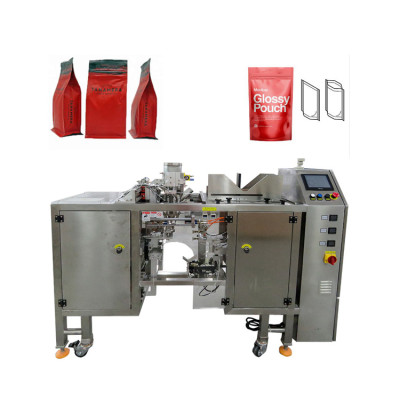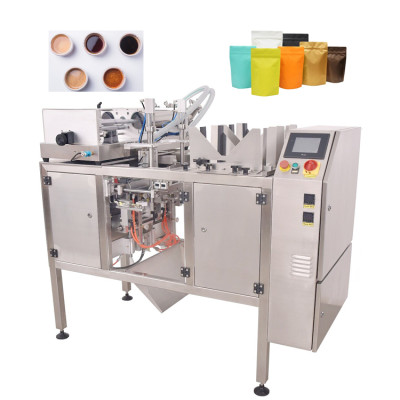
What is a VFFS Packaging Machine? Everything Explained
As someone deeply involved in modern manufacturing, I understand the immense pressure to optimize every stage of production. Inefficient packaging is a notorious culprit for creating bottlenecks, inconsistent product quality, and even contamination risks, a combination that can cost businesses millions annually. Manual processes are slow, labor-intensive, and prone to human error. This is precisely why a thorough understanding of Vertical Form Fill Seal (VFFS) packaging machines is no longer just beneficial—it's crucial for survival and growth in a competitive market.
A VFFS packaging machine is an automated marvel that integrates three critical stages of packaging into one seamless vertical operation: it forms a bag, fills it with product, and seals it shut. This technology has been a game-changer for the packaging industry, delivering unparalleled efficiency, precision, and versatility. From coffee beans and snack foods to powders and liquids, VFFS machines provide a streamlined solution that enhances productivity and protects product integrity.
Key Takeaways
- What a VFFS Machine Is: A VFFS (Vertical Form Fill Seal) machine is an automated packaging system that creates bags from a roll of film, fills them with a product, and seals them in a single, continuous vertical process.
- How It Works: The core process involves unwinding a large roll of packaging film, shaping it into a tube using a forming collar, filling the tube with a product, and then sealing and cutting it to create individual packages.
- Key Advantages: These machines offer significant benefits, including high speed and efficiency, versatility to handle various products and bag styles, cost-effectiveness through reduced material and labor costs, and improved product quality and shelf life.
- Wide Range of Applications: VFFS technology is used across numerous industries, including food and beverage (snacks, coffee, produce), pharmaceuticals (powders, pills), and chemicals (detergents, fertilizers).
- VFFS vs. HFFS: The primary difference lies in the orientation. VFFS machines are vertical and ideal for loose, granular, or liquid products that flow with gravity. HFFS (Horizontal Form Fill Seal) machines are horizontal and better suited for solid, single-item products.
What Exactly is a VFFS Packaging Machine and How Does it Work?
The Vertical Form Fill Seal machine is a cornerstone of modern automated packaging. Its name perfectly describes its function: the entire process, from creating the package to filling it and sealing it shut, occurs along a vertical path. This ingenious design, first patented by Walter Zwoyer in 1936, has revolutionized how countless products are prepared for the market.
Defining the VFFS Packaging Machine
At its core, a Vertical Form Fill Seal (VFFS) machine is an automated packaging system that transforms a flat roll of packaging material into a finished, filled, and sealed bag. Unlike methods that use pre-made bags, a VFFS machine creates the package on the fly, making it an incredibly efficient and cost-effective solution. These machines are celebrated for their speed, reliability, and the ability to produce a wide variety of bag styles, from simple pillow bags to more complex gusseted and stand-up pouches. This versatility makes them essential in industries packaging anything from potato chips and coffee to detergents and medical powders.
The Step-by-Step VFFS Packaging Process
The magic of a VFFS machine lies in its synchronized, multi-step process. While designs can vary, the fundamental workflow transforms a simple roll of film into a market-ready product in a matter of seconds. The entire operation can be broken down into four key stages.
Film Unwinding and Tension Control
The process begins with a large roll of packaging film, known as rollstock, mounted on a spindle at the rear of the machine. As the machine operates, a film transport system, often comprised of motor-driven belts, pulls the film into the system.
To ensure the film feeds smoothly without wrinkles or wandering, it passes through a series of rollers and a dancer arm. This weighted, pivoting arm moves up and down to maintain consistent tension on the film, which is critical for creating a uniform and properly aligned bag. Advanced systems use sensors to monitor film tracking and automatically make minor adjustments to prevent misalignment.
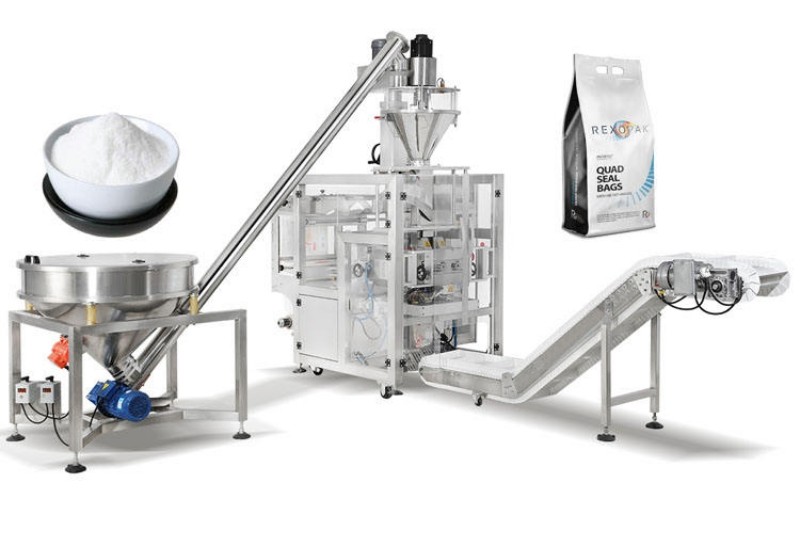
Bag Forming with the Forming Tube
Once properly tensioned, the flat film is guided toward the forming tube, a crucial component that gives the bag its shape. The film travels over the shoulders of a forming collar, which folds the material around the hollow tube, transforming the flat web into a cylindrical shape. The two outer edges of the film are brought together to create a vertical seam.
This seam is created by a vertical sealing bar or jaws that apply heat and pressure, bonding the film edges together. This can result in two common types of seals: a fin seal, where the inner surfaces of the film are pressed together, or a lap seal, where one edge overlaps the other, using slightly less material. The choice depends on the properties of the film being used.
Filling the Bag
With the vertical seal formed, the film tube is now ready to be filled. At this stage, a pair of horizontal sealing jaws clamp across the film tube, creating the bottom seal of one bag and simultaneously forming the top seal of the previously filled bag below it.
The product is then dispensed from a filler or dosing system, which is mounted above the forming tube. The product drops through the hollow center of the forming tube and into the waiting bag. The type of filler used is critical and depends entirely on the product:
- Multi-head Weighers: For accurately weighing solids like snacks, candy, and frozen foods.
- Auger Fillers: For dispensing powders like flour, spices, and coffee grounds.
- Volumetric Cup Fillers: For measuring and dispensing granules like rice, sugar, and beans.
- Piston Fillers / Pumps: For liquids, pastes, and gels such as sauces or creams.
The filling process is precisely synchronized with the machine's cycle to ensure each bag receives the correct amount of product.
Sealing and Cutting the Bag
After the product has been dispensed, the film is pulled down to the specified bag length. The horizontal sealing jaws then come together again. They perform two functions at once: they create the top seal of the filled bag and the bottom seal of the next bag to be filled.
Integrated within these jaws is a sharp knife that moves forward to cut the completed bag, releasing it from the film tube. The finished package then drops onto a conveyor belt or into a collection bin, ready for the next stage of the production line, such as case packing. This entire cycle can repeat at speeds ranging from 30 to over 300 bags per minute, depending on the machine and application.
Key Components of a VFFS Packaging Machine
A VFFS machine is an assembly of sophisticated parts working in perfect harmony. Understanding these components is key to appreciating how the machine achieves its speed and precision.
| Component | Function | Importance |
|---|---|---|
| Film Unwind Station | Holds the roll of packaging film and feeds it into the machine. Includes a spindle and tension control systems like a dancer arm. | Ensures a smooth, consistent film supply, preventing alignment issues and production stops. |
| Forming Tube and Collar | Shapes the flat film from the roll into a vertical tube. The size of the collar determines the bag's width. | This is the heart of bag creation. Different forming sets are required for different bag sizes and styles. |
| Dosing & Filling System | Measures and dispenses the correct amount of product into the formed bag. Common types are weighers, auger fillers, and volumetric fillers. | Critical for product consistency, cost control, and meeting package weight regulations. Product accuracy starts here. |
| Sealing Jaws | A set of vertical and horizontal jaws that use heat and pressure to seal the film. The horizontal jaws also cut the bag. | Creates airtight, durable seals that protect the product, ensure shelf life, and form the final package. |
| Control Panel (HMI) | The Human-Machine Interface, typically a touchscreen, where operators set parameters like bag length, speed, and sealing temperature. | The brain of the machine, allowing for easy operation, quick changeovers, and troubleshooting. |
| Sensors & Safety Devices | Includes photo-eye sensors for reading print marks on the film and safety interlocks that stop the machine if doors are opened. | Ensures precise printing placement, operational accuracy, and operator safety. |
The seamless integration of these components is what makes a VFFS packing machine such a powerful and indispensable tool in automated packaging.
The Advantages of Using a VFFS Packaging Machine
Investing in VFFS technology is more than an equipment upgrade; it's a strategic move to address core manufacturing challenges head-on. From labor costs and material waste to production speed and product safety, the benefits of adopting a VFFS machine are comprehensive and transformative for any production line.
Boosting Efficiency and Speed with a VFFS Packaging Machine
One of the most significant advantages of a VFFS machine is the dramatic increase in production speed and efficiency. By automating the forming, filling, and sealing processes into one continuous, fluid motion, these machines can package products at rates far exceeding manual or semi-automated methods. Depending on the product, film, and machine model, a VFFS system can produce anywhere from 30 to over 300 bags per minute. This high-speed operation allows manufacturers to significantly increase their throughput, meet demanding production targets, and scale operations without a proportional increase in labor. The automated cycle reduces downtime between steps and allows a single operator to oversee multiple machines, further amplifying overall equipment effectiveness (OEE).
Versatility and Adaptability of the VFFS Packaging Machine
Modern VFFS machines are engineered for exceptional versatility. They can handle an extensive range of products, including powders, granules, liquids, pastes, and solid items. This adaptability makes them a single-solution investment for companies with diverse product lines. Beyond product type, VFFS machines can be configured to produce numerous bag styles and sizes. With quick, tool-free changeovers for components like the forming tube and film roll, a single machine can produce pillow bags, gusseted bags, quad-seal bags, and stand-up pouches. This flexibility allows businesses to adapt to changing market trends and customer preferences without needing entirely new equipment.
Cost-Effectiveness and Reduced Waste with a VFFS Packaging Machine
VFFS machines deliver significant cost savings from multiple angles. First, by forming bags from a roll of film rather than using more expensive pre-made bags, material costs per package are substantially lower. Furthermore, the precision of modern VFFS technology minimizes waste. Advanced dosing systems ensure that each bag is filled with the exact amount of product, preventing costly overfills and ensuring compliance with weight regulations.
The optimized film transport and cutting systems are designed to reduce scrap material by up to 30%. This efficient use of materials not only lowers operational costs but also aligns with sustainability goals by reducing plastic waste. Finally, automation drastically reduces labor costs, as fewer operators are needed to manage the packaging line.
Ensuring Product Quality and Integrity via VFFS Packaging Technology
Protecting the product is the ultimate goal of any packaging process, and VFFS machines excel in this area. The technology creates strong, consistent, and airtight seals that protect contents from moisture, oxygen, bacteria, and other external contaminants. This is critical for extending the shelf life of food products and maintaining the sterility of pharmaceuticals.
For fragile products like chips or crackers, many VFFS machines incorporate a gas-flushing system (Modified Atmosphere Packaging or MAP). This process injects an inert gas, such as nitrogen, into the bag before sealing it. This not only displaces oxygen to prevent spoilage but also creates a cushion of air that protects the product from being crushed during transit. The result is a higher-quality product, enhanced brand reputation, and greater customer satisfaction.
Diverse Applications of the VFFS Packaging Machine Across Industries
The remarkable versatility and efficiency of VFFS technology have made it a staple in numerous sectors. From ensuring the freshness of food to maintaining the sterility of medical supplies, these machines provide tailored solutions that meet the unique demands of each industry.
Food and Beverage VFFS Packaging Machine Applications
The food and beverage industry is the largest user of VFFS machines, and for good reason. The technology is perfectly suited for a vast array of products, including:
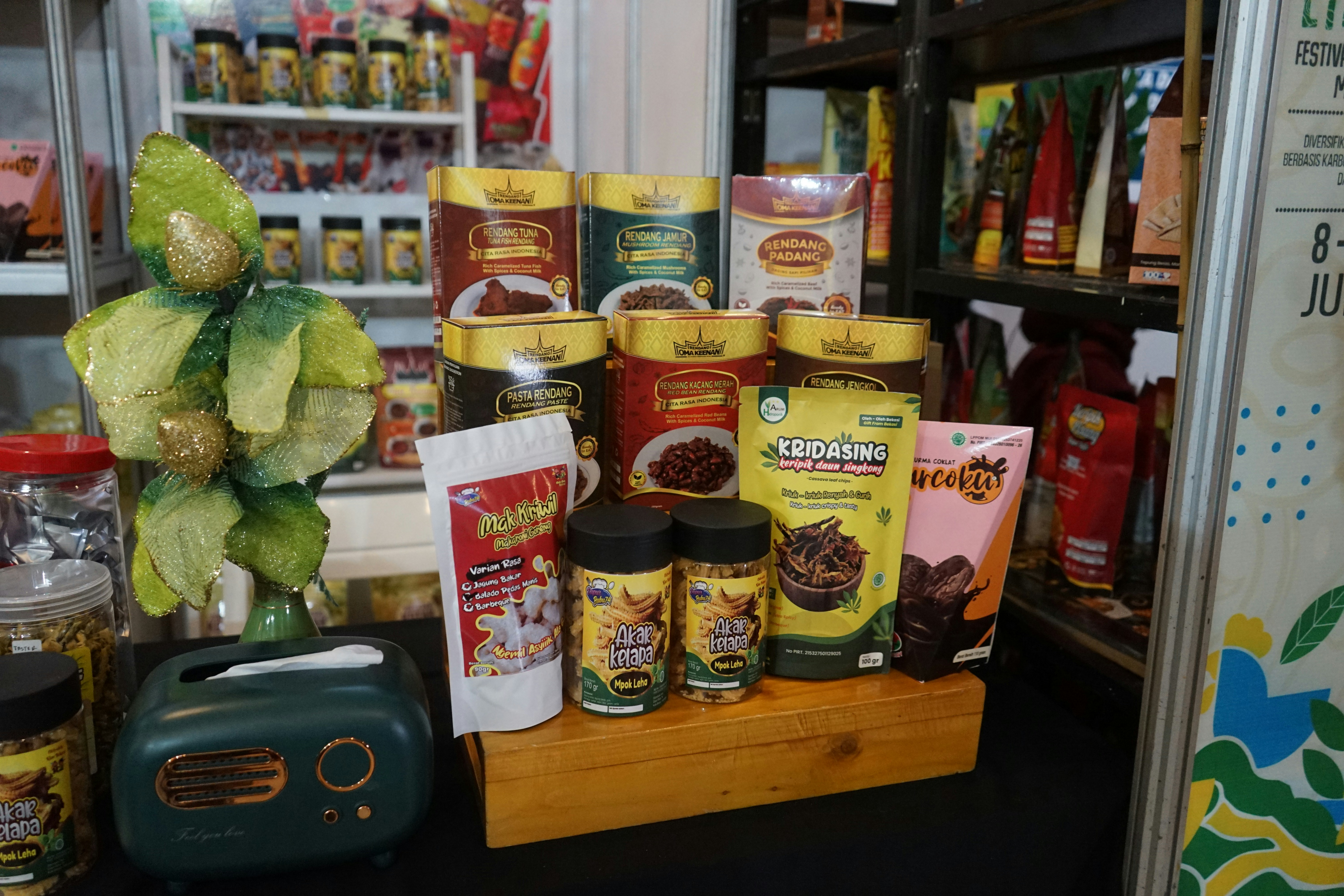
- Snacks and Confectionery: VFFS machines are ideal for packaging items like potato chips, pretzels, nuts, popcorn, and candies. The ability to use gas flushing protects these fragile products from breakage while extending shelf life.
- Granules and Grains: Free-flowing products such as rice, sugar, salt, beans, and seeds are easily and accurately measured by volumetric or weigher fillers and packaged in pillow or gusseted bags.
- Powders: Coffee grounds, spices, flour, milk powder, and protein powders are efficiently handled using auger fillers, which provide precise, dust-free dosing.
- Frozen Foods: Items like frozen vegetables, fruits, fish balls, and ready-to-eat meals are packaged using VFFS machines built with washdown-ready stainless steel to withstand cold and moist environments.
- Liquids and Pastes: With the integration of liquid piston pumps, VFFS machines can package beverages, sauces, soups, syrups, and condiments in convenient sachets or pouches.
Pharmaceutical and Medical Supply VFFS Packaging Machine Uses
In the pharmaceutical and medical fields, precision, hygiene, and sterility are non-negotiable. VFFS machines play a crucial role by providing packaging solutions that meet these stringent standards. Common applications include:
- Powders and Granules: Packaging single-dose medicinal powders, supplements, and granulated formulas into sachets or stick packs.
- Tablets and Capsules: While less common than blister packs, VFFS machines can be used for bulk packaging of capsules and tablets.
- Medical Devices: Smaller, single-use medical components and IVD (In-Vitro Diagnostic) products are often packaged in sterile, four-side seal pouches to ensure they remain contaminant-free until use.
Machines used in this sector are typically constructed from high-grade stainless steel and designed for easy cleaning and sterilization to comply with Good Manufacturing Practices (GMP).
Cosmetics, Personal Care, and Chemical VFFS Packaging Machine Solutions
The VFFS machine's ability to handle liquids, gels, and powders makes it a valuable asset in the cosmetics, personal care, and chemical industries.
- Cosmetics and Personal Care: Single-use samples of lotions, creams, shampoos, and gels are often packaged in small sachets. VFFS machines also handle cosmetic powders and bath salts.
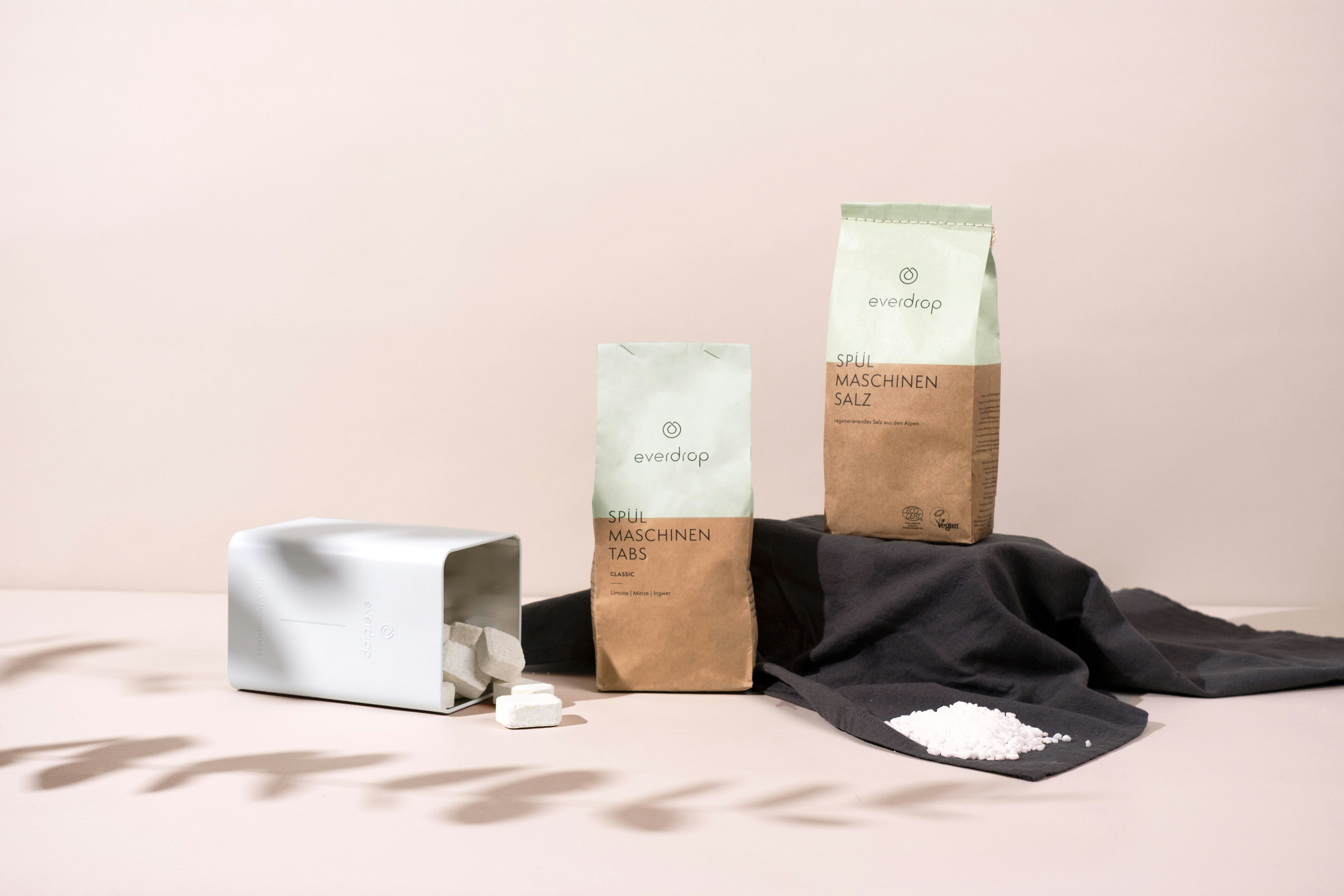
- Household Chemicals: Detergent powders, dishwasher tabs, and other cleaning agents are efficiently packaged in portion-controlled bags or stand-up pouches.
- Agricultural and Industrial Chemicals: Products like fertilizers, pesticides, and resin granules are packaged in durable, heavy-duty bags that ensure safety and prevent leakage.
For all these industries, the VFFS machine offers a high-speed, reliable, and automated solution that enhances productivity while ensuring the product is securely and attractively packaged.
VFFS Packaging Machine vs. HFFS Packaging Machine: A Comparative Look
When exploring automated packaging, another term that frequently appears is HFFS, or Horizontal Form Fill Seal. While both VFFS and HFFS machines automate the packaging process, they do so in fundamentally different ways, making each suitable for distinct applications. Understanding these differences is key to choosing the right solution for your production needs.
Understanding the Orientation Difference in Packaging Machines
As their names imply, the primary difference between the two machines is their operational orientation.
- VFFS (Vertical Form Fill Seal): The entire process occurs vertically. The film is drawn downward, formed into a tube, filled from above using gravity, and then sealed.
- HFFS (Horizontal Form Fill Seal): The process moves horizontally. Products are placed on a conveyor and moved into a horizontally formed film tube, which is then sealed and cut.
This fundamental design difference dictates everything from the types of products they can handle to their physical footprint in a facility.
Product Suitability for Each Packaging Machine Type
The orientation directly impacts the kinds of products each machine is best suited for.
VFFS machines are ideal for:
- Loose, granular, or powdered products: Items like coffee, sugar, spices, snack foods, rice, and detergents are perfect for VFFS because they can be easily dropped into the bag using gravity.
- Liquids and semi-liquids: Sauces, soups, and gels that flow easily are also well-suited for vertical filling.
- Products that don't require specific orientation: For items where how they land in the bag doesn't matter, VFFS is the most efficient option.
HFFS machines are the preferred choice for:
- Solid, single-item products: Items like candy bars, bakery products (e.g., muffins, brownies), soap bars, and electronics benefit from the horizontal flow.
- Products requiring careful handling: Fragile items or those that need to be placed in a specific orientation within the package are gently handled on a horizontal conveyor.
- Products packaged in trays: An HFFS machine can easily wrap a tray of items, like cookies or medical kits.
Speed and Efficiency Considerations for VFFS and HFFS Packaging Machines
Both machine types are designed for high-speed production, but their efficiency can vary based on the application.
- VFFS machines are generally faster for packaging bulk, free-flowing products. Because gravity does most of the work in the filling stage, the process is inherently rapid, with some machines exceeding 300 bags per minute.
- HFFS machines can achieve very high speeds, especially when packaging uniform, solid items. However, their speed is often dependent on the efficiency of the infeed conveyor system and the complexity of the product being handled. For products that require precise placement, the process may be slower than the gravity-assisted filling of a VFFS machine.
Space Requirements for VFFS and HFFS Packaging Machines
The physical footprint is another significant differentiator.
- VFFS machines have a vertical design, meaning they take up significantly less floor space. Their compact footprint makes them an excellent choice for facilities with limited horizontal area but higher ceiling clearance.
- HFFS machines require a much longer, horizontal layout to accommodate the infeed conveyor, forming area, and discharge. This larger footprint is a critical consideration for facility planning.
Here is a summary table comparing the key aspects:
| Feature | VFFS (Vertical Form Fill Seal) | HFFS (Horizontal Form Fill Seal) |
|---|---|---|
| Orientation | Vertical | Horizontal |
| Best for Products | Powders, granules, liquids, loose items (e.g., chips, rice) | Solid, single items (e.g., candy bars, soap), fragile goods, products in trays |
| Footprint | Smaller floor space, taller height | Larger floor space, longer length |
| Typical Speed | Very fast for bulk items | High speed for single items, dependent on infeed |
| Bag Styles | Pillow, gusseted, quad seal, stick packs | Primarily pillow bags, flow wraps |
| Initial Cost | Generally lower initial investment | Typically higher initial investment |
Ultimately, the choice between a VFFS and an HFFS machine isn't about which is "better," but which is the right fit for your specific product, production goals, and facility constraints.
Choosing the Right VFFS Packaging Machine
Selecting the right VFFS packaging machine is a critical investment that will impact your production efficiency, operational costs, and product quality for years to come. With a wide range of manufacturers and models available, making an informed decision requires a careful evaluation of your specific needs.
Factors to Consider When Selecting a VFFS Packaging Machine
Choosing the right machine goes beyond just the price tag. A thorough analysis of your operational requirements will ensure you select a system that delivers long-term value. Here are the key factors to consider:
- Product Characteristics: What are you packaging? The state of your product (liquid, powder, granule, solid), its flowability, density, and fragility will determine the type of filler (auger, weigher, pump) required.
- Production Speed and Capacity: How many bags per minute do you need to produce? Assess your current and future production demands to choose a machine with the appropriate output rate. VFFS machines come in a wide range of speeds, from intermittent motion models for lower volumes to high-speed continuous motion machines for large-scale operations.
- Bag Type, Size, and Material: What do you want your final package to look like? Consider the desired bag style (pillow, gusseted, quad seal), size range, and features like zippers or tear notches. Ensure the machine is compatible with your chosen packaging film, whether it's standard polyethylene, laminated films, or recyclable materials.
- Footprint and Facility Space: VFFS machines are known for their compact footprint, but they require vertical clearance. Measure your available floor space and ceiling height to ensure the machine will fit comfortably and allow for safe operation and maintenance access.
- Flexibility and Changeover Time: If you run multiple products or bag sizes, how quickly can the machine be changed over? Look for machines that offer tool-free adjustments and user-friendly control systems (HMI) with pre-set programs to minimize downtime between production runs.
- Quality, Reliability, and Maintenance: The machine's build quality directly affects its longevity and reliability. Opt for manufacturers with a reputation for durable construction. Inquire about the ease of maintenance, the availability of spare parts, and the level of technical support and after-sales service provided. Regular maintenance is crucial to keep a VFFS machine running smoothly.
- Integration with Other Equipment: Consider how the VFFS machine will fit into your existing production line. It needs to integrate seamlessly with upstream equipment (like product feeders) and downstream equipment (like checkweighers, metal detectors, and case packers).
- Budget and Total Cost of Ownership (TCO): While the initial purchase price is a major factor, it's essential to evaluate the TCO. This includes ongoing costs for maintenance, spare parts, energy consumption, and film usage. A more expensive but highly efficient and reliable machine may offer a better return on investment (ROI) over time.
Making a thoughtful decision based on these factors is crucial. If you need help navigating these options, don't hesitate to Contact Our Expert team for personalized guidance.
Leading VFFS Packaging Machine Manufacturers
The market for VFFS machines is supported by numerous reputable manufacturers known for their innovation, quality, and reliability. While many global and regional players exist, some of the well-regarded names in the US market include:
- Matrix Packaging Machinery: A ProMach brand, Matrix is known for producing dependable and flexible VFFS systems.
- Triangle Package Machinery: With a long history dating back to 1923, Triangle is a key player known for its durable and sanitary VFFS machines.
- Rovema: Recognized for its innovative and sustainable packaging solutions, Rovema offers high-quality VFFS machines with user-friendly interfaces.
- WeighPack Systems / Paxiom Group: This group offers a wide range of integrated packaging solutions, including smart and versatile VFFS machines.
- All-Fill Inc.: All-Fill provides a comprehensive line of VFFS machines that integrate seamlessly with their well-known auger fillers and other dosing systems.
When exploring your options, it's also important to consider specialized manufacturers that excel in particular niches. One such notable company is TOP Y Machinery, a VFFS Packaging Machine Manufacturer known for its commitment to engineering high-performance, customized packaging solutions. They leverage modern technology like servo motors and intelligent controls to deliver machines that are both efficient and precisely tailored to client needs, making them a strong contender for businesses seeking an innovative and reliable VFFS system.
Frequently Asked Questions (FAQ)
1. What is the typical speed of a VFFS machine? The speed of a VFFS machine can vary significantly, ranging from 30 to over 300 bags per minute. This depends on several factors, including the machine type (intermittent vs. continuous motion), product characteristics, bag size, and the type of film being used.
2. Can VFFS machines handle liquid products? Yes, VFFS machines are highly versatile and can be equipped with specialized liquid fillers, such as piston or servo pumps, to accurately package a wide range of liquids and semi-liquids, including sauces, soups, gels, and beverages.
3. What is the difference between a fin seal and a lap seal? A fin seal is created by pressing the two interior sides of the film together, creating a flat "fin" on the back of the bag. A lap seal is formed by overlapping the edges of the film and sealing them together. A lap seal uses slightly less film but is not suitable for all film types, especially those with special barrier layers on the inside.
4. How much floor space does a VFFS machine require? VFFS machines are prized for their compact, vertical design, which requires less floor space than horizontal machines. A typical machine might occupy around 10-15 square meters, but this can vary. However, it's important to consider the required vertical height, as machines can be several meters tall.
5. How difficult is it to change between different bag sizes? Modern VFFS machines are designed for quick and easy changeovers. On many models, changing bag width involves swapping out the forming tube and collar, which can often be done without tools in under 30 minutes. Bag length is typically a simple adjustment made on the machine's HMI control panel.
Conclusion
In conclusion, the VFFS packaging machine stands as an indispensable asset for modern manufacturing. It directly addresses critical operational challenges such as high labor costs, material waste, workplace safety, and inconsistent output. By automating the entire bag forming, filling, and sealing process, VFFS machines empower businesses to achieve significantly higher throughput, greater operational efficiency, and reduced costs. Furthermore, the technology plays a vital role in enhancing product quality, ensuring safety, and extending shelf life.
The projected growth of the global VFFS market reflects a clear and growing demand for advanced packaging technologies that can keep products fresh and protected. For any business involved in packaging, understanding the nuances, advantages, and applications of VFFS machines is no longer optional—it is essential for making informed decisions, optimizing production, and maintaining a competitive edge in a dynamic and demanding marketplace.