Understanding VFFS vs. HFFS: Food Packaging Machine Trends
Choosing the right packaging machine is a pivotal decision for any business, directly influencing packaging speed, product integrity, and overall operational efficiency. In the dynamic landscape of packaging technology, two dominant types of automated systems are at the forefront: Vertical Form Fill Seal (VFFS) and Horizontal Form Fill Seal (HFFS) machines. These workhorses of the industry are fundamental to flexible packaging, masterfully performing the core functions of shaping packaging material from a flat roll, filling it with product, and securely sealing the final package. Gaining a deep understanding of the fundamental differences, benefits, and applications of VFFS and HFFS machines is the first step toward making an informed investment that aligns perfectly with your product characteristics, production demands, and long-term strategic goals.
As a leading [VFFS Packaging Machine Manufacturer](_blank"), TOP Y Machinery has empowered over 2,000 manufacturing enterprises across more than 100 countries with advanced packaging automation solutions. Our extensive experience has shown us that the choice between vertical and horizontal systems is one of the most critical factors for success. This comprehensive guide will delve into the operational mechanics, product suitability, performance metrics, and future trends of both machine types, providing you with the expert insights needed to optimize your packaging line.
Key Takeaways
| Aspect | VFFS (Vertical Form Fill Seal) | HFFS (Horizontal Form Fill Seal) |
|---|---|---|
| Primary Operation | Vertical. Product is dropped into a tube of film which is then sealed and cut. | Horizontal. Pouches are created and then travel horizontally along a conveyor to be filled and sealed. |
| Best for Products | Free-flowing and loose items: powders, grains, liquids, snacks, coffee, granular products. Uses gravity for filling. | Solid, single-item, or grouped products: candy bars, baked goods, medical devices, hardware kits, fresh produce in trays. |
| Machine Footprint | Generally smaller and more compact, utilizing vertical space. Ideal for facilities with limited floor area. | Typically larger and more linear, requiring more floor space to accommodate the horizontal conveyor system. |
| Packaging Speed | Can be extremely fast, especially for simple bag types and lightweight products. Some models exceed 200 bags per minute. | Speed is variable. Can be very high for single-item flow wrapping but may be slower for complex multi-pack or premade pouch applications. |
| Pouch & Bag Styles | Excellent for pillow bags, gusseted bags, and block-bottom bags. More limited in producing stand-up pouches with zippers without specialized, complex configurations. | Highly versatile. Excels at creating stand-up pouches, zippered bags, spouted pouches, and three- or four-sided seal pouches. Ideal for retail-ready packaging. |
| Flexibility & Changeover | Changeovers between different bag sizes can be relatively quick but changing formats (e.g., from pillow to gusseted) takes more time. | Often offers greater flexibility for different product shapes and sizes. However, changeovers can be more complex and time-consuming due to the number of moving parts. |
| Initial Investment | Generally lower initial capital investment compared to HFFS systems. | Typically requires a higher initial investment due to greater mechanical complexity and size. |
| Maintenance | Simpler mechanics can lead to easier maintenance and lower long-term service costs. | More complex systems with more moving parts may require more intensive maintenance and potentially higher costs. |
Unpacking the Basics: How VFFS vs. HFFS Machines Operate
To make an educated decision, it's essential to first grasp the core operational principles that distinguish VFFS and HFFS machines. While both create, fill, and seal packages from a single roll of film, their fundamental approaches—vertical versus horizontal—dictate everything from the products they can handle to their physical footprint in a facility.
The Vertical Approach of VFFS Machines
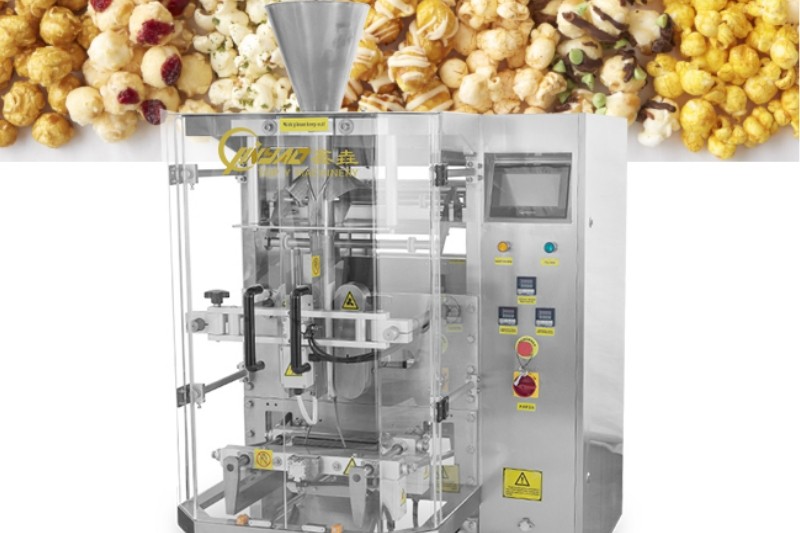
A Vertical Form Fill Seal, or VFFS Packaging Machine, operates on a simple yet elegant principle: gravity. As the name suggests, the entire process flows in a downward vertical direction. This makes it an incredibly efficient solution for a wide range of products, particularly those that are loose, granular, or liquid.
VFFS Workflow: From Rollstock to Sealed Pouch
The journey of a product through a VFFS machine is a streamlined, top-down process. It begins with a large roll of packaging film, which is the raw material for the pouches.
- Film Transport and Forming: The flat film is drawn off the roll and transported to a forming tube. As the film wraps around this tube, it is shaped into a vertical cylinder with the two outer edges of the film overlapping.
- Vertical Sealing: A vertical sealing bar presses against the overlapped film, fusing the edges together to create the back seal of the pouch.
- Bottom Sealing and Product Dosing: A set of horizontal sealing jaws, often referred to as the "sealing and cutting assembly," comes together to create the bottom seal of the first pouch. Simultaneously, it forms the top seal of the previously filled pouch hanging below it. Once the bottom seal is in place, the pre-weighed or pre-measured product is dispensed from a filler or multihead weigher positioned above the forming tube, dropping directly into the partially formed pouch.
- Top Sealing and Cutting: The film is then pulled down to the desired pouch length. The horizontal sealing jaws close again to create the top seal of the now-filled pouch and, at the same time, the bottom seal of the next pouch. A knife within the jaw assembly then cuts the completed pouch free, allowing it to drop onto a conveyor or into a collection bin. This entire cycle repeats at high speed.
Key Components and Their Role in VFFS
Understanding the main parts of a VFFS machine helps clarify its operation and maintenance requirements. While designs vary, most systems include these core components:
- Film Unwind Assembly: This holds the large roll of packaging film (rollstock) and often includes sensors to ensure proper tension and alignment as the film is pulled into the machine.
- Dancer Arm: A weighted pivot arm that maintains consistent film tension, which is critical for creating uniform bags and preventing film breaks.
- Forming Tube/Shoulder: This crucial component shapes the flat film into the tubular form that will become the bag. The diameter of the tube dictates the width of the final pouch. Different bag sizes require corresponding forming tube sets.
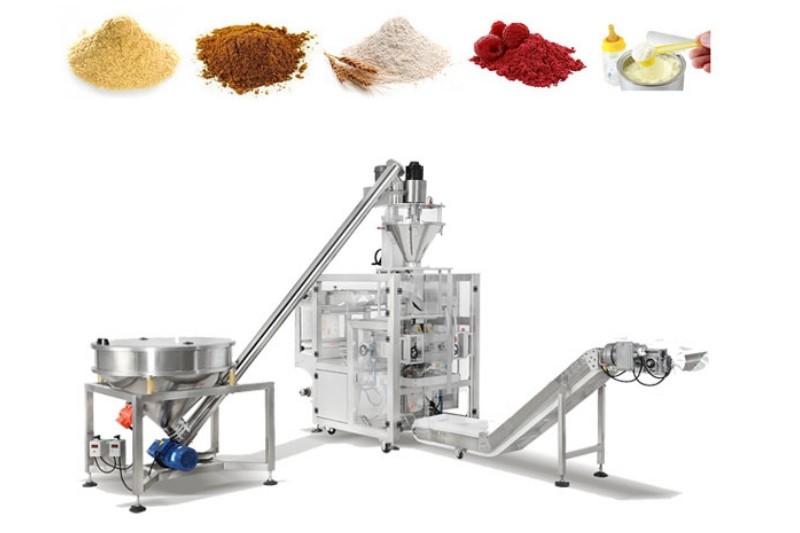
- Multi-Head Weigher or Auger Filler: Mounted directly above the VFFS machine, this dosing system accurately measures the product to be dispensed. Multi-head weighers are ideal for snacks and solids, while auger fillers are used for powders and granules.
- Sealing Jaws (Horizontal and Vertical): These heated bars apply pressure and heat to the film to create strong, reliable seals. The vertical jaw creates the back seal, and the horizontal jaws create the top and bottom seals.
- Control System (HMI): A Human-Machine Interface, typically a touchscreen panel, allows operators to set parameters like bag length, sealing temperature, and machine speed, as well as diagnose any issues.
The Horizontal Methodology of HFFS Machines
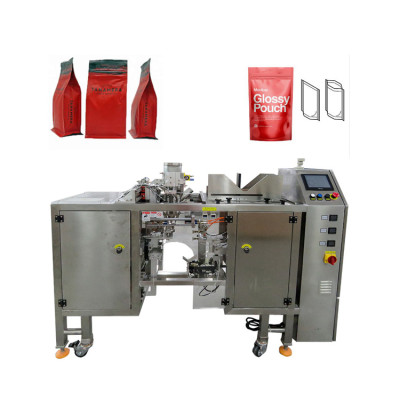
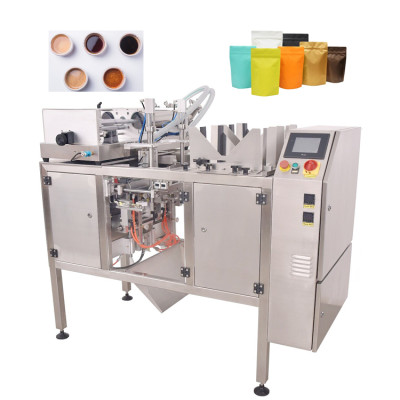
In contrast to the vertical drop, a Horizontal Form Fill Seal (HFFS) machine, also known as a flow wrapper, operates on a horizontal plane. The process involves forming a pouch first and then moving it along a conveyor for filling and sealing. This method is exceptionally well-suited for solid, single-item products or items that cannot be dropped.
HFFS Workflow: Creating and Filling Pouches Horizontally
The HFFS process is more linear, making it ideal for integrating with production lines where products are delivered individually on a conveyor.
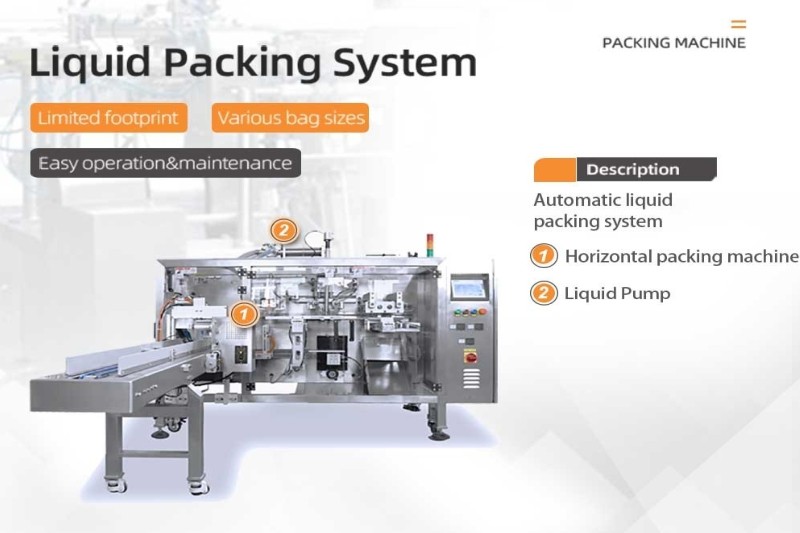
- Pouch Forming: Similar to VFFS, the process starts with a roll of film. The film is unwound and fed into the machine, where it is folded into a "V" shape. Side seals and bottom seals are then created by heated sealing bars, forming a three-sided pouch that remains open at the top.
- Pouch Conveyance: A series of grippers or clamps takes hold of the pre-formed pouches and advances them horizontally along a track or carousel.
- Product Loading/Filling: As the open pouches move along the line, they arrive at the filling station. This is the key difference: product is inserted horizontally. This can be done manually by an operator or automatically by robotic arms, pick-and-place systems, or auger fillers for powders. This horizontal loading is gentle and precise, making it perfect for delicate items like cookies or medical kits that must be arranged neatly.
- Top Sealing and Discharge: After filling, the pouches move to the final station where the top of the pouch is sealed by another set of sealing bars. The finished package is then discharged from the machine onto an exit conveyor for cartoning or case packing.
Essential Parts of an HFFS System
HFFS machines are often more mechanically complex due to their linear motion and multi-station design. Key components include:
- Infeed Conveyor: This transports the product to the loading station. For automated systems, it often includes special features like "flight bars" that separate products into individual pockets for precise timing.
- Film Unwind and Forming Plow: The film roll is unwound, and a "plow" or former folds the flat film into the correct shape before sealing.
- Pouch Forming and Sealing Stations: A series of heated sealing tools that create the side and bottom seals of the pouches before they are filled.
- Gripper/Carousel System: A critical component that securely holds the pouches and transports them from one station to the next—from forming to filling to sealing.
- Loading/Filling Area: An open section of the machine that allows for the horizontal insertion of the product into the waiting pouch.
- Top Sealing and Cutting Station: The final set of sealing jaws that closes the top of the pouch after it has been filled, along with a knife to separate the finished packages.
Product Compatibility: Matching Your Items with VFFS vs. HFFS
The single most important factor in the VFFS vs. HFFS debate is the nature of your product itself. The physical state, shape, fragility, and quantity of the item(s) being packaged will almost always point you toward one type of machine over the other.
Ideal Products for VFFS Machines
The gravity-fed design of VFFS machines makes them the undisputed champion for packaging products that are "flowable." If you can pour it, scoop it, or drop it without damage, a VFFS machine is likely the most efficient choice.
Free-Flowing Goods: Powders, Grains, and Liquids
VFFS systems excel with products that can be easily measured by weight or volume and dropped into a bag. This includes a massive range of goods:
- Powders and Granules: Coffee grounds, flour, sugar, spices, protein powder, and chemical powders are perfect candidates. An auger filler is typically used to dispense these products accurately.
- Grains and Beans: Rice, lentils, beans, seeds, and popcorn kernels flow easily and are often packaged using VFFS systems combined with multi-head weighers for precision.
- Snack Foods: Potato chips, pretzels, nuts, and extruded snacks are classic VFFS applications. Care must be taken to manage the drop height to minimize product breakage.
- Liquids and Sauces: With the addition of a liquid pump filler, VFFS machines can efficiently package products like ketchup, mayonnaise, salad dressing, soups, and juices.
Common VFFS Applications Across Industries
The efficiency and relatively small footprint of VFFS machines have led to their widespread adoption in numerous sectors:
- Food & Beverage: This is the largest market, covering everything from coffee and snacks to frozen vegetables and shredded cheese.
- Nutraceuticals: Packaging powders, capsules, and gummies.
- Hardware: Small, loose items like screws, nuts, bolts, and washers can be quickly counted or weighed and bagged.
- Agriculture: Seeds, fertilizers, and animal feed are commonly packaged using VFFS technology.
Best-Suited Products for HFFS Machines
HFFS machines are the solution when products are solid, delicate, irregularly shaped, or need to be placed carefully into a package rather than dropped. The horizontal orientation provides the control and gentle handling that these items require.
Solid, Semi-Solid, and Irregularly Shaped Items
If your product is a single unit or a pre-arranged group of items, HFFS is almost always the superior choice.
- Bakery and Confectionery: Individually wrapped candy bars, granola bars, cookies, pastries, and croissants are prime examples of HFFS applications.
- Solid and Semi-Solid Foods: Blocks of cheese, fresh pasta, tortillas, and even wet wipes benefit from the horizontal loading process.
- Multi-packs and Kits: Creating a package with multiple different components, such as a hardware kit (screws, anchors, instructions) or a meal kit (a piece of fish with a sauce packet), is far more manageable on an HFFS line.
- Medical and Pharmaceutical: Sterile products like syringes, surgical gloves, diagnostic test kits, and blister packs require the gentle and precise placement offered by HFFS machines.
HFFS Versatility for Delicate and Complex Products
The horizontal workflow of HFFS machines opens the door to packaging a wide variety of challenging products and creating premium, shelf-ready pouches.
- Delicate Items: Fragile products like crackers, soft-baked cookies, or items with delicate toppings cannot withstand the drop in a VFFS system. HFFS machines can handle them without causing damage.
- Fresh Produce: Trays of sliced fruits, whole vegetables like peppers, or leafy greens are often packaged using flow wrappers to maintain their appearance and freshness.
- Premium Pouch Features: HFFS machines are particularly adept at producing stand-up pouches with zippers, spouts for liquids, or tear notches. These features are highly desirable for consumer convenience and on-shelf appeal but are more difficult and expensive to implement on a VFFS machine.
The table below summarizes the ideal product-machine pairings:
| Product Category | VFFS | HFFS |
|---|---|---|
| Powders & Granules (Coffee, Sugar) | ✅ Excellent | ❌ Unsuitable |
| Loose Snacks (Chips, Nuts) | ✅ Excellent | ❌ Unsuitable |
| Liquids & Sauces | ✅ Good | ✅ Possible (with spouts) |
| Single Solid Items (Candy Bar) | ❌ Unsuitable | ✅ Excellent |
| Delicate Items (Cookies, Pastries) | ❌ Unsuitable | ✅ Excellent |
| Multi-Packs & Kits | ❌ Very Difficult | ✅ Excellent |
| Products in Trays | ❌ Unsuitable | ✅ Excellent |
| Stand-Up Pouches with Zippers | ⚠️ Possible (complex) | ✅ Excellent |
Performance and Efficiency: Comparing VFFS vs. HFFS Metrics
Beyond product compatibility, the decision between VFFS and HFFS machines hinges on key performance indicators (KPIs) like speed, footprint, flexibility, and cost. At TOP Y Machinery, we help clients analyze these factors to determine the best return on investment for their specific production environment.
Speed and Throughput: Which Machine is Faster?
Speed, often measured in bags per minute (BPM), is a critical metric. However, a direct comparison is not always straightforward as speed is highly dependent on the product, bag size, and film type.
- VFFS Speed: VFFS machines can be exceptionally fast, particularly for lightweight products. Simple pillow bags can be produced at speeds well over 150-200 BPM on high-end models. The continuous-motion design, where the sealing jaws move with the film, allows for higher speeds than intermittent-motion models where the film must stop for sealing.
- HFFS Speed: The speed of HFFS machines is more variable. For simple flow-wrapping of small, uniform items like candy, speeds can exceed 300-400 packs per minute. However, for more complex tasks like filling pre-made stand-up pouches or manually loading multi-component kits, the speed will be significantly lower and may be limited by the speed of the loading process itself.
Verdict: For high-volume production of simple, loose products, VFFS often has a slight edge in raw speed. For single-item flow wrapping, HFFS can be faster. The true bottleneck in HFFS systems is often the product loading stage.
Footprint and Space Considerations for VFFS vs. HFFS
Manufacturing floor space is a valuable commodity. The physical size and layout of a packaging machine can be a deciding factor.
- VFFS Footprint: These machines are designed to be tall, not wide. By using vertical space, they typically have a much smaller floor footprint compared to HFFS systems. This makes them ideal for facilities with limited square footage. However, the height of the machine, especially when paired with a large multi-head weigher, must be considered, as ceiling height can be a constraint.
- HFFS Footprint: HFFS machines are, by their nature, long and linear. They require significant floor space to accommodate the infeed conveyor, pouch forming section, filling stations, and sealing/discharge area. A typical HFFS line can easily be 20-30 feet long or more.
Verdict: For saving floor space, VFFS is the clear winner. HFFS requires a substantial linear footprint.
Packaging Flexibility and Bag Styles for VFFS vs. HFFS
The ability of a machine to produce different types of packages and handle various materials adds significant value and future-proofs the investment.
- VFFS Bag Styles: VFFS machines are masters of the pillow bag, the most common and cost-effective pouch style. They can also produce gusseted bags (which provide a more rectangular shape) and block-bottom bags (which can stand on their own but require more complex jaw assemblies). While some advanced VFFS machines can create stand-up pouches or add zippers, the process is often more complex and slower than on an HFFS machine.
- HFFS Bag Styles: This is where HFFS truly shines. HFFS machines offer unparalleled versatility in bag styles. They are the go-to choice for stand-up pouches, which are highly popular in retail for their shelf presence. They can easily incorporate features like press-to-close zippers, spouts for liquids, and hang holes. They can also produce three-side seal pouches and four-side seal pouches (sachets).
Verdict: For package versatility and producing modern, retail-ready formats like zippered stand-up pouches, HFFS has a significant advantage.
Cost Implications: Initial Investment and Maintenance for VFFS vs. HFFS
Budget is always a major consideration. The total cost of ownership includes the initial purchase price, installation, maintenance, and operational costs.
- VFFS Cost: Generally, VFFS machines have a lower initial capital investment. Their mechanical design is simpler, with fewer moving parts compared to their horizontal counterparts. This simplicity also translates into potentially lower maintenance costs and easier troubleshooting. Change parts for different bag sizes (forming tubes and collars) are also typically less expensive.
- HFFS Cost: HFFS machines represent a higher initial investment. Their mechanical complexity, longer frame, and sophisticated gripper or carousel systems contribute to the higher price tag. Maintenance can be more involved due to the larger number of components. However, the premium packaging they produce can command higher retail prices, potentially leading to a faster return on investment.
Verdict: For a lower initial investment and potentially lower maintenance costs, VFFS is the more budget-friendly option. HFFS is a premium investment for premium packaging needs. As an experienced VFFS Packaging Machine Manufacturer, we at TOP Y Machinery can provide detailed cost-benefit analyses to help you make the most financially sound decision.
Future-Proofing Your Operations: VFFS vs. HFFS in 2026 and Beyond
The packaging industry is constantly evolving, driven by consumer demands, regulatory changes, and technological innovation. Selecting a machine today requires forethought about the trends that will shape the industry tomorrow. Both VFFS and HFFS platforms are adapting to incorporate smarter, more sustainable, and more automated features.
Emerging Trends in Food Packaging Machinery
Staying competitive means embracing innovation. Leading manufacturers, including TOP Y Machinery, are integrating cutting-edge technologies into both vertical and horizontal packaging lines.
AI Integration and Smart Systems
Artificial Intelligence (AI) and machine learning are moving from concept to reality on the factory floor. In packaging, this translates to:
- Predictive Maintenance: Sensors on the machine monitor variables like motor temperature, vibration, and film tension in real-time. AI algorithms analyze this data to predict when a component is likely to fail, allowing for scheduled maintenance before an unexpected and costly breakdown occurs.
- Automated Quality Control: Vision systems integrated with AI can inspect every single seal for defects, check date code legibility, and verify label placement in real-time, automatically rejecting any non-conforming packages without human intervention.
- Self-Optimization: Smart machines can learn and adjust their own settings. For example, an intelligent system could automatically fine-tune sealing temperatures and dwell times based on ambient humidity and the specific properties of the film roll being used, ensuring a perfect seal every time.
Sustainability and Eco-Friendly Materials
The demand for sustainable packaging is no longer a niche trend; it's a global imperative. This has a direct impact on packaging machinery.
- Recyclable-Ready Films: Both VFFS and HFFS machines are being redesigned to handle new, mono-material films (like PE/PE or PP/PP structures) that are designed for recyclability. These materials can be more challenging to seal than traditional multi-layer laminates, requiring machines with more precise temperature and pressure controls.
- Paper-Based Materials: There is a growing interest in using paper-based rollstock. This requires specialized machine configurations to handle the less forgiving nature of paper, including different sealing technologies and gentler film transport systems.
- Reducing Film Waste: Modern machines incorporate features to minimize material consumption, such as reducing the gap between bags and optimizing film tracking to prevent scrap.
Automation and Connectivity (IoT)
The concept of the "smart factory" or Industry 4.0 is centered on automation and data exchange, and packaging machines are a key part of this ecosystem.
- Internet of Things (IoT): IoT-enabled machines can be connected to the internet, allowing for remote monitoring of production data from anywhere in the world. Plant managers can view real-time OEE (Overall Equipment Effectiveness), track output, and receive alerts on their phones or computers.
- Seamless Integration: Modern packaging machines are designed to communicate seamlessly with other equipment on the line. A VFFS machine can signal to the upstream weigher to adjust dosing, and to the downstream case packer to prepare for the finished product, creating a fully integrated and automated production line.
- Robotic Integration: Particularly on HFFS lines, robots are increasingly used for product loading, dramatically increasing speed, consistency, and hygiene while reducing reliance on manual labor.
Making the Right Choice: Factors for Selecting Your Machine
Ultimately, choosing between VFFS and HFFS is a strategic decision. As a trusted partner to over 2,000 clients worldwide, TOP Y Machinery guides customers through a comprehensive evaluation process.
Assessing Your Product, Volume, and Budget
Start with the three fundamental questions:
- What am I packaging? Is it a liquid, powder, or solid? Is it fragile? Is it a single item or a kit? This is the most crucial question and will likely point you strongly in one direction.
- What is my production volume? How many packs per minute, per hour, or per shift do you need to produce? Be realistic about your current needs and anticipated growth.
- What is my budget? Consider not just the initial purchase price, but the total cost of ownership, including installation, training, maintenance, and potential ROI from premium packaging formats.
Considering Long-Term Goals and Adaptability
Look beyond your immediate needs.
- Future Products: Do you plan to launch new products in the next 3-5 years? If you are currently packaging powders (VFFS) but plan to launch a line of snack bars (HFFS), you need to factor that into your strategy.
- Retail Environment: Where will your product be sold? If you are targeting high-end retailers where shelf appeal is paramount, the ability of an HFFS machine to produce zippered stand-up pouches might be a decisive advantage.
- Adaptability: How important is quick changeover? If you run many different products or bag sizes in a single day, the time it takes to switch a machine from one configuration to another becomes a critical efficiency metric.
The right machine is an investment in your company's future. By carefully weighing these factors and partnering with an experienced manufacturer, you can select a solution that will not only meet your needs today but also adapt to the challenges and opportunities of tomorrow. If you have any questions or need a personalized consultation, do not hesitate to contact us.
Frequently Asked Questions (FAQ)
1. Can a VFFS machine handle solid products?
Generally, VFFS machines are not suitable for solid, fragile, or single-item products. The gravity-based filling system involves dropping the product from a height into the bag-forming tube. While robust, non-fragile items like hard candy or hardware can sometimes be packaged this way, delicate items like cookies, crackers, or medical devices would be damaged. Furthermore, orienting a single product correctly within the bag is nearly impossible with a vertical drop. For such applications, an HFFS machine, which allows for gentle, horizontal placement, is the correct choice.
2. Is it possible to add a zipper to a bag on a VFFS machine?
Yes, it is technologically possible to add a zipper to a pouch on a VFFS machine, but it adds significant complexity and cost. It requires a special transverse zipper applicator module that is integrated into the machine's jaw box area. The process is often slower than on a dedicated HFFS machine and may be limited to certain zipper styles. For businesses that rely heavily on re-sealable, stand-up pouch formats for their marketing and product strategy, an HFFS machine is a far more efficient and flexible platform for integrating zippers.
3. What is the main driver of the higher cost of HFFS machines?
The higher initial investment for an HFFS machine is driven primarily by its mechanical complexity. Unlike a VFFS machine's relatively simple vertical design, an HFFS machine is a multi-station system built on a long, linear frame. It includes complex sub-systems like infeed conveyors, pouch forming plows, and, most significantly, a carousel or gripper chain system to hold and transport hundreds of individual pouches from station to station. This intricate system of moving parts requires more precise engineering, more materials to build, and more sophisticated control logic, all of which contribute to its higher cost compared to a more compact VFFS Packaging Machine.
4. How does "film registration" work on these machines?
Film registration is the process of ensuring that printed graphics on the packaging film are perfectly aligned on the final bag, so the artwork is centered and the "eye mark" (a small printed rectangle) is in the right place for cutting. Both VFFS and HFFS machines use a photo-eye sensor to detect this eye mark. As the film is pulled through the machine, the sensor reads the mark and signals the control system to tell the film-pulling mechanism exactly when to stop or how much to pull for the next cycle. This ensures that each bag is cut precisely at the division between prints, resulting in a consistent and professional-looking final product.
5. Which machine type is better for sustainable, paper-based films?
Both VFFS and HFFS platforms are being adapted to run new sustainable materials, but each faces challenges. Paper-based films are stiffer and more prone to tearing than plastic laminates. VFFS machines may need modifications to the forming shoulder and film transport to handle the material more gently. HFFS machines also require adjustments, but their main challenge often lies in sealing. Paper does not seal with heat in the same way plastic does; it often requires a heat-sealable coating or the use of alternative sealing technologies like ultrasonic sealing. Currently, there is no definitive "better" machine; the success depends heavily on the specific properties of the paper film and the machine manufacturer's expertise in handling such materials. At TOP Y Machinery, we conduct extensive testing on customer-supplied films to ensure our solutions are optimized for performance.
6. What does OEE mean and why is it important for packaging machines?
OEE stands for Overall Equipment Effectiveness. It is a critical manufacturing metric that measures the productivity of a machine by combining three factors: Availability (runtime vs. planned production time), Performance (actual speed vs. theoretical top speed), and Quality (good packs vs. total packs produced). An OEE score of 100% means the machine is producing only good parts, as fast as possible, with no stop time. For packaging machines, tracking OEE is vital for identifying sources of lost productivity, such as slow changeovers (affecting Availability), running below optimal speed (affecting Performance), or faulty seals creating waste (affecting Quality). Improving OEE is key to maximizing the return on your machinery investment.
Conclusion
Ultimately, the choice between a Vertical Form Fill Seal and a Horizontal Form Fill Seal machine is not about which technology is inherently superior, but which is the optimal solution for your unique operational reality. The decision rests on a careful evaluation of your specific product's characteristics, the desired final packaging style, projected production volume, available factory floor space, and, of course, your budget. Both VFFS and HFFS technologies offer distinct and powerful advantages, and the right machine is the one that best aligns with your production needs and long-term strategic objectives.
By understanding the distinct operational workflows, product specializations, performance metrics, and cost structures of VFFS vs. HFFS machines, you are empowered to make a well-informed decision that will enhance efficiency, drive down costs, and support sustained success in the competitive food packaging industry. As we look towards 2026 and the continued evolution of the market, embracing smart, sustainable, and highly automated packaging solutions—whether vertical or horizontal—will be the key to maintaining a competitive edge.
To ensure you are making the best possible investment, partner with experts who have a global track record of success. As a leading VFFS Packaging Machine Manufacturer that has delivered customized solutions to over 2,000 clients in more than 100 countries, TOP Y Machinery has the expertise to guide you. We invite you to contact us for a personalized assessment of your packaging needs and to discover how our advanced, reliable machinery can elevate your production line. We encourage you to share this comprehensive guide with your colleagues and join the conversation on building more efficient packaging operations.