How Retort Pouch Packing Machines Revolutionized Food Preservation
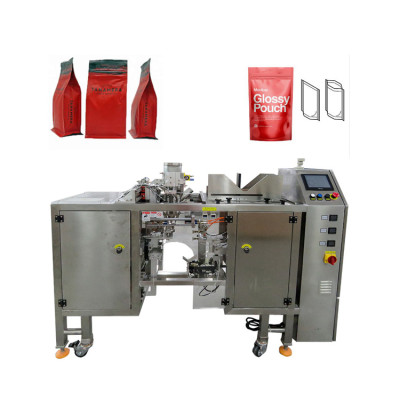
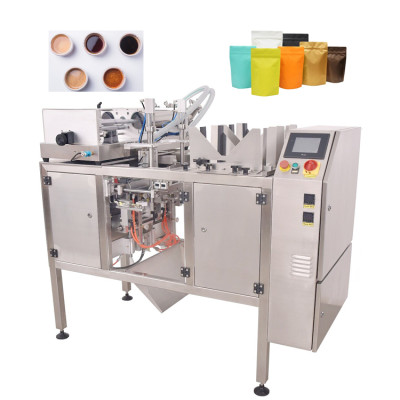
I'm excited to share insights into how retort pouch packing machines have completely transformed food preservation. These innovative machines have paved the way for a new era of food storage, offering convenience, safety, and extended shelf life unlike ever before. I'll delve into the fascinating journey of retort pouches, from their origins to their impact on modern food preservation and how the retort pouch packing machine has fueled this revolution.
For businesses in the food industry, staying ahead means embracing solutions that not only meet consumer demands but also drive operational efficiency. Retort pouch packing machines play a pivotal role in this, enabling manufacturers to deliver high-quality, shelf-stable products to a global market. I'm especially interested in how these machines contribute to reducing food waste and making nutritious food accessible in regions with limited refrigeration, making them a true game-changer.
The Genesis of the Retort Pouch and the Machines That Made it Possible
The story of the retort pouch is a classic example of a technology born from a specific, high-stakes need that eventually found its way into every home. Its development wasn't just about creating a new type of container; it was about reimagining food preservation for a world on the move. This required not only a breakthrough in material science but also the invention of sophisticated machinery capable of handling this new format. The journey from a military-grade solution to a pantry staple is a testament to the ingenuity behind both the pouch and the machines that fill and seal it.
From Military Rations to Everyday Meals: How Retort Pouch Packing Machines Evolved
The concept of the retort pouch was developed in the 1950s and 1960s. Its development was a collaborative effort involving the United States Army Natick R&D Command, Reynolds Metals Company, and Continental Can Company. The goal was to create a lightweight, durable, and easy-to-pack alternative to the bulky metal cans used for military rations. The result was a flexible, multi-layered pouch that could withstand the intense heat and pressure of the retort process—a form of thermal sterilization. These early pouches were a key component of the Meal, Ready-to-Eat (MRE), which became a staple for soldiers, offering better-tasting and easier-to-carry food.
The transition from military to commercial use, however, required a significant leap in manufacturing technology. Handling flexible pouches at industrial scales was far more complex than filling rigid cans. This challenge spurred the evolution of the retort pouch packing machine. Early models were adapted to handle the unique properties of flexible film, but the real revolution came with the development of specialized automated systems. These machines had to precisely form, fill, and seal the pouches under strict sterile conditions to prevent contamination. The evolution of the retort bag packaging machine was critical in making retort pouches a commercially viable option for everyday consumer goods, from soups and sauces to pet food and ready-made meals.
Early Challenges and the Role of Retort Pouch Packing Machines in Overcoming Them
The initial adoption of retort pouches was not without its difficulties. Manufacturers and consumers alike had concerns that needed to be addressed before the technology could gain widespread trust.
Key Early Challenges Included:
- Seal Integrity: The most critical challenge was ensuring a perfect seal. Any microscopic flaw could lead to bacterial contamination, spoiling the product and posing a serious health risk. Early sealing methods were often inconsistent.
- Delamination: The multi-layered structure of the pouch, essential for creating a strong barrier against oxygen and moisture, was prone to separating (delaminating) under the stress of the retort process.
- Material Handling: Flexible pouches were difficult to handle on high-speed production lines designed for rigid containers, leading to issues with filling accuracy, wrinkles in the seal area, and overall production inefficiency.
- Consumer Perception: Consumers were accustomed to the perceived safety and durability of metal cans and glass jars. A "bag" of food was a novel concept that took time to be accepted as a safe and reliable form of packaging.
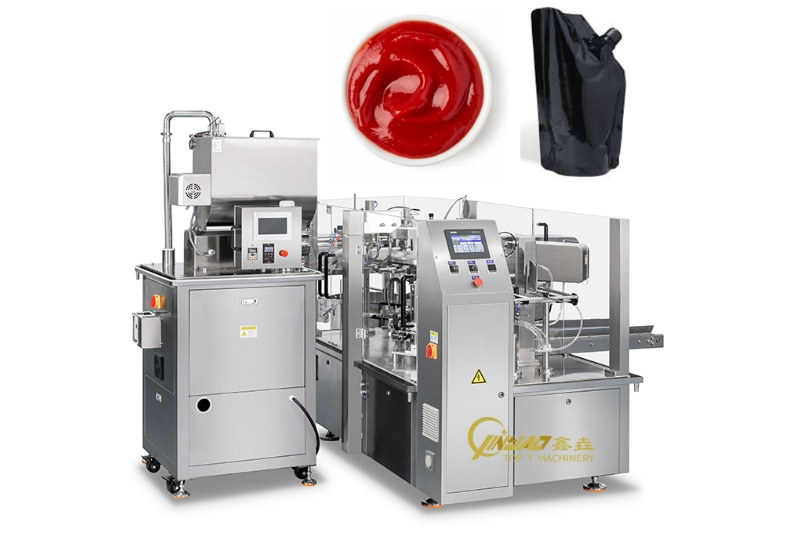
The modern retort pouch packing machine was engineered specifically to solve these problems. Advanced heat-sealing technologies now use precise controls for temperature, pressure, and time to create exceptionally strong and reliable seals. Integrated quality control systems, such as vision cameras and pressure-decay leak detectors, inspect every pouch to ensure seal integrity. Furthermore, sophisticated pouch handling mechanisms and advanced robotics ensure that pouches are filled cleanly and positioned perfectly for sealing, eliminating wrinkles and ensuring a consistent, high-quality final product. These technological advancements were instrumental in transforming the retort pouch from a niche novelty into a global packaging standard.
Unpacking the Benefits: How Retort Pouch Packing Machines Elevate Food Preservation
The widespread adoption of retort pouches, powered by advanced packing machinery, has delivered a host of benefits that impact everyone from the manufacturer to the end consumer. This technology has redefined what we expect from packaged food in terms of quality, convenience, and efficiency. By moving away from traditional rigid containers, the food industry has unlocked new levels of performance that were previously unattainable.
Extended Shelf Life and Enhanced Food Quality Thanks to Retort Pouch Packing Machines
The primary function of a retort pouch is to provide a commercially sterile product with a long shelf life without refrigeration. The process, known as retorting, involves heating the filled and sealed pouch to temperatures typically between 115-135°C (240-275°F) for a specific time to kill all microorganisms and their spores.
However, the key advantage over traditional canning lies in the physical shape of the pouch. Because a pouch is thin and flat, heat penetrates to the center of the product much faster than it does in a cylindrical can. This shorter heating time has a profound impact on food quality:
- Better Nutrient Retention: Vitamins and other heat-sensitive nutrients are better preserved.
- Improved Taste and Texture: Shorter cooking times prevent overcooking, resulting in food that has a more natural flavor, color, and firmer texture.
- Reduced Need for Preservatives: The thorough sterilization process eliminates the need for many of the artificial preservatives often required in other packaging formats.
The retort pouch packing machine is central to achieving these benefits. It ensures the pouch is filled with the correct volume, leaving a precise amount of headspace, and creates a hermetic seal that is essential for maintaining the sterile environment inside the pouch post-retorting. Without this level of mechanical precision, the quality and safety benefits of the pouch itself would be compromised.
| Feature | Retort Pouch | Traditional Can |
|---|---|---|
| Heat Penetration | Fast and even | Slow and uneven |
| Processing Time | Shorter | Longer |
| Food Quality | Higher (better taste, texture, color) | Lower (often overcooked) |
| Nutrient Retention | Superior | Moderate |
| Weight | Lightweight | Heavy |
| Storage Space | Less space required | More space required |
| Opening | Easy (tear notch) | Requires can opener |
Cost Efficiency and Logistics: The Economic Advantages of Retort Pouch Packing Machines
For food manufacturers, the economic case for adopting retort pouch technology is compelling. The advantages begin on the factory floor with the retort pouch packing machine and extend all the way through the supply chain.
- Reduced Transportation Costs: Retort pouches are significantly lighter and more compact than metal cans or glass jars. An empty retort pouch can weigh up to 90% less than an empty can of the same volume. This dramatic weight reduction leads to substantial savings on fuel and shipping costs. Furthermore, their flat, rectangular shape allows for more efficient packing, meaning more units can fit into a shipping container or onto a store shelf.
- Energy Savings: The faster heat penetration during the retort process not only improves food quality but also consumes less energy compared to the longer processing times required for cans. This results in lower utility costs and a reduced carbon footprint for the manufacturer.
- Warehouse Efficiency: Unfilled pouches take up a fraction of the warehouse space compared to empty cans or jars. A single truckload of empty pouches can be equivalent to dozens of truckloads of empty cans, freeing up valuable storage space and simplifying inventory management. A versatile retort bag packaging machine can further enhance this by accommodating various pouch sizes, streamlining production lines.
Consumer Convenience Driven by Innovative Retort Pouch Packing Machine Designs
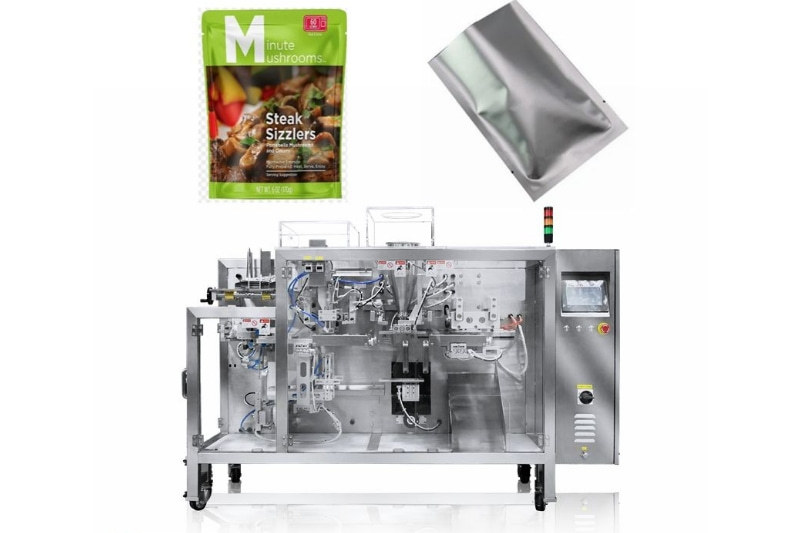
In today's fast-paced world, convenience is king. Retort pouches excel in this regard, offering a user experience that rigid packaging simply cannot match. This convenience is a direct result of innovative pouch designs that are made possible by the versatility of modern packing and filling machinery.
- Ease of Use: Gone are the days of struggling with can openers. Most retort pouches feature a simple tear notch for easy, tool-free opening.
- Microwavable Options: Many modern retort pouches are designed to be placed directly in the microwave, allowing consumers to heat and eat in minutes. This is enabled by specialized films and pouch designs that include features like cool-touch grips and controlled steam-venting technology.
- Portability: Their light weight and durable, shatter-proof nature make retort pouches ideal for on-the-go consumption, whether for a work lunch, a camping trip, or a child's snack.
- Dispensing Features: Innovations such as spouts and re-sealable zippers have expanded the use of retort pouches to products like baby food, yogurts, and sauces, adding another layer of convenience.
The advanced capabilities of the retort pouch packing machine are what allow for the integration of these features at scale, turning a simple food container into a highly functional and consumer-friendly product.
The Sustainable Future of Food with Retort Pouch Packing Machines
As global awareness of environmental issues grows, the packaging industry is under increasing pressure to deliver more sustainable solutions. While no packaging is without its impact, retort pouches offer significant environmental advantages over traditional formats, and continuous innovation in materials and machinery is paving the way for an even greener future. The role of the retort pouch packing machine in this transition is crucial, as it must adapt to new materials and processes that prioritize sustainability.
Environmental Impact: How Retort Pouch Packing Machines Contribute to a Greener Planet
When evaluating the environmental footprint of packaging, it's essential to look at the entire life cycle, from material sourcing and manufacturing to transportation and end-of-life disposal. In several key areas, retort pouches outperform their rigid counterparts.
- Source Reduction: Retort pouches use significantly less material by weight than cans or glass jars to package the same amount of product. This principle of "source reduction" is a cornerstone of sustainability, as it conserves resources and reduces the total volume of waste generated.
- Lower Carbon Footprint in Transport: As mentioned, the lighter weight and compact form of retort pouches dramatically reduce fuel consumption and greenhouse gas emissions during transportation. Fewer trucks are needed to transport both empty and filled pouches, contributing to cleaner air and less road congestion.
- Energy-Efficient Sterilization: The retort process for pouches is faster and requires less energy than for cans, resulting in lower energy consumption at the manufacturing stage. This efficiency is enhanced by modern automated systems like the retort pouch rotary packaging machine, which optimizes the flow and processing of products.
- Landfill Space: Even when not recycled, a flexible pouch takes up far less space in a landfill than a rigid can or jar.
While the recycling of multi-layer flexible packaging remains a challenge, the industry is actively working on solutions. However, the benefits in terms of material and energy reduction throughout the product's life cycle often result in a lower overall environmental impact compared to many traditional packaging options.
Innovations in Materials and Manufacturing with Retort Pouch Packing Machines
The future of sustainable packaging lies in innovation, and the retort pouch sector is at the forefront of this movement. Researchers and manufacturers are developing new materials and processes that aim to close the loop on recycling while maintaining the high-performance characteristics required for food preservation.
Key areas of innovation include:
- Recyclable Mono-Material Pouches: The biggest hurdle to recycling retort pouches is their multi-layer, multi-material composition. The an industry-wide push to develop high-barrier, mono-material pouches (e.g., all-polypropylene or all-polyethylene) that can be easily recycled in existing streams. These new materials require retort pouch packing machines to be recalibrated or redesigned, as their sealing parameters and handling properties can differ significantly from traditional composites.
- Use of Recycled Content: Manufacturers are exploring ways to incorporate post-consumer recycled (PCR) content into the non-food-contact layers of retort pouches, further reducing the reliance on virgin plastics.
- Bio-based and Compostable Materials: While still in the early stages for high-barrier retort applications, research into bio-based plastics and compostable films offers a long-term vision for packaging that can be returned to the earth.
These material advancements go hand-in-hand with machinery innovation. The success of a new, greener film depends entirely on the ability of the retort pouch packing machine to handle it effectively—sealing it securely, filling it accurately, and running it at commercially viable speeds.
The Expanding Horizon: Future Trends in Retort Pouch Packing Machine Technology
The technology behind retort pouch packaging is anything but static. As market demands evolve and new possibilities emerge, the machinery itself is becoming smarter, faster, and more versatile. The innovation that started with military rations is now expanding into entirely new industries and embracing the principles of Industry 4.0, promising a future of unprecedented efficiency and capability.
Beyond Food: New Applications for Retort Pouch Packing Machines
The same properties that make retort pouches ideal for human food—sterilization, shelf stability, and durability—are highly valuable in other sectors. Consequently, the application of retort pouch packing machine technology is expanding well beyond the grocery aisle.
- Pet Food: The premium pet food market has embraced retort pouches for "wet" foods, offering the same quality and convenience benefits that appeal to human consumers. The ability to preserve texture and flavor without artificial preservatives is a major selling point for discerning pet owners.
- Pharmaceuticals and Medical Supplies: The sterile nature of retorted products is critical for medical applications. Intravenous solutions, dialysis fluids, and sterile medical instruments can be packaged in retort-style pouches, ensuring they are safe and ready for use in a clinical setting.
- Cosmetics and Personal Care: Products like face masks, lotions, and gels that require protection from contamination and a long shelf life are increasingly being packaged in flexible pouches.
- Nutraceuticals and Specialty Drinks: High-protein gels, nutritional supplements, and ready-to-drink beverages are a natural fit for retort pouches, leveraging their portability and ease of use.
This diversification is driving machine manufacturers to develop more specialized equipment capable of handling different product viscosities, fill volumes, and pouch configurations tailored to these new markets.
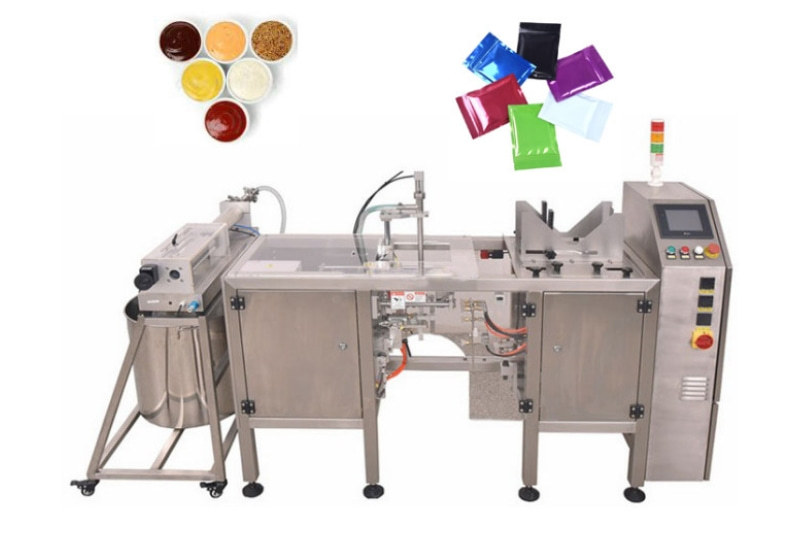
Automation and Smart Technologies in Retort Pouch Packing Machines
The next frontier for the retort pouch packing machine lies in the integration of automation and smart technology. The modern packaging line is evolving into a connected, data-driven ecosystem designed for maximum efficiency and minimal downtime.
Key technological trends include:
- Robotics and Automation: High-speed robotic arms are now used for pouch loading, case packing, and palletizing, reducing the need for manual labor and increasing throughput. Fully automated systems like the retort pouch rotary packaging machine can manage the entire process from pouch forming to sealing with minimal human intervention.
- Internet of Things (IoT) Integration: Sensors embedded within the machinery monitor key parameters like sealing temperature, pressure, and machine speed in real-time. This data can be analyzed to predict maintenance needs before a breakdown occurs (predictive maintenance), optimize performance, and provide a detailed digital record for quality assurance.
- Artificial Intelligence (AI) and Machine Learning: AI algorithms can analyze data from vision inspection systems to identify subtle defects in seals or labels that might be missed by the human eye. Machine learning can also be used to automatically adjust machine settings to account for variations in film materials or environmental conditions, ensuring consistent quality.
- Digital Twinning: Manufacturers can create a virtual model, or "digital twin," of the packaging line. This allows them to simulate changes, test new pouch designs, and train operators in a virtual environment without disrupting actual production.
These advancements are transforming the retort pouch packing machine from a standalone piece of equipment into an intelligent hub of a fully integrated production system, driving productivity and quality to new heights.
Addressing Challenges and Driving Growth in the Retort Pouch Packing Machine Market
Despite its numerous advantages, the retort pouch packaging ecosystem is not without its challenges. Overcoming these hurdles is key to unlocking further growth and solidifying its position as a leading food preservation technology. The market's future will be shaped by how effectively manufacturers of both pouches and machinery can innovate to address these issues while capitalizing on burgeoning opportunities.
Overcoming Hurdles in the Retort Pouch Packing Machine Industry
While the benefits are clear, several challenges must be managed by businesses looking to adopt or expand their use of retort pouch technology.
- High Initial Capital Investment: A state-of-the-art retort pouch packing machine, particularly a fully automated rotary system, represents a significant upfront investment. This can be a barrier to entry for smaller companies, even if the long-term operational savings are substantial.
- Recycling Complexity: As previously discussed, the multi-material nature of traditional retort pouches makes them difficult to recycle in most municipal streams. While the industry is making strides toward mono-material solutions, building the necessary collection and recycling infrastructure on a global scale is a massive undertaking that requires collaboration between governments, manufacturers, and consumers.
- Technical Expertise: Operating and maintaining sophisticated packaging machinery requires skilled technicians. Ensuring proper machine calibration, performing routine maintenance, and troubleshooting issues on a complex system like a retort bag packaging machine is critical for maintaining efficiency and product safety.
- Quality Control at High Speeds: As production speeds increase, maintaining 100% quality control becomes more challenging. A single missed defect in a seal can compromise an entire batch of product. This necessitates investment in advanced, high-speed inspection systems (e.g., in-line X-ray, vision, and leak detection) to keep pace with production.
Addressing these hurdles requires a concerted effort. Machine manufacturers can help by offering more modular and scalable solutions to reduce the initial investment, while also providing comprehensive training and support. Industry-wide collaboration is essential to solve the recycling puzzle.
Market Growth and the Role of Retort Pouch Packing Machine Manufacturers
The global market for retort packaging is poised for significant growth. Projections indicate a compound annual growth rate (CAGR) of around 5-7% over the next several years, driven by several key factors:
- Growing Demand for Convenience Foods: The global trend toward ready-to-eat meals and on-the-go snacks continues to fuel demand for retort pouches.
- Expansion in Emerging Markets: As developing economies grow, there is an increased demand for shelf-stable, safely packaged foods that do not require a cold chain (refrigeration).
- Shift Toward Sustainable Packaging: Increasing consumer and regulatory pressure to reduce packaging waste is pushing more brands away from heavy, rigid containers and toward lightweight, flexible options.
- E-commerce Growth: The durability and light weight of retort pouches make them an ideal format for shipping through e-commerce channels, reducing the risk of damage and lowering shipping costs.
The manufacturers of the retort pouch packing machine are theengine of this growth. Their role extends beyond simply selling equipment. They are innovation partners for food producers, constantly developing new technologies to:
- Increase Speed and Efficiency: To meet rising demand, machines must get faster without sacrificing quality.
- Enhance Versatility: The ability to quickly change between different pouch sizes and formats on a single machine is a key competitive advantage. The best example is a retort pouch rotary packaging machine, which is designed for flexibility.
- Support sustainable materials: As new recyclable films are developed, machine manufacturers must ensure their equipment can handle them perfectly.
- Integrate Smart Technology: Providing the IoT, AI, and automation features that customers need to build the "factory of the future" is essential.
By pushing the boundaries of what is possible, these manufacturers not only respond to market trends but actively shape the future of food preservation.
It's clear that retort pouch packing machines have fundamentally changed the landscape of food preservation, offering immense benefits to both producers and consumers. From extending shelf life and improving food quality to promoting sustainability and enhancing convenience, these machines are at the forefront of packaging innovation. I believe their continued evolution will only bring more exciting possibilities for the future of food.
As we continue to seek efficient and sustainable ways to feed a growing global population, the importance of advanced packaging solutions like those offered by retort pouch packing machines cannot be overstated. I encourage everyone to recognize the profound impact this technology has on our food system and its potential for even greater advancements. For anyone looking to invest in leading-edge retort pouch packing machine technology, I highly recommend exploring the offerings from TOP Y Machinery, a leader in the field.