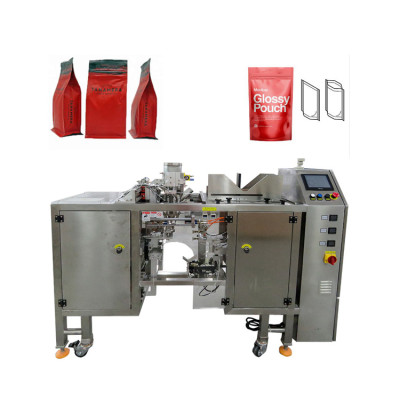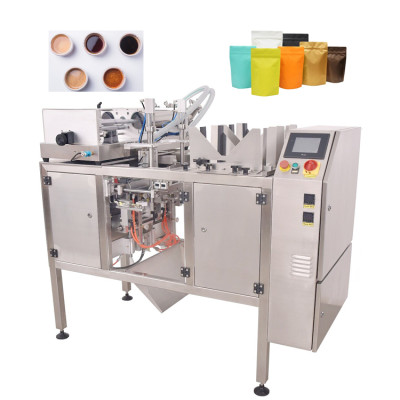
How Automated Potato Chip Packaging Machinery Works: A Deep Dive into VFFS.
As someone fascinated by the intricate journey our favorite snacks, like potato chips, take to reach our hands, I'm thrilled to delve into the marvels of automated potato chip packaging machinery. This exploration will take us deep into the world of Vertical Form Fill Seal (VFFS) technology, a cornerstone innovation that ensures the efficiency, freshness, and quality we've come to expect from every crisp-filled bag. We will uncover how these sophisticated systems work in seamless harmony to protect the delicate product while delivering it perfectly to consumers worldwide.
The process of bagging potato chips is a highly automated and precisely engineered operation. From weighing and gentle handling to creating the perfect bag and sealing it against the elements, every step is a testament to modern engineering. This article will guide you through the core components and intelligent systems that make it all possible, shedding light on the technology that has revolutionized the snack food industry.
Key Takeaways
- VFFS is the Core Technology: Vertical Form Fill Seal (VFFS) machines are the heart of potato chip packaging, performing the actions of forming the bag, filling it with chips, and sealing it in one continuous vertical motion.
- Speed and Efficiency are Paramount: Modern VFFS machines are engineered for high-speed operation, with some capable of packaging hundreds of bags per minute, drastically increasing production throughput.
- Product Protection is Crucial: The entire process, from weighing to bagging, is designed for gentle handling to prevent chip breakage. This includes using specialized multi-head weighers and nitrogen flushing.
- Sealing and Packaging Material Matter: The integrity of the packaging relies on creating strong, airtight seals using multi-layer films that protect against oxygen, moisture, and physical damage.
- Automation and Integration Drive Modern Lines: Smart, connected systems featuring PLCs, HMIs, and integrated feeders allow for seamless operation, remote diagnostics, and optimized efficiency across the entire packaging line.
The Core of Automated Potato Chip Packaging Machinery: VFFS Innovation
At the heart of the automated potato chip packaging line is the Vertical Form Fill Seal (VFFS) machine. This technology is a marvel of efficiency, automating the entire process by forming bags from a flat roll of film, filling them with product, and sealing them in one seamless, continuous vertical motion. A VFFS machine is loaded with a roll of packaging film, often pre-printed with branding and information. This film is then shaped into a tube, filled with the precisely weighed chips, and sealed, all at incredible speeds. This innovation is fundamental to the snack food industry, enabling high-volume production while ensuring each bag is perfectly prepared for the consumer. VFFS technology has transformed packaging from a labor-intensive chore into a streamlined, high-speed operation.
Evolution to High-Speed Efficiency
The journey of VFFS technology is a story of relentless innovation. The first VFFS machine was patented in 1936 by Walter Zwoyer, and since then, technology has rapidly improved. Early packaging was a slow, manual process, prone to inconsistencies. The advent of VFFS machinery introduced automation that revolutionized production lines. Over the years, these machines have evolved from simple-to-operate mechanisms to highly sophisticated, computer-controlled systems.
Modern VFFS machines are built for speed and precision. Key advancements include:
- Servo-Motor Driven Systems: Unlike older pneumatic systems that use compressed air, modern servo-driven machines use electric motors for precise control over the film transport, sealing, and cutting. This allows for greater speed, accuracy, and flexibility, with some systems capable of packaging well over 100 bags per minute. High-end continuous motion machines can even reach speeds of up to 300 bags per minute.
- Continuous Motion Technology: High-speed machines often use a "continuous motion" process where the sealing jaws move down with the bag as they seal. This is faster than intermittent systems where the film must stop for each seal, virtually eliminating lost cycle time and maximizing throughput.
- Advanced Control Systems: Integrated Programmable Logic Controllers (PLCs) and Human-Machine Interfaces (HMIs) allow operators to monitor and adjust every aspect of the packaging process in real-time, from sealing temperatures to bag length, ensuring consistent quality at high speeds.
These advancements have made it possible for manufacturers to meet massive consumer demand efficiently, reducing labor costs and minimizing errors that were common in manual packing.
Flexible Packaging and Quality Seals
The bag itself is the first line of defense in preserving the freshness and integrity of potato chips. The choice of packaging film and the quality of the seals are therefore critically important.
Packaging Materials: Most potato chip bags are made from multi-layer films, which are engineered to provide specific protective properties. These laminates often combine several types of materials:
- Polypropylene (PP): Biaxially-oriented polypropylene (BOPP) is frequently used as the outer layer because it offers excellent clarity, a glossy finish for high-quality printing, and a crisp texture.
- Metallized Layer: A thin layer of aluminum or metallized PET/PP is often included to provide a superior barrier against light, oxygen, and moisture, which are the primary enemies of a chip's crispness and flavor.
- Polyethylene (PE): As the innermost layer, PE is chosen for its excellent heat-sealing properties. It melts at a lower temperature, creating a strong, hermetic seal that locks in freshness and prevents contamination.
The Sealing Process: A VFFS machine creates three seals to complete the bag:
- Vertical Seal: As the flat film is formed into a tube around a forming collar, a vertical sealing bar clamps the overlapping edges to create the "fin seal" that runs down the back of the bag.
- Bottom Seal: A horizontal sealing jaw then clamps across the bottom of the tube to create the bottom seal of one bag.
- Top Seal and Cut: After the product is dropped into the bag, the same horizontal jaw closes again to create the top seal of the filled bag while simultaneously forming the bottom seal of the next bag above it. A knife then cuts the completed bag free.
Modified Atmosphere Packaging (MAP): That "air" inside a bag of chips isn't just air—it's typically nitrogen gas. This process is known as Modified Atmosphere Packaging (MAP) or gas flushing. Just before the final seal, the VFFS machine flushes the bag with nitrogen, pushing out the oxygen. This serves two critical purposes:
- Preservation: Oxygen is a major cause of spoilage, leading to staleness and off-flavors. By replacing it with inert nitrogen, the oxidation process is significantly slowed, extending the product's shelf life without the need for chemical preservatives.
- Cushioning: The pillow of nitrogen acts as a cushion, protecting the fragile chips from being crushed during shipping and handling.
The reliability of the packaging machine is fundamental to ensuring the MAP process is effective, as it must create a perfect seal to prevent the gas from leaking out.
Smart Feeding and Integrated Potato Chip Packaging Solutions
An automated potato chip packaging line is far more than just a single machine; it's a sophisticated, integrated system where every component must work in perfect harmony. Beyond the VFFS machine, smart feeding and ancillary systems are critical for ensuring that the final product is weighed accurately, handled gently, and packaged with maximum efficiency. This integration is what elevates a standard production line into a high-performance, intelligent packaging solution capable of meeting the rigorous demands of the modern snack food industry.
Gentle Handling of Chips
Potato chips are notoriously fragile. Any rough handling during the journey from the fryer to the final sealed bag can lead to breakage, which not only affects the product's appearance but also leads to waste and lost profits. Manufacturers invest heavily in technologies designed for gentle handling to preserve the quality and integrity of each chip.
The Multihead Weigher: Precision Without Breakage The most critical component for this task is the multihead weigher. This remarkable machine is designed to achieve two seemingly contradictory goals: high speed and extreme accuracy, all while handling the product delicately. Here's how it works:
- Distribution: Chips are transported via a conveyor to the top of the weigher, where a vibrating cone disperses them evenly into a series of pool hoppers.
- Feeding: These pool hoppers then feed the chips into individual weigh hoppers positioned below. Each weigh hopper is equipped with a highly sensitive load cell that measures the weight of the chips inside.
- Combination Calculation: The weigher's computer instantly calculates thousands of possible combinations of the weights in the different hoppers to find the one that comes closest to the target bag weight.
- Discharge: Once the perfect combination is found, the corresponding weigh hoppers open simultaneously, cleanly dropping the precise portion of chips down a central chute and into the open bag waiting in the VFFS machine below.
To minimize breakage, multihead weighers designed for fragile products incorporate features like shallow descent angles, reduced drop heights, and specialized materials on all contact surfaces to cushion the chips as they travel through the system.
Gentle Conveying Systems: Even before reaching the weigher, the chips must be transported gently. Modern packaging lines often use specialized conveyors, such as horizontal motion conveyors or tubular drag conveyors. These systems slide the product smoothly along a surface rather than bouncing it, which is common with traditional vibratory conveyors, thereby drastically reducing the risk of impact and damage.

Seamless Automation and Connectivity
The true power of a modern packaging line lies in its seamless automation and connectivity, often referred to as Industry 4.0 integration. This means that all the individual components—the infeed conveyors, the multihead weigher, the VFFS machine, and even downstream equipment like case packers—are digitally connected and communicate with one another in real time.
The Brains of the Operation: PLC and HMI At the center of this integration is the Programmable Logic Controller (PLC), which acts as the brain of the entire line. The PLC is a rugged industrial computer that controls and synchronizes all the mechanical movements and processes. It receives data from sensors throughout the line and sends commands to motors and actuators, ensuring every step happens in perfect sequence.
Operators interact with the PLC through a Human-Machine Interface (HMI), which is typically a user-friendly touchscreen display. The HMI provides a real-time overview of the entire production process, allowing operators to:
- Monitor production rates, weights, and efficiency.
- Adjust settings for different products or bag sizes with pre-programmed recipes.
- Diagnose errors or receive maintenance alerts instantly, which helps reduce downtime.
Benefits of a Connected System: This level of automation and connectivity offers tremendous advantages:
- Enhanced Efficiency: By ensuring all machines work in harmony, the line can run at its maximum optimized speed with minimal bottlenecks.
- Reduced Downtime: Smart systems can predict maintenance needs before a failure occurs (predictive maintenance) and provide quick diagnostics, allowing for rapid problem-solving.
- Improved Quality Control: The system continuously monitors fill weights and seal integrity, automatically rejecting any packages that fall outside of the strict quality parameters.
- Flexibility: Switching between different products or package sizes becomes much faster, as recipes and settings can be changed with the touch of a button.
By integrating these smart technologies, potato chip manufacturers can achieve a level of efficiency, consistency, and reliability that was unimaginable with older, disconnected machinery.
Frequently Asked Questions (FAQ)
1. What does VFFS stand for? VFFS stands for Vertical Form Fill Seal. It describes a packaging machine that forms a bag from a roll of film, fills it with a product, and seals it in a continuous vertical process. This technology is a cornerstone of the snack food industry due to its speed and efficiency.
2. How fast can a VFFS machine package potato chips? The speed of a VFFS machine varies depending on the model and the specific application. A standard intermittent motion machine, which is often used for fragile products like chips, can typically run at speeds of 80–120 bags per minute. High-speed continuous motion machines can achieve speeds of 300 bags per minute or more.
3. What is nitrogen flushing and why is it used for potato chips? Nitrogen flushing, a form of Modified Atmosphere Packaging (MAP), is the process of replacing the oxygen inside a chip bag with nitrogen gas just before it is sealed. This has two main benefits: it prevents the chips from becoming stale by slowing down oxidation, and the nitrogen provides a cushion that protects the fragile chips from being crushed during shipping.
4. How do packaging machines prevent potato chips from breaking? Preventing breakage is a key focus. It's achieved through a combination of gentle handling systems. Multihead weighers are designed with shallow angles and soft surfaces to weigh chips without damaging them. Special horizontal motion or tubular conveyors are used to move chips smoothly instead of bouncing them. Finally, the nitrogen cushion inside the sealed bag provides crucial protection against impacts.
5. Can one VFFS machine handle different bag sizes and styles? Yes, modern VFFS machines are designed for flexibility. By changing the "forming tube and collar," the machine can be adjusted to produce bags of different widths. The bag length is typically controlled electronically via the HMI. This allows manufacturers to easily switch between different package sizes without needing a completely different machine. Many machines can also be configured to produce various bag styles, such as pillow bags or gusseted bags.
Through this deep dive, I hope you've gained a new appreciation for the sophisticated engineering that powers automated potato chip packaging machinery. We’ve seen how VFFS technology, with its incredible speed, versatility, and intelligent features, has revolutionized snack packing. These advancements ensure every bag is perfectly sealed for freshness, accurately weighed for consistency, and cushioned for protection, all while contributing to remarkable production efficiency.
It is truly amazing how innovators, such as the engineers at TOP Y Machinery, continue to push the boundaries of what's possible in packaging. Their dedication to creating faster, smarter, and more reliable systems is what guarantees we can enjoy our favorite chips just as they were meant to be—crisp, fresh, and whole. The next time you open a bag of potato chips, take a moment to admire the complex and elegant process that brought it to you.