Choosing the Right Food Packaging Machine Manufacturers: A Global Guide
Choosing the right food packaging machine manufacturer is a critical decision that directly impacts your operational efficiency, product freshness, and long-term reliability. The food packaging industry is in a state of constant evolution, spurred by consumer demands for greater sustainability, efficiency, and customization. A deep understanding of the key players and their unique offerings is no longer optional—it's essential for streamlining operations, guaranteeing product safety, and enhancing the shelf appeal that captures customer attention.
The journey of food packaging itself tells a story of innovation, from early methods of preservation like salting and drying to the advent of canning during the Industrial Revolution, which laid the groundwork for a global food market. This evolution continued through the 20th century with the rise of plastics and a focus on branding, leading to the sophisticated, high-tech industry we see today. In this global guide, we will explore the essential considerations you need to weigh and introduce you to a range of prominent food packaging machine manufacturers, including specialized experts like TOP Y Machinery. Our goal is to equip you with the knowledge to find the perfect partner for your unique packaging needs and build a foundation for lasting success.
Key Takeaways
- Product Integrity is Paramount: The right packaging machine ensures optimal sealing and protection, which is the first line of defense against environmental factors that compromise food safety, freshness, and shelf life. Technologies like vacuum sealing and Modified Atmosphere Packaging (MAP) are crucial for extending the life of perishable goods.
- Efficiency Drives Profitability: Modern food packaging machines are central to improving production efficiency. Automation increases speed, ensures consistency, reduces reliance on manual labor, and minimizes material waste, all of which contribute to lower operational costs and higher output.
- Manufacturer Selection is a Strategic Partnership: Choosing a manufacturer is not just a purchase; it's a long-term partnership. Key factors to consider include the manufacturer's understanding of your specific product, their machine's performance metrics (OEE, speed, accuracy), and the quality of their after-sales support, including technical assistance and spare parts availability.
- Compliance is Non-Negotiable: The food industry is governed by strict regulations. A competent manufacturer will provide machinery that helps you comply with these standards, such as those set by the FDA, by ensuring accurate labeling, portioning, and hygienic operation.
- The Future is Sustainable and Smart: The industry is moving towards eco-friendly materials and circular economy principles. Simultaneously, technological advancements like AI, IoT integration, and smart packaging are revolutionizing efficiency and traceability. Manufacturers at the forefront of these trends offer a competitive edge.
- Diverse Manufacturers for Diverse Needs: The global market includes large-scale leaders like BW Packaging and ProMach, who offer integrated, end-to-end solutions, as well as specialized innovators like Viking Masek for flexible packaging and TOP Y Machinery for Doypack and VFFS machines. The best choice depends entirely on your specific application and business goals.
Why Choosing the Right Food Packaging Machine Manufacturers Matters
Selecting the ideal manufacturing partner for your food packaging machinery is a foundational business decision with far-reaching implications. It goes beyond simply acquiring equipment; it's about forging a partnership that will anchor your production quality, operational efficiency, and brand reputation for years to come. The right machine from a reputable manufacturer acts as the guardian of your product's integrity, a driver of your productivity, and a key enabler of regulatory compliance. In a competitive market, this choice can be the difference between a thriving operation and one that constantly struggles with recalls, downtime, and waste.
Ensuring Product Integrity and Shelf Life
The primary function of any food package is to protect its contents from contamination and degradation. Packaging serves as the crucial barrier between the food and external elements like oxygen, moisture, light, and microorganisms that can compromise quality and safety. An investment in high-quality packaging machinery is an investment in preserving the flavor, texture, and nutritional value of your products, ensuring they reach the consumer exactly as you intended.
The Role of Sealing in Food Packaging
The seal on a food package is one of its most critical features. An effective, hermetic seal is essential for ensuring food safety, extending shelf life, and preserving freshness. High-quality packaging machines from reputable manufacturers are engineered to create strong, consistent seals that prevent contaminants like air, moisture, and microorganisms from entering the package. Techniques such as heat sealing, induction sealing, and ultrasonic sealing are employed depending on the packaging material and the product's specific needs. For example, heat sealing is common for flexible plastic films used in snack foods, while induction sealing creates a tamper-evident barrier on rigid containers like bottles and jars. A proper seal not only prevents spoilage but also builds consumer trust by indicating that the product has not been tampered with.
Maintaining Freshness and Food Safety
Automated food packaging machines are fundamental to maintaining hygiene and food safety. By minimizing direct human contact with the food, these machines dramatically reduce the risk of cross-contamination from bacteria and other pathogens. This is a crucial element in complying with food safety standards like Hazard Analysis and Critical Control Points (HACCP) and Good Manufacturing Practices (GMP). Furthermore, advanced packaging technologies integrated into modern machinery, such as Modified Atmosphere Packaging (MAP) and vacuum sealing, actively work to extend shelf life. These processes remove or reduce oxygen—a key contributor to spoilage and bacterial growth—and can replace it with a controlled mix of gases to keep products like fresh produce, meats, and ready-to-eat meals fresher for longer. This not only reduces food waste but also preserves the taste, texture, and nutritional quality of the food.
Optimizing Efficiency and Productivity with the Right Food Packaging Machine Manufacturers
In any large-scale manufacturing environment, efficiency is directly tied to profitability. Automated food packaging machinery is a cornerstone of a productive operation. These systems are designed for high-speed, continuous operation, which significantly increases throughput compared to manual or semi-automated processes. By automating repetitive tasks like filling, sealing, and labeling, businesses can reduce labor costs and reallocate skilled employees to more value-added roles such as quality control and maintenance. Modern machines also minimize waste by ensuring precise portioning and using the exact amount of packaging material required, which saves money and supports sustainability goals. The right manufacturer provides equipment that not only runs fast but also offers quick changeovers between different product sizes or formats, reducing downtime and maximizing output. This combination of speed, accuracy, and flexibility is what allows food producers to meet high market demand while maintaining consistent quality.
Navigating Industry Standards and Regulations
The food industry is one of the most heavily regulated sectors, with strict rules governing everything from material safety to labeling accuracy. Choosing a food packaging machine manufacturer that understands and designs for these regulations is non-negotiable. In the United States, the Food and Drug Administration (FDA) is the primary governing body, and its regulations dictate which materials are considered "food contact grade" and safe for use. Reputable machine manufacturers build equipment using approved materials, like food-grade stainless steel, and design them for easy cleaning and sanitization to prevent contamination.
Moreover, these machines play a direct role in compliance by ensuring:
- Accurate Labeling: Integration with printing and labeling systems ensures that batch codes, expiration dates, and allergen information are applied correctly.
- Traceability: Automated systems can log data for each package, creating a traceable record that is essential during a product recall.
- Material Compliance: Machines must be compatible with packaging materials that meet regulations, such as the EU Regulation 1935/2004 or FDA 21 CFR for indirect food additives.
A knowledgeable manufacturer acts as a partner in navigating this complex landscape, providing machinery that helps guarantee your products are safe, compliant, and ready for market.
Key Factors to Consider When Selecting Food Packaging Machine Manufacturers
Making the right choice in a food packaging machine manufacturer requires a comprehensive evaluation that extends beyond a machine's price tag. It involves a deep dive into your own production requirements, a thorough assessment of the equipment's capabilities, and a forward-looking analysis of the manufacturer's long-term support. A strategic decision in this area will yield returns in the form of operational uptime, product quality, and a strong, reliable partnership. To guide you, we've broken down the key considerations into three critical areas.
Understanding Your Product and Packaging Needs
Before you can evaluate a manufacturer, you must first have an exhaustive understanding of your own product and its specific packaging demands. This internal analysis is the foundation upon which a successful purchasing decision is built. The unique properties of your food product and the desired final package format will dictate the type of machinery you need.
Product Characteristics and Form
The physical and chemical properties of your food product are the most important determinant when selecting a packaging machine. You must consider:
- Form: Is your product a solid, powder, granule, liquid, or viscous paste? Each form requires a different type of filling mechanism. For example, an auger filler is ideal for powders, while a piston filler is suited for liquids and creams.
- Fragility: Delicate items like cookies or chips require gentle handling to prevent breakage, necessitating machinery designed to minimize drops and impacts.
- Stickiness and Flow: Products that are sticky or do not flow easily, such as gummies or fresh-cut fruit, may need specialized feeders or multihead weighers to ensure accurate portioning.
- Temperature Sensitivity: If your product is packaged hot or frozen, the machine must be constructed with materials that can withstand these temperatures without compromising performance or safety.
Considering these characteristics will help you narrow down the field of potential manufacturers to those who specialize in equipment for your specific type of product.
Optimal Packaging Formats
The final look and feel of your product on the shelf is determined by its packaging format. Your choice will impact not only consumer appeal but also the type of machinery you will need. Common formats include:
- Flexible Packaging: This includes pouches, bags, and sachets. Stand-up pouches are incredibly popular for their shelf presence, while pillow bags are common for snacks. Vertical Form Fill Seal (VFFS) and Horizontal Form Fill Seal (HFFS) machines are used for these formats.
- Rigid Containers: This category includes glass jars, plastic bottles, metal cans, and trays. These require different machines for filling, capping, seaming, or lidding.
- Paper and Cardboard: Often used as secondary packaging (like a cereal box), but also for primary packaging of dry goods.
- Vacuum and Skin Packaging: These formats are excellent for extending the shelf life of perishable items like meat and cheese, requiring specialized vacuum chamber or skin packaging machines.
By defining your ideal packaging format, you can focus on manufacturers that provide high-quality machinery for that specific style.
Machine Performance and Capacity from Food Packaging Machine Manufacturers
Once you understand your product and packaging needs, the next step is to evaluate the technical performance of a manufacturer's machinery. It's crucial to look beyond the advertised numbers and understand how the machine will perform in a real-world production environment. A top-tier machine should offer a balance of speed, precision, and reliability.
Speed, Throughput, and Overall Equipment Effectiveness (OEE)
These three metrics are critical for assessing a machine's productivity:
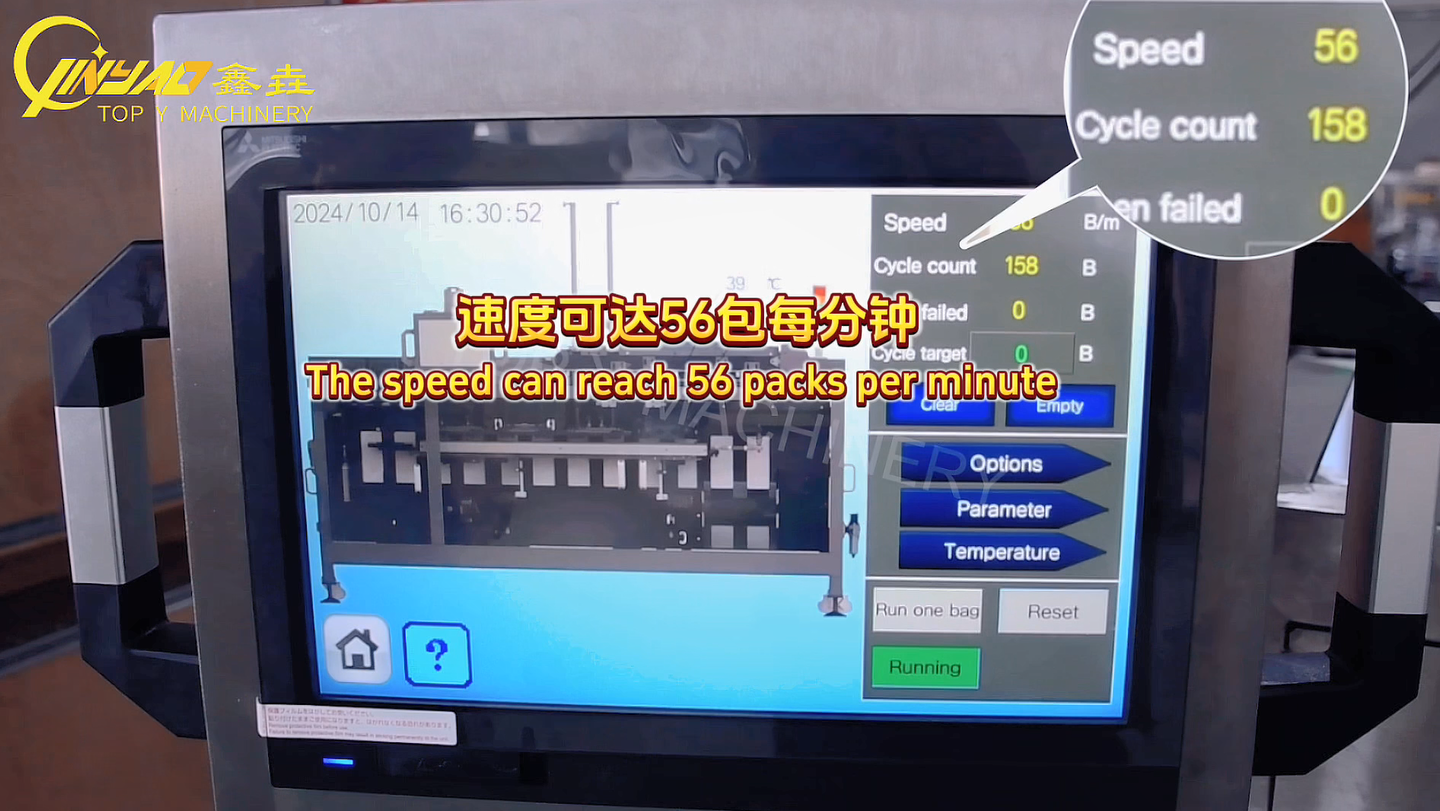
- Speed: Often measured in bags, pouches, or containers per minute (PPM/BPM), speed determines the raw output potential. However, it's vital to ensure that the machine can maintain its advertised speed consistently without sacrificing quality.
- Throughput: This is the actual output of the machine over a period, taking into account real-world factors like changeovers and brief stops. Throughput is a more realistic measure of productivity than theoretical speed alone.
- Overall Equipment Effectiveness (OEE): OEE is the gold standard for measuring manufacturing productivity. It is calculated by multiplying three factors:
- Availability: The percentage of scheduled time the machine is available to operate.
- Performance: The speed at which the machine runs as a percentage of its ideal speed.
- Quality: The percentage of good, defect-free products produced.
A world-class OEE score is around 85%, and you should discuss with potential manufacturers how their equipment helps operators achieve high OEE.
Precision, Accuracy, and Minimizing Waste
Precision in packaging is crucial for profitability and customer satisfaction. A high-quality machine from a reputable manufacturer ensures:
- Filling Accuracy: For products sold by weight, an accurate weighing system (like a multihead weigher) is essential to avoid "giveaway" (overfilling) and to comply with weight regulations. Inaccurate filling can lead to significant financial losses and even legal trouble.
- Sealing Integrity: Consistent, strong seals prevent leaks and spoilage, reducing the amount of waste from rejected packages.
- Material Efficiency: Modern packaging machines are designed to use materials efficiently, minimizing scrap during the form-fill-seal process. Advanced features, like sensors and automated adjustments, can prevent errors that lead to wasted film or bags.
Investing in a machine with high precision and accuracy directly translates to lower material costs, less product waste, and a more sustainable operation.
After-Sales Support and Long-Term Reliability from Food Packaging Machine Manufacturers
A packaging machine is a long-term investment, and the relationship with the manufacturer should not end once the machine is installed. Excellent after-sales support is a hallmark of a trustworthy partner and is critical for ensuring the machine's longevity and maximizing your return on investment. According to some reports, robust after-sales service can reduce equipment downtime by up to 30%.
Technical Assistance and Spare Parts Availability
When a machine goes down, every minute of lost production costs money. A manufacturer's ability to provide swift and effective support is invaluable. Key aspects include:
- Responsive Technical Support: Look for manufacturers that offer 24/7 support through phone, email, or remote troubleshooting to resolve minor issues quickly.
- On-Site Service: For more complex problems, the availability of factory-trained field technicians who can visit your facility is crucial for minimizing downtime.
- Spare Parts Inventory: A good manufacturer maintains a comprehensive inventory of spare parts and can ship them quickly. Inquiring about the availability and lead times for critical "wear parts" (like belts and blades) before purchasing can save you from extended shutdowns later on.
Training and Maintenance Programs
Proper operation and maintenance are key to the long-term health of your packaging machine.
- Operator Training: The manufacturer should provide thorough, on-site training for your operators and maintenance staff. Well-trained personnel are better equipped to operate the machine efficiently, perform routine checks, and troubleshoot minor problems, which reduces human error and improves OEE.
- Preventive Maintenance (PM): A structured preventive maintenance program is essential for preventing major breakdowns. Reputable manufacturers will provide detailed PM checklists and schedules. This proactive approach includes regular inspections, cleaning, lubrication, and replacement of wear parts to keep the machine running smoothly and extend its lifespan.
Choosing a manufacturer that excels in these areas ensures you are not just buying a machine, but a complete support system that will contribute to your success for years to come.
Spotlight on Diverse Food Packaging Machine Manufacturers and Their Specialties
The global landscape of food packaging machine manufacturers is vast and varied, ranging from multinational corporations offering comprehensive, end-to-end solutions to niche specialists focusing on specific technologies or industries. Understanding this diversity is key to identifying a partner whose strengths align perfectly with your unique business needs. Whether you require a fully integrated packaging line or a standalone machine for a specialized task, there is a manufacturer out there for you.
Global Leaders in Food Packaging Technology
Several large-scale manufacturers have established themselves as global leaders through their extensive portfolios, technological innovation, and worldwide presence. These companies are often the go-to choice for large food producers who need fully integrated, turnkey solutions that cover every step of the packaging process, from filling to palletizing. They have the resources to invest heavily in research and development, ensuring their machinery stays at the cutting edge of efficiency, safety, and sustainability.
BW Packaging: An Integrated Approach
BW Packaging represents a global team of packaging professionals under the Barry-Wehmiller umbrella, a company with a history stretching back to 1885. They offer an extensive range of machinery and integrated solutions, including flexible and rigid systems, labeling, and complete end-of-line automation. BW Packaging brings together trusted brands like Hayssen (for VFFS and flow wrappers) and Symach (for palletizers), allowing them to deliver customized, full-circle solutions. Their focus on integration, lifetime support, and improving customer OEE makes them a strong partner for companies looking for comprehensive, single-source packaging lines across industries like food, beverage, and personal care.
ProMach Inc.: Comprehensive End-to-End Solutions
ProMach has established itself as a massive force in the packaging and processing world, operating as a family of over 50 best-in-class brands. This structure allows them to provide everything from standalone machines to fully integrated turnkey lines for a vast array of industries, including food, beverage, and pharmaceuticals. Their portfolio is incredibly diverse, covering filling and capping, flexibles and trays, labeling and coding, robotics, and end-of-line solutions. Brands under the ProMach umbrella include well-known names like Ossid for tray packaging and Matrix for vertical form fill & seal systems. This extensive network enables ProMach to engineer high-performance production lines and offer tailored solutions for niche markets.
Other Renowned Food Packaging Machine Manufacturers (e.g., Ishida, Tetra Pak, Multivac)
Beyond these integrated giants, several other manufacturers are globally recognized for their specific areas of expertise:
- Ishida: A Japanese-based company renowned for its pioneering work in multihead weigher technology. Ishida machines are celebrated for their incredible speed and accuracy, which significantly reduces product giveaway and improves efficiency, especially in the snack food industry. Their solutions often include complete weigher and bagmaker combinations that can be integrated into a full packaging line.
- Tetra Pak: A Swedish multinational, Tetra Pak is a world leader in food processing and, most famously, aseptic packaging solutions. Their carton packages (like the Tetra Brik) and associated filling machines allow liquid foods like milk and juice to be stored for extended periods without refrigeration. They provide complete, integrated systems from processing to packaging and distribution.
- MULTIVAC: A German-based company, MULTIVAC is a leading provider of packaging solutions, particularly known for thermoforming packaging machines, traysealers, and vacuum chamber machines. Their systems are designed for high performance, durability, and hygiene, serving the food, medical, and consumer goods industries. They offer a wide variety of packaging types, including MAP, skin, and shrink packs, and emphasize creating customized, cost-effective solutions.
Innovative Food Packaging Machine Manufacturers for Specific Needs
While global leaders offer breadth, many manufacturers thrive by focusing on depth—developing highly specialized, innovative machinery for specific packaging formats or product types. These companies are often more agile and can provide tailored solutions for small- to medium-sized businesses or those with unique challenges that require a flexible, expert approach.
Viking Masek: High-Speed Flexible Packaging
Viking Masek has carved out a reputation as a global leader in high-speed, automated packaging systems, with a strong focus on flexible packaging formats. They produce a wide range of machinery, including vertical form fill and seal (VFFS) machines for bags, stick pack and sachet machines for single-servings, and automated systems for filling and sealing premade pouches. Known for their robust engineering, precision, and speed, Viking Masek machines are designed to maximize uptime and productivity. They emphasize creating tailored, turnkey solutions rather than offering standard, off-the-shelf machines, ensuring a close partnership with their clients to meet specific automation needs. Their equipment is noted for having quick, tool-free changeovers, which is ideal for contract packagers or businesses running multiple SKUs.
Accutek Packaging Equipment: Precision for Rigid Containers
Accutek Packaging Equipment is a U.S.-based manufacturer that specializes in machinery for bottling and rigid container packaging. Their product line is extensive, covering everything needed for a complete liquid packaging line, including fillers, cappers, labelers, and conveyors. They are particularly known for their diverse range of filling machines, offering technologies like piston fillers, overflow fillers, and positive displacement pump fillers to handle products of varying viscosities—from thin liquids like water to thick creams. Accutek's machines are engineered for accuracy, helping to reduce product overfill and save costs. They serve as a one-stop-shop for companies looking to build or upgrade a complete, custom-tailored bottling line.
TOP Y Machinery: Specializing in Doypack and Vertical Form Fill Seal Machines
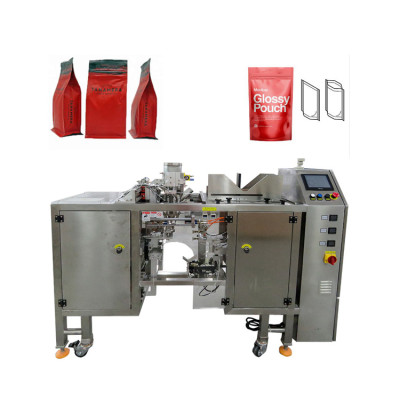
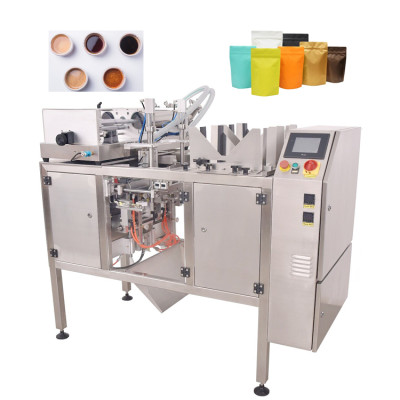
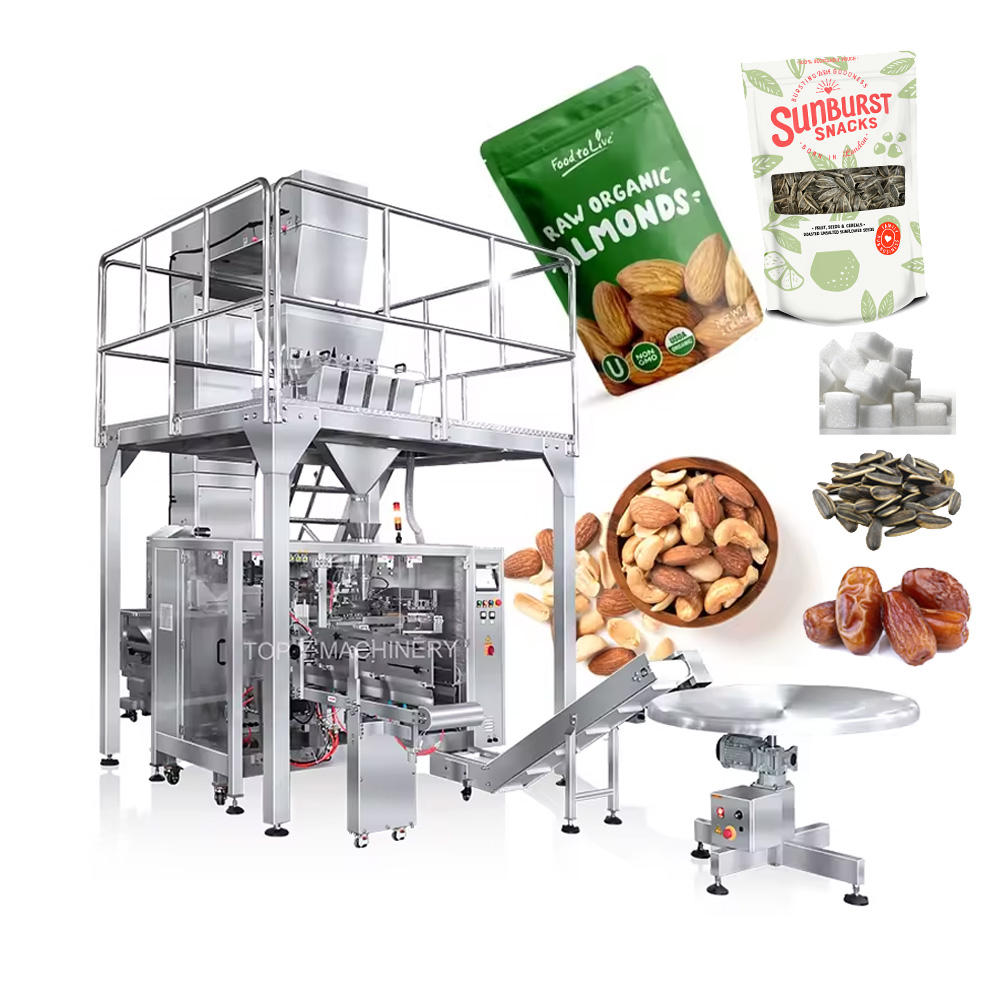
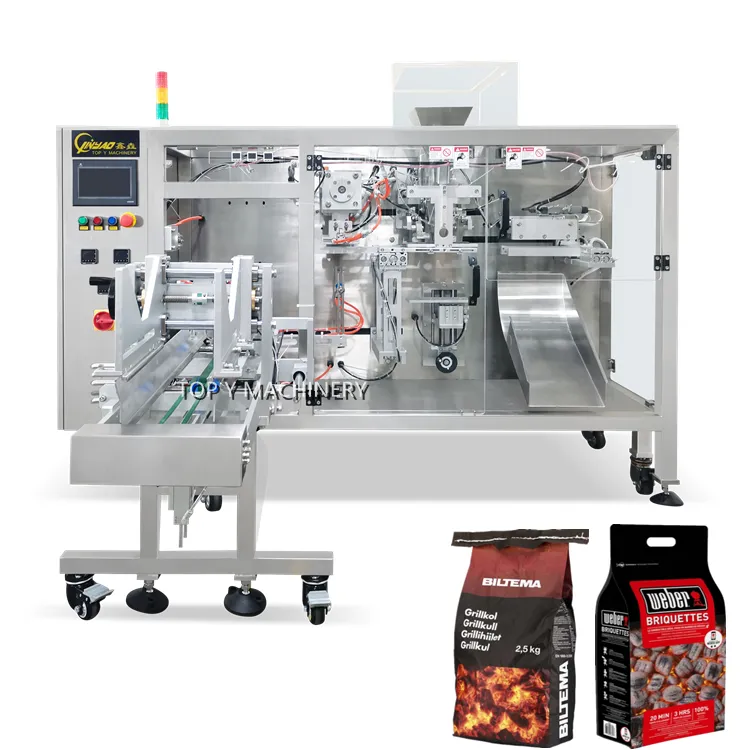
TOP Y Machinery is a specialized manufacturer focusing on flexible packaging solutions, particularly premade pouch packaging machines (including Doypack machines) and Vertical Form Fill Seal (VFFS) systems. Operating as a factory-direct supplier, they offer a range of equipment for granules, powders, and liquids, serving the food, medicine, and chemical industries. TOP Y is noted for its innovation in machine design, such as separating the sealing and filling stations on their horizontal machines to improve speed. They provide both standard and customized machines, positioning themselves as a flexible partner for businesses seeking efficient and accessible VFFS and Doypack solutions.
The Future of Food Packaging: Trends Driving Innovation Among Food Packaging Machine Manufacturers
The food packaging industry is at a pivotal moment, shaped by powerful global trends that are forcing manufacturers to innovate at an unprecedented pace. The primary drivers of this evolution are a collective push towards sustainability, the rapid integration of digital technologies, and the ever-changing demands of the modern consumer, especially in the context of e-commerce. Food packaging machine manufacturers who successfully navigate these trends will not only lead the market but also empower their customers to build more resilient, efficient, and responsible businesses.
Sustainability and Eco-Friendly Packaging Solutions
The environmental impact of packaging has become a paramount concern for consumers, regulators, and brands alike. This has ignited a race among food packaging machine manufacturers to develop equipment that can handle a new generation of sustainable materials and support a circular economy. No longer is it enough for a machine to be fast and efficient; it must also be flexible and forward-thinking.
Innovations in Materials and Circular Systems
The push for sustainability has led to remarkable innovations in packaging materials, and machine manufacturers must adapt accordingly. Key material trends include:
- Mono-materials: Packaging made from a single type of plastic (like all-PE pouches) is easier to recycle than multi-material laminates. Machines must be able to properly seal these new films, which may have different properties than traditional structures.
- Paper-based Solutions: There is a growing demand for paper-based packaging, which is seen as more eco-friendly. Innovations include paper with special barrier coatings to protect food, and machines must be capable of forming and sealing these more rigid materials without causing damage.
- Compostable and Biodegradable Bioplastics: Materials made from renewable resources like cornstarch, sugarcane, or even seaweed are gaining traction. These materials behave differently in packaging machines, requiring precise temperature control and handling to ensure a proper seal without melting or tearing.
Beyond materials, manufacturers are designing machines that support a circular economy. This means creating equipment that not only reduces material waste during production but also enables the use of recycled content and designs for recyclability.
Technological Advancements in Food Packaging Machines
The Fourth Industrial Revolution is here, and food packaging machinery is becoming smarter, more connected, and more autonomous. Forward-thinking manufacturers are integrating cutting-edge technologies to boost efficiency, improve quality control, and provide unprecedented levels of data and traceability. These advancements are turning packaging lines into intelligent, self-optimizing systems.
Smart Packaging, AI, and IoT Integration
The integration of digital technology is creating the "smart factory" of the future, and packaging lines are a core component.
- Artificial Intelligence (AI): AI is revolutionizing packaging operations in several ways. AI-powered vision systems can inspect packages for defects, check seal integrity, and verify label accuracy with greater speed and precision than human operators. Machine learning algorithms can analyze production data to predict maintenance needs before a breakdown occurs, optimizing uptime and operational efficiency.
- Internet of Things (IoT): IoT enables machines and systems to communicate with each other and with operators in real-time. Sensors integrated into packaging machinery can monitor critical parameters like temperature, pressure, and speed. This data is sent to a central dashboard, allowing for real-time adjustments and providing a transparent view of the entire production process.
- Smart Packaging: The machines themselves are enabling the creation of smart packages. This can include integrating QR codes or NFC tags that allow consumers to access product information with their smartphones. For shipping and logistics, IoT sensors can be embedded into the packaging to track location and monitor conditions like temperature, ensuring product safety throughout the supply chain.
Meeting E-commerce and Consumer Demands with Adaptable Food Packaging Machine Manufacturers
The explosive growth of e-commerce has fundamentally changed packaging requirements. Products sold online must endure a much more rigorous and less-controlled shipping journey compared to those sent to a retail store. This "last mile" of delivery introduces risks of drops, vibrations, and temperature fluctuations. Packaging machine manufacturers are responding by developing solutions that prioritize durability, safety, and a positive consumer experience.
Convenience, Safety, and Tamper-Evident Packaging
To succeed in the e-commerce space, food packaging must deliver on several key fronts:
- Durability: Packaging must be robust enough to protect the product without the need for excessive secondary packaging. This has led to an increased use of durable plastics and well-sealed flexible pouches that can withstand rough handling.
- Safety and Freshness: For perishable goods, maintaining the cold chain is critical. Packaging solutions enabled by modern machines, such as vacuum sealing and MAP, extend shelf life and are often combined with insulated shipping boxes.
- Tamper-Evident Features: Consumer trust is paramount. Tamper-evident packaging provides a clear, visual indication if a package has been opened or compromised during transit. Packaging machines are increasingly being equipped to apply features like induction seals, shrink bands, and security tapes, giving consumers peace of mind. These features are crucial for complyping with regulations from bodies like the FDA.
Adaptable manufacturers are those offering flexible machinery that can handle different packaging formats and incorporate these essential safety and convenience features, empowering brands to compete effectively in the digital marketplace.
Frequently Asked Questions (FAQ)
1. What is the most important factor when choosing a food packaging machine manufacturer?
While there are many critical factors, the most important is ensuring the manufacturer's machinery is compatible with your specific product and packaging needs. This includes the product's form (liquid, solid, powder), its fragility, the desired packaging material (flexible, rigid, sustainable), and the final package format (pouch, bottle, tray). Without this fundamental compatibility, even the most advanced machine will not perform optimally.
2. How does Overall Equipment Effectiveness (OEE) impact my choice of manufacturer?
OEE (Overall Equipment Effectiveness) is a key metric for measuring the productivity of your packaging line. It combines machine availability, performance, and the quality of the output. When evaluating manufacturers, you should ask how their machines are designed to maximize OEE. Look for features that reduce downtime (e.g., quick changeovers), maintain high performance (e.g., consistent speed), and ensure quality (e.g., precise filling and sealing). A manufacturer committed to helping you achieve a high OEE is invested in your long-term success.
3. Why is after-sales support so critical?
After-sales support is critical because a packaging machine is a long-term asset, and any downtime directly impacts your revenue. A reliable manufacturer provides a strong support system that includes readily available technical assistance, fast shipment of spare parts, and comprehensive operator training. This partnership ensures your machine runs efficiently for its entire lifespan, minimizes costly production interruptions, and maximizes your return on investment.
4. How are manufacturers adapting to the demand for sustainable packaging?
Leading manufacturers are actively innovating to meet sustainability demands. They are designing machines that can handle new eco-friendly materials like mono-material plastics, recyclable paper-based films, and compostable bioplastics. These machines often feature more precise temperature and pressure controls to seal these sensitive materials effectively. Additionally, they are engineering equipment that minimizes material waste during the packaging process, supporting a circular economy.
5. What is the difference between a large, integrated manufacturer and a smaller, specialized one?
Large, integrated manufacturers like BW Packaging or ProMach offer comprehensive, end-to-end solutions, making them ideal for businesses looking to install a complete, turnkey packaging line from a single source. They have vast product portfolios and global support networks. Smaller, specialized manufacturers, such as TOP Y Machinery or Viking Masek, focus on a specific niche, like Doypack machines or high-speed flexible packaging. They often provide deep expertise, agility, and highly customized solutions that can be perfect for businesses with unique needs or those looking to integrate a single, best-in-class machine into an existing line. The right choice depends on the scale and specific requirements of your operation.
6. How does AI and IoT technology benefit food packaging machines?
AI (Artificial Intelligence) and IoT (Internet of Things) are making packaging machines "smarter." AI-powered vision systems can automatically inspect packages for defects, ensuring higher quality control. Predictive maintenance, driven by AI algorithms analyzing machine data, can anticipate and prevent breakdowns. IoT sensors allow for real-time monitoring of the entire packaging line, providing valuable data on efficiency and identifying bottlenecks. This technology leads to higher uptime, reduced waste, better traceability, and overall improved productivity.
7. What special considerations are there for e-commerce packaging?
E-commerce packaging faces a more challenging journey to the consumer, requiring enhanced durability and safety. Manufacturers are developing machines that create more robust packages capable of withstanding rough handling. There is also a strong focus on tamper-evident features, such as induction seals and shrink bands, to ensure product integrity and build consumer trust. Machines must be flexible enough to apply these features without slowing down production.
Conclusion
Selecting the right food packaging machine manufacturer is a strategic decision that reverberates through every aspect of your business, directly influencing your product's quality, your operational efficiency, and your brand's reputation in the marketplace. By conducting a thorough evaluation of your unique product needs, a manufacturer's technical capabilities, and their long-term support infrastructure, you can make a truly informed choice that will serve as a cornerstone for growth.
I encourage you to prioritize manufacturers who demonstrate a commitment to comprehensive support, unwavering quality and hygiene, and a forward-thinking approach to innovation and sustainability. An investment in the right packaging machinery is not just a capital expenditure; it is an investment in the long-term success and resilience of your business.
Remember, the journey to finding the perfect food packaging partner is about more than just a transaction. It's about building a collaborative relationship that supports your vision, adapts to your needs, and empowers you to navigate the dynamic and exciting world of food packaging with confidence.