2026 Food Packaging Machine Trends: Insights for Businesses
The packaging industry is in a state of constant flux, with innovations in AI, materials, and automation emerging daily. For businesses in the food sector, staying ahead of these developments is not just advantageous—it's essential for defining future operational strategies and maintaining a competitive edge. As we look toward the transformative landscape of 2026, understanding the shifts in food packaging machine trends is the cornerstone of success.
Artificial intelligence and other technological leaps are poised to provide brands with unparalleled opportunities to differentiate themselves through packaging. The future will belong to those who embrace flexibility, regularly evaluate their packaging operations, and strategically invest in an advanced food packaging machine. This proactive approach will be critical for navigating the industry's evolution effectively and building a resilient, forward-thinking business.
Embracing Innovation: 2026 Food Packaging Machine Trends in AI and Automation
The integration of advanced automation and Artificial Intelligence (AI) is no longer a futuristic concept but a present-day reality, fundamentally reshaping the food packaging sector. As we move into 2026, these advancements promise to boost efficiency, enhance quality control, and drive unprecedented innovation. The global AI in packaging market is projected to skyrocket, reaching an estimated US$2.7 billion in 2026 and growing to US$7.9 billion by 2033. This growth is fueled by the increasing need for contamination-free processes, the rise of complex data sets, and the evolution of the Industrial Internet of Things (IIoT).
The Rise of AI-Driven Packaging Solutions
Artificial Intelligence is revolutionizing packaging by enabling machines to simulate human-like learning, reasoning, and problem-solving. In the food packaging industry, AI applications are creating a new paradigm of efficiency and reliability. These systems are not merely automating tasks; they are learning from vast amounts of data to make predictive decisions, optimize processes, and minimize errors without explicit programming for every scenario.
Key applications that are gaining traction include:
Predictive Maintenance: AI is shifting maintenance strategies from reactive to proactive. By installing sensors on packaging machinery, companies can collect real-time data on temperature, vibration, and pressure. AI algorithms analyze this data to detect anomalies and predict potential equipment failures before they happen, drastically reducing unplanned downtime and extending the lifespan of machinery. This approach allows maintenance to be scheduled strategically, saving significant costs associated with emergency repairs.
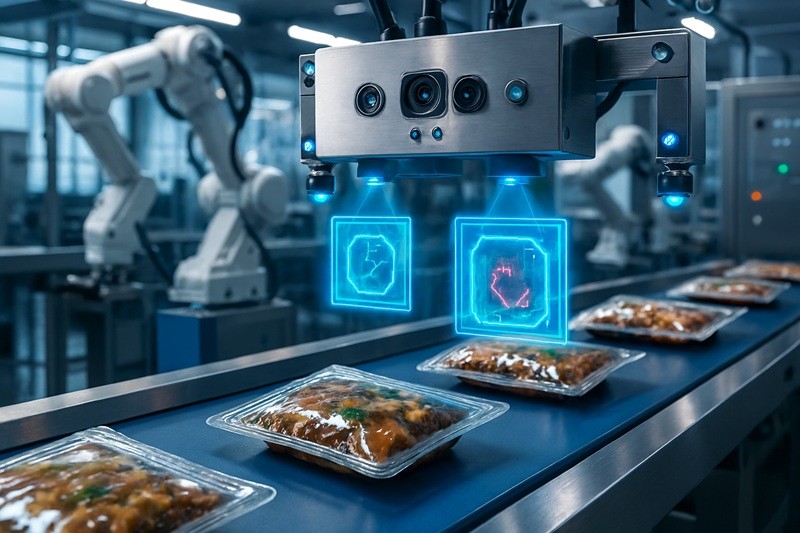
Enhanced Quality Control: AI-powered vision systems are transforming quality assurance on the production line. These systems use high-resolution imaging and machine learning to inspect packaging for a wide array of defects at speeds and accuracies no human inspector can match. They can identify subtle flaws like micro-leaks in seals, misaligned labels, printing errors, and even foreign contaminants, ensuring that only perfect products reach the consumer. This not only prevents costly recalls but also builds a stronger brand reputation for quality and safety.
Supply Chain Optimization: AI algorithms can analyze market trends, sales data, and even weather patterns to forecast demand with incredible accuracy. This allows for streamlined inventory management and optimized production schedules, reducing waste from overproduction and ensuring product availability. In the warehouse, AI is driving automation for sorting, stacking, and logistics, speeding up the entire supply chain.
Robotics and Precision in Packaging Processes
The synergy between robotics and AI is setting new standards for precision and efficiency in food packaging. Robots, which are machines designed to replicate or substitute human actions, are being deployed to handle tasks with a level of accuracy and consistency that is difficult to achieve manually. This is particularly crucial in the food industry, where tasks are often repetitive and require high levels of hygiene and care.
One of the most significant advancements is the rise of collaborative robots, or "cobots." Unlike traditional industrial robots that operate in caged-off areas, cobots are designed to work safely alongside human employees. Equipped with advanced sensors and force-limiting technology, they are ideal for a variety of tasks in a shared workspace.
Key Robotic Applications in Food Packaging:
- Pick-and-Place Operations: Robots, especially delta robots, excel at high-speed pick-and-place tasks. Guided by AI-powered vision systems, they can identify, orient, and place randomly positioned items—such as baked goods or confectionery—into trays with remarkable speed and precision. This eliminates the need for inflexible mechanical fixturing.
- Handling Delicate Products: The food industry is full of fragile items like eggs, soft fruits, and pastries. Modern robotics, including soft robotics, uses specialized grippers and tactile sensors to handle these products gently without causing damage. Researchers at MIT have even developed a system called RoboGrocery that uses advanced sensors to measure an object's fragility and pack it accordingly.
- Primary, Secondary, and Tertiary Packaging:
- Primary: Food-grade cobots constructed with stainless steel and hygienic designs handle direct food contact, such as placing items into initial packaging.
- Secondary: Robots can take individually wrapped products and efficiently group them into larger boxes or cases.
- Tertiary (End-of-Line): Palletizing, the process of stacking boxes onto pallets for shipping, is a physically demanding and repetitive task perfectly suited for automation. Robots can create stable, uniform pallet stacks, increasing safety and efficiency.
Optimizing Efficiency with TOP Y Machinery's Advanced Automation
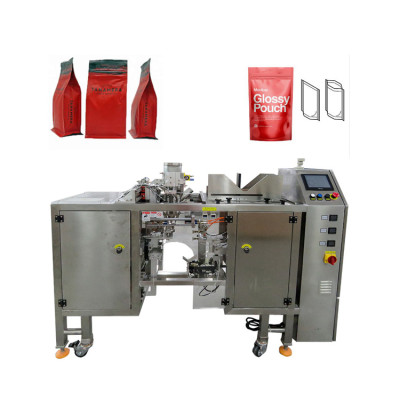
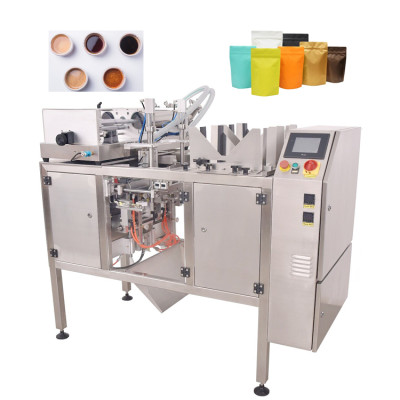
As a leading Food Packaging Machine Manufacturer, TOP Y Machinery is at the forefront of integrating these advanced automation and robotic solutions. Our machines are engineered not just for speed, but for intelligent, flexible, and reliable operation. We understand that the future of food packaging lies in systems that can adapt, learn, and collaborate.
Our advanced packaging lines are designed to incorporate the latest in automation, offering tangible benefits to our clients:
- High-Speed Precision: Our robotic packaging solutions are built for high-speed pick-and-place operations, ensuring both rapid throughput and gentle handling of products. The integration of artificial vision systems allows our machines to handle products of various sizes and shapes with exceptional accuracy, ensuring uniformity and quality in the final package.
- Versatility and Flexibility: We recognize that the food industry requires adaptability. Our machines feature tool-less changeovers and are compatible with a wide array of packaging materials and formats. This allows businesses to switch between different SKUs quickly, minimizing downtime and maximizing production flexibility to meet dynamic market demands.
- Hygienic and Food-Safe Design: All our machines intended for direct food contact are designed with accessibility and ease of cleaning in mind. We use food-safe materials and construction techniques that adhere to strict international hygiene standards, reducing the risk of contamination and ensuring product safety.
- Seamless Integration: TOP Y's packaging machines are developed to be easily integrated into existing production lines. They are compatible with various upstream and downstream equipment, including different artificial vision systems, loading systems, and a wide range of robots, enabling a fully customized and optimized packaging process from start to finish.
By leveraging these automation capabilities, TOP Y Machinery empowers food manufacturers to boost productivity, reduce labor costs, minimize waste, and enhance overall product quality, future-proofing their operations for the demands of 2026 and beyond.
Addressing Challenges in Automation Adoption
Despite the immense potential of automation, its adoption is not without hurdles. For many food manufacturers, especially small to medium-sized enterprises (SMEs), navigating the transition to automated systems presents a complex set of challenges that must be addressed strategically.
1. High Initial Investment and ROI Calculation The most significant barrier to adopting automation is often the high upfront cost. Investing in robotic systems, AI software, and integrated machinery requires substantial capital, which can be daunting for businesses with limited budgets. However, it's crucial to look beyond the initial price tag and conduct a thorough Return on Investment (ROI) analysis.
A comprehensive ROI calculation should account for more than just direct labor savings. Key factors to consider include:
- Reduced Labor Costs: Automation can reduce labor costs by 20-30% in the first year by handling repetitive tasks.
- Increased Throughput: Automated systems can operate 24/7 with consistent speed, increasing production output significantly.
- Material Waste Reduction: Precision automation minimizes errors, leading to less material waste and fewer product defects.
- Lower Employee Turnover: Automating physically demanding or monotonous jobs can improve worker satisfaction and reduce costly turnover.
- Enhanced Safety: A reduction in workplace accidents leads to lower insurance premiums and fewer compensation claims.
While the initial investment can be high, many companies find that the ROI for automated packaging systems can be realized within 12 to 24 months, making it a financially sound long-term strategy.
2. The Skills Gap and Workforce Training The shift to automation creates a demand for a new set of skills. As machines take over manual tasks, the need for employees who can operate, maintain, and troubleshoot this advanced equipment grows. The packaging industry is currently facing a significant skills gap, with many companies reporting difficulty finding qualified personnel. This necessitates a two-pronged approach:
- Upskilling and Reskilling: Companies must invest in continuous training programs to equip their existing workforce with the necessary competencies. This includes training on new Human-Machine Interfaces (HMIs), robotics operation, and data analysis.
- Attracting New Talent: Collaborating with educational institutions to develop mechatronics and robotics programs can help build a future pipeline of skilled workers.
Employee resistance can also be a challenge, often stemming from the fear of being replaced. It is crucial for management to communicate that automation is a tool to augment human capabilities—freeing employees to focus on more complex, strategic, and higher-value work—rather than a means of replacement.
3. Integration with Legacy Systems Few facilities can afford to replace their entire production line at once. A major technical challenge is ensuring new automated equipment can communicate and work seamlessly with existing legacy systems. Incompatibility between old and new machines can lead to significant operational disruptions, data errors, and costly downtime.
Strategies to overcome this include:
- Phased Implementation: Introducing automation in stages allows for a more manageable transition and reduces production disruptions.
- Modular Design: Opting for modular automation solutions allows for greater flexibility, as components can be upgraded or replaced without overhauling the entire system.
- Expert Collaboration: Partnering with an experienced automation provider is essential. Experts can help conduct a thorough assessment of existing lines and design custom integration solutions, often using OPC UA servers as a bridge between legacy and modern equipment.
By proactively addressing these challenges through careful financial planning, strategic workforce development, and phased technical integration, businesses can successfully unlock the transformative power of automation.
Sustainable Futures: Key 2026 Food Packaging Machine Trends in Materials and Design
As we accelerate toward 2026, the focus of innovation in the food packaging industry is sharply pivoting to sustainability. Driven by stringent regulations like the EU's Packaging and Packaging Waste Regulation (PPWR), which mandates that packaging be recyclable or compostable, and a powerful shift in consumer sentiment—with over 70% of shoppers willing to pay more for sustainable options—brands are in a race to adopt greener materials and designs. This movement isn't just about environmental responsibility; it's a strategic imperative for market competitiveness.
Revolutionizing Packaging with Eco-Friendly Materials
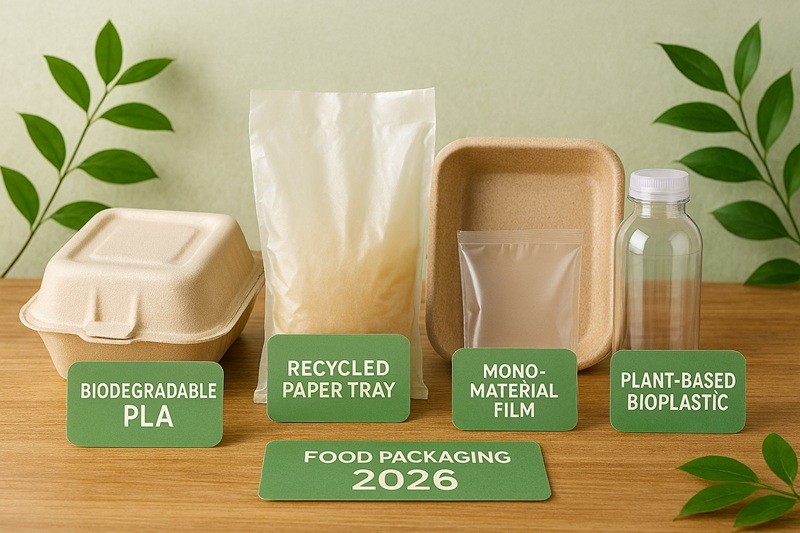
The materials revolution is at the heart of the sustainable packaging trend. Food businesses are increasingly moving away from complex, multi-layered plastics and embracing alternatives that support a circular economy. The role of the modern food packaging machine has become critical, as it must be able to handle these new materials without sacrificing efficiency or seal integrity.
Key material trends shaping the industry include:
Mono-Materials: The shift to mono-material packaging—packaging made from a single type of polymer like 100% Polyethylene (PE) or Polypropylene (PP)—is a game-changer for recyclability. Unlike composite materials that are difficult and costly to separate, mono-materials are compatible with mainstream recycling systems, reducing contamination at sorting facilities and simplifying disposal for consumers. This approach directly supports the goal of creating a closed-loop system where packaging can be efficiently recycled back into new products.
Biodegradable and Compostable Materials: The market for biodegradable and compostable packaging is projected to grow significantly, reaching 1.17 million tonnes by 2029. These materials break down into natural elements, offering a solution to landfill waste. Innovations in this area are burgeoning:
- Advanced Bioplastics: Polylactic Acid (PLA), derived from renewable resources like corn starch, and Polyhydroxyalkanoates (PHA) are becoming more robust, heat-resistant, and cost-effective. PLA, for instance, is increasingly used for clear containers, films, and bags.
- Paper-Based Solutions: Paper and pulp-molded packaging, often made from sugarcane waste (bagasse) or wood fibers, are replacing plastics for trays, containers, and cups. New bio-based coatings are enhancing their barrier properties against grease and oxygen, making them viable for a wider range of food products.
- Edible Packaging: A frontier of innovation, companies are experimenting with films made from seaweed or starch that can be consumed along with the food, representing the ultimate form of "zero waste."
Upcycled and Recycled Content: Incorporating post-consumer recycled (PCR) materials into new packaging is a cornerstone of the circular economy. This practice reduces reliance on virgin resources and lowers the carbon footprint of production. Packaging machinery is being adapted to effectively handle films and containers with higher percentages of recycled content.
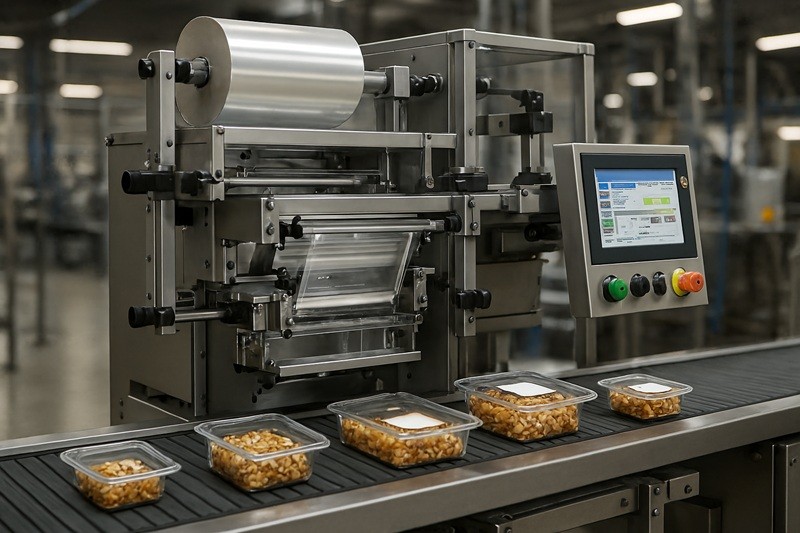
The challenge for packaging machinery manufacturers is to ensure their equipment can run these diverse and often delicate materials at high speeds while maintaining perfect seal integrity, which is crucial for food safety and shelf life.
Consumer-Centric Design for Enhanced Experience
While sustainability is a primary driver, the user experience remains paramount. In 2026, packaging must do more than just contain and protect; it must be convenient, intuitive, and accessible to everyone. This consumer-centric approach is transforming design philosophies, pushing brands to innovate in ways that enhance day-to-day life.
Functionality and Convenience for Modern Lifestyles: Today's consumers, leading busy and often on-the-go lives, demand packaging that simplifies their routines. This has led to a surge in convenience-focused features:
- Easy-Open and Resealable Closures: Frustration-free packaging is a key goal. Features like tear notches, easy-grip tabs, and resealable zippers or lids are becoming standard. They not only make products easier to access but also help maintain freshness, reducing food waste. Brands like Pringles, with their resealable lid, have long demonstrated the value of this feature.
- Portion Control and Single Servings: In response to health-conscious and waste-conscious consumers, brands are offering more products in smaller, single-serving sizes. This helps with portion control and ensures that less food is wasted. Flexible pouches and smaller containers are ideal for this trend.
- On-the-Go Portability: Lightweight, durable, and non-rigid packaging is essential for consumers who eat and snack away from home. Squeezable pouches for products like baby food or yogurt and compact, stackable containers are designed for easy transport and consumption anywhere.
| Feature | Consumer Benefit | Example |
|---|---|---|
| Resealable Zippers | Maintains freshness, prevents spills, reduces food waste. | Stand-up pouches for snacks or coffee. |
| Easy-Peel Lids | Simple, tool-free opening for all dexterity levels. | Yogurt cups and ready-meal trays. |
| Portion-Control Packs | Manages serving sizes and minimizes leftovers. | Multi-packs of small snack bags. |
| Squeezable Pouches | Mess-free dispensing, ideal for on-the-go consumption. | Applesauce, baby food, condiments. |
Inclusive and Accessible Design: A truly consumer-centric approach ensures that packaging is usable by everyone, regardless of age or physical ability. With over a billion people globally living with some form of disability, inclusive design is both an ethical responsibility and a smart business strategy.
Key elements of inclusive design include:
- Easy-to-Open Mechanisms: Designs that don't require significant strength or dexterity, such as loop handles or simple pull-tabs, make products accessible to the elderly or those with arthritis.
- High-Contrast, Legible Typography: Using large, clear fonts with high contrast between the text and background ensures that information is readable for those with visual impairments.
- Tactile and Auditory Cues: Incorporating elements like Braille, embossed symbols, or audible clicks when a package is securely closed can provide crucial information for visually impaired consumers.
Minimalist Aesthetics: In a crowded marketplace, minimalist design helps brands stand out through simplicity and clarity. This trend transcends aesthetics to communicate core brand values like transparency, quality, and sustainability. By stripping away visual clutter and using clean lines, limited color palettes, and ample negative space, minimalist packaging draws focus to the product itself and the essential information. This "less is more" philosophy also aligns with sustainability by often using fewer materials, further resonating with conscious consumers.
TOP Y Machinery's Commitment to Sustainable Innovation
As a forward-thinking Food Packaging Machine Manufacturer, TOP Y Machinery is deeply committed to supporting the industry's shift towards a more sustainable future. Our innovation strategy is built around empowering our clients to meet both regulatory requirements and consumer expectations for eco-friendly packaging without compromising on operational excellence.
We actively engineer our machines to be part of the solution, focusing on three core areas of sustainable innovation:
1. Material Versatility and Adaptability: We understand that the future of packaging lies in a diverse range of sustainable materials. Our machines are designed and rigorously tested to handle the next generation of eco-friendly films and containers.
- Mono-Material Ready: Our sealing technology is optimized to create strong, reliable seals on mono-material films (like PE and PP), which are crucial for recyclability. We ensure our machines can handle these materials without causing distortion or compromising barrier properties.
- Biodegradable and Compostable Film Handling: We have developed specialized handling and sealing parameters for delicate materials such as PLA, paper-based films, and other compostable alternatives. This ensures that brands can transition to these materials smoothly, maintaining high production speeds and package integrity.
2. Waste Reduction by Design: Our machinery is engineered to minimize waste at every stage of the packaging process, contributing directly to our customers' sustainability goals and operational efficiency.
- Precision Filling and Dosing: Our systems are calibrated for exceptional accuracy, preventing over-filling that leads to product and material waste.
- Optimized Film Usage: Advanced controls on our wrapping and bagging machines ensure that the minimum amount of film is used for each package, and sophisticated cut patterns reduce film scrap.
- Reduced Spoilage: By creating high-integrity, hermetic seals, our machines extend product shelf life, playing a vital role in the global effort to reduce food waste.
3. Energy Efficiency: A significant part of sustainability is reducing energy consumption. TOP Y Machinery integrates energy-efficient components and smart operational modes into our equipment.
- Energy-Saving Components: We utilize high-efficiency motors, drives, and heating elements that consume less power during operation.
- Smart Standby Modes: Our machines are programmed with intelligent standby functions that automatically reduce energy consumption during pauses in production, lowering the overall carbon footprint of the packaging line.
At TOP Y Machinery, we believe that the right equipment is a critical enabler of sustainability. We partner with our clients to provide robust, flexible, and efficient solutions that not only meet the packaging demands of today but also pave the way for a more circular and responsible tomorrow.
Balancing Sustainability with Cost and Scalability
While the shift to sustainable packaging is gaining momentum, it is not a simple transition. Businesses must carefully navigate the complex interplay between environmental aspirations, economic realities, and operational feasibility. Successfully integrating sustainable materials requires a strategic approach that acknowledges the inherent challenges of cost, scalability, and performance.
The "Green Premium": Understanding the Cost One of the most significant barriers to adopting sustainable packaging is the cost. While some eco-friendly materials like recycled cardboard are price-competitive, many innovative options come with a "green premium."
- Material and Production Costs: Newer materials such as bioplastics (like PLA) or certified compostable films often carry a higher price tag—sometimes 15% to 50% more than their conventional counterparts. This is largely due to factors like less mature supply chains, lower production volumes, and the R&D investment required for their development.
- Machinery and Process Adjustments: Transitioning to new materials may require modifications or investments in packaging machinery to handle different material properties, which adds to the initial expense.
However, a narrow focus on upfront unit cost is shortsighted. A holistic view often reveals long-term financial benefits. Sustainable packaging can lead to reduced waste disposal fees, lower shipping costs through lightweighting, and significant brand value enhancement as over 74% of consumers are willing to pay more for sustainable products.
Scalability and Supply Chain Hurdles Beyond cost, scalability presents a formidable challenge.
- Material Availability: The supply of certain innovative materials may not yet be robust enough to meet the demands of large-scale production, leading to potential shortages and price volatility.
- Infrastructure Gaps: The effectiveness of recyclable and compostable packaging is heavily dependent on the available waste management infrastructure. Many regions lack the necessary facilities for industrial composting or for sorting and processing complex materials, which can undermine sustainability efforts.
- Performance Trade-offs: Sustainable materials must still meet the primary function of packaging: protecting the product. There can be performance trade-offs in areas like barrier properties (against moisture and oxygen), durability, and shelf life. A package that fails and leads to food spoilage is ultimately not sustainable, regardless of the material it's made from.
Strategies for a Successful Transition To navigate these complexities, businesses can adopt a strategic, phased approach to integrating sustainable packaging:
- Conduct a Full Portfolio Review: Start by thoroughly assessing your current packaging. Identify the materials used, the volumes, and the biggest areas of environmental impact. This baseline understanding is crucial for prioritizing changes.
- Start with "Low-Hanging Fruit": Begin the transition with changes that offer a clear win-win, such as lightweighting existing packages, switching to recycled-content cardboard, or adopting mono-material designs that are already widely recyclable.
- Collaborate with Suppliers: Engage in close partnerships with material suppliers and packaging machinery manufacturers. They can provide vital expertise on material performance, compatibility with equipment, and emerging innovations.
- Adopt a Phased Rollout: Instead of a complete overhaul, implement changes in stages. This could mean starting with a single product line or market. A pilot program allows you to test material performance, gather consumer feedback, and optimize processes before a full-scale launch.
- Educate Consumers: Clear communication is key. Use on-pack labeling and marketing channels to educate consumers on how to properly dispose of the new packaging. This helps ensure it enters the correct waste stream and supports the circular economy.
By balancing ambitious sustainability goals with pragmatic implementation strategies, businesses can make meaningful environmental progress while maintaining profitability and operational resilience.
The Digital Edge: Smart Packaging and E-commerce Impact on 2026 Food Packaging Machine Trends
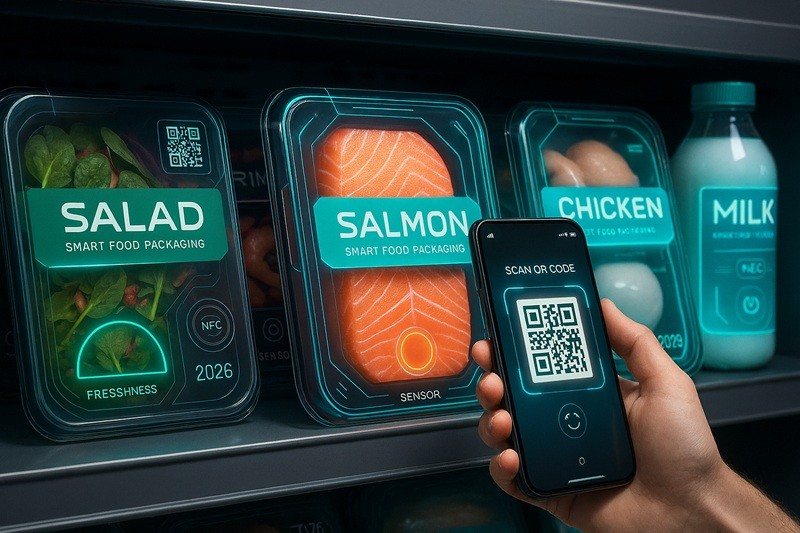
The convergence of digital technology and packaging is creating a new frontier for brand interaction, supply chain transparency, and food safety. Smart packaging, which integrates technologies to monitor, track, and communicate information, is set to become a standard feature by 2026. This digital layer transforms a simple container into an intelligent asset that adds value for both businesses and consumers.
Smart Packaging Technologies for Enhanced Safety and Traceability
Smart packaging is bifurcated into two main categories: "intelligent" packaging, which monitors and communicates data, and "active" packaging, which physically interacts with the food to improve its condition. Both are pivotal in enhancing food safety and extending shelf life.
Intelligent Packaging for Monitoring and Traceability: The core of intelligent packaging lies in its ability to track a product's journey and condition in real-time. This is achieved through a variety of technologies:
- QR Codes and NFC Tags: These technologies are transforming consumer engagement and transparency. A simple scan of a QR code with a smartphone can unlock a wealth of information, from detailed nutritional facts and allergen warnings to the product's origin story. Near Field Communication (NFC) tags offer a similar, more seamless "tap-to-interact" experience. For brands, this is a powerful tool to build consumer trust by providing unprecedented traceability, allowing shoppers to follow a product's path from farm to table.
- RFID and Blockchain: For supply chain management, Radio Frequency Identification (RFID) tags offer more advanced tracking than QR codes, enabling automated inventory management and logistics. When combined with blockchain technology, these systems create an unchangeable digital ledger of a product's journey, offering robust protection against counterfeiting and enhancing recall efficiency.
- Sensors and Indicators: Embedded sensors are a cornerstone of modern smart packaging, monitoring key environmental factors. Time-temperature indicators (TTIs) can visually show if a product has been exposed to unsafe temperatures, while other sensors can detect oxygen levels, humidity, or the presence of gases released during spoilage. These innovations provide a clear, real-time assessment of food freshness and safety.
Active Packaging for Shelf-Life Extension: Active packaging technologies work to preserve food quality by actively modifying the internal environment of the package. This approach not only extends shelf life but also helps reduce food waste. Common active packaging solutions include:
- Oxygen Absorbers: These small packets or integrated layers remove oxygen from the package, which slows down oxidation and inhibits the growth of aerobic microorganisms.
- Ethylene Scavengers: Ethylene is a gas that accelerates the ripening of many fruits and vegetables. Scavengers absorb this gas, slowing down the ripening process and keeping produce fresh for longer.
- Antimicrobial and Antioxidant Releasers: These systems release compounds that inhibit microbial growth or prevent oxidation directly onto the food or into the package headspace. This can reduce the need for added preservatives in the food itself.
- Moisture Regulators: These components absorb excess moisture, which can prevent sogginess in some products and inhibit mold growth in others.
The adoption of these smart technologies is creating a safer, more transparent, and more efficient food supply chain, building consumer confidence and reducing waste.
E-commerce's Influence on Packaging Design and Functionality
The explosive growth of e-commerce has fundamentally altered consumer expectations and, in turn, the requirements for food packaging. With online grocery sales projected to continue their steep upward trajectory, packaging can no longer be designed solely for the retail shelf. It must now serve as a robust shipping container, a silent salesperson, and a key part of the brand experience, all at once.
This shift places new demands on both packaging design and the machinery that produces it.
Durability and Protection for Transit: The journey from a warehouse to a customer's doorstep is far more rigorous than the journey to a supermarket shelf. E-commerce packages are handled multiple times, subjected to various environmental conditions, and are more prone to shock and movement.
- Robust Construction: Packaging for online delivery must prioritize durability. This means using sturdier materials, such as multi-layered corrugated cardboard, and designs that enhance structural integrity to prevent crushing, breakage, and spills. For fragile items like glass jars and bottles, protective inserts and cushioning materials are essential.
- Temperature Control: For perishable and frozen foods, thermal protection is non-negotiable. Insulated liners, cold packs, and specialized materials that maintain temperature consistency are critical to ensuring food safety and quality upon arrival. Anchor Packaging's polypropylene containers, for example, are designed to retain heat for hot food deliveries, while solutions like IPG's Chill-R inserts provide insulation for chilled goods.
- Leak-Resistant and Secure Sealing: A strong, reliable seal is crucial to prevent leaks and contamination during transit. This is especially important for liquids, sauces, and ready-to-eat meals. Packaging machinery must be capable of creating consistently strong seals on a variety of materials to withstand the rigors of delivery.
The "Unboxing" Experience as a Marketing Tool: For e-commerce brands, the package is often the first physical touchpoint with the customer. A positive "unboxing experience" can create a lasting impression, build brand loyalty, and generate valuable user-generated content on social media. According to one survey, 40% of online shoppers would share an image of their purchase if it came in branded packaging.
Key elements of a great unboxing experience include:
- Branded Packaging: The exterior of the box is a mobile billboard. A well-placed logo and consistent use of brand colors and fonts create instant recognition and excitement.
- Thoughtful Presentation: The interior matters just as much as the exterior. Products should appear carefully arranged, not just thrown in. Using branded tissue paper, custom inserts, or crinkle paper can make the experience feel premium and curated.
- Easy-to-Open Design: Frustration-free opening is key. Incorporating pull-tabs or perforated tear strips enhances the customer experience, while minimizing excessive tape improves the aesthetic.
- Personalization: Simple touches like a handwritten thank-you note or a small, free sample can make the customer feel valued and create a powerful emotional connection to the brand.
Packaging machinery must evolve to support these trends, offering the flexibility to handle a wider variety of box sizes, apply custom labels on demand, and integrate systems that can insert personalized materials into packages.
Customization and Personalization in Modern Packaging
In an era of mass production, customization and personalization have emerged as powerful tools for brands to differentiate themselves, create deeper emotional connections with consumers, and foster lasting loyalty. Packaging is no longer just a container; it's a canvas for storytelling and a direct line of communication with the customer. This trend is driven by technological advancements that make on-demand and unique packaging more accessible and cost-effective than ever before.
The Power of Digital Printing and Short-Run Solutions: At the forefront of the customization trend is digital printing. Unlike traditional offset printing, which requires expensive plates and is only economical for very large orders, digital printing allows for high-quality, full-color printing directly from a digital file. This technology has two transformative benefits:
Short-Run Packaging: Businesses can now produce small quantities of custom-printed packaging without incurring massive setup costs. This is a game-changer for small businesses, startups, and even large brands looking to test new products or designs. The benefits are numerous:
- Cost Efficiency: Avoids the financial risk of ordering thousands of units for an unproven product, improving cash flow.
- Market Testing: Brands can quickly produce prototypes or small batches to gather real-world customer feedback before committing to a large-scale launch.
- Reduced Waste: Eliminates the problem of obsolete packaging inventory, a significant advantage for seasonal or promotional items.
Variable Data Printing (VDP): Digital printing makes it possible to change elements (like text, graphics, or colors) from one printed piece to the next without stopping or slowing down the press. This unlocks a new level of personalization, enabling brands to:
- Print customers' names directly on the package.
- Create limited-edition designs for specific events, locations, or demographics.
- Incorporate unique codes for contests or loyalty programs.
Coca-Cola's "Share a Coke" campaign, which printed names on bottles, is a classic example of how personalization can create a massive cultural moment and drive engagement.
Impact on Consumer Loyalty and Brand Perception: Custom packaging has a profound effect on how consumers perceive a brand. When a customer receives a product in packaging that feels unique and thoughtfully designed, it elevates the entire experience.
- Creates an Emotional Connection: Personalized packaging shows that a brand values its customers as individuals. A simple touch, like including a personalized note or using a customer's name, can forge a strong emotional bond and make the "unboxing experience" feel special and shareable.
- Enhances Perceived Value: Custom, high-quality packaging communicates a sense of exclusivity and premium value. This not only justifies a higher price point but also makes the customer feel they are receiving something truly special, increasing satisfaction and the likelihood of repeat purchases.
- Strengthens Brand Identity: Unique packaging designs help a product stand out in a crowded market. Whether through innovative shapes, creative graphics, or premium finishes like embossing and foil stamping, custom packaging reinforces brand identity and makes a memorable impression.
As we move toward 2026, the brands that leverage customization and personalization will be the ones that capture consumer attention and build the strongest, most loyal communities.
TOP Y Machinery Leading in Smart Packaging Solutions
At TOP Y Machinery, we understand that the future of packaging is digital, connected, and intelligent. We are dedicated to providing our clients with the advanced machinery needed to capitalize on the trends of smart packaging and e-commerce-driven customization. As a premier Food Packaging Machine Manufacturer, we integrate cutting-edge technology into our systems to ensure they are not only efficient but also future-ready.
Our solutions are engineered to empower brands to enhance traceability, engage consumers, and deliver on the promise of a personalized experience. Here’s how TOP Y Machinery is leading the way:
1. Integration-Ready for Smart Technologies: Our packaging machines are designed with modularity and connectivity in mind, allowing for seamless integration of various smart technologies.
- Labeling and Coding Applicators: Our systems can be easily equipped with high-speed applicators for QR codes, RFID tags, and NFC chips. This enables our clients to implement robust traceability systems and interactive consumer experiences directly on the production line.
- Sensor Compatibility: We design our machines to accommodate the integration of various sensors for active and intelligent packaging, such as those that monitor temperature or atmospheric conditions, ensuring that smart packaging features can be added as needed.
2. Flexibility for E-commerce and Customization: The rise of e-commerce and the demand for personalization require machinery that is agile and adaptable.
- Rapid, Tool-Less Changeovers: TOP Y machines are renowned for their quick changeover capabilities, allowing producers to switch between different package sizes, formats, and designs with minimal downtime. This is essential for handling the diverse requirements of e-commerce and short-run production for customized packaging.
- Digital Printing Synergy: Our machines are built to work in concert with modern digital printing workflows. The ability to handle short runs efficiently means our clients can fully leverage the power of digital printing for seasonal promotions, limited editions, and personalized marketing campaigns.
3. Durability and Protection-Focused Design: We recognize that e-commerce packaging must be exceptionally durable. Our machines are engineered to work with robust materials and create secure, resilient packages that can withstand the rigors of the modern supply chain.
- Superior Seal Integrity: We employ advanced sealing technologies, including ultrasonic options, to ensure every package is hermetically sealed, protecting contents from damage, contamination, and spoilage during transit.
- Versatile Material Handling: Our equipment is built to handle a wide range of materials, from tough, puncture-resistant films ideal for shipping to the delicate, eco-friendly substrates gaining popularity.
By partnering with TOP Y Machinery, businesses are investing in a platform that is ready to meet the digital and physical demands of the 2026 packaging landscape. We provide the tools to not only optimize operations but also to innovate and build a stronger, more direct connection with the end consumer.
Navigating the New Landscape: Economic and Consumer Shifts in 2026 Food Packaging Machine Trends
The food packaging industry in 2026 is not operating in a vacuum. It is deeply intertwined with broader economic forces and evolving consumer values. Navigating this new landscape requires businesses to be agile, responsive, and strategic, particularly in addressing rising operational costs and the powerful consumer demand for transparency and healthier food options.
Addressing Rising Operational Costs and Shrinkflation
Persistent inflation, supply chain disruptions, and soaring energy prices are creating significant financial pressure on food manufacturers. These rising costs for materials, production, and transportation are squeezing profit margins and forcing businesses to find creative solutions to remain competitive. One such strategy that directly involves packaging is "shrinkflation."
What is Shrinkflation? Shrinkflation is the practice of reducing the size or quantity of a product while keeping its price the same. It’s a subtle way for companies to pass on increased costs to consumers without raising the sticker price. We've seen this across the industry, from Gatorade bottles shrinking from 32 to 28 ounces to Cottonelle toilet paper rolls having fewer sheets. While legal, if not handled transparently, this practice can erode consumer trust.
The Role of Packaging Machinery in Mitigating Costs: Advanced packaging machinery offers a powerful antidote to rising operational costs and a strategic tool for managing product downsizing.
Combating Rising Costs with Automation: Packaging automation is one of the most effective strategies for reducing operational expenses. By replacing labor-intensive manual processes with automated systems, businesses can significantly lower labor costs, which includes wages, benefits, and training expenses. Automated machines operate faster and more consistently than manual labor, increasing throughput by up to 30% and reducing error rates by as much as 50%. This heightened efficiency allows businesses to produce more with fewer resources, directly offsetting rising input costs for energy and materials.
Facilitating Shrinkflation with Flexibility: For brands that decide to implement shrinkflation, flexible packaging machinery is essential. Modern machines can be quickly and easily adjusted to handle different package sizes and fill volumes. This agility allows companies to reduce product net weight without requiring entirely new production lines or significant retooling, which would be prohibitively expensive. A machine that can seamlessly switch from a 10-ounce bag to a 9-ounce bag enables brands to adapt to economic pressures efficiently. However, this must be balanced with clear consumer communication to avoid backlash.
The Growing Importance of Transparency and Clean Labels
Today's consumers are more informed and discerning than ever before. Spurred by health consciousness, food safety concerns, and a growing mistrust of complex ingredient lists, there is an undeniable demand for transparency from food brands. This movement, often referred to as the "clean label" trend, is fundamentally reshaping how products are formulated, marketed, and packaged. Research shows that a staggering 93% of consumers believe it's important to know what's in their food and how it's made.
Defining the "Clean Label" Consumer: The clean label trend is about more than just removing artificial additives and preservatives. For modern consumers, it encompasses a holistic view of a product's journey and impact:
- Simple, Recognizable Ingredients: Consumers prefer short ingredient lists filled with names they can easily understand, avoiding chemical-sounding or artificial substances.
- Ethical and Sustainable Sourcing: There is a growing desire to know where ingredients come from.
- Honest and Clear Information: Shoppers value transparency about nutritional content, allergens, and production methods. In fact, two-thirds of shoppers say they would switch brands to one that provides more detailed product information.
How Packaging Design Conveys Transparency: Packaging has become the primary vehicle for communicating this transparency and building consumer trust.
- Minimalist and Informative Design: Clean, uncluttered packaging design is a powerful tool. By focusing on clear typography and straightforward information, brands can convey honesty and confidence. Instead of overwhelming consumers with marketing jargon, the design prioritizes essential details like "GMO-Free," "Organic," or "No Added Sugar."
- Transparent Windows: One of the most literal forms of transparency is incorporating a see-through window into the package. This allows consumers to see the actual product, building trust by showing that the brand has nothing to hide.
- QR Codes as Digital Gateways: Since there's limited space on a physical package, QR codes are becoming an essential tool for radical transparency. A quick scan can lead consumers to a wealth of information that simply wouldn't fit on a label, including:
- Detailed farm-to-table traceability maps.
- Videos showcasing production processes.
- In-depth explanations of ingredients and their sourcing.
- Information about the company's sustainability and ethical labor practices.
By embracing transparent packaging, brands are not just complying with consumer demands; they are building a foundation of trust that fosters long-term loyalty.
Plant-Based and Health-Focused Food Trends Impacting Packaging
The global dietary landscape is undergoing a monumental shift, with more consumers than ever gravitating towards plant-based diets and health-focused products. This trend, driven by concerns for health, environmental sustainability, and animal welfare, is creating new challenges and opportunities for the food packaging industry. The global market for alternative protein ingredients, valued at $22.95 billion in 2024, is expected to surge to over $50 billion by 2030, and packaging plays a critical role in the success of these products.
Unique Packaging Requirements for Plant-Based Foods: Alternative proteins and plant-based products often have unique compositions that demand specialized packaging solutions to maintain their quality, safety, and shelf life.
- Preserving Freshness and Texture: Many plant-based products, particularly meat and dairy alternatives, have a high moisture content and a neutral pH, making them highly perishable. They are also prone to oxidation, which can lead to off-flavors and spoilage. Packaging for these items requires materials with excellent oxygen and moisture barrier properties to preserve their intended taste and texture.
- Modified Atmosphere Packaging (MAP): MAP is a key technology for extending the shelf life of plant-based foods without the need for chemical preservatives. This technique involves altering the gaseous atmosphere inside a package—typically by reducing oxygen and increasing carbon dioxide and nitrogen—to slow down decay and inhibit microbial growth. A carefully calibrated gas mixture helps retain the product's color, flavor, and appearance, meeting consumer demand for fresh, naturally preserved foods.
- Light-Blocking Materials: Some alternative proteins are sensitive to light, which can degrade their quality. Packaging materials that offer better light barrier properties are essential to protect these products and ensure they reach the consumer in optimal condition.
Designing Packaging to Communicate Health: For health-focused products, the packaging itself is a critical marketing tool. The design must instantly communicate the product's benefits and align with the consumer's health-conscious values.
- Clean and Simple Aesthetics: Minimalist designs with ample white space, clear typography, and a straightforward color palette often appeal to health-focused shoppers. This clean look suggests transparency and simplicity, reinforcing the idea that the product inside is pure and free from unnecessary additives.
- Visualizing Natural Ingredients: High-quality photography or illustrations of fresh, natural ingredients on the packaging create a powerful and positive association. Showing a crisp apple or vibrant berries on the box for a fruit bar, for example, is more effective at conveying health than abstract designs.
- Clear Health-Benefit Callouts: Prominently displaying key attributes like "High in Protein," "Gluten-Free," or "Vegan" on the front of the package is crucial. Busy consumers often make purchasing decisions in seconds, so clear, easy-to-read labeling helps them quickly identify products that meet their dietary needs and preferences.
As the market for plant-based and health foods continues to expand, packaging must evolve in tandem, providing not just protection but also acting as a crucial communicator of quality, safety, and brand values.
How TOP Y Machinery Adapts to Market Demands
In a rapidly shifting marketplace, adaptability is the key to success. At TOP Y Machinery, we pride ourselves on being not just a manufacturer, but a responsive partner to the food industry. We continuously innovate our equipment to ensure our clients can pivot quickly to meet new economic pressures, consumer demands, and product formulations. Our ability to anticipate and adapt to market changes is a core part of our value proposition.
Engineered for Economic and Consumer-Driven Agility: We understand that modern food producers need to be resilient. Our machines are built with the flexibility to address challenges like rising costs and the opportunities presented by new food trends.
Ultimate Flexibility for Product and Packaging Variation: Our packaging machines are designed for maximum versatility. With features enabling rapid, tool-less changeovers, our clients can effortlessly switch between different package formats, sizes, and materials. This is crucial for managing "shrinkflation," launching seasonal products, or introducing new plant-based items that may require different packaging specifications. This adaptability minimizes downtime and allows for agile production planning.
Efficiency to Combat Rising Costs: At a time of rising operational costs, the efficiency of our machinery provides a direct and measurable benefit. TOP Y machines are engineered to optimize the use of materials and energy. Precise filling systems reduce product giveaway, while advanced film handling minimizes packaging waste. Our energy-efficient designs lower electricity consumption, helping our clients protect their margins in a tough economic climate.
Ready for the Future of Food: We closely monitor consumer trends, from the demand for clean labels to the explosion in plant-based foods. Our machinery is designed to be compatible with the specific needs of these products. Whether it’s integrating Modified Atmosphere Packaging (MAP) systems to extend the shelf life of vegan meats or ensuring our equipment can handle delicate, eco-friendly films, we make sure our clients have the technology they need to innovate.
By choosing TOP Y Machinery, you are not just buying a piece of equipment; you are investing in a flexible, efficient, and forward-thinking packaging solution that can evolve with your business. We empower you to meet today’s market demands while being fully prepared for the challenges and opportunities of tomorrow. For businesses looking to adapt and thrive, we invite you to Contact Food Packing Machine Expert at TOP Y to discuss how our solutions can be tailored to your specific needs.
Conclusion
The 2026 food packaging machine trends paint a vivid picture of an industry on the brink of a significant transformation. The path forward is clear: a future defined by smarter, more sustainable, and deeply consumer-centric packaging solutions. From the intelligent precision of AI-driven automation and robotics to the critical adoption of advanced sustainable materials, every facet of the industry is evolving to meet the complex demands of a new era. As a pioneering Food Packaging Machine Manufacturer, TOP Y Machinery is at the vanguard of this movement, delivering the cutting-edge technology that empowers businesses to not only keep pace but to lead.
For food businesses, the call to action is undeniable. By staying agile, informed, and making strategic investments in a modern food packaging machine that aligns with these powerful trends, you can achieve more than just operational optimization. You can build stronger, more meaningful connections with a new generation of environmentally conscious and health-aware consumers. The changes ahead are not merely challenges to be overcome but opportunities to be seized. Let us embrace this evolution together and leverage these innovations to forge a more efficient, resilient, and sustainable future in food packaging. If you're ready to explore how these trends can benefit your business, we encourage you to Contact Food Packing Machine Expert for a personalized consultation.